
Why Salt Air Destroys La Jolla AC Units and How to Protect Yours
Living in La Jolla means enjoying ocean breezes and coastal views. But those same breezes carry microscopic salt particles that silently destroy air conditioning systems. Within just two to three years, unprotected condenser coils can lose up to 40% of their efficiency as corrosion builds up. The damage starts small—tiny white spots on aluminum fins—but quickly spreads into larger pits that reduce heat transfer and force your system to work harder. Stop Salt Air from Destroying Your Ocean Beach AC Unit.
The combination of salt, moisture, and UV exposure in La Jolla creates the perfect storm for HVAC failure. Unlike inland areas where dust is the main concern, coastal units face constant electrolytic corrosion. This process accelerates when humidity levels rise above 60%, which happens frequently during marine layer seasons. Once corrosion penetrates the copper tubing inside coils, refrigerant leaks become inevitable, leading to expensive repairs or full system replacement. EPA heat island effects.
Warning Signs Your La Jolla AC Unit Is Under Attack
Corrosion damage follows predictable patterns that homeowners can spot early. The first indicator is usually reduced cooling performance. If your system runs longer but cools less effectively, check the outdoor unit for white or greenish deposits on the coil fins. These deposits feel rough to the touch and indicate salt buildup has begun eating through the protective coating.
Another red flag is unusual noise from the outdoor compressor. As corrosion weakens mounting brackets and fan blades, vibrations increase and create rattling sounds during operation. You might also notice higher energy bills as the system struggles to maintain temperatures. In severe cases, visible rust streaks appear on the unit’s exterior, signaling internal damage has already occurred.
Condenser fan motors face particular risk in coastal areas. Salt mist penetrates motor housings and corrodes internal windings. When motors fail, replacement costs range from $400 to $800, not including the labor to diagnose and install new units. Regular inspection of fan blade balance and motor housing integrity can prevent these failures.
How Coastal Climate Accelerates HVAC Wear
La Jolla’s Mediterranean climate creates ideal conditions for accelerated corrosion. Average humidity levels hover around 70% during summer months, providing constant moisture for salt to activate. The marine layer, which blankets the coast for 150+ days annually, deposits a fine salt film on all outdoor surfaces. This film attracts more moisture, creating a continuous corrosion cycle. Humidity Issues Indoors.
Temperature fluctuations also play a role. When coastal temperatures swing from cool mornings to hot afternoons, metal components expand and contract. This movement stresses already weakened areas, causing microscopic cracks where salt can penetrate deeper. Over time, this thermal cycling significantly reduces the lifespan of heat exchangers and compressors.
Wind patterns in La Jolla concentrate salt exposure on certain sides of buildings. South-facing units, particularly those near the shoreline, receive the heaviest salt bombardment. Properties in Bird Rock and the Village area experience more severe corrosion than those in the hills above Torrey Pines, where elevation provides some protection from salt spray.
Protective Solutions That Actually Work
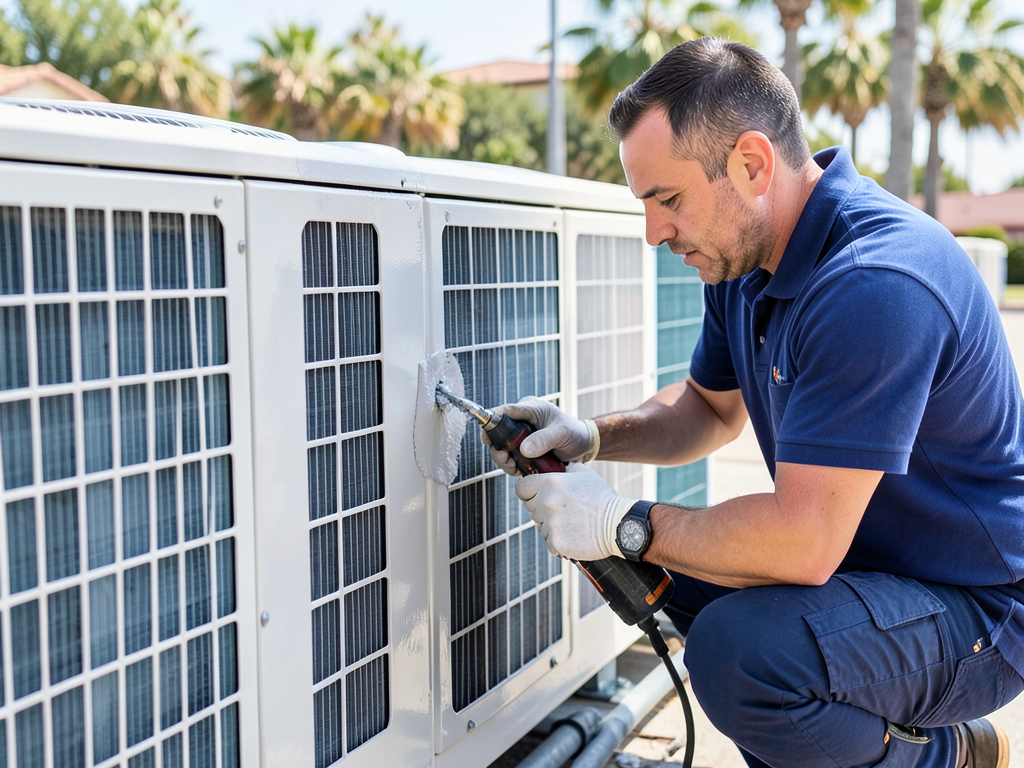
Professional-grade protective coatings offer the best defense against salt corrosion. These specialized formulations create a barrier that prevents salt and moisture from contacting metal surfaces. Unlike standard paint, marine-grade coatings flex with temperature changes and resist UV degradation. When properly applied, they extend equipment life by 5-7 years compared to unprotected units.
Installation timing matters significantly. The ideal window for coating application is during the dry season, typically September through November. This timing allows proper surface preparation and curing before winter moisture returns. Professional application includes thorough cleaning, rust removal, and multiple coating layers for maximum protection.
Regular maintenance schedules become critical in coastal environments. Quarterly inspections should include coil cleaning with specialized salt-removing solutions, not just water pressure washing. Technicians check for early corrosion signs and reapply protective coatings to high-risk areas. This proactive approach costs far less than emergency repairs or premature replacement.
Material Choices for Maximum Durability
Not all HVAC components resist salt corrosion equally. Copper coils, while excellent for heat transfer, corrode fastest in marine environments. Aluminum offers better resistance but still requires protection. Stainless steel components, though more expensive initially, provide the best long-term value for coastal installations.
Modern high-efficiency units often use microchannel coils with aluminum construction. These designs reduce surface area exposed to corrosive elements while maintaining performance. However, even microchannel technology requires protective coatings in La Jolla’s harsh environment. The reduced maintenance costs often offset the higher initial investment within three years.
Fan blade materials also impact longevity. Composite or coated aluminum blades resist corrosion better than standard galvanized steel. Some premium units feature titanium-enhanced components specifically engineered for coastal applications. While these represent premium pricing, they eliminate the frequent replacement cycle common with standard equipment.
Installation Strategies for Coastal Protection
Location selection during installation significantly impacts equipment lifespan. Units positioned away from direct salt spray exposure last longer. Even a few feet of elevation or strategic landscaping can reduce salt contact. Roof-mounted units often fare better than ground-level installations, as elevation reduces exposure to salt-laden air near ground level.
Protective enclosures provide another defense layer. Custom-built shelters with proper ventilation shield units from direct salt spray while allowing adequate airflow for cooling. These structures must balance protection with the manufacturer’s clearance requirements for safe operation. Improper enclosure design can trap heat and reduce efficiency.
Electrical connections require special attention in coastal areas. Salt air corrodes terminals and connections, creating resistance that generates heat and potential fire hazards. Marine-grade connectors and anti-corrosion compounds on all electrical joints prevent these failures. This extra step during installation prevents many service calls down the road.
Cost-Benefit Analysis of Protection vs. Replacement
Comparing protection costs against replacement expenses reveals clear financial advantages. A comprehensive protection package including professional coating, upgraded components, and annual maintenance runs $800-$1,200. This investment typically prevents one major repair or extends equipment life by 3-5 years.
Standard AC unit replacement in La Jolla ranges from $4,500 to $8,000 depending on size and efficiency rating. High-efficiency units with enhanced corrosion protection start around $6,000. When you factor in installation costs, disposal fees, and potential property damage during replacement, the protection route becomes even more attractive.
Energy savings provide another financial incentive. Protected units maintain efficiency longer, reducing monthly utility costs. A system operating at 80% efficiency instead of 60% can save $30-$50 monthly during peak cooling season. Over five years, these savings often cover the initial protection investment.
Local Building Codes and Compliance
California Title 24 energy standards require specific efficiency ratings for new HVAC installations. In La Jolla’s coastal zone, these requirements often push homeowners toward higher SEER2 rated units. While more efficient, these advanced systems contain more electronics and sensors vulnerable to salt corrosion. California Title 24 energy standards.
San Diego County building codes mandate specific clearances and installation practices for outdoor equipment. Units must maintain minimum distances from property lines and have proper seismic anchoring. These requirements don’t directly address corrosion protection, leaving homeowners responsible for implementing additional safeguards.
Permit requirements for HVAC work in La Jolla follow standard San Diego County procedures. However, coastal properties may face additional inspections to ensure compliance with local environmental regulations. Working with contractors familiar with these specific requirements prevents costly delays and rework.
Emergency Response for Coastal AC Failures
When coastal AC units fail, response time becomes critical. San Diego’s summer heat waves can push indoor temperatures to dangerous levels within hours. Emergency repair services in La Jolla typically arrive within 2-4 hours for priority calls, compared to 24-48 hours for standard appointments.
Common emergency scenarios include refrigerant leaks from corroded coils, compressor failures from electrical corrosion, and fan motor burnouts. Each requires different diagnostic approaches and parts availability. Coastal technicians stock more corrosion-related replacement parts than inland counterparts, reducing wait times for repairs.
Preventive maintenance contracts prove valuable for emergency preparedness. These agreements guarantee priority service and often include discounted emergency call rates. For La Jolla homeowners, the peace of mind and faster response times justify the annual contract costs.
Choosing the Right HVAC Contractor
Coastal HVAC expertise varies significantly among local contractors. Look for companies with specific experience in La Jolla’s unique environment. Ask about their corrosion protection protocols, coating application experience, and emergency response times for coastal properties.
Certifications matter more in coastal areas. NATE certification indicates technical competence, while manufacturer-specific training on corrosion-resistant installations shows specialized knowledge. Companies investing in ongoing technician education demonstrate commitment to handling coastal challenges effectively.
Local references provide valuable insight into contractor reliability. Request examples of similar coastal installations and ask about post-installation support. Companies offering comprehensive maintenance packages often provide better long-term value than those focusing solely on initial installation.
Frequently Asked Questions
How often should I have my coastal AC unit inspected?
Coastal units need inspection every six months minimum, with quarterly checks ideal. Salt buildup and corrosion progress faster than inland wear patterns, making frequent monitoring essential for preventing major failures.
Can I apply protective coatings myself?
DIY coating application rarely provides adequate protection. Professional application requires specific surface preparation, temperature conditions, and multiple coating layers. Improper application can void manufacturer warranties and trap moisture, accelerating corrosion.
What’s the typical lifespan of a coastal AC unit?
Without protection, coastal units last 7-10 years compared to 15-20 years inland. With proper coatings and maintenance, lifespan extends to 12-15 years, though some components may need earlier replacement.
Are heat pumps more vulnerable to salt damage?
Heat pumps face similar corrosion risks but operate year-round, increasing exposure time. Their reversing valves and defrost cycles create additional failure points. However, modern heat pumps often include enhanced corrosion protection as standard features.
How do I know if my unit already has corrosion damage?
Look for white or greenish deposits on coil fins, rust streaks on the cabinet, unusual operating noises, or reduced cooling efficiency. Professional inspection can detect internal corrosion before visible signs appear.
Protecting Your Investment for the Long Term
Coastal living in La Jolla offers unmatched beauty but demands extra vigilance for HVAC systems. The salt air that makes this area special also creates unique challenges for air conditioning equipment. Understanding these challenges and implementing appropriate protection strategies can save thousands in repair and replacement costs. Zone Control Systems.
The key to coastal HVAC success lies in proactive rather than reactive maintenance. Regular inspections catch problems early when repairs remain simple and affordable. Protective coatings and material upgrades prevent many common failure modes entirely. Working with experienced coastal HVAC professionals ensures your system receives appropriate care for its specific environment.
Your air conditioning system represents a significant investment in home comfort. In La Jolla’s challenging coastal environment, that investment requires additional protection to reach its full potential. The small upfront costs of professional protection and maintenance pale compared to the expense and inconvenience of premature system failure.
Don’t wait for corrosion to destroy your AC unit. Call (619) 304-5777 today to schedule your coastal protection assessment. Our La Jolla HVAC experts will evaluate your system’s current condition and recommend the specific protection strategies that match your equipment and exposure level. Protect your comfort and your investment with professional coastal HVAC care.
{
“@context”: “https://schema.org”,
“@type”: “BlogPosting”,
“headline”: “Why Salt Air Destroys La Jolla AC Units and How to Protect Yours”,
“description”: “La Jolla’s coastal salt air corrodes AC units fast. Learn the damage signs, protective coatings, and local repair solutions from San Diego HVAC experts.”,
“wordCount”: 1868,
“datePublished”: “2026-02-13T12:18:00.000Z”,
“dateModified”: “2026-02-13T12:18:00.000Z”,
“inLanguage”: “en-US”,
“mainEntityOfPage”: {
“@type”: “WebPage”,
“@id”: “https://elitehvacsandiego.com”
},
“publisher”: {
“@type”: “LocalBusiness”,
“name”: “Elite HVAC San Diego”,
“url”: “https://elitehvacsandiego.com”
},
“author”: {
“@type”: “Organization”,
“name”: “Elite HVAC San Diego”,
“url”: “https://elitehvacsandiego.com”
},
“image”: {
“@type”: “ImageObject”,
“url”: “https://elitehvacsandiego.com/wp-content/uploads/2026/03/why-salt-air-destroys-la-jolla-ac-units-and-how-to-1-1.png”
}
}
{
“@context”: “https://schema.org”,
“@type”: “HVACBusiness”,
“name”: “Elite HVAC San Diego”,
“url”: “https://elitehvacsandiego.com”,
“address”: {
“@type”: “PostalAddress”,
“addressLocality”: “San Diego”
},
“areaServed”: {
“@type”: “City”,
“name”: “San Diego”
}
}
{
“@context”: “https://schema.org”,
“@type”: “FAQPage”,
“mainEntity”: [
{
“@type”: “Question”,
“name”: “How often should I have my coastal AC unit inspected?”,
“acceptedAnswer”: {
“@type”: “Answer”,
“text”: “Coastal units need inspection every six months minimum, with quarterly checks ideal. Salt buildup and corrosion progress faster than inland wear patterns, making frequent monitoring essential for preventing major failures.”
}
},
{
“@type”: “Question”,
“name”: “Can I apply protective coatings myself?”,
“acceptedAnswer”: {
“@type”: “Answer”,
“text”: “DIY coating application rarely provides adequate protection. Professional application requires specific surface preparation, temperature conditions, and multiple coating layers. Improper application can void manufacturer warranties and trap moisture, accelerating corrosion.”
}
},
{
“@type”: “Question”,
“name”: “What’s the typical lifespan of a coastal AC unit?”,
“acceptedAnswer”: {
“@type”: “Answer”,
“text”: “Without protection, coastal units last 7-10 years compared to 15-20 years inland. With proper coatings and maintenance, lifespan extends to 12-15 years, though some components may need earlier replacement.”
}
},
{
“@type”: “Question”,
“name”: “Are heat pumps more vulnerable to salt damage?”,
“acceptedAnswer”: {
“@type”: “Answer”,
“text”: “Heat pumps face similar corrosion risks but operate year-round, increasing exposure time. Their reversing valves and defrost cycles create additional failure points. However, modern heat pumps often include enhanced corrosion protection as standard features.”
}
},
{
“@type”: “Question”,
“name”: “How do I know if my unit already has corrosion damage?”,
“acceptedAnswer”: {
“@type”: “Answer”,
“text”: “Look for white or greenish deposits on coil fins, rust streaks on the cabinet, unusual operating noises, or reduced cooling efficiency. Professional inspection can detect internal corrosion before visible signs appear.”
}
}
]
}
{
“@context”: “https://schema.org”,
“@type”: “BreadcrumbList”,
“itemListElement”: [
{
“@type”: “ListItem”,
“position”: 1,
“name”: “Home”,
“item”: “https://elitehvacsandiego.com”
},
{
“@type”: “ListItem”,
“position”: 2,
“name”: “Blog”,
“item”: “https://elitehvacsandiego.com/blog”
},
{
“@type”: “ListItem”,
“position”: 3,
“name”: “Why Salt Air Destroys La Jolla AC Units and How to Protect Yours”
}
]
}
{
“@context”: “https://schema.org”,
“@type”: “Service”,
“serviceType”: “HVAC”,
“provider”: {
“@type”: “LocalBusiness”,
“name”: “Elite HVAC San Diego”,
“url”: “https://elitehvacsandiego.com”
},
“areaServed”: {
“@type”: “City”,
“name”: “San Diego”
},
“description”: “La Jolla’s coastal salt air corrodes AC units fast. Learn the damage signs, protective coatings, and local repair solutions from San Diego HVAC experts.”
}