





National City sits in a microclimate where coastal fog meets inland heat, creating conditions that stress HVAC equipment year-round. Your system fights moisture from marine air in the morning, then works overtime when afternoon temperatures spike 20 degrees by noon. This constant cycling wears out compressors faster than systems in stable climates.
Salt air from San Diego Bay accelerates corrosion on outdoor condensing units, especially in neighborhoods near the waterfront like Marina Gateway and the western edges of Lincoln Acres. Homes built in the 1950s through 1970s, common throughout central National City, often have undersized ductwork that creates pressure imbalances and forces equipment to work harder.
California Title 24 energy codes require specific SEER ratings and installation standards, but older homes need retrofits to meet current efficiency requirements. The mix of residential housing types from downtown apartments to single-family homes near Kimball Park means each property has different cooling loads and system requirements. National City's position between Interstate 5 and Interstate 805 means dust and particulate matter from traffic loads filters into systems, clogging coils and reducing efficiency faster than cleaner environments.
Elite HVAC San Diego has repaired and maintained climate control systems across National City for years, building relationships with homeowners and property managers who need reliable service. We understand how National City's coastal location affects equipment differently than properties 10 miles inland. Our technicians recognize the corrosion patterns on seaside units and know which components fail first in high-humidity environments.
We stock parts for the most common residential and commercial systems in National City because waiting for shipping costs you comfort and money. When your condenser fails on a 95-degree afternoon, we carry the capacitor, contactor, or refrigerant needed to restore cooling within hours, not days. Our service vehicles function as mobile workshops equipped for same-day repairs.
What separates Elite HVAC San Diego from other contractors is our commitment to fixing the actual problem instead of selling unnecessary replacements. If your 10-year-old system needs a $300 repair instead of a $6,000 replacement, we tell you the truth. We earn trust by respecting your budget and explaining options in plain language. Our technicians arrive on time, protect your home with floor coverings and shoe covers, and clean up completely before leaving.
We answer our phones. When you call (619) 304-5777, you reach our team directly without navigating phone trees or waiting for callbacks. Emergency calls get immediate dispatch. Scheduled maintenance appointments happen at the time we promise. This reliability matters when you're dealing with broken air conditioning during National City's summer heat or a failed heater on the rare cold night.

We dispatch technicians to National City emergencies within hours, not days. Our trucks stay stocked with common parts so repairs happen on the first visit. When your AC fails during a heat wave or your heater quits on a cold night, we respond immediately. Call (619) 304-5777 and get help today.

We diagnose problems and present real options. If your system can be repaired cost-effectively, we fix it. If replacement makes more financial sense, we explain why with actual numbers. No pressure tactics or inflated quotes. You make informed decisions based on facts about your specific equipment and situation.
Our team holds current California contractor licenses and EPA certifications for refrigerant handling. We stay current on Title 24 energy code requirements and proper installation standards. This expertise ensures your repairs meet building codes and manufacturer specifications. Proper certification protects your warranty coverage and system performance.
We know National City homes and the specific challenges coastal properties face. Our experience with salt air corrosion, humidity issues, and older building stock means faster diagnosis and better solutions. We understand which neighborhoods have challenging ductwork configurations and which properties need special consideration for equipment placement.
Elite HVAC San Diego handles every aspect of heating and cooling for National City homes and businesses. We repair broken equipment, maintain existing systems, and install new units when replacement makes sense. Our service range covers emergency breakdowns that need immediate attention, scheduled maintenance that prevents failures, and complete system replacements for equipment that's reached the end of its useful life.
Central air conditioning repair represents our most common service call in National City because coastal humidity and temperature swings stress components. We diagnose compressor failures, refrigerant leaks, electrical problems, and airflow issues that prevent proper cooling. Heat pump service matters for properties using electric heating, while furnace repair becomes critical during winter months when gas heating systems fail.
Commercial HVAC service extends to retail spaces, restaurants, and office buildings throughout National City's business districts. Package units on flat roofs require different expertise than split systems in residential properties. We handle routine filter changes and seasonal tune-ups that keep systems running efficiently between major repairs. Our maintenance contracts provide scheduled service that catches small problems before they become expensive failures.
When your air conditioner quits cooling or your heater stops working, we respond immediately with emergency service. Our technicians diagnose the failure, explain what broke and why, then fix the problem with parts we carry on our trucks. Compressor replacements, refrigerant leak repairs, electrical component failures, and blower motor issues get resolved the same day. We work nights, weekends, and holidays because equipment failures don't wait for business hours. Call (619) 304-5777 for immediate dispatch.
Regular maintenance extends equipment life and prevents emergency failures. We clean condenser coils corroded by salt air, check refrigerant levels, test electrical connections, measure airflow, and replace filters. Our tune-ups catch failing capacitors before they strand your compressor, identify refrigerant leaks while they're small, and spot worn contactors before they fail completely. Scheduled service visits happen twice yearly for optimal performance. Maintenance contracts provide priority scheduling and discounted repair rates.
When repair costs exceed the value of your old system, we install new high-efficiency equipment that lowers energy bills and improves comfort. We calculate proper sizing based on your home's square footage, insulation, and window exposure. Our installations meet California Title 24 requirements for energy efficiency and include proper refrigerant charging, ductwork modifications, and thermostat upgrades. We pull permits, coordinate inspections, and ensure your new system qualifies for available utility rebates. Complete installation takes one to two days.
National City's coastal climate creates specific HVAC challenges that differ from inland San Diego County properties. Salt air from the bay corrodes metal components on outdoor units, particularly in neighborhoods west of Interstate 5. Morning fog brings humidity that promotes mold growth in ductwork and drip pans, then afternoon heat forces systems to work harder as temperatures climb.
Older homes throughout central National City often have undersized ductwork installed when builders didn't account for modern cooling loads. Original equipment from the 1960s and 1970s served smaller square footage with fewer heat-generating appliances and electronics. Today's families need more cooling capacity, but the existing duct system creates pressure problems and reduces efficiency.
Commercial properties face different challenges. Flat roof installations expose equipment to direct sun and temperature extremes. Restaurant HVAC systems battle grease-laden air that clogs filters and coils. Retail spaces need consistent temperatures for customer comfort, making any breakdown a business problem. These issues require fast diagnosis and immediate repair to prevent revenue loss and customer complaints.
Coastal humidity and salt spray corrode condensing unit components faster than dry inland climates. Fins on outdoor coils deteriorate, electrical connections oxidize, and cabinet panels rust through. This corrosion reduces heat transfer efficiency and causes premature equipment failure. Regular coil cleaning and protective coatings extend equipment life in seaside locations. Properties near the Marina Gateway area face the worst corrosion rates.
Homes built before 1980 often have duct systems too small for modern cooling needs. Restricted airflow forces your blower motor to work harder, increases energy consumption, and creates hot spots in distant rooms. Undersized ducts cause pressure imbalances that make your system cycle on and off rapidly. Duct modifications or additional return pathways solve these problems and improve overall comfort throughout your home.
Vibration, corrosion, and age create refrigerant leaks in coils and line sets. Your system gradually loses cooling capacity as refrigerant escapes. Low refrigerant causes ice buildup on indoor coils, reduces efficiency, and damages the compressor. Simply adding refrigerant without finding and fixing the leak wastes money and fails to solve the problem. We locate leaks, repair them properly, then recharge your system to manufacturer specifications.
Electrical components fail from heat exposure and voltage fluctuations. Capacitors provide the electrical boost needed to start your compressor and fan motors. When they fail, your system won't start or runs inefficiently. Contactors function as electrical switches that control power to major components. Worn contacts create resistance, generate heat, and eventually fail completely. We replace these components during breakdowns or catch them during maintenance visits before they strand your system.
Working with Elite HVAC San Diego means clear communication from the first phone call through completion of repairs or installation. We answer your call at (619) 304-5777 and gather information about your problem, then provide realistic timeframes for service arrival. Emergency calls get immediate dispatch. Scheduled appointments receive confirmed arrival windows we actually keep.
Our technicians arrive in marked vehicles with your address programmed and your service history loaded. They introduce themselves, protect your floors with coverings, and ask detailed questions about your symptoms before beginning diagnosis. We explain what we find in clear language without technical jargon designed to confuse. You receive options with honest pricing for each approach.
After completing repairs, we test the system thoroughly and show you it's working properly. We explain what failed, why it happened, and what you can do to prevent similar problems. Our invoices detail exactly what we did and which parts we installed. We clean our work area completely and remove all packaging and old parts. Your experience ends with a working system and clear understanding of what happened.
You call (619) 304-5777 and reach our team directly. We ask about your problem, gather your address and contact information, then provide a realistic arrival time. Emergency calls get dispatched immediately. Scheduled maintenance receives confirmed appointment windows. Our technicians call when they're on the way so you're never waiting and wondering. We keep you informed throughout the process with updates about diagnosis findings and repair progress.
After diagnosing your problem, we explain what's wrong and present repair options with clear pricing for each approach. You see the cost before we begin work. No hidden fees or surprise charges appear on your invoice. If additional problems surface during repairs, we stop and discuss options before proceeding. You maintain complete control over spending. Our quotes include parts, labor, and any permits or fees required for the job.
We test your system thoroughly before considering the job complete. Air conditioning repairs include verification of proper refrigerant charge, airflow measurement, and temperature drop testing. Heating repairs include combustion analysis and safety checks. We demonstrate that your system works properly and answer any questions about operation or maintenance. Our technicians clean the work area completely, remove all debris and packaging, and leave your property in better condition than we found it.
Elite HVAC San Diego follows a straightforward process that gets your system working quickly. We focus on accurate diagnosis first, honest options second, and quality repairs third.
Our technician arrives with diagnostic tools and begins systematic testing to identify the actual problem. We measure voltage, test capacitors, check refrigerant pressures, and examine all major components. This thorough approach finds the root cause instead of guessing at symptoms. We explain what we discover in clear terms and answer your questions about why the failure occurred. You receive a detailed explanation of the problem before we discuss repair options.
We present your repair options with honest pricing for each approach. You see the cost difference between fixing what's broken versus replacing the entire system. We explain the expected lifespan of your current equipment and help you make an informed decision based on your budget and goals. Once you approve the work, we begin repairs immediately using parts from our truck inventory. Most repairs complete the same day.
After completing repairs, we run your system through complete testing cycles to verify proper operation. We measure temperature output, check airflow, and confirm all safety controls function correctly. You see the system working properly before we leave. We explain what we fixed, provide maintenance recommendations to prevent future problems, and answer any remaining questions. Your system is restored to reliable operation with repairs that last.
California Title 24 energy codes establish strict requirements for HVAC installation and modification in National City. These regulations mandate minimum SEER ratings for air conditioning equipment, proper duct sealing standards, and refrigerant charge verification protocols. New installations require 16 SEER or higher for split systems, though higher efficiency equipment qualifies for utility rebates through SDG&E programs.
Proper refrigerant charging follows manufacturer specifications based on outdoor temperature, indoor wet bulb temperature, and system design. Undercharging reduces capacity and efficiency. Overcharging damages compressors and wastes energy. We use digital manifolds and calibrated thermometers to achieve precise refrigerant levels that match equipment nameplates. EPA Section 608 certification is legally required for anyone handling refrigerants, and our technicians maintain current credentials.
Duct leakage testing has become mandatory for many retrofit projects under Title 24. Systems must demonstrate less than 15 percent leakage when tested to specific pressure standards. We use duct blasters and pressure pans to measure actual leakage, then seal connections with mastic and metal-backed tape that meets UL 181 standards. Proper sealing improves comfort, reduces energy waste, and ensures conditioned air reaches living spaces instead of attics and crawlspaces.
Electrical work must comply with National Electrical Code requirements and local amendments adopted by National City. Disconnect switches need proper placement within sight of equipment. Wire sizing must match circuit breaker ratings and equipment specifications. Ground fault protection is required for rooftop equipment and outdoor condensing units. Permit requirements vary based on project scope, but most equipment replacements need building department approval and final inspection.
Salt air corrosion in coastal National City requires special consideration during installation. We mount outdoor units on composite pads rather than metal stands that rust through. Coil coatings add protection against corrosive environments. Stainless steel hardware resists deterioration better than standard fasteners. These upgrades cost more upfront but extend equipment life significantly in seaside locations near the Marina Gateway area and waterfront neighborhoods.
All HVAC installations and major modifications must meet California Title 24 energy efficiency standards. This includes minimum SEER ratings, duct sealing requirements, and proper system commissioning. We handle permit applications, ensure installations meet code requirements, and coordinate inspections. Compliance protects your investment and avoids future problems when selling your property. Non-compliant work can result in failed inspections and costly corrections.
Proper equipment sizing requires Manual J load calculations based on your home's square footage, insulation values, window area, and orientation. Oversized equipment cycles on and off rapidly, reducing efficiency and comfort. Undersized systems run continuously without reaching desired temperatures. We perform detailed calculations rather than guessing based on existing equipment. Correct sizing improves performance and extends equipment life while reducing energy consumption.
Accurate refrigerant charging requires measuring superheat and subcooling values against manufacturer specifications. We use calibrated gauges and temperature probes to achieve precise charge levels. Improper charging reduces efficiency by 20 percent or more and causes premature compressor failure. Field charging verification ensures your system operates at design capacity with optimal energy consumption. This process takes additional time but delivers proper performance and equipment longevity.
National City's proximity to San Diego Bay requires corrosion-resistant materials and protective coatings. We use coated coils, stainless hardware, and composite mounting pads that resist salt air deterioration. Regular coil cleaning extends equipment life in coastal environments. Properties within two miles of the bay need these upgrades to avoid premature equipment failure. The investment adds minimal cost compared to replacing corroded units years early.
Professional HVAC contractor explains common air conditioning and heating problems affecting National City homes. Learn about salt air corrosion, refrigerant leaks, electrical component failures, and ductwork issues specific to coastal San Diego County properties. Video covers diagnostic procedures, repair options, and system maintenance recommendations for residential HVAC equipment. Elite HVAC San Diego provides 24/7 emergency service throughout National City and surrounding areas.
Elite HVAC San Diego provides complete heating and cooling service throughout National City, from the Marina Gateway waterfront district to Lincoln Acres on the eastern boundary. We respond to service calls in downtown National City near 8th Street and D Avenue, where mixed-use buildings combine retail spaces with residential units above. These properties often have commercial package units on roofs that require specialized service different from residential split systems.
The neighborhoods west of Interstate 5 face the most aggressive corrosion from salt air off San Diego Bay. Homes near the marina and waterfront properties see faster deterioration of outdoor condensing units. We recommend more frequent maintenance visits and protective coil coatings for these locations. The additional service prevents premature equipment failure from coastal humidity and salt spray exposure.
Central National City residential areas between Highland Avenue and Plaza Boulevard contain predominantly single-family homes built from the 1950s through 1970s. These properties often have original ductwork sized for smaller cooling loads. We frequently upgrade duct systems or add return pathways to improve airflow in these older neighborhoods. Homes near Kimball Park and Las Palmas Park typically have similar construction patterns with accessible attics that make duct modifications practical.
East of Interstate 805 near the boundary with Chula Vista, newer construction predominates with better duct design and more recent HVAC equipment. These properties need less modification work but still require regular maintenance and occasional repairs as systems age. The Lincoln Acres area represents a mix of construction eras with varying duct configurations and equipment ages.
Commercial corridors along National City Boulevard and Plaza Boulevard serve businesses that depend on reliable climate control. Restaurants, retail shops, and professional offices can't afford extended downtime when HVAC systems fail. We prioritize emergency response to these commercial properties because broken air conditioning directly impacts their revenue and customer experience.
Our service area extends beyond National City to Chula Vista, Bonita, and the South Bay region of San Diego County. We understand how microclimates vary across this geography and adjust our service recommendations based on specific location challenges. Properties closer to the bay need different maintenance schedules than inland locations that experience hotter summer temperatures but less corrosive air.
HVAC system replacement pricing in National City depends on several factors. Your home's square footage plays a major role. The system's efficiency rating affects the price. Brand selection impacts your total investment. Installation complexity adds to labor time. Ductwork modifications increase project scope. Most homeowners invest between a moderate and substantial amount for complete system replacement. Get three written estimates from local contractors. Compare equipment specifications and installation details. Ask about financing options if needed. Quality installation matters as much as equipment choice for long-term performance and energy savings.
Your air conditioner size depends on your home's square footage and layout. A 1,200 square foot home typically needs a 2-ton unit. Homes around 1,800 square feet need 3 tons. Insulation quality affects cooling requirements. Window count and sun exposure matter. Ceiling height changes the calculation. High ceilings need more capacity. A professional load calculation gives accurate sizing. Oversized units cycle on and off too frequently. Undersized systems run constantly without reaching comfort levels. Proper sizing improves efficiency and extends equipment life.
Service your AC unit twice yearly in National City's coastal climate. Schedule maintenance in early spring before summer heat arrives. Fall servicing prepares your system for year-round operation. National City's mild winters mean your AC runs more often than heating. Salt air from the ocean affects outdoor components. Dust and allergens accumulate in filters and coils. Regular maintenance prevents unexpected breakdowns. Technicians clean coils and check refrigerant levels. They inspect electrical connections and test system performance. Preventive care extends equipment life and maintains efficiency.
HVAC system replacement pricing in National City depends on several factors. Your home's square footage plays a major role. The system's efficiency rating affects the price. Brand selection impacts your total investment. Installation complexity adds to labor time. Ductwork modifications increase project scope. Most homeowners invest between a moderate and substantial amount for complete system replacement. Get three written estimates from local contractors. Compare equipment specifications and installation details. Ask about financing options if needed. Quality installation matters as much as equipment choice for long-term performance and energy savings.
Your air conditioner size depends on your home's square footage and layout. A 1,200 square foot home typically needs a 2-ton unit. Homes around 1,800 square feet need 3 tons. Insulation quality affects cooling requirements. Window count and sun exposure matter. Ceiling height changes the calculation. High ceilings need more capacity. A professional load calculation gives accurate sizing. Oversized units cycle on and off too frequently. Undersized systems run constantly without reaching comfort levels. Proper sizing improves efficiency and extends equipment life.
Service your AC unit twice yearly in National City's coastal climate. Schedule maintenance in early spring before summer heat arrives. Fall servicing prepares your system for year-round operation. National City's mild winters mean your AC runs more often than heating. Salt air from the ocean affects outdoor components. Dust and allergens accumulate in filters and coils. Regular maintenance prevents unexpected breakdowns. Technicians clean coils and check refrigerant levels. They inspect electrical connections and test system performance. Preventive care extends equipment life and maintains efficiency.
Frequent AC breakdowns in National City have identifiable causes. Neglected maintenance leads to most failures. Dirty air filters restrict airflow and strain components. Low refrigerant indicates a leak somewhere in the system. Electrical problems cause intermittent operation. Thermostat issues create false readings. Aging equipment breaks down more often as parts wear out. Improper installation creates ongoing problems. Undersized or oversized systems work harder and fail sooner. National City's coastal environment accelerates corrosion on outdoor units. Regular professional inspections catch small problems before they become expensive failures.
Yes, you need a permit to replace your HVAC system in National City. The city requires permits for all mechanical system installations. Your contractor typically handles permit applications and inspections. Permit fees apply based on project scope. Inspectors verify proper installation and code compliance. This protects your safety and home value. Work without permits creates problems when selling your home. Insurance claims get denied for unpermitted work. Licensed contractors know local building codes and requirements. The permit process adds time to your project timeline. Plan accordingly when scheduling your installation.
Air conditioners in National City typically last 12 to 15 years. Coastal air and salt exposure reduce lifespan compared to inland areas. Regular maintenance extends equipment life significantly. Systems receive proper care often reach 18 years. Neglected units fail within 8 to 10 years. Installation quality affects longevity. Your usage patterns matter too. Running your AC constantly wears components faster. Higher-efficiency units often have better build quality. Brand reputation influences reliability. Watch for declining performance after 10 years. Plan for replacement when repairs become frequent.
Lower your National City cooling bills with these proven strategies. Set your thermostat to 78 degrees or higher. Each degree lower increases energy use by 3 to 5 percent. Change air filters monthly during peak season. Clean filters improve airflow and efficiency. Close blinds on sun-facing windows during afternoon hours. Use ceiling fans to circulate cool air. Schedule professional maintenance to keep your system running efficiently. Seal air leaks around windows and doors. Add insulation in your attic if needed. Consider upgrading to a programmable thermostat for automatic temperature adjustments.
Your furnace shows clear warning signs when it needs repair. Strange noises like banging or squealing indicate mechanical problems. Weak airflow from vents suggests blower issues. Frequent cycling on and off signals thermostat or sensor problems. Yellow pilot light flames mean incomplete combustion and potential safety hazards. Rising energy bills without increased usage indicate declining efficiency. Uneven heating between rooms points to ductwork or system problems. Dust accumulation around vents shows filtration issues. Strange odors when running need immediate attention. Age beyond 15 years increases repair frequency. Address these signs promptly to prevent complete system failure.
Choose replacement if your system exceeds 12 years old and needs major repairs. Replace when repair expenses exceed half the replacement investment. Older systems use outdated refrigerants and technology. New systems offer 20 to 40 percent better efficiency. Frequent breakdowns indicate approaching end of life. Repair makes sense for newer systems with minor problems. Single component failures under 8 years warrant repair. Consider your long-term plans for the home. Selling soon makes repairs more practical. Staying long-term favors replacement for energy savings and reliability.
New air conditioner installation in National City typically takes one to three days. Straightforward replacements often finish in one day. Your existing ductwork condition affects timeline. Systems requiring ductwork modifications need two to three days. Permit approval adds time before work begins. Equipment availability influences scheduling. Custom installations take longer than standard replacements. Crew size impacts completion speed. Most contractors complete indoor and outdoor unit installation in 6 to 8 hours. Additional time goes to testing, adjustments, and cleanup. Complex installations or unexpected problems extend the timeline.
Frequent AC breakdowns in National City have identifiable causes. Neglected maintenance leads to most failures. Dirty air filters restrict airflow and strain components. Low refrigerant indicates a leak somewhere in the system. Electrical problems cause intermittent operation. Thermostat issues create false readings. Aging equipment breaks down more often as parts wear out. Improper installation creates ongoing problems. Undersized or oversized systems work harder and fail sooner. National City's coastal environment accelerates corrosion on outdoor units. Regular professional inspections catch small problems before they become expensive failures.
Yes, you need a permit to replace your HVAC system in National City. The city requires permits for all mechanical system installations. Your contractor typically handles permit applications and inspections. Permit fees apply based on project scope. Inspectors verify proper installation and code compliance. This protects your safety and home value. Work without permits creates problems when selling your home. Insurance claims get denied for unpermitted work. Licensed contractors know local building codes and requirements. The permit process adds time to your project timeline. Plan accordingly when scheduling your installation.
Air conditioners in National City typically last 12 to 15 years. Coastal air and salt exposure reduce lifespan compared to inland areas. Regular maintenance extends equipment life significantly. Systems receive proper care often reach 18 years. Neglected units fail within 8 to 10 years. Installation quality affects longevity. Your usage patterns matter too. Running your AC constantly wears components faster. Higher-efficiency units often have better build quality. Brand reputation influences reliability. Watch for declining performance after 10 years. Plan for replacement when repairs become frequent.
Lower your National City cooling bills with these proven strategies. Set your thermostat to 78 degrees or higher. Each degree lower increases energy use by 3 to 5 percent. Change air filters monthly during peak season. Clean filters improve airflow and efficiency. Close blinds on sun-facing windows during afternoon hours. Use ceiling fans to circulate cool air. Schedule professional maintenance to keep your system running efficiently. Seal air leaks around windows and doors. Add insulation in your attic if needed. Consider upgrading to a programmable thermostat for automatic temperature adjustments.
Your furnace shows clear warning signs when it needs repair. Strange noises like banging or squealing indicate mechanical problems. Weak airflow from vents suggests blower issues. Frequent cycling on and off signals thermostat or sensor problems. Yellow pilot light flames mean incomplete combustion and potential safety hazards. Rising energy bills without increased usage indicate declining efficiency. Uneven heating between rooms points to ductwork or system problems. Dust accumulation around vents shows filtration issues. Strange odors when running need immediate attention. Age beyond 15 years increases repair frequency. Address these signs promptly to prevent complete system failure.
Choose replacement if your system exceeds 12 years old and needs major repairs. Replace when repair expenses exceed half the replacement investment. Older systems use outdated refrigerants and technology. New systems offer 20 to 40 percent better efficiency. Frequent breakdowns indicate approaching end of life. Repair makes sense for newer systems with minor problems. Single component failures under 8 years warrant repair. Consider your long-term plans for the home. Selling soon makes repairs more practical. Staying long-term favors replacement for energy savings and reliability.
New air conditioner installation in National City typically takes one to three days. Straightforward replacements often finish in one day. Your existing ductwork condition affects timeline. Systems requiring ductwork modifications need two to three days. Permit approval adds time before work begins. Equipment availability influences scheduling. Custom installations take longer than standard replacements. Crew size impacts completion speed. Most contractors complete indoor and outdoor unit installation in 6 to 8 hours. Additional time goes to testing, adjustments, and cleanup. Complex installations or unexpected problems extend the timeline.
Located in the heart of Phoenix, Horizon proudly serves the entire metro area with responsive HVAC services you can trust. Our team is strategically based for fast dispatch across neighborhoods, business districts, and surrounding communities. Whether you’re in need of a quick repair or planning a full system upgrade, we’re just a call away. Use the map below to see our coverage zone or visit our office for a consultation. We’re local, experienced, and ready to help, wherever you are.
Address:
National City, CA, 91950
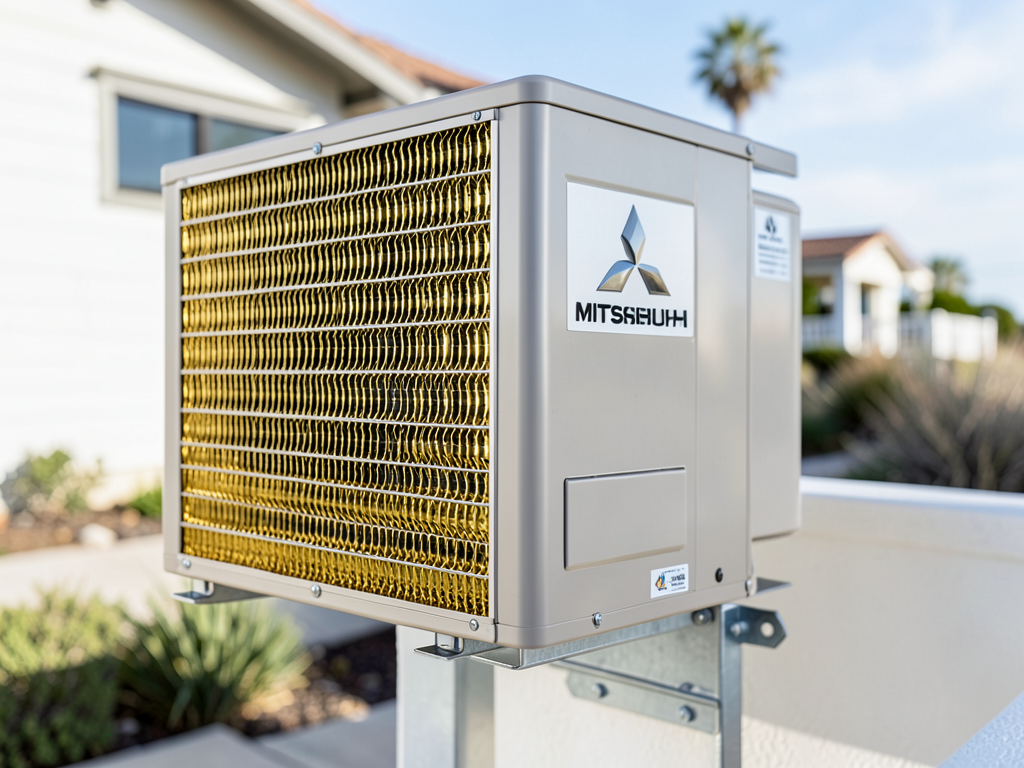
Mitsubishi vs Fujitsu — Which Ductless Brand Is Best for the Encinitas Climate? Encinitas homeowners face a unique challenge. The coastal marine layer brings steady humidity while mild winters mean heat pumps must work efficiently…

Do Smart Vents Actually Help Fix Cold Spots in Large Rancho Bernardo Houses? \n Smart…

Your thermostat controls your entire HVAC system but where you mount it can make the…
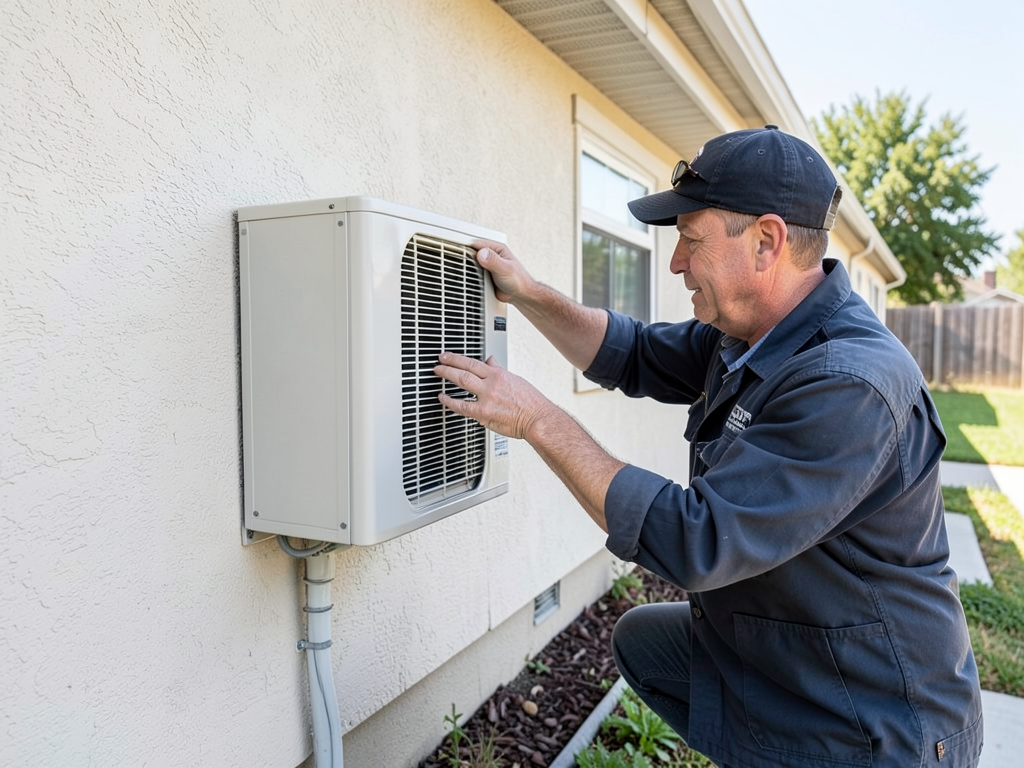
Choosing the Right HVAC Setup for a New Detached ADU in Chula Vista Building a…
Your comfort matters. When your air conditioner fails or your heater quits working, call Elite HVAC San Diego at (619) 304-5777 for immediate service. We dispatch technicians to National City locations today with parts ready to fix your problem. Stop suffering in a hot house or cold building. Get reliable repair service now.