




Menu

Outdoor Unit Not Spinning in San Diego – Expert Diagnosis and Same-Day Repair

When your air conditioner outdoor fan stops running, our technicians diagnose the exact cause, whether it's a failed capacitor, seized motor, or electrical issue, and restore cooling fast for San Diego homes.

Slider Image 1
Slider Image 2
Slider Image 3
Slider Image 4
Slider Image 5
Slider Image 7
Slider Image 8
Slider Image 9
Slider Image 10
Slider Image 11

Why Your Outside AC Fan Stopped Working in San Diego's Coastal Climate

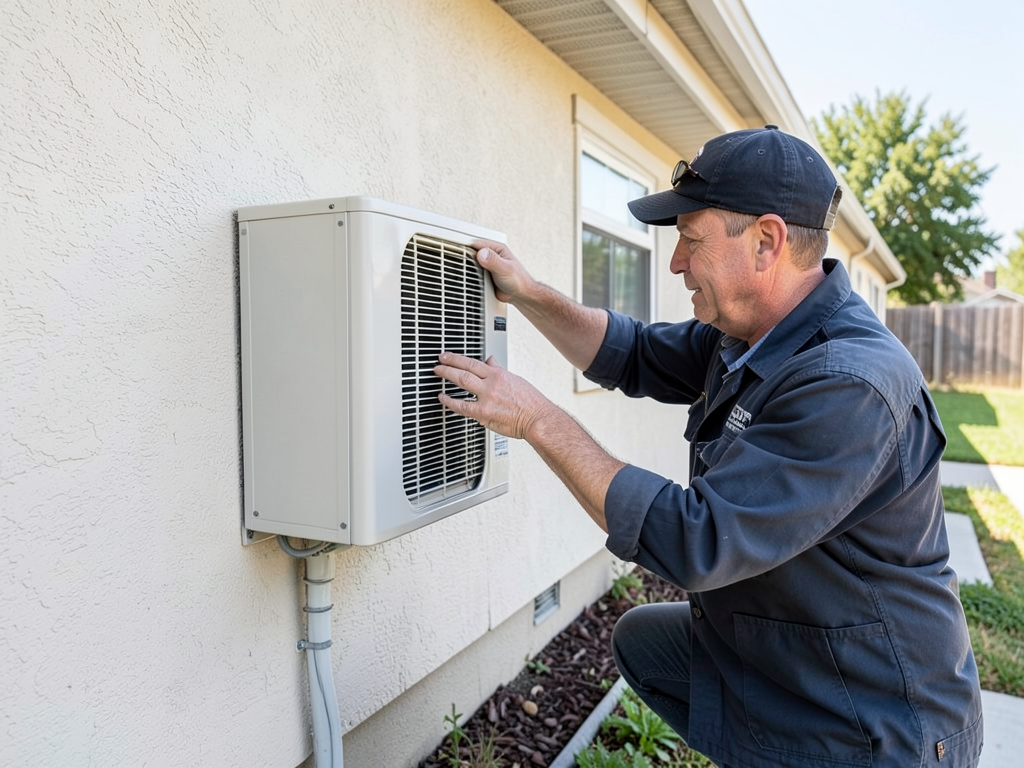
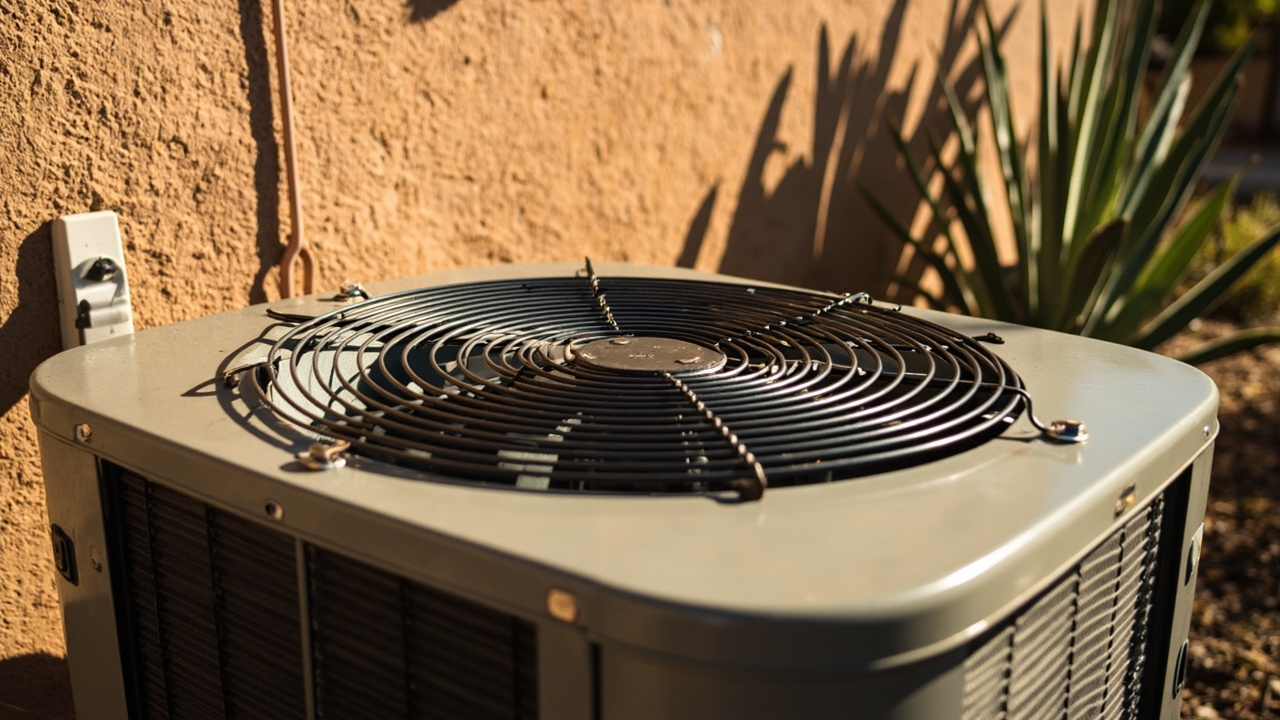
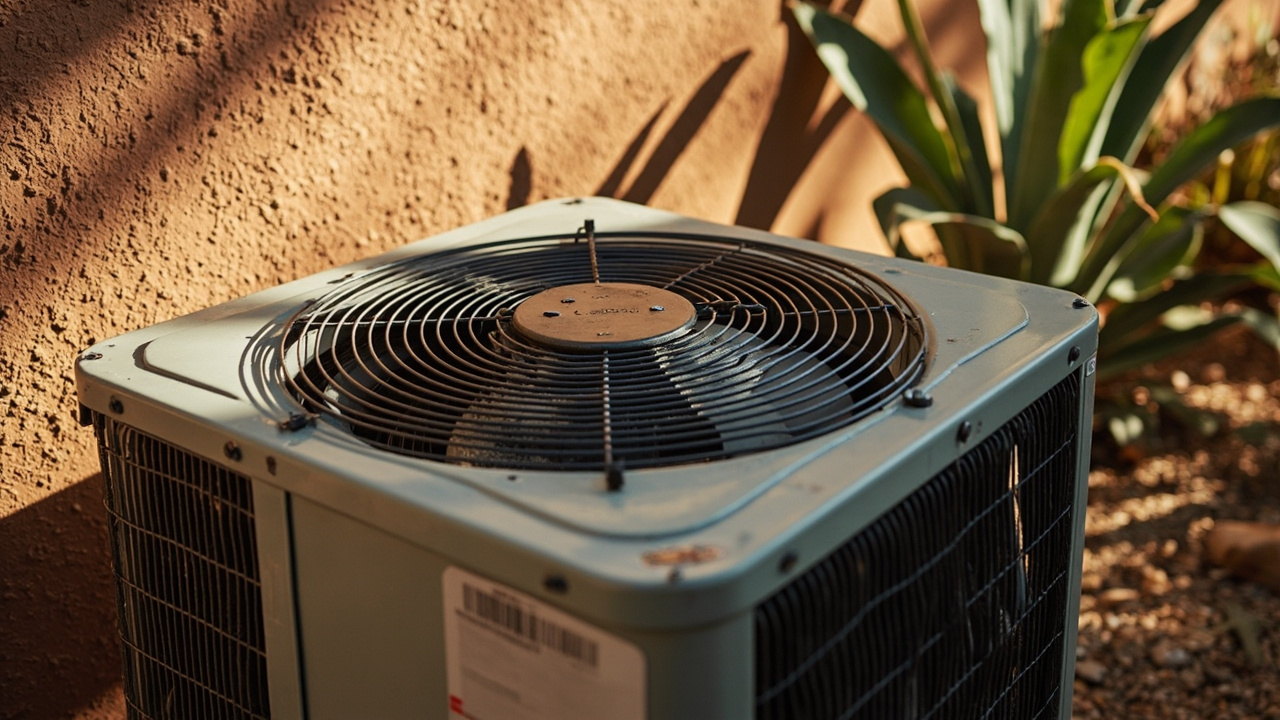
You walk outside and notice the condenser unit is silent. The compressor hums, but the outside AC fan is not turning. Your home heats up fast, and you know something is wrong.

San Diego's salt-laden coastal air accelerates corrosion on condenser fan motors and capacitors. The mild climate means your AC runs year-round, without the seasonal rest that units get in colder regions. This constant cycling wears down motor bearings and weakens start capacitors faster than in areas with true winters.

When the condenser fan not spinning, your compressor overheats. The refrigerant cannot release heat. Pressures spike. The compressor cycles off on thermal overload, and your system shuts down to prevent permanent damage.

Common causes include a failed run capacitor, which stores the electrical charge needed to spin the motor. A seized fan motor, where the bearings lock up from corrosion or debris. A blown contactor, preventing power from reaching the motor. Or a tripped safety limit switch, shutting down the fan to prevent a fire hazard.

The air conditioner outdoor fan not running is not a minor issue. Every minute the compressor runs without airflow over the coil, it risks thermal damage. The refrigerant superheats. The compressor works harder, drawing more amperage. Utility bills climb. Component life shortens.

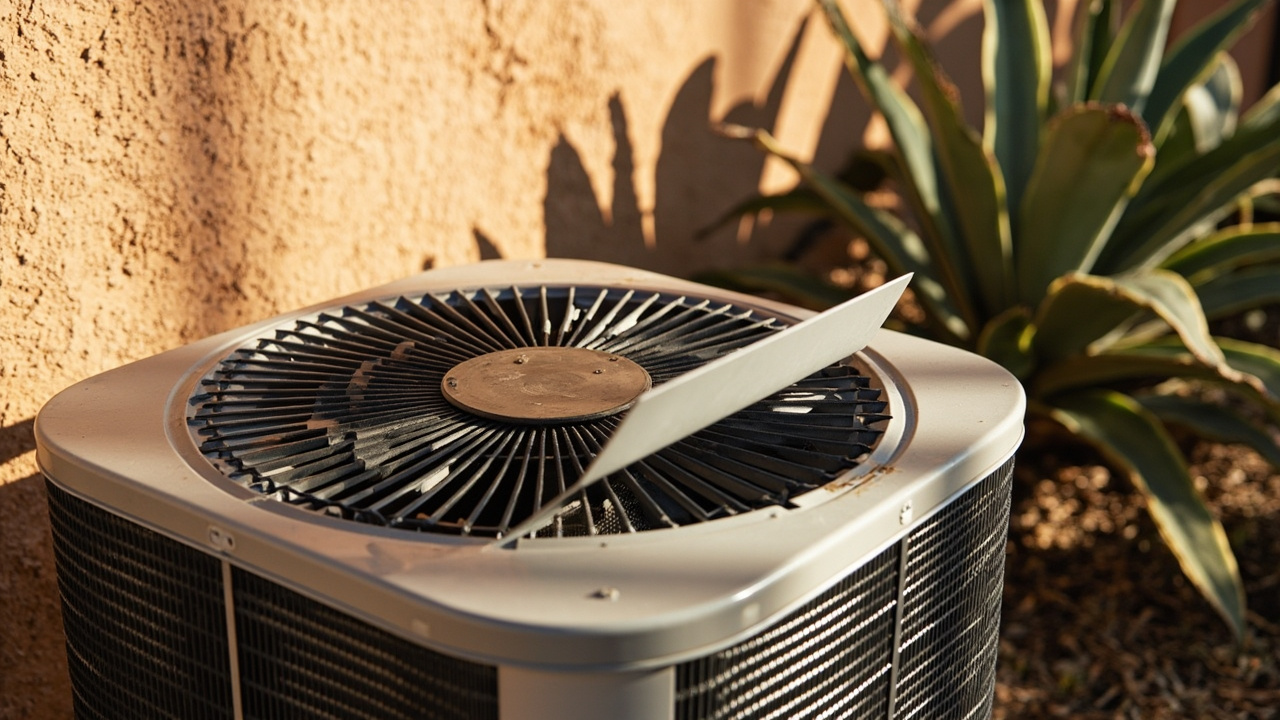
Homeowners often try spinning the blade by hand with a stick. If the motor hums and the blade spins freely when pushed, the capacitor is likely dead. If the blade resists or the motor is silent, the motor itself has failed. Either way, you need a professional repair, not a temporary workaround.

San Diego's proximity to the ocean, combined with landscaping debris like palm fronds and eucalyptus leaves, creates a hostile environment for outdoor units. Regular maintenance prevents most failures, but when the AC condenser fan not working, the damage is already happening.

Why Your Outside AC Fan Stopped Working in San Diego's Coastal Climate
How We Fix a Condenser Fan That Stopped Spinning

How We Fix a Condenser Fan That Stopped Spinning

We do not guess. We test. Our technicians arrive with multimeters, clamp meters, and manufacturer-specific diagnostic tools. The first step is confirming power delivery to the contactor. If 240 volts reach the contactor but the fan motor receives nothing, the contactor is welded or burned.

Next, we test the run capacitor with a capacitance meter. A dual-run capacitor serves both the compressor and the fan motor. If the fan section reads below tolerance, the capacitor cannot store enough charge to start the motor. We measure in microfarads, comparing the actual reading to the nameplate rating. A 5 percent variance is acceptable. Anything beyond that, and we replace the capacitor.

If the capacitor tests good, we check the motor windings. We disconnect the wires and test resistance between the common, run, and start terminals. Infinite resistance means an open winding. Zero resistance means a shorted winding. Both require motor replacement.

We inspect the fan blade for balance and damage. A bent blade creates drag, overloading the motor. We check the set screw securing the blade to the motor shaft. A loose blade wobbles, causing vibration that destroys bearings.

We verify the thermal overload switch inside the motor. This bimetallic switch opens when the motor overheats, cutting power to prevent a fire. If it trips repeatedly, the motor is drawing excessive current due to a mechanical or electrical fault.

San Diego's marine air corrodes electrical terminals. We clean and tighten every connection at the contactor, capacitor, and motor. A loose wire creates resistance, generating heat and voltage drop. The motor starves for power and fails to start.

We test amperage under load. The motor should draw within 10 percent of its rated full-load amperage. Higher draw indicates a failing motor or mechanical binding. Lower draw suggests a capacitor issue or weak power supply.

Elite HVAC San Diego replaces components with exact OEM matches. We do not use universal capacitors or generic motors. We match the horsepower, voltage, rotation speed, and shaft diameter to the original specifications.

What Happens When You Call About a Dead Condenser Fan

Outdoor Unit Not Spinning in San Diego – Expert Diagnosis and Same-Day Repair
01

Electrical System Testing

We verify voltage at the disconnect, contactor, and capacitor terminals. Using a clamp meter, we measure current draw on both legs of the 240-volt circuit. We test the contactor coil for proper engagement and inspect contacts for pitting or welding. This confirms whether the problem is power delivery or component failure.
02

Motor and Capacitor Diagnosis

We disconnect the motor and test winding resistance with a digital multimeter. We test the run capacitor under load, measuring its ability to hold and release charge. We manually rotate the fan blade to check for bearing seizure or mechanical binding. This isolates whether the motor, capacitor, or both need replacement.
03

Component Replacement and Testing

We install OEM-matched parts and restore power. We monitor motor amperage during startup and continuous operation, ensuring current draw stays within nameplate specifications. We verify proper fan rotation, airflow across the condenser coil, and stable refrigerant pressures. Your system cools immediately, and we confirm no secondary damage occurred during the failure.

Why San Diego Homeowners Trust Us for Outdoor Unit Repairs

San Diego's coastal neighborhoods, from La Jolla to Imperial Beach, experience accelerated AC wear due to salt exposure. We understand how marine air attacks condenser coils, corrodes electrical connections, and degrades motor insulation. We stock parts that resist corrosion and specify coatings that extend component life in coastal zones.

Our technicians train on the specific brands common to San Diego homes. Carrier, Trane, Lennox, Rheem, and Goodman units dominate the local market, and each has unique motor mounting systems, capacitor configurations, and diagnostic procedures. We do not waste time learning your system on the job. We know it before we arrive.

We carry inventory for same-day repairs. When your outside AC fan not turning, you cannot wait three days for a part to ship. We stock run capacitors in every common microfarad rating, condenser fan motors in fractional and full horsepower sizes, and contactors for residential and light commercial units. Most repairs finish in one visit.

San Diego's lack of building basements and prevalence of slab foundations means your condenser unit sits at ground level, exposed to landscape irrigation, sprinkler overspray, and debris. We inspect for water intrusion into the motor housing and electrical compartment. We verify proper drainage around the pad and recommend grading corrections if needed.

We do not upsell. If your motor can be saved with a capacitor replacement, we tell you. If the motor is on its last legs and will fail again in six months, we tell you that too. Our reputation in communities like North Park, Mission Valley, and Chula Vista depends on honest assessments and repairs that last.

Elite HVAC San Diego understands the urgency of a failed condenser fan. A single day without cooling in a San Diego summer can damage electronics, spoil food, and create health risks for elderly residents or young children. We prioritize these calls and dispatch technicians within hours, not days.

We clean your condenser coil during every fan motor replacement. A clogged coil caused the motor to work harder and may have contributed to its failure. We straighten bent fins, flush the coil with coil cleaner, and restore full airflow. This maximizes efficiency and prevents premature failure of the new motor.

What You Can Expect During a Condenser Fan Repair

Response Time and Availability

We dispatch a technician within four hours for most calls. We understand that an outdoor unit fan stopped means your home is heating up fast. Our trucks stock the most common failure parts, so we complete most repairs the same day. We do not schedule callbacks for basic capacitor or motor replacements. You get cooling restored in one visit, and we do not leave until we verify stable operation and proper amperage draw.

Diagnostic Process and Communication

Our technician explains what failed and why. We show you the faulty capacitor or seized motor. We measure and document the electrical readings that led to our diagnosis. You understand what broke, what we are replacing, and what caused the failure. We discuss whether other components are at risk and recommend preventive actions. You make informed decisions, and we execute the repair with precision and speed.

Quality of the Repair

We install OEM or OEM-equivalent parts that match your system's specifications. We torque electrical connections to manufacturer standards, apply dielectric grease to prevent corrosion, and secure components to prevent vibration damage. We test the system under load, monitoring amperage, voltage, and refrigerant pressures. Your condenser fan spins smoothly, quietly, and efficiently. The repair meets factory standards, and your system operates as designed.

Maintenance Recommendations and Follow-Up

After the repair, we recommend a maintenance schedule to prevent future failures. Capacitors degrade with time and heat. Motors wear from continuous operation. We offer tune-up services that include capacitor testing, motor bearing lubrication, and coil cleaning. These services extend component life and catch problems before they cause breakdowns. We follow up to confirm your system is still running properly and answer any questions about performance or efficiency.

Frequently Asked Questions

You Have Questions,
We Have Answers

Why is my outside unit not spinning? +

Your outside unit fan stops spinning because of failed capacitors, burned-out motors, or tripped breakers. In San Diego's coastal zones, salt air corrodes electrical connections and degrades capacitor terminals faster than inland areas. Dirt buildup from canyon winds clogs the motor, causing overheating. A frozen compressor or blown contactor prevents the fan from engaging. If the compressor runs but the fan stays still, the motor likely failed. San Diego's year-round cooling demand means your system works harder than most climates. Turn off your AC immediately to prevent compressor damage and call a licensed technician to diagnose the exact failure point.

What is the problem if the fan is not spinning? +

A non-spinning fan signals motor failure, capacitor breakdown, or wiring damage. The fan motor pulls hot air from your condenser coils. When it stops, your compressor overheats and shuts down to protect itself. Bad capacitors cannot deliver the electrical charge needed to start the motor. Loose wiring from vibration or rodent damage cuts power to the fan assembly. In San Diego's dusty conditions, especially near construction zones in North Park or Mission Valley, debris clogs fan blades and strains the motor bearings. The problem worsens fast. Operating your system with a dead fan destroys the compressor within hours.

Why is my AC unit making a sound but not spinning? +

Your AC makes noise but the fan stays still because the compressor runs while the fan motor failed. You hear the compressor humming or buzzing as refrigerant circulates, but without airflow, the system cannot release heat. A seized fan motor produces grinding sounds. A failed start capacitor causes clicking as the contactor tries to engage. In San Diego's dry inland areas like Santee or Poway, dust infiltrates the motor housing and locks up bearings. Coastal humidity corrodes motor windings in areas like Ocean Beach. That sound is your system struggling. Shut it down before the compressor burns out from overheating.

How to fix AC unit outside fan not working? +

Turn off your AC at the thermostat and breaker first. Check the breaker panel for tripped switches. Inspect the disconnect box near your outdoor unit for blown fuses. Clear debris from fan blades and surrounding cabinet. Try manually spinning the fan blades with a stick. If they turn freely but won't start, the capacitor or motor failed. You need a technician with a multimeter to test voltage and capacitance. San Diego building codes require licensed contractors for electrical repairs. Attempting DIY fixes on high-voltage components risks electrocution and voids equipment warranties. Professional diagnosis prevents misdiagnosis and wasted money on wrong parts.

Should I turn off my AC if the fan isn't spinning? +

Yes. Turn off your AC immediately if the fan stops spinning. Running your system without fan operation causes compressor overheating within 30 minutes. The compressor is the most expensive component to replace. San Diego's hot inland temperatures in El Cajon or Ramona accelerate overheating damage. Your condenser coils cannot release heat without airflow, causing refrigerant pressure to spike. High pressure trips safety switches or ruptures refrigerant lines. Continuing operation guarantees a total system failure instead of a simple fan motor replacement. Shut down at the thermostat, then flip the breaker. Call a technician before attempting a restart.

How do you reset your outside AC unit? +

Turn off your thermostat first. Locate the outdoor disconnect box near your condenser unit and switch it off. Wait five minutes for capacitors to discharge. Flip the disconnect back on, then restore power at the main breaker panel. Wait another five minutes before turning on your thermostat. This allows the compressor oil to settle and pressure to equalize. In San Diego's grid, power surges from summer demand spikes cause control board glitches that require resets. If your fan still does not spin after resetting, you have a hardware failure that needs professional repair. Repeated resets without fixing the root cause damage your compressor.

How San Diego's Year-Round AC Operation Accelerates Condenser Fan Failures

San Diego's mild Mediterranean climate means your air conditioner runs every month of the year. Unlike Phoenix, where extreme heat forces seasonal maintenance, or Denver, where units sit idle for six months, San Diego systems never rest. The condenser fan motor accumulates thousands of additional runtime hours compared to units in climates with true winters. Capacitors degrade faster under constant electrical stress. Bearings wear down without seasonal breaks. Salt from the Pacific corrodes motor windings and electrical terminals, creating resistance and heat. This combination makes condenser fan failures more common here than in inland cities.

Elite HVAC San Diego understands the specific failure patterns of coastal AC systems. We see the effects of marine air every day in neighborhoods from Point Loma to Carlsbad. We stock corrosion-resistant capacitors and motors designed for high-salinity environments. Our diagnostic process accounts for the accelerated wear caused by continuous operation and environmental factors unique to San Diego. Choosing a local provider who understands these conditions means faster diagnosis, accurate repairs, and recommendations that actually prevent future breakdowns.


HVAC Services in The San Diego Area

Located in the heart of Phoenix, Horizon proudly serves the entire metro area with responsive HVAC services you can trust. Our team is strategically based for fast dispatch across neighborhoods, business districts, and surrounding communities. Whether you’re in need of a quick repair or planning a full system upgrade, we’re just a call away. Use the map below to see our coverage zone or visit our office for a consultation. We’re local, experienced, and ready to help, wherever you are.

Address:
Elite HVAC San Diego, 10620 Treena St Suite 230, San Diego, CA, 92131

Additional Services We Offer

Our news updates

Latest Articles & News from The Blogs

Do Smart Vents Actually Help Fix Cold Spots in Large Rancho Bernardo Houses? \n Smart vents can reduce hot and…

Do Smart Vents Actually Help Fix Cold Spots in Large Rancho Bernardo Houses?

Do Smart Vents Actually Help Fix Cold Spots in Large Rancho Bernardo Houses? \n Smart vents can reduce hot and…

Why Thermostat Placement Matters More Than You Think in Your Carmel Valley Two Story Home

Your thermostat controls your entire HVAC system but where you mount it can make the difference between consistent comfort and…

Choosing the Right HVAC Setup for a New Detached ADU in Chula Vista

Choosing the Right HVAC Setup for a New Detached ADU in Chula Vista Building a detached accessory dwelling unit in…

Contact Us

Your AC will not fix itself. Every hour the outdoor unit sits idle, your home heats up and your compressor risks damage. Call Elite HVAC San Diego at (619) 304-5777 now for same-day diagnosis and repair. We restore cooling fast.