






Menu

Excess Dust in Home in San Diego – Expert HVAC Diagnosis Stops the Buildup at the Source

Our technicians pinpoint the hidden HVAC failures causing excess dust in home issues across San Diego neighborhoods, then engineer targeted solutions that restore indoor air quality and stop constant recontamination.

Slider Image 1
Slider Image 2
Slider Image 3
Slider Image 4
Slider Image 5
Slider Image 7
Slider Image 8
Slider Image 9
Slider Image 10
Slider Image 11

Why San Diego Homes Battle Constant Dust Accumulation

You dust your furniture on Monday. By Wednesday, a fresh layer coats every surface. You vacuum daily. The floors still feel gritty. You change filters. The dust keeps coming back.

Excessive house dust in San Diego homes is not a housekeeping failure. It is almost always an HVAC system failure.

San Diego's unique coastal microclimate creates specific conditions that accelerate dust problems. Marine layer moisture interacts with inland dry heat, creating pressure differentials that pull unconditioned air through every crack in your ductwork. When your supply ducts leak in the attic, you are pulling superheated, particle-laden air directly into your living space. When return ducts leak in crawlspaces or walls, you are sucking construction debris, insulation fibers, and settled dust into circulation. Each cooling cycle redistributes this contamination throughout your home.

The heavy dust buildup you see on surfaces is only the visible symptom. The real problem is the constant recirculation of particulate matter too fine to settle quickly. These particles remain airborne for hours, coating lungs before they coat furniture. Families in Clairemont Mesa, Point Loma, and La Jolla report the same pattern: too much dust in home despite aggressive cleaning routines.

The coastal sandstone soil common to San Diego construction sites creates fine silica dust that infiltrates homes during the settling period. Older neighborhoods with mature landscaping face pollen infiltration from eucalyptus and palm species. New construction developments deal with drywall dust embedded in duct interiors during installation.

Your HVAC system is either filtering this material out or pumping it through your home. Most systems in San Diego do the latter.

Why San Diego Homes Battle Constant Dust Accumulation
How We Stop Dust Recirculation in San Diego HVAC Systems

How We Stop Dust Recirculation in San Diego HVAC Systems

Generic duct cleaning does not solve unusually dusty home problems. You need diagnostic testing to locate the actual points of failure.

We use a calibrated duct pressure testing protocol to measure total system leakage. This quantifies exactly how much unconditioned air your system is pulling into circulation. In San Diego homes, we routinely find 25 to 40 percent leakage rates in systems less than ten years old. Every 10 percent of leakage represents hundreds of cubic feet per minute of contaminated air bypassing your filtration.

Next, we perform a room-by-room pressure balance test. This identifies negative pressure zones where return air is being pulled from wall cavities, attics, or crawlspaces instead of from the living space. These negative pressure rooms become dust magnets because they constantly draw unfiltered air from hidden sources.

We inspect filter housing for bypass gaps. If your filter frame does not seal tightly against the return plenum, unfiltered air simply flows around the media. This bypass air carries the highest particulate load because it takes the path of least resistance.

We evaluate your filter media against your actual Indoor Air Quality needs. Standard fiberglass filters capture only large particles above 10 microns. The dust that coats your furniture measures 2 to 5 microns. You need a minimum MERV 11 pleated media to capture this size range without restricting airflow. If your system cannot handle the static pressure increase from higher MERV filters, we calculate the blower and duct modifications needed to support proper filtration.

Elite HVAC San Diego technicians then seal all identified leakage points using mastic sealant and mechanical fasteners. We verify repair effectiveness with post-seal pressure testing. This is not guesswork. You get measurable improvement documented in your service report.

What Happens During Your Dust Source Investigation

Excess Dust in Home in San Diego – Expert HVAC Diagnosis Stops the Buildup at the Source
01

System Diagnostics and Testing

Our technician connects a calibrated duct blaster to your system and pressurizes the ductwork to measure total leakage. We document baseline readings, then use a digital manometer to test static pressure at supply registers and return grilles. This identifies restriction points and confirms blower performance. You receive a printed diagnostic report showing exactly where your system is failing before any work begins.
02

Targeted Sealing and Filtration

We access leakage points in attics, crawlspaces, and mechanical closets to apply mastic sealant and foil-backed tape to all joints and penetrations. Disconnected or damaged flex duct sections are replaced. We install a properly sized filter housing with gasketed doors to eliminate bypass. If your current filter media is inadequate, we recommend the highest MERV rating your blower can support without exceeding manufacturer static pressure limits.
03

Verification and Maintenance Planning

After repairs, we retest total system leakage and document the reduction. Most San Diego homes see leakage drop from 30 percent to under 8 percent, meeting California Title 24 standards. We explain your new filter replacement schedule based on actual runtime data and local particulate load. You leave with a clear maintenance plan that prevents dust problems from returning and extends the life of your HVAC equipment.

Why San Diego Homeowners Choose Local HVAC Expertise

National chains follow standardized service checklists that ignore regional variables. They send techs who have never worked in San Diego's coastal climate and do not understand how marine layer humidity interacts with your cooling system.

Elite HVAC San Diego technicians work exclusively in this microclimate. We know that homes in Ocean Beach and Pacific Beach face different dust sources than properties in Alpine or Poway. Coastal homes deal with salt air corrosion on ductwork that creates pinhole leaks invisible during visual inspection. Inland homes face thermal expansion and contraction cycles that separate duct joints over time. Older neighborhoods with original 1970s ductwork often have asbestos-wrapped plenums that cannot be disturbed without abatement, requiring creative sealing solutions.

We understand California Title 24 energy code requirements for duct leakage in existing homes. When your system exceeds allowable leakage thresholds, we know exactly how to bring it into compliance without triggering full system replacement requirements. This saves you thousands compared to providers who default to worst-case recommendations.

Our diagnostic approach is rooted in building science, not sales quotas. We measure actual performance, then engineer solutions based on your home's specific construction and your budget constraints. If your dust problem stems from a failed return air pathway, we will not sell you a whole-house air purifier. We fix the root cause.

San Diego's housing stock includes everything from 1920s Craftsman bungalows to 2020s zero-energy homes. Each construction type requires different diagnostic tools and repair techniques. A historic home in North Park has plaster walls that make running new return ducts expensive and invasive. A new build in Otay Ranch might have undersized return grilles that create negative pressure. We adapt our solutions to your home's reality, not a national service template.

What to Expect When We Solve Your Dust Problem

Diagnostic Appointment and Timeline

We schedule a two-hour diagnostic visit to your San Diego home. Our technician arrives with duct testing equipment, inspection cameras, and manometers. You receive a written diagnostic report the same day showing measured leakage rates, identified failure points, and recommended repairs with scope of work. Most repairs are completed within three to five business days depending on attic access and material availability. If your dust problem requires only filter upgrades and minor sealing, we often complete the work during the initial visit. You see measurable dust reduction within 48 hours as your system stops pulling contaminated air into circulation.

The Diagnostic Process We Follow

Your diagnostic appointment starts with a walkthrough where you show us the rooms with the worst dust accumulation. We inspect your current filter and check the housing for bypass gaps. Then we perform duct pressure testing, static pressure measurement, and blower performance verification. Our technician accesses your attic or crawlspace to inspect ductwork for disconnections, damage, and leakage at joints. We use a borescope camera to inspect interior duct surfaces for debris accumulation. You are present during the entire process and see exactly what we find. No hidden attic work. No surprise recommendations. Just transparent diagnostics and engineering-based solutions.

The Results You Can Measure

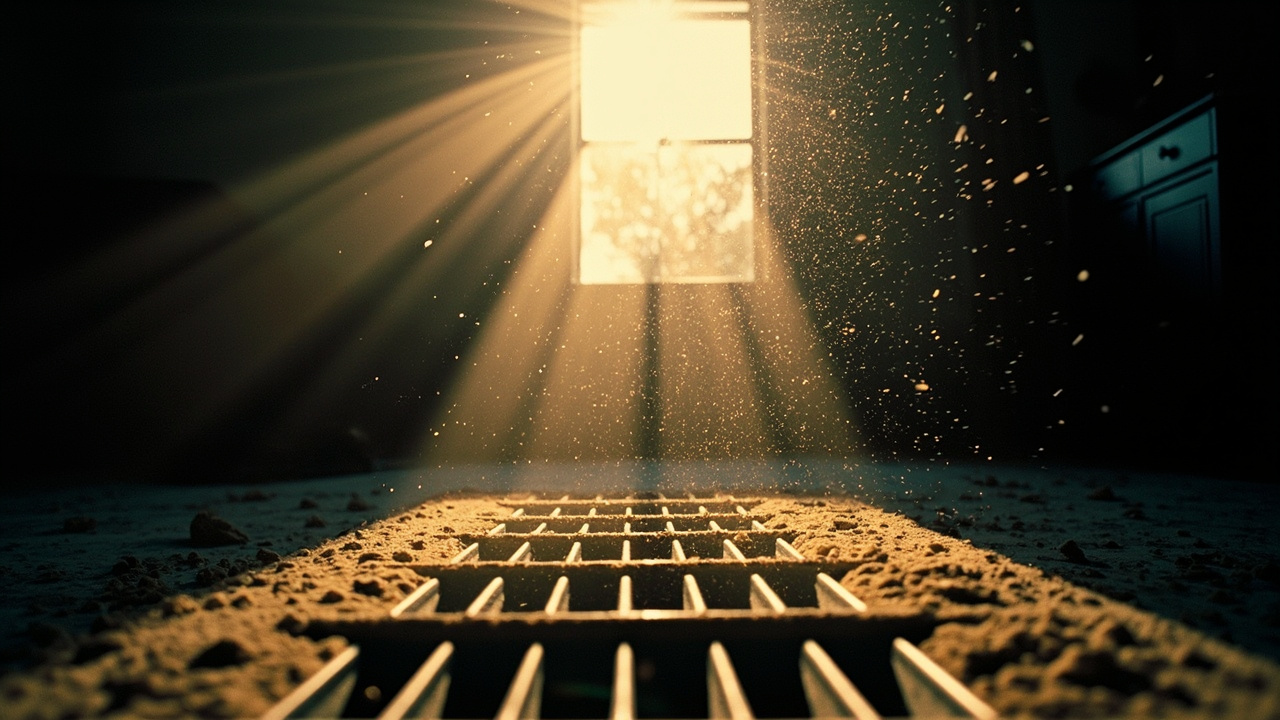
After we complete duct sealing and filtration upgrades, you will notice dust accumulation slowing within two days. Surfaces that required daily dusting will stay clean for a week or more. Airborne dust visible in sunlight streaming through windows will decrease noticeably. You will also see secondary benefits like reduced cooling costs, more consistent room temperatures, and less outdoor noise infiltration through sealed ducts. Your HVAC system will run shorter cycles because it is no longer fighting leakage losses. We provide before-and-after leakage test results so you can see the measured improvement in system performance. Most San Diego homes see dust complaints drop by 70 to 90 percent after proper duct sealing.

Ongoing Maintenance and System Protection

We provide a customized filter replacement schedule based on your system's runtime, local pollen counts, and particulate load. Most San Diego homes need filter changes every 60 to 90 days, but high-occupancy homes or properties near construction zones may require monthly changes. We offer a preventive maintenance plan that includes annual duct inspections, filter delivery, and system performance testing to ensure your dust problem does not return. Our maintenance visits catch small seal failures before they become major leakage problems. You also receive priority scheduling and discounted rates on any future repairs. This proactive approach protects your Indoor Air Quality investment and prevents the dust recirculation pattern from restarting.

Frequently Asked Questions

You Have Questions,
We Have Answers

What causes so much dust in my house? +

Excess dust comes from multiple sources. Poor air filtration allows particles to recirculate through your HVAC system. Leaky ductwork pulls in attic dust and contaminants. San Diego's dry climate and coastal air bring in outdoor particles through gaps around windows and doors. Dirty or low-quality furnace filters fail to trap particles. Construction nearby, pet dander, dead skin cells, and fabric fibers add to the problem. If your home feels dusty within days of cleaning, your HVAC system may need inspection. Old ducts or an undersized filter can overwhelm your system's ability to capture airborne particles.

How do I stop my house from getting so dusty? +

Start by upgrading your furnace filter to a MERV 11 or higher rated option. Change it every 30 to 60 days, not every 90. Seal gaps around windows and doors to prevent outdoor dust intrusion. In San Diego's dry months, run a humidifier to prevent particles from becoming airborne. Vacuum twice weekly using a HEPA filter vacuum. Wash bedding weekly in hot water. Minimize clutter and fabric surfaces that trap dust. Check your HVAC system for duct leaks, which pull in attic dust. Regular system maintenance ensures proper airflow and filtration.

Do air purifiers actually reduce dust? +

Yes, quality air purifiers with true HEPA filters remove up to 99.97% of airborne particles as small as 0.3 microns. They capture dust, pollen, mold spores, and pet dander before particles settle on surfaces. Place them in high-traffic rooms like bedrooms and living areas. Air purifiers work best when paired with regular filter changes in your HVAC system. They supplement, not replace, your home's central air filtration. In San Diego homes near construction zones or coastal areas with higher particulate counts, portable units provide noticeable improvement within 24 to 48 hours of continuous operation.

Is it unhealthy to live in a dusty house? +

Yes. Chronic dust exposure triggers allergies, asthma attacks, and respiratory irritation. Dust contains allergens like pollen, mold spores, dust mites, and pet dander. Fine particles penetrate deep into lungs, causing inflammation and breathing difficulty. Children and elderly individuals face higher risk. In San Diego's dry climate, airborne dust levels spike during Santa Ana wind conditions, worsening symptoms. Long-term exposure to dust harboring mold or chemical residues from building materials increases health risks. If you notice persistent coughing, itchy eyes, or congestion that improves when you leave home, dust contamination requires immediate attention.

What is grandma's simple trick to eliminate dust? +

Use a damp microfiber cloth instead of dry dusting. Dry cloths push particles into the air where they resettle minutes later. A slightly damp cloth traps dust through static attraction and moisture. Start from the top of the room and work downward so falling particles get captured on lower surfaces. Microfiber's dense weave grabs particles better than cotton or feather dusters. Rinse the cloth frequently to prevent spreading dust around. This method cuts dusting frequency in half because particles stay captured instead of recirculating. Pair this with frequent vacuuming for maximum effectiveness.

Will cleaning my air ducts make my house less dusty? +

Potentially, but only if ducts are genuinely dirty. Most San Diego homes do not need duct cleaning unless you see visible mold, vermin droppings, or thick dust buildup at vents. Duct cleaning helps after remodels, water damage, or if you bought an older home. However, leaky ducts cause more dust problems than dirty ones. Gaps pull in attic insulation fibers and particles. Before paying for duct cleaning, have a technician inspect for leaks and seal them. Replace your furnace filter first. If dust persists after these steps, duct cleaning may provide benefit.

What absorbs dust in the house? +

Microfiber cloths, HEPA vacuum filters, and furnace filters with MERV ratings above 8 physically trap dust particles. Air purifiers with activated carbon and HEPA filters pull particles from the air. Houseplants like spider plants and peace lilies absorb some airborne particles, though their impact is minimal compared to mechanical filtration. Your HVAC system is the primary dust absorber when properly maintained. In San Diego homes, running the fan on "auto" rather than "on" prevents constant air circulation that stirs up settled dust. Focus on mechanical filtration rather than passive absorption for real results.

What is the golden rule of dusting? +

Dust from top to bottom and left to right. Gravity pulls dislodged particles downward. If you dust low surfaces first, falling particles from upper shelves and ceiling fans contaminate areas you already cleaned. Start with ceiling fans, light fixtures, and top shelves. Work your way down to tables, then baseboards. Finish by vacuuming or mopping floors to capture everything that fell. Use this sequence every time. San Diego's dry air keeps dust airborne longer, so wait 15 minutes after dusting high surfaces before cleaning lower ones to let particles settle completely.

Does opening a window reduce dust? +

It depends on outdoor conditions. On calm days with good air quality, opening windows can dilute indoor pollutants and reduce stuffiness. However, San Diego's coastal areas and neighborhoods near freeways introduce pollen, vehicle exhaust particles, and salt air. During Santa Ana wind events, opening windows invites dust storms inside. Check air quality indexes before opening windows. If outdoor air quality is poor or winds are high, keep windows closed and rely on your HVAC filtration. Cross-ventilation works best early morning when outdoor particle counts are lowest and air is still.

Is there a downside to air purifiers? +

Air purifiers require ongoing maintenance. HEPA filters need replacement every 6 to 12 months, costing $30 to $100 depending on the model. Some units produce trace ozone, which irritates lungs, so avoid ionizers or ozone generators. Air purifiers consume electricity continuously, adding $5 to $15 monthly to utility bills. They only clean air in the room where they operate, not your entire home. Oversized units create noise that disrupts sleep. In San Diego's moderate climate, air purifiers work best as supplements to proper HVAC maintenance, not replacements for system-level filtration improvements.

How San Diego's Coastal Climate Accelerates HVAC Dust Problems

San Diego's marine layer creates a unique challenge for HVAC systems. Overnight moisture condenses inside ductwork when warm inland air meets cool coastal air masses. This condensation causes dust particles to clump and adhere to duct interiors, creating a sticky coating that accumulates over months and years. When your air handler cycles on during the day, this dried particulate matter breaks loose and enters your airstream. Homes within five miles of the coast face this cycle daily. The constant dust in house complaints we hear from Point Loma, La Jolla, and Ocean Beach residents stem directly from this humidity cycling. Proper duct sealing and filtration stop this moisture infiltration and prevent the adhesion cycle that creates heavy dust buildup on interior duct surfaces.

California's Title 24 energy code requires duct leakage testing during major HVAC replacements, but most existing systems were installed before these standards took effect. Elite HVAC San Diego technicians are trained in the specific testing protocols required for compliance verification. We understand San Diego County's building department inspection requirements and can provide the documentation needed if you are refinancing or selling your home. Our familiarity with local construction practices means we know the common failure points in homes built during specific decades. Properties built in the 1980s and 1990s often have flex duct installed without proper support, leading to sagging and disconnection. This local expertise saves you time and prevents the trial-and-error approach used by out-of-area providers.


HVAC Services in The San Diego Area

Located in the heart of Phoenix, Horizon proudly serves the entire metro area with responsive HVAC services you can trust. Our team is strategically based for fast dispatch across neighborhoods, business districts, and surrounding communities. Whether you’re in need of a quick repair or planning a full system upgrade, we’re just a call away. Use the map below to see our coverage zone or visit our office for a consultation. We’re local, experienced, and ready to help, wherever you are.

Address:
Elite HVAC San Diego, 10620 Treena St Suite 230, San Diego, CA, 92131

Additional Services We Offer

Our news updates

Latest Articles & News from The Blogs

Why AC Unit Placement Matters in Burlingame Proper placement of your outdoor AC unit directly impacts its efficiency lifespan and…

How to Hide Your Outdoor AC Unit Without Overheating It in Burlingame

Why AC Unit Placement Matters in Burlingame Proper placement of your outdoor AC unit directly impacts its efficiency lifespan and…

Why Your San Carlos Home Feels Stuffy Even When the Fans Are On

Why Your San Carlos Home Feels Stuffy Even When the Fans Are On Your ceiling fans spin but the air…

Why Putting Your Thermostat in the Hallway Is Making Your Miramar Ranch Home Uncomfortable

Why Putting Your Thermostat in the Hallway Is Making Your Miramar Ranch Home Uncomfortable Your thermostat controls the entire HVAC…

Contact Us

Call Elite HVAC San Diego at (619) 304-5777 to schedule your system diagnostic. We identify the exact HVAC failures causing your dust problem and provide engineered solutions that stop recirculation at the source. Same-week appointments available for San Diego County residents.