




Menu

Emergency Carbon Monoxide Leak Detection in San Diego – Same-Day Response, 24/7 Availability

When your CO detector goes off or you suspect a leak, Elite HVAC San Diego dispatches trained technicians immediately for urgent carbon monoxide check and professional CO leak inspection to protect your family from this silent, deadly gas.

Slider Image 1
Slider Image 2
Slider Image 3
Slider Image 4
Slider Image 5
Slider Image 7
Slider Image 8
Slider Image 9
Slider Image 10
Slider Image 11

Carbon Monoxide Leaks in San Diego Homes Happen Without Warning

You cannot see carbon monoxide. You cannot smell it. But when your detector alarm sounds or you experience unexplained headaches, dizziness, or nausea, you are facing a life-threatening emergency.

San Diego's year-round mild climate means many residents run heating systems, water heaters, and furnaces continuously without seasonal shutdowns. This constant use increases wear on heat exchangers, flue pipes, and combustion chambers. A cracked heat exchanger or blocked exhaust vent allows carbon monoxide to seep into living spaces instead of venting safely outside.

Coastal humidity accelerates corrosion on metal components. Salt air from the Pacific degrades vent pipes and exhaust systems faster than inland climates. Older homes in neighborhoods like North Park, Normal Heights, and City Heights often have aging HVAC equipment installed before modern safety standards. These systems may lack proper ventilation or have deteriorated seals.

Emergency carbon monoxide testing requires immediate professional response. If your CO detector activates, evacuate immediately and call for urgent carbon monoxide check service. Even low-level exposure causes cognitive impairment, while high concentrations kill within minutes.

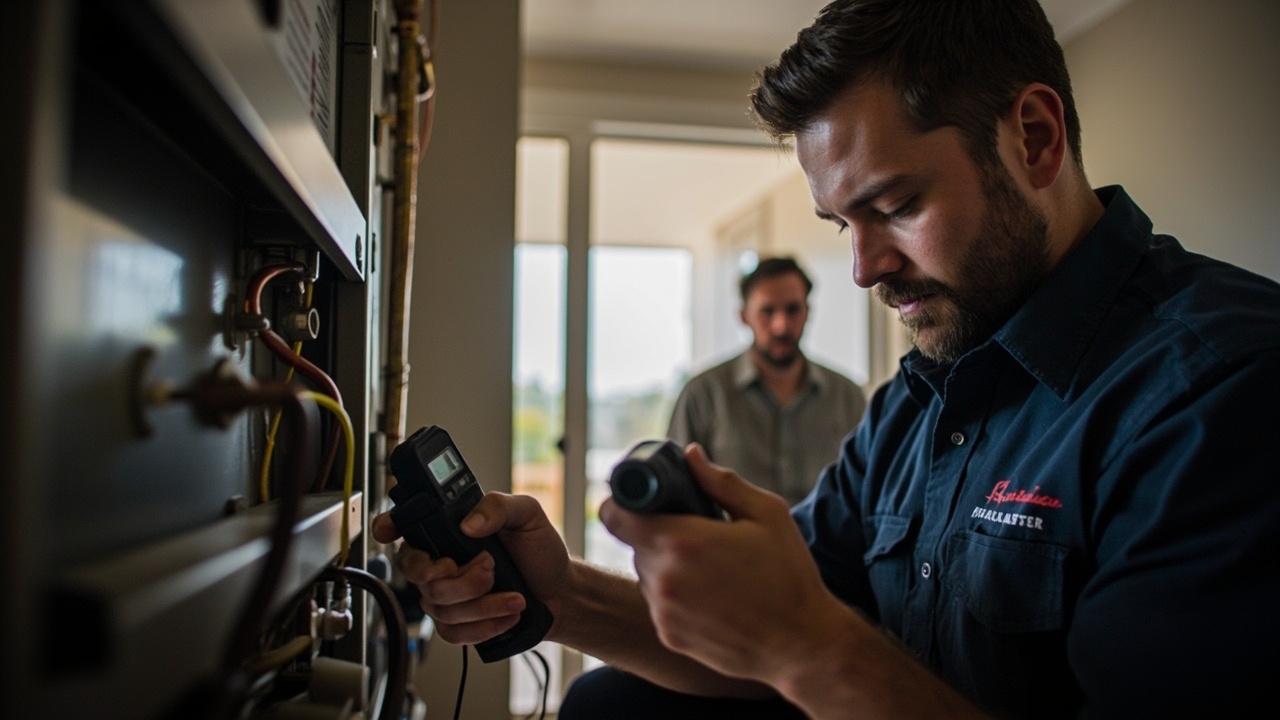
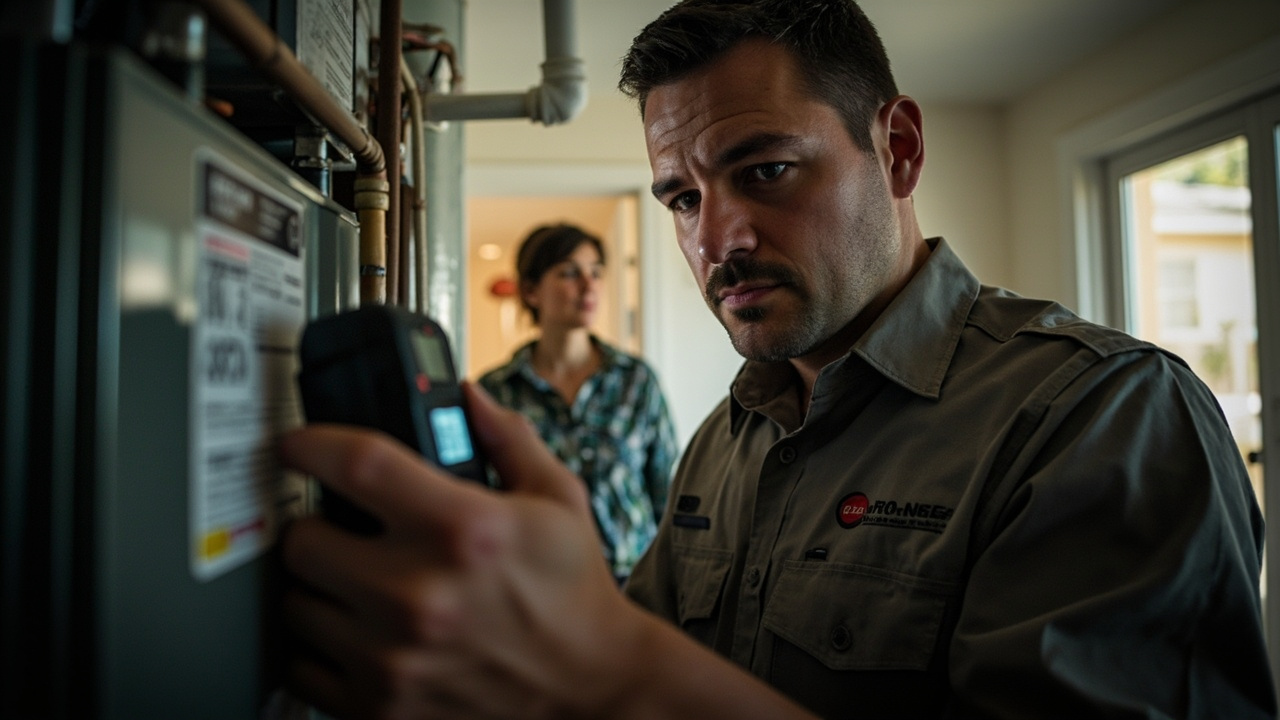
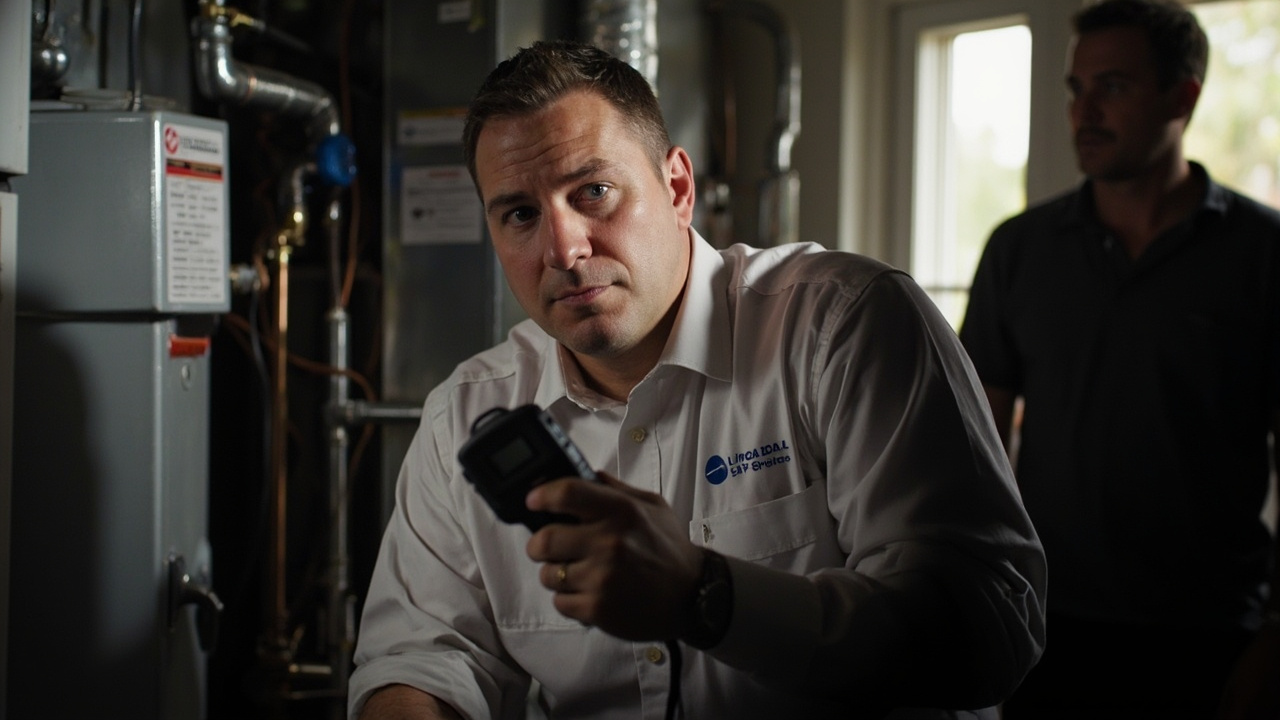
Carbon monoxide leak testing is not a DIY task. Professional CO leak inspection uses calibrated digital analyzers that measure parts per million in ambient air and at potential leak sources. Standard home detectors only alarm at dangerous thresholds. They do not locate the source or measure exposure levels accurately enough for safe diagnosis.

You need CO gas detection service that identifies where the leak originates, measures contamination levels throughout your home, and determines whether your HVAC system, water heater, or other fuel-burning appliance is the culprit.

Carbon Monoxide Leaks in San Diego Homes Happen Without Warning
How Elite HVAC San Diego Performs Carbon Monoxide Leak Detection

How Elite HVAC San Diego Performs Carbon Monoxide Leak Detection

We deploy technicians equipped with professional-grade electrochemical CO sensors that detect concentrations as low as 1 ppm. Consumer detectors typically alarm only at 70 ppm sustained exposure. Our equipment identifies problems before they become fatal.

The inspection starts at all fuel-burning appliances. We test furnace heat exchangers, burner assemblies, and flue gas spillage at the draft hood. A cracked heat exchanger is the most common residential CO source. Hairline cracks invisible to the naked eye leak combustion byproducts directly into air handlers.

We inspect water heater exhaust vents, checking for blockages, disconnected sections, or corrosion. Birds nest in vent terminations. Rust eats through single-wall flue pipes. Either condition forces exhaust gases back into the home instead of outside.

Gas appliances require proper combustion air. We verify adequate supply and return air pathways. Sealed homes without makeup air sources suffocate burners, creating incomplete combustion that produces CO instead of clean exhaust.

Ambient air testing maps CO distribution throughout your home. We measure levels in bedrooms, living areas, and mechanical rooms. This data reveals whether the leak is localized or systemic and helps identify hidden sources like attached garages where vehicles idle.

Draft testing uses smoke pencils and manometers to verify negative pressure in flue systems. Backdrafting occurs when exhaust fans, dryers, or atmospheric conditions reverse airflow and pull combustion gases into living spaces.

After identifying all sources, we provide written documentation of CO levels, failed components, and required repairs. You receive a clear action plan prioritized by safety risk. We can perform emergency repairs immediately or coordinate with other contractors if gas line work or appliance replacement is needed.

What Happens During Your Emergency CO Detection Visit

Emergency Carbon Monoxide Leak Detection in San Diego – Same-Day Response, 24/7 Availability
01

Immediate Safety Assessment

Our technician arrives within hours and immediately tests ambient CO levels in all occupied spaces. If readings exceed safe thresholds, we recommend continued evacuation until repairs are complete. We document baseline contamination before beginning source identification. This establishes exposure risk and creates a safety benchmark for post-repair verification testing.
02

Systematic Source Identification

We inspect every fuel-burning appliance and test flue gas composition at exhaust points. Heat exchangers, burner flames, and draft conditions receive scrutiny. We check gas connections, vent terminations, and combustion air supply. Digital analyzers measure CO concentration at suspected leak points. This methodical approach identifies primary and secondary sources that contribute to dangerous indoor air quality.
03

Verification and Clearance

After repairs or equipment shutdown, we retest all areas to confirm CO levels drop to zero. You receive documentation showing before and after readings. We explain what caused the leak, what we fixed, and how to prevent recurrence. Your home is not safe to reoccupy until testing confirms zeroDetectable CO in all living spaces and proper appliance operation.

Why San Diego Residents Trust Elite HVAC for CO Emergencies

Elite HVAC San Diego maintains emergency response capability 24 hours a day because carbon monoxide does not wait for business hours. Our dispatch system prioritizes CO calls above all other service requests. We understand that minutes matter when your family is at risk.

Our technicians carry professional CO detection equipment in every service vehicle. We do not need to schedule specialized testing or wait for equipment availability. The tools required for thorough emergency carbon monoxide testing arrive with the first responder.

San Diego's building codes and appliance installations differ from inland regions. Coastal climate requires specific venting materials and corrosion-resistant components. We know which HVAC systems are common in different neighborhoods and which failure patterns each exhibits. A furnace in La Jolla faces different environmental stress than equipment in Chula Vista or El Cajon.

We work directly with San Diego Gas and Electric when gas line issues contribute to CO problems. Our established relationships with local building inspectors expedite permit processes when equipment replacement requires code compliance verification.

Many CO emergencies happen in rental properties where tenants lack authority to approve repairs. We communicate with property owners and property managers to secure immediate repair authorization. We understand California landlord-tenant law regarding habitability and can document conditions that require emergency remediation.

You will not receive high-pressure sales tactics during an emergency. We focus on making your home safe first. If your equipment is repairable, we repair it. If replacement is the only safe option, we explain why with data, not scare tactics.

Our goal is source elimination and safety verification, not equipment sales. You receive honest assessment based on actual CO measurements and equipment condition.

What to Expect When You Call Elite HVAC for CO Detection

Emergency Response Time

We dispatch technicians immediately upon receiving CO emergency calls. Response time depends on your location and current call volume, but we prioritize life-safety situations above all scheduled maintenance. Most San Diego metro calls receive response within two to four hours. We provide estimated arrival time when you call and update you if conditions change. Night and weekend emergencies receive the same priority as daytime calls. Our technicians work in shifts to maintain continuous availability.

Comprehensive Testing Protocol

Initial assessment takes 60 to 90 minutes depending on home size and number of fuel-burning appliances. We test ambient air in every room, inspect all gas appliances, and analyze flue gas composition. You receive written documentation of all readings with explanations of what the numbers mean. We photograph failed components and explain repair requirements in plain language. If multiple problems exist, we prioritize them by risk level so you understand what must be fixed immediately versus what can wait.

Safe Resolution and Clearance

We do not leave until your home tests safe or until dangerous equipment is disabled and tagged. If repairs can be completed immediately, we perform them and verify zero CO levels before departure. If parts are required or replacement is necessary, we shut down the source and provide temporary alternatives when possible. You receive written clearance documentation showing your home is safe to occupy. This documentation is important for insurance claims and landlord-tenant disputes.

Follow-Up and Prevention

After emergency repairs, we recommend annual CO testing as part of routine HVAC maintenance. Heat exchanger integrity degrades over time. Regular inspection catches small cracks before they become dangerous. We also educate you on warning signs like yellow burner flames, soot buildup, or increased condensation around appliances. Proper maintenance prevents most CO emergencies. We can schedule seasonal inspections to test equipment before heavy use periods and verify safe operation year-round.

Frequently Asked Questions

You Have Questions,
We Have Answers

How do you know if carbon monoxide is leaking? +

Carbon monoxide is invisible and odorless, so you cannot detect it without equipment. Install carbon monoxide detectors on every floor of your home, especially near bedrooms. Physical symptoms in people and pets are the first warning signs: headaches, dizziness, nausea, confusion, or fatigue that improve when you leave the house. If your detector alarm sounds, evacuate immediately and call 911. In San Diego homes, faulty gas water heaters, furnaces, and improperly vented appliances are common culprits. Never ignore a detector alarm or physical symptoms. Professional HVAC testing is the only way to confirm a leak.

What's the most common household thing to cause a carbon monoxide leak? +

Malfunctioning gas furnaces cause the most carbon monoxide leaks in San Diego homes. Cracked heat exchangers, blocked venting, or improper combustion allow deadly gas to escape into living spaces instead of exhausting outside. Water heaters rank second, especially older units with corroded venting or backdrafting issues. Gas ranges and attached garages where vehicles idle also contribute. San Diego's mild climate means many furnaces go uninspected for years, increasing failure risk. Schedule annual HVAC inspections to catch cracks, rust, or vent blockages before they become lethal. Your furnace is your biggest CO risk.

What are two warning signs of carbon monoxide in a house? +

The first warning sign is unexplained flu-like symptoms affecting multiple household members: headaches, nausea, dizziness, or fatigue that improve when you leave home and return when you come back. The second warning is your carbon monoxide detector alarming. Yellow or orange flames on gas appliances instead of blue flames also signal incomplete combustion and potential CO production. Soot or discoloration around appliances, excess moisture on windows, or a stuffy, stale smell near gas equipment are visual clues. In San Diego's tightly sealed newer homes, poor ventilation traps CO faster. Trust your detector and your body. Evacuate and call for help immediately.

Can you test carbon monoxide with your phone? +

No. Your smartphone cannot detect carbon monoxide. Some apps claim to use sensors, but phones do not have built-in CO sensors. You need dedicated carbon monoxide detectors with electrochemical sensors to accurately measure CO levels. Smart detectors can send alerts to your phone when they detect gas, but the detection happens in the device, not your phone. Do not rely on apps or DIY methods. Install UL-listed carbon monoxide alarms on every level of your San Diego home and replace them every five to seven years. Professional-grade detection equipment provides the most accurate readings during HVAC inspections.

How long can you live in a house with a carbon monoxide leak? +

You cannot safely live in a house with a carbon monoxide leak. Even low-level exposure causes cumulative damage over hours or days. High concentrations can kill within minutes. Symptoms worsen the longer you breathe contaminated air. Chronic low-level exposure causes neurological damage, heart problems, and cognitive decline. If you suspect a leak, evacuate immediately and do not return until a professional confirms the source is repaired and the air is safe. In San Diego's sealed homes with central HVAC systems, CO spreads quickly through ductwork. There is no safe exposure level. Get out and get help now.

How quickly do you feel the effects of carbon monoxide poisoning? +

Symptoms appear based on concentration levels. At 70 parts per million, you may feel headaches and fatigue within one to two hours. At 150 to 200 ppm, disorientation and nausea occur within 30 minutes. At 400 ppm, life-threatening symptoms appear within one to three hours. At concentrations above 800 ppm, you can lose consciousness within minutes and die within an hour. Variables include your health, activity level, and ventilation. Children, elderly, and those with heart or lung conditions are most vulnerable. San Diego's mild weather means many homes have minimal fresh air exchange. Do not wait for symptoms. Evacuate on alarm.

How can I test for CO in my home? +

Install UL-listed carbon monoxide detectors on every floor, near bedrooms, and within 10 feet of gas appliances. Test detectors monthly and replace batteries twice yearly. Replace the entire unit every five to seven years. For comprehensive testing, hire a licensed HVAC technician to inspect furnaces, water heaters, and venting systems annually. Professionals use calibrated detection equipment to measure CO levels and identify leaks before they become dangerous. In San Diego, request combustion analysis and heat exchanger inspections during routine HVAC maintenance. Detectors alert you to danger. Professional inspections prevent it. Both are necessary for safety.

How long does it take for a stove to be on to cause carbon monoxide poisoning? +

A gas stove alone rarely produces enough carbon monoxide to cause poisoning in a ventilated space. Running a stove continuously in a closed room for several hours can create dangerous levels, especially if burners are improperly adjusted or produce yellow flames. Using a stove or oven for space heating accelerates CO buildup and can become lethal within hours. In San Diego's smaller homes or apartments with poor ventilation, CO accumulates faster. Never use cooking appliances for heating. Ensure your range hood vents outside, not recirculates. If you run a stove for extended cooking, crack a window to maintain fresh air exchange.

What can falsely set off a carbon monoxide detector? +

High humidity, chemical fumes, and sensor malfunction can trigger false alarms. Cleaners, paint fumes, methane, or propane can confuse electrochemical sensors. Expired detectors or those past their five to seven year lifespan lose accuracy and alarm randomly. Extreme temperature changes or placement near bathrooms or kitchens where steam occurs also cause false readings. Dust and insect buildup interfere with sensors. In San Diego's coastal areas, salt air and moisture can degrade detectors faster. Never ignore an alarm. Treat every alert as real, evacuate, and call 911. Once safe, a technician can determine if replacement or relocation is needed.

What gas is known as the silent killer? +

Carbon monoxide is known as the silent killer. It is colorless, odorless, tasteless, and undetectable without equipment. CO binds to hemoglobin in your blood 200 times more effectively than oxygen, starving your organs and brain of oxygen. Victims often mistake symptoms for flu or food poisoning until they lose consciousness. Many die in their sleep without ever waking. In San Diego, carbon monoxide poisoning kills multiple residents each year, mostly from malfunctioning heating systems or gas appliances. The only defense is working detectors on every floor and annual professional inspections of fuel-burning equipment. Do not gamble with this invisible threat.

How San Diego's Coastal Climate Accelerates CO Leak Risk

Salt air and coastal humidity corrode metal components faster than dry inland climates. Vent pipes, heat exchangers, and flue collars deteriorate years earlier in San Diego coastal zones than similar equipment installed in desert regions. Many North County beach communities and Point Loma residences contain HVAC systems with accelerated corrosion damage. The mild year-round temperature also means heating systems run sporadically rather than continuously, creating thermal cycling that cracks metal components. Emergency carbon monoxide testing reveals damage patterns specific to marine environments that inland technicians might not recognize.

San Diego building codes require CO detectors in all residential units with fuel-burning appliances or attached garages, but detectors do not prevent leaks or identify sources. Professional CO gas detection service provides the diagnostic capability to locate problems before detectors alarm. Elite HVAC San Diego technicians train specifically on coastal climate equipment failures and understand how SDG&E gas delivery pressure variations affect combustion efficiency. Local expertise matters when your family's safety depends on accurate diagnosis and appropriate repairs.


HVAC Services in The San Diego Area

Located in the heart of Phoenix, Horizon proudly serves the entire metro area with responsive HVAC services you can trust. Our team is strategically based for fast dispatch across neighborhoods, business districts, and surrounding communities. Whether you’re in need of a quick repair or planning a full system upgrade, we’re just a call away. Use the map below to see our coverage zone or visit our office for a consultation. We’re local, experienced, and ready to help, wherever you are.

Address:
Elite HVAC San Diego, 10620 Treena St Suite 230, San Diego, CA, 92131

Additional Services We Offer

Our news updates

Latest Articles & News from The Blogs

Why AC Unit Placement Matters in Burlingame Proper placement of your outdoor AC unit directly impacts its efficiency lifespan and…

How to Hide Your Outdoor AC Unit Without Overheating It in Burlingame

Why AC Unit Placement Matters in Burlingame Proper placement of your outdoor AC unit directly impacts its efficiency lifespan and…

Why Your San Carlos Home Feels Stuffy Even When the Fans Are On

Why Your San Carlos Home Feels Stuffy Even When the Fans Are On Your ceiling fans spin but the air…

Why Putting Your Thermostat in the Hallway Is Making Your Miramar Ranch Home Uncomfortable

Why Putting Your Thermostat in the Hallway Is Making Your Miramar Ranch Home Uncomfortable Your thermostat controls the entire HVAC…

Contact Us

Do not wait if you suspect carbon monoxide in your home. Call Elite HVAC San Diego immediately at (619) 304-5777. We dispatch technicians now, not tomorrow. Your safety is our only priority during CO emergencies.