





La Mesa sits eight miles east of downtown San Diego in a transitional climate zone where coastal moisture meets inland heat. Summer temperatures in Fletcher Hills and Grossmont regularly hit 85-95 degrees, while marine layer fog rolls through Mount Helix and the lower elevations near Spring Street. This temperature swing stresses HVAC systems harder than stable climates.
Your air conditioner runs longer cycles fighting afternoon heat, then battles humidity when fog moves in overnight. Condensate drains clog faster. Evaporator coils collect more dust from Santa Ana winds that sweep through from the east. Furnaces and heat pumps sit idle most of the year, then get called into service during our brief but surprisingly cold winter nights when temperatures can drop into the 40s.
La Mesa's housing stock includes many homes built in the 1960s and 70s along Mohawk Drive and around Lake Murray, where original HVAC systems are failing and ductwork shows its age. Newer construction in La Mesita and around Grossmont Center uses modern high-efficiency systems that require specialized diagnostic equipment. The city's mixed architecture means your HVAC contractor needs experience with everything from vintage central air to modern variable-speed heat pumps. Generic service won't cut it when your system quits on a 92-degree afternoon with your family counting on you.
Elite HVAC San Diego has built our reputation in La Mesa on one simple principle: we show up fast and fix it right. When your AC quits or your heater fails, you're not looking for a sales pitch. You need a capable technician with a fully stocked truck who can diagnose the problem, explain your options clearly, and restore comfort quickly.
Our technicians average over ten years of field experience and hold current certifications for refrigerant handling and California Title 24 compliance. We invest in ongoing training because HVAC technology evolves constantly. The system in your 1970s ranch near Grossmont operates completely differently from a modern heat pump in a newer La Mesita home. We work on both confidently.
We stock our service vehicles with the parts La Mesa homes need most. Capacitors, contactors, thermostats, and common refrigerant types ride with us so we can complete most repairs in a single visit. When we need a specialty part, we source it fast through our San Diego supplier network. You won't wait three days for a common fix.
Our pricing is straightforward. You get a clear explanation of the problem and a firm quote before we start work. No hidden charges, no surprise fees, no pressure to replace a system that just needs a repair. We've seen too many La Mesa homeowners get pushed into unnecessary replacements by companies that profit from your panic.
We answer our phones. When you call Elite HVAC San Diego, you reach our local team, not a national call center. We know La Mesa's neighborhoods, we understand your urgency, and we dispatch technicians based on actual need. A family with no AC in July gets priority over a routine maintenance call. That's just common sense and basic decency.

When your AC quits on a scorching afternoon or your heater dies overnight, Elite HVAC San Diego prioritizes emergency calls. Our technicians carry diagnostic equipment and common parts to complete most repairs in one visit, restoring your comfort fast without making you wait days for a callback or a second trip.

We diagnose problems accurately and explain your options in plain language. You get a clear quote before work begins. If your system can be repaired affordably, we repair it. If replacement makes more financial sense, we explain why with actual data, not scare tactics designed to maximize our profit.
Our technicians hold current EPA certifications for refrigerant handling and stay trained on California's Title 24 energy standards. We work confidently on systems from every major manufacturer and every decade of construction. Whether your home near Lake Murray has vintage central air or your La Mesita property uses a modern heat pump, we have the expertise.
We understand how La Mesa's climate affects HVAC performance. We know which neighborhoods face the hardest heat, where marine layer moisture causes condensate problems, and which areas have older systems nearing replacement. This local knowledge helps us diagnose problems faster and recommend solutions that actually work for your specific location and home.
Elite HVAC San Diego provides comprehensive heating and cooling services across La Mesa, from urgent repairs when your system quits to planned maintenance that prevents breakdowns. We work on air conditioners, heat pumps, furnaces, ductwork, and indoor air quality systems in homes of every age and style.
Our service range covers emergency AC repair when summer heat becomes unbearable, heater service when winter cold catches you off guard, and complete system replacements when repairs no longer make financial sense. We also provide preventive maintenance that catches small problems before they become expensive emergencies.
Every home's HVAC needs differ based on system age, local climate exposure, and how hard your equipment works throughout the year. A house in Fletcher Hills faces different cooling demands than a property near the coast. We match our service approach to your actual situation, not a one-size-fits-all script. Our three core service categories address the distinct needs La Mesa homeowners face when dealing with heating and cooling challenges.
When your AC fails during a heat wave or your furnace quits on a cold night, you need help now. Elite HVAC San Diego responds quickly to emergency calls with fully equipped service vehicles and experienced technicians who diagnose problems accurately. We repair compressor failures, refrigerant leaks, electrical faults, blower motor failures, and control board issues. Our trucks carry the parts La Mesa homes need most, which means we complete most emergency repairs in a single visit and restore your comfort fast without unnecessary delays.
When your old system can't be repaired economically, Elite HVAC San Diego installs high-efficiency air conditioners, heat pumps, and furnaces that match La Mesa's climate and your home's layout. We calculate proper system sizing using Manual J load calculations, not guesswork. We ensure ductwork delivers airflow correctly and meets California Title 24 standards. Our installations include proper refrigerant charging, airflow verification, and complete system testing. You get a new HVAC system that cools efficiently in summer, heats reliably in winter, and lasts years longer than rushed installations.
Scheduled maintenance catches small problems before they become expensive emergencies. Elite HVAC San Diego inspects electrical connections, tests capacitors, checks refrigerant levels, cleans condenser coils, verifies airflow, and examines heat exchangers for safety. We lubricate motors, tighten belts, clear condensate drains, and replace filters. Regular maintenance extends equipment life, improves energy efficiency, and prevents the inconvenient breakdowns that always seem to happen at the worst possible time. Most La Mesa homeowners benefit from annual service before summer heat and winter cold arrive.
La Mesa's climate creates specific HVAC challenges that differ from coastal San Diego or inland valleys. The temperature range between morning fog and afternoon heat stresses air conditioners. Santa Ana winds carry dust that clogs filters and coils. Winter's mild temperatures mean furnaces sit idle most of the year, then struggle when cold nights arrive.
Homes near Lake Murray and along the lower elevations see more humidity from marine layer fog, which leads to condensate drain clogs and mold growth in ductwork. Properties in Fletcher Hills and Mount Helix face harder afternoon sun and higher cooling loads. Older neighborhoods around Grossmont have aging systems and undersized ductwork that can't handle modern high-efficiency equipment without modifications.
These problems aren't random. They follow patterns based on La Mesa's geography and housing stock. Elite HVAC San Diego sees the same issues repeatedly across specific neighborhoods, which helps us diagnose problems faster and recommend solutions that actually work for your location. Understanding what commonly fails helps you recognize problems early and call for service before a small issue becomes a complete system failure.
La Mesa's afternoon heat forces air conditioners to run long cycles, which stresses compressors and shortens their lifespan. Compressors fail from electrical problems, refrigerant issues, or simple wear from years of hard work. A failed compressor often means replacement makes more sense than repair, especially in systems over ten years old.
Marine layer fog increases humidity in lower La Mesa neighborhoods, which creates more condensation on evaporator coils. Condensate drains clog with algae and dirt, causing water to back up into your home or shut down your system through the safety float switch. Regular maintenance prevents this common problem from causing water damage.
Santa Ana winds push dust and debris through La Mesa, clogging air filters and coating condenser coils. Dirty coils reduce cooling efficiency and force your system to work harder. Clogged filters restrict airflow, which can freeze evaporator coils or overheat furnaces. Regular filter changes and coil cleaning prevent efficiency loss and extend equipment life.
La Mesa's mild winters mean furnaces sit unused for months, then get called into service when cold nights arrive. Ignition systems fail from corrosion and inactivity. Flame sensors get coated with carbon. Pilot lights blow out. These problems surface right when you need heat most, which is why pre-winter maintenance makes sense.
When you contact Elite HVAC San Diego for service in La Mesa, you're calling a local team that understands urgent HVAC problems create real stress for your family. We answer our phones, we listen to your situation, and we respond based on actual need.
Our dispatcher asks clear questions to understand your problem. If your AC quit in July with kids at home, that's an emergency and we prioritize it. If you're scheduling maintenance or a non-urgent repair, we find a time that works for your schedule without making you wait unnecessarily.
Our technician arrives in a marked vehicle with professional uniforms and proper identification. We call when we're on the way so you're not waiting around all day. We protect your floors with shoe covers and we respect your home.
The diagnostic process is thorough but efficient. We explain what we're checking and why. Once we identify the problem, we explain your options in plain language and provide a clear quote before starting any work. You make the final decision about repairs with complete information and no pressure tactics. We believe educated customers make better decisions, which leads to better outcomes and longer relationships built on trust rather than one-time transactions.
Elite HVAC San Diego keeps you informed from first contact through completed repairs. Our dispatcher explains when to expect our technician. Our tech calls when he's on the way. During diagnosis, we show you what we're finding and explain what it means. Before repairs begin, you get a clear quote and approval process. We don't surprise you with unexpected charges or pressure you into unnecessary work. Clear communication reduces stress and builds confidence in the service you're receiving.
Our technicians use calibrated diagnostic tools to identify problems accurately. Digital multimeters test electrical components. Refrigerant gauges verify proper charge levels. Airflow meters check duct performance. Combustion analyzers test furnace safety. We don't guess at problems or throw parts at symptoms hoping something works. Proper diagnosis saves you money by fixing the actual problem the first time, not chasing symptoms through multiple service calls and unnecessary part replacements.
Elite HVAC San Diego installs quality replacement parts and completes repairs according to manufacturer specifications. We don't cut corners to finish faster or use cheap parts to boost profit margins. Electrical connections get properly secured. Refrigerant gets charged to exact specifications. Safety controls get tested thoroughly. After repairs are complete, we test your system through multiple cycles to verify proper operation. Quality work costs the same as rushed work but lasts years longer and gives you confidence in your investment.
Elite HVAC San Diego follows a clear three-step process designed to diagnose problems accurately, explain options honestly, and complete repairs efficiently. This structure ensures you understand what's happening and maintains control over decisions affecting your home.
Our technician arrives with proper diagnostic equipment and examines your complete HVAC system, not just the obvious problem area. We test electrical components, check refrigerant levels, verify airflow, examine ductwork connections, and assess overall system condition. This thorough approach identifies the root cause of your problem and reveals any related issues that could cause future failures. You receive a complete explanation of findings in plain language you can understand.
Once we identify the problem, we explain your repair options with honest recommendations about what makes sense for your situation. You get a firm price quote before work begins. We discuss whether repair or replacement makes better financial sense based on system age, repair cost, and expected remaining lifespan. You make the final decision with complete information and zero pressure tactics. We don't start work until you approve the approach and cost.
Our technician completes approved repairs using quality parts and proper techniques. We follow manufacturer specifications for installation and calibration. After repairs are complete, we test your system through multiple heating or cooling cycles to verify proper operation. We explain what we did, what to expect going forward, and when to schedule your next maintenance. You get documentation of all work completed and parts installed.
Professional HVAC service in California requires adherence to specific codes and standards that protect your safety and ensure system performance. Elite HVAC San Diego follows California Title 24 energy standards, which mandate minimum efficiency ratings for new equipment and require proper duct sealing and insulation. We hold current EPA Section 608 certification for refrigerant handling, which is legally required for anyone working with air conditioning systems.
Proper system sizing uses Air Conditioning Contractors of America Manual J load calculations, which account for your home's square footage, insulation levels, window area, orientation, and local climate data. Undersized systems run constantly and never achieve comfort. Oversized systems short-cycle, which wastes energy and fails to control humidity properly. La Mesa's temperature range between morning fog and afternoon heat requires careful load calculations to balance cooling capacity against actual needs.
Refrigerant charging follows manufacturer specifications measured by superheat and subcooling, not simple pressure readings. Improper charge reduces efficiency by 20 percent or more and shortens compressor life. Modern refrigerants like R-410A operate at higher pressures than older R-22, which requires different equipment and handling procedures. The EPA phases out R-22 production, making repairs on older systems increasingly expensive as refrigerant costs rise.
Ductwork performance matters as much as equipment quality. California Title 24 requires duct testing on new installations and major renovations, with maximum leakage rates of 6 percent of system airflow. Leaky ducts waste conditioned air into attics and crawl spaces, which can account for 30 percent efficiency loss in older homes. Proper duct sealing using mastic or approved metal tape, combined with adequate insulation, delivers more comfort for less energy cost.
Combustion safety is critical for gas furnaces and requires proper venting, adequate combustion air supply, and functional safety controls. We test carbon monoxide levels, verify draft pressure, and inspect heat exchangers for cracks that could leak combustion gases into living spaces. California requires permits for furnace replacement, which triggers inspections that verify code compliance and protect your family's safety.
All HVAC installations and major repairs in California must meet Title 24 energy standards. This includes minimum SEER ratings for air conditioners, proper duct sealing and insulation, correct refrigerant charge verification, and airflow testing. Elite HVAC San Diego completes required documentation and ensures your system meets current efficiency standards that reduce energy costs and qualify for utility rebates.
Repair costs depend on the failed component, labor time required, and refrigerant needs. Simple repairs like capacitor or contactor replacement cost less than compressor or evaporator coil replacement. Refrigerant for older R-22 systems costs significantly more than modern R-410A. System age affects repair decisions because investing heavily in repairs for a system near end of life rarely makes financial sense compared to replacement.
Most emergency repairs are completed in one visit when we carry the needed parts. Complex repairs requiring specialty components may need a second visit once parts arrive. Complete system replacement typically takes one to two days depending on installation complexity and any required ductwork modifications. We provide accurate time estimates upfront so you can plan accordingly and know when your comfort will be restored.
La Mesa requires permits for HVAC system replacement, furnace installation, and major ductwork modifications. Permits trigger inspections that verify code compliance, proper installation, and safety. Elite HVAC San Diego handles permit applications and coordinates inspections. This protects you legally, ensures quality work, and maintains your home's value by documenting improvements correctly for future buyers or refinancing.
This video explains HVAC service considerations for La Mesa homeowners, covering common heating and cooling problems caused by local climate conditions. Topics include emergency AC repair, furnace service, system replacement decisions, California Title 24 standards, refrigerant regulations, and choosing qualified contractors. Elite HVAC San Diego provides expert guidance on maintaining comfort and efficiency in La Mesa's transitional climate zone where coastal fog meets inland heat.
Elite HVAC San Diego provides comprehensive heating and cooling service throughout La Mesa and surrounding communities. We respond quickly to calls from Fletcher Hills, where homes on elevated terrain face intense afternoon sun that stresses air conditioning systems through long summer days. Mount Helix properties deal with similar cooling challenges plus occasional frost during winter months that can affect heat pump performance.
Lower elevation neighborhoods near Lake Murray and along Spring Street experience different climate patterns with marine layer fog that increases humidity and creates condensate management challenges. The residential areas around Grossmont Center and along University Avenue include many older homes with original HVAC systems reaching end of life, plus newer construction that uses modern high-efficiency equipment requiring specialized diagnostic tools and training.
La Mesita and the neighborhoods east of Highway 125 transition toward inland climate patterns with wider temperature swings between day and night. These areas benefit from heat pump systems that provide efficient heating and cooling, but they require proper installation and refrigerant charging to perform correctly in variable conditions. We've worked extensively in this area and understand how equipment performs in this microclimate.
The Baltimore Drive corridor and surrounding streets feature mid-century ranch homes where ductwork often hides in cramped attics or crawl spaces, making repairs more challenging. These homes frequently need duct sealing and insulation upgrades when replacing old central air systems with modern high-efficiency equipment. Our technicians have the experience to navigate tight spaces and complete installations that meet current energy codes without destroying ceilings or walls.
We also serve adjacent communities in Spring Valley and Casa de Oro where climate patterns and housing stock mirror La Mesa's characteristics. Our service area extends to Lemon Grove and parts of El Cajon where homeowners need the same rapid response and quality workmanship we provide throughout the region. Distance doesn't matter when your air conditioner quits on a hot day. We respond based on your need, not arbitrary service boundaries drawn to limit our responsibility.
The $5000 rule helps you decide between repair and replacement. If your repair cost multiplied by your system's age exceeds $5000, replace the unit. For example, a $400 repair on a 15-year-old system equals $6000, so replacement makes financial sense. In La Mesa, where cooling systems work hard during hot inland summers, older units lose efficiency fast. This rule prevents throwing money at a dying system. Factor in rising energy bills and frequent breakdowns when calculating true costs. A new system pays for itself through lower utility bills and fewer emergency service calls.
Most HVAC jobs in La Mesa range from minor repairs to full system replacements. Repair calls for issues like refrigerant leaks or blower motor failures typically cost a few hundred dollars. Thermostat replacements and duct sealing fall in the mid-range. Full system replacements represent the biggest investment, with costs varying by system size, efficiency rating, and installation complexity. San Diego County's mild coastal influence means La Mesa homes need balanced heating and cooling capacity. Your home's size, existing ductwork condition, and energy efficiency goals all affect final pricing. Get multiple quotes to understand your specific situation.
A 2000 square-foot house in La Mesa typically needs a 3 to 4-ton HVAC system. System costs vary based on efficiency ratings, brand selection, and installation complexity. Higher SEER ratings cost more upfront but reduce monthly cooling bills during La Mesa's warm summers. Two-story homes often need zoned systems for better comfort control. Older homes may require ductwork modifications or electrical upgrades. Your insulation quality, window count, and sun exposure affect sizing requirements. A proper load calculation prevents oversizing, which causes humidity problems and short cycling. Request itemized quotes that separate equipment from installation labor.
The $5000 rule helps you decide between repair and replacement. If your repair cost multiplied by your system's age exceeds $5000, replace the unit. For example, a $400 repair on a 15-year-old system equals $6000, so replacement makes financial sense. In La Mesa, where cooling systems work hard during hot inland summers, older units lose efficiency fast. This rule prevents throwing money at a dying system. Factor in rising energy bills and frequent breakdowns when calculating true costs. A new system pays for itself through lower utility bills and fewer emergency service calls.
Most HVAC jobs in La Mesa range from minor repairs to full system replacements. Repair calls for issues like refrigerant leaks or blower motor failures typically cost a few hundred dollars. Thermostat replacements and duct sealing fall in the mid-range. Full system replacements represent the biggest investment, with costs varying by system size, efficiency rating, and installation complexity. San Diego County's mild coastal influence means La Mesa homes need balanced heating and cooling capacity. Your home's size, existing ductwork condition, and energy efficiency goals all affect final pricing. Get multiple quotes to understand your specific situation.
A 2000 square-foot house in La Mesa typically needs a 3 to 4-ton HVAC system. System costs vary based on efficiency ratings, brand selection, and installation complexity. Higher SEER ratings cost more upfront but reduce monthly cooling bills during La Mesa's warm summers. Two-story homes often need zoned systems for better comfort control. Older homes may require ductwork modifications or electrical upgrades. Your insulation quality, window count, and sun exposure affect sizing requirements. A proper load calculation prevents oversizing, which causes humidity problems and short cycling. Request itemized quotes that separate equipment from installation labor.
A 1200 square-foot home in La Mesa typically requires a 1.5 to 2.5-ton system. Smaller homes need careful sizing to avoid short cycling and humidity issues. La Mesa's inland location means you need adequate cooling capacity for summer heat without overpaying for excessive tonnage. Single-story homes often install easier than multi-level layouts. Your home's age, insulation, and window efficiency affect load calculations. Ductwork condition matters because leaky ducts waste conditioned air and drive up costs. Modern high-efficiency systems pay back through lower energy bills. Factor in rebates from San Diego Gas and Electric when budgeting.
Yes, high-efficiency HVAC systems may qualify for federal tax credits in 2025 under the Inflation Reduction Act. Systems meeting specific SEER2 and EER2 ratings qualify for credits up to $2000. You must purchase qualifying equipment and install it in your primary residence. Keep manufacturer certification statements and receipts for your tax filing. California also offers additional rebates through energy efficiency programs. La Mesa homeowners benefit from stacking federal credits with local utility rebates. Consult a tax professional about your specific situation because rules change annually. These incentives significantly reduce your net replacement cost.
Most HVAC systems last 15 to 20 years with proper maintenance. La Mesa's climate extends equipment life compared to extreme temperature zones, but coastal salt air affects homes near the coast. Heat pumps typically last slightly less than air conditioners because they run year-round. Furnaces often outlast cooling equipment by five years. Regular filter changes, annual tune-ups, and prompt repairs prevent premature failure. Systems that run constantly during hot summers wear faster. Poor installation shortens lifespan dramatically through refrigerant issues and airflow problems. When your system hits 15 years and needs major repairs, replacement usually makes more financial sense.
The 3-minute rule prevents compressor damage by allowing pressure to equalize before restarting. After your air conditioner shuts off, wait three full minutes before turning it back on. This pause lets refrigerant pressures balance throughout the system. Restarting too quickly forces the compressor to start against high pressure, which shortens its life and can trip breakers. Modern thermostats often have built-in delay features. Power outages in La Mesa during Santa Ana wind events make this rule important when electricity returns. If your system short cycles frequently, you have a bigger problem requiring professional diagnosis.
Refrigerant leaks top the list, causing weak cooling and high energy bills. Dirty evaporator coils reduce efficiency and freeze up. Failed capacitors prevent compressors and blower motors from starting. Clogged condensate drains cause water damage and system shutdowns. Thermostat malfunctions create temperature control issues. Blower motor failures stop airflow completely. La Mesa's dusty conditions during Santa Ana winds accelerate filter clogging and coil fouling. Contactor failures prevent outdoor units from running. Electrical connection issues cause intermittent operation. Regular maintenance catches most problems before they become expensive repairs. Change filters monthly during heavy use periods.
New HVAC system costs depend on home size, efficiency ratings, and installation complexity. Expect higher prices for multi-zone systems, difficult installations, or premium efficiency ratings. Budget systems cost less upfront but have higher operating expenses. Mid-tier systems balance initial investment with energy savings. Premium systems maximize efficiency and include advanced features like variable-speed operation and smart controls. La Mesa's climate favors higher SEER ratings because cooling dominates your annual usage. Ductwork replacement or modification adds to total project costs. Get at least three written quotes comparing similar efficiency levels. Financing options spread costs over time.
Spring and fall offer the best HVAC buying opportunities in La Mesa. Contractors have lighter schedules between peak seasons, providing better availability and sometimes lower prices. You can test new equipment before extreme temperatures arrive. Manufacturers often release rebates and promotions during shoulder seasons. Avoid waiting until your system dies during a July heat wave when you lose negotiating power and face emergency pricing. Planning ahead lets you research options, compare quotes, and schedule installation at your convenience. San Diego Gas and Electric rebates sometimes have better funding availability early in the budget year.
A 1200 square-foot home in La Mesa typically requires a 1.5 to 2.5-ton system. Smaller homes need careful sizing to avoid short cycling and humidity issues. La Mesa's inland location means you need adequate cooling capacity for summer heat without overpaying for excessive tonnage. Single-story homes often install easier than multi-level layouts. Your home's age, insulation, and window efficiency affect load calculations. Ductwork condition matters because leaky ducts waste conditioned air and drive up costs. Modern high-efficiency systems pay back through lower energy bills. Factor in rebates from San Diego Gas and Electric when budgeting.
Yes, high-efficiency HVAC systems may qualify for federal tax credits in 2025 under the Inflation Reduction Act. Systems meeting specific SEER2 and EER2 ratings qualify for credits up to $2000. You must purchase qualifying equipment and install it in your primary residence. Keep manufacturer certification statements and receipts for your tax filing. California also offers additional rebates through energy efficiency programs. La Mesa homeowners benefit from stacking federal credits with local utility rebates. Consult a tax professional about your specific situation because rules change annually. These incentives significantly reduce your net replacement cost.
Most HVAC systems last 15 to 20 years with proper maintenance. La Mesa's climate extends equipment life compared to extreme temperature zones, but coastal salt air affects homes near the coast. Heat pumps typically last slightly less than air conditioners because they run year-round. Furnaces often outlast cooling equipment by five years. Regular filter changes, annual tune-ups, and prompt repairs prevent premature failure. Systems that run constantly during hot summers wear faster. Poor installation shortens lifespan dramatically through refrigerant issues and airflow problems. When your system hits 15 years and needs major repairs, replacement usually makes more financial sense.
The 3-minute rule prevents compressor damage by allowing pressure to equalize before restarting. After your air conditioner shuts off, wait three full minutes before turning it back on. This pause lets refrigerant pressures balance throughout the system. Restarting too quickly forces the compressor to start against high pressure, which shortens its life and can trip breakers. Modern thermostats often have built-in delay features. Power outages in La Mesa during Santa Ana wind events make this rule important when electricity returns. If your system short cycles frequently, you have a bigger problem requiring professional diagnosis.
Refrigerant leaks top the list, causing weak cooling and high energy bills. Dirty evaporator coils reduce efficiency and freeze up. Failed capacitors prevent compressors and blower motors from starting. Clogged condensate drains cause water damage and system shutdowns. Thermostat malfunctions create temperature control issues. Blower motor failures stop airflow completely. La Mesa's dusty conditions during Santa Ana winds accelerate filter clogging and coil fouling. Contactor failures prevent outdoor units from running. Electrical connection issues cause intermittent operation. Regular maintenance catches most problems before they become expensive repairs. Change filters monthly during heavy use periods.
New HVAC system costs depend on home size, efficiency ratings, and installation complexity. Expect higher prices for multi-zone systems, difficult installations, or premium efficiency ratings. Budget systems cost less upfront but have higher operating expenses. Mid-tier systems balance initial investment with energy savings. Premium systems maximize efficiency and include advanced features like variable-speed operation and smart controls. La Mesa's climate favors higher SEER ratings because cooling dominates your annual usage. Ductwork replacement or modification adds to total project costs. Get at least three written quotes comparing similar efficiency levels. Financing options spread costs over time.
Spring and fall offer the best HVAC buying opportunities in La Mesa. Contractors have lighter schedules between peak seasons, providing better availability and sometimes lower prices. You can test new equipment before extreme temperatures arrive. Manufacturers often release rebates and promotions during shoulder seasons. Avoid waiting until your system dies during a July heat wave when you lose negotiating power and face emergency pricing. Planning ahead lets you research options, compare quotes, and schedule installation at your convenience. San Diego Gas and Electric rebates sometimes have better funding availability early in the budget year.
Located in the heart of Phoenix, Horizon proudly serves the entire metro area with responsive HVAC services you can trust. Our team is strategically based for fast dispatch across neighborhoods, business districts, and surrounding communities. Whether you’re in need of a quick repair or planning a full system upgrade, we’re just a call away. Use the map below to see our coverage zone or visit our office for a consultation. We’re local, experienced, and ready to help, wherever you are.
Address:
La Mesa, CA, 91942
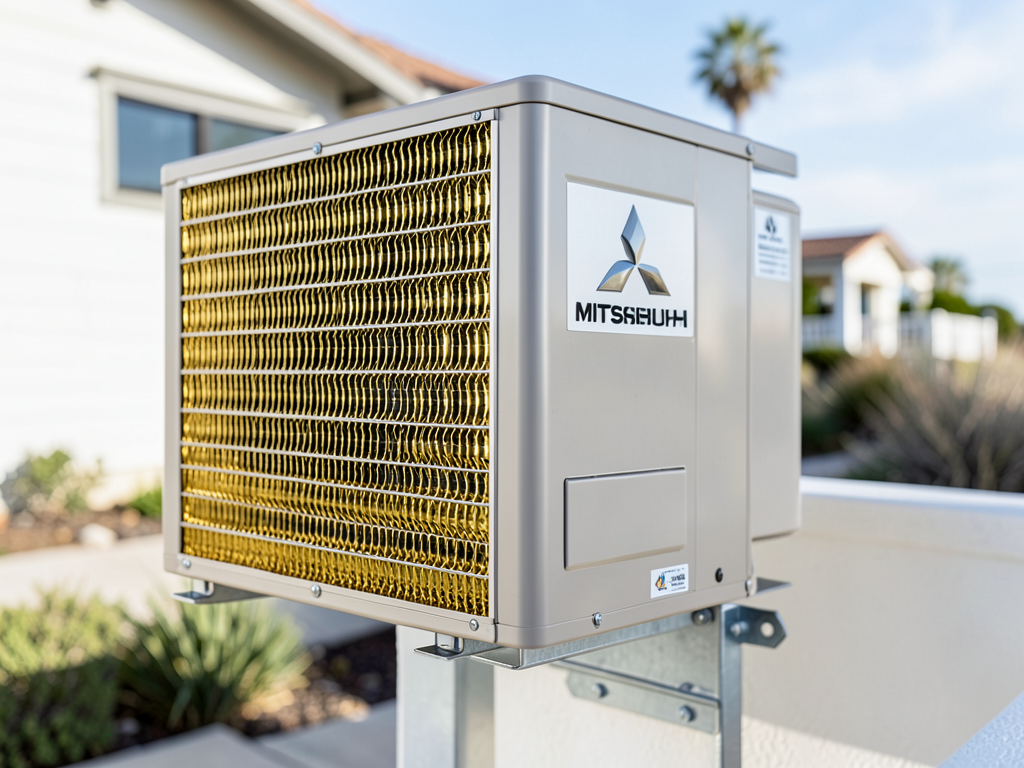
Mitsubishi vs Fujitsu — Which Ductless Brand Is Best for the Encinitas Climate? Encinitas homeowners face a unique challenge. The coastal marine layer brings steady humidity while mild winters mean heat pumps must work efficiently…

Do Smart Vents Actually Help Fix Cold Spots in Large Rancho Bernardo Houses? \n Smart…

Your thermostat controls your entire HVAC system but where you mount it can make the…
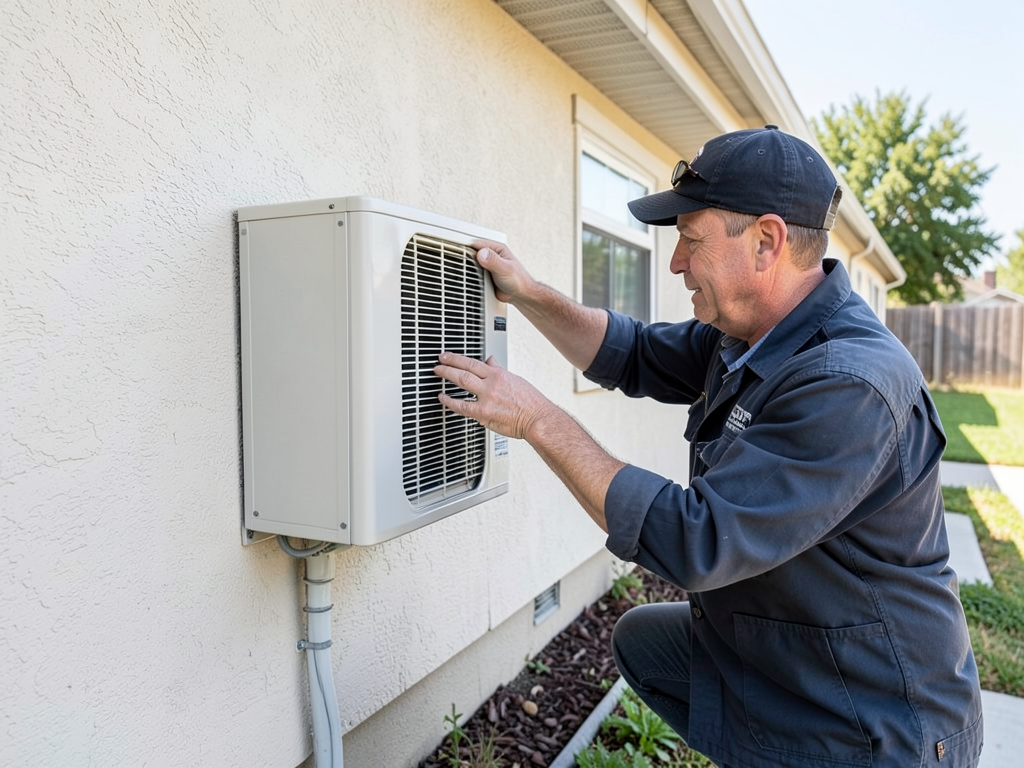
Choosing the Right HVAC Setup for a New Detached ADU in Chula Vista Building a…
Your comfort matters. When your AC quits or your heater fails, Elite HVAC San Diego responds fast with experienced technicians who fix problems right. Call (619) 304-5777 now for rapid service that restores comfort to your La Mesa home today.