





Escondido's inland valley location creates harsh conditions that destroy air conditioners and furnaces faster than coastal areas. Summer temperatures regularly spike above 95 degrees, forcing AC units to run 12-14 hours daily through August and September. This constant demand burns out compressors, refrigerant leaks develop from thermal expansion, and electrical components fail from heat stress. Winter nights drop into the 30s in areas near Daley Ranch and the foothills, requiring reliable heating when valley fog settles over neighborhoods like Hidden Meadows and Jesmond Dene.
The temperature swings between day and night stress ductwork connections, causing air leaks that waste energy and reduce comfort. Dust from surrounding hillsides and agricultural areas clogs filters quickly, restricting airflow and making systems work harder. Older homes in central Escondido and near downtown often have undersized AC units installed decades ago, before summers became consistently hotter. These systems can't keep up with modern cooling demands and break down repeatedly. Understanding these specific climate challenges helps us diagnose problems faster and recommend solutions that actually work for Escondido conditions.
Elite HVAC San Diego has served Escondido homeowners for over a decade with straightforward service and honest recommendations. We don't send salespeople to your home pretending to be technicians. Our team consists of experienced HVAC professionals who fix what's broken and tell you when repairs make more sense than replacement. That approach has built our reputation across neighborhoods from Felicita to Country Club Heights.
We stock our service trucks with the parts that fail most often in Escondido's climate, which means we complete most repairs the same day without return trips. Our technicians know how residential systems respond to the valley heat and dust conditions because we work here daily. When we recommend a repair or replacement, we explain exactly why and show you the failed component. You get photos of the problem and a written estimate before any work begins.
Our emergency response covers all of Escondido, and we mean actual emergencies, not inflated pricing for after-hours service. When your AC dies during a heatwave, we dispatch a truck within hours, not days. We answer our phones directly instead of routing calls through national call centers that don't understand local urgency. This local focus means faster response times and technicians who recognize the specific issues Escondido homes face. We also handle all necessary permits for equipment replacement and ensure installations meet current California Title 24 energy standards, so you avoid compliance issues down the road.

When your HVAC system fails, we dispatch a fully equipped service truck to your Escondido home within hours, not days. Our technicians carry the parts that fail most often in valley heat conditions, completing most emergency repairs the same visit without waiting on special orders or return appointments.

We show you the failed component and explain the problem in plain language before recommending any repair. You receive photos of the issue and a written estimate with no pressure tactics. If a simple fix solves your problem, we tell you instead of pushing system replacement.
Our service team works exclusively in San Diego County and understands how Escondido's climate affects HVAC performance. This local experience helps us diagnose problems faster and recommend solutions designed for valley heat, dust conditions, and the temperature swings between hillside and flatland neighborhoods.
We handle all required permits for equipment replacement and ensure installations meet California Title 24 energy standards. This protects you from compliance issues and ensures your new system qualifies for available utility rebates through SDG&E efficiency programs.
Elite HVAC San Diego provides the full range of residential heating and cooling services across Escondido. Our service model covers emergency repairs, planned system replacement, and ongoing maintenance that prevents breakdowns before they happen. Whether you need immediate AC service during summer heat or scheduled furnace maintenance before winter, our team has the training and equipment to handle every aspect of residential HVAC work.
We separate our services into three main categories based on urgency and project scope. Emergency repairs address immediate system failures that affect comfort and safety. Replacement projects involve installing new equipment when existing systems reach the end of their service life. Maintenance programs provide scheduled tune-ups that extend equipment life and catch small problems before they become expensive failures. This structure helps us deploy the right resources quickly and ensures you get appropriate service for your specific situation, not a one-size-fits-all approach that wastes your time and money.
When your air conditioner quits cooling during summer heat or your furnace stops producing heat on a cold night, you need immediate help. Our emergency repair service dispatches experienced technicians to diagnose and fix system failures across Escondido the same day. We handle compressor failures, refrigerant leaks, blower motor problems, thermostat malfunctions, and electrical issues that shut down heating and cooling systems. Our trucks carry common replacement parts, which means we complete most emergency repairs without delay.
Systems over 15 years old often cost more to repair than replace, especially when major components like compressors or heat exchangers fail. We provide complete system replacement with properly sized equipment matched to your home's cooling and heating load. This includes removing old equipment, installing new air conditioners or furnaces, upgrading thermostats, and ensuring ductwork connects properly. All installations meet California Title 24 standards and qualify for available utility rebates.
Regular maintenance catches small problems before they destroy expensive components. Our tune-up service includes cleaning coils, checking refrigerant levels, testing electrical connections, replacing filters, lubricating motors, and inspecting heat exchangers for cracks. This scheduled service extends equipment life by years and improves energy efficiency, which lowers utility bills. We recommend maintenance twice yearly, before summer cooling season and before winter heating demands begin.
Escondido's inland climate creates specific HVAC problems that differ from coastal San Diego areas. Extended summer heat cycles systems constantly, accelerating wear on mechanical components. Dust from surrounding hillsides infiltrates outdoor units and clogs filters faster than humid coastal zones. Temperature swings between hot days and cool nights stress ductwork connections and cause air leaks. Older neighborhoods near downtown and around Kit Carson Park have aging systems that can't handle modern cooling demands.
These local conditions produce recurring problems we diagnose and repair daily. Refrigerant leaks develop when copper lines expand and contract with temperature changes. Compressors fail from running continuously through 100-degree afternoons. Blower motors burn out from restricted airflow caused by clogged filters. Recognizing these patterns helps us diagnose problems faster and recommend preventive measures that reduce future failures. Here are the four issues we see most often in Escondido homes.
Copper refrigerant lines develop leaks where connections join the outdoor condenser unit. Temperature cycling causes thermal expansion that loosens fittings over time. Low refrigerant reduces cooling capacity and makes compressors run hot, leading to complete system failure if not addressed. We locate leaks with electronic detectors, repair the damaged section, and recharge systems to proper levels.
Outdoor condenser units sitting in direct sun through summer afternoons overheat and destroy compressors prematurely. This happens most often on south and west-facing home exteriors where units get no shade protection. Compressor replacement costs thousands, often making system replacement more economical for units over 10 years old. Proper sizing and shade protection extend compressor life significantly.
Dust from Escondido's dry hillsides clogs air filters in weeks instead of months. Restricted airflow forces blower motors to work harder, leading to overheating and premature failure. Frozen evaporator coils also result from poor airflow, which stops cooling completely. Regular filter replacement every 30-60 days prevents these problems and improves indoor air quality.
Homes built before 2000 often have AC units sized for cooler historical temperatures. Modern heat waves push these undersized systems beyond capacity, causing constant runtime that never achieves comfortable temperatures. The equipment wears out faster and energy bills stay high. Proper load calculation during replacement ensures new systems handle current climate demands.
Working with Elite HVAC San Diego means clear communication, honest pricing, and skilled service from start to finish. When you call for HVAC repair or replacement in Escondido, you talk directly to our local dispatch team who understands the urgency of your situation. We don't route calls through national centers or make you wait days for callbacks. Our process focuses on solving your problem quickly while keeping you informed at every step.
You'll know the cost before work begins, see the problem with your own eyes, and understand exactly what we're fixing and why. No surprise charges appear after service. No pressure tactics push you toward unnecessary replacements. This straightforward approach has built our reputation across Escondido neighborhoods where word-of-mouth referrals drive most of our business. Here's what happens from your first call through completed repair.
When you call our office, you speak with someone who can actually help you, not a voicemail system or offshore call center. We assess your situation, determine urgency level, and dispatch a service truck with appropriate equipment and parts. For emergencies, we typically arrive within 2-4 hours during business hours. You receive a call when our technician is 30 minutes away so someone can be home to provide access. No waiting around all day for vague arrival windows.
Our technician diagnoses the problem, shows you the failed component, and explains what's wrong in clear language without technical jargon. You receive a written estimate before any repair work begins. For major failures, we photograph the problem and discuss whether repair or replacement makes better financial sense based on your system's age and condition. You make the final decision with complete information, not sales pressure.
Once you approve the estimate, we complete repairs efficiently using quality replacement parts backed by manufacturer warranties. After testing the system to verify proper operation, we clean up the work area and explain what we fixed. You receive documentation of all work performed, parts installed, and warranty information. For system replacements, we schedule follow-up visits to verify performance and address any questions after you've lived with the new equipment.
We've refined our service process to eliminate wasted time and deliver fast, accurate repairs. This three-step approach works for emergency calls and scheduled service across Escondido.
Our technician inspects your HVAC system, tests components with diagnostic equipment, and identifies the root cause of the failure. We check refrigerant pressures, test electrical connections, examine heat exchangers, and verify thermostat operation. This thorough diagnosis prevents misdiagnosis that leads to replacing parts that aren't actually broken. You see the problem firsthand and receive a written estimate before we proceed with repairs.
After you approve the estimate, we complete the repair using proper tools and quality replacement parts. This includes recovering refrigerant legally when working on cooling systems, making electrical connections to code standards, and testing all safety controls. We don't cut corners or use inferior parts that fail quickly. The repair is done right the first time so you don't deal with recurring problems.
Before leaving your home, we run the system through complete heating or cooling cycles to verify proper operation. We check airflow at registers, verify temperature output, and ensure all safety controls function correctly. You receive documentation of the work performed and warranty information for parts installed. If any issues appear in the following days, we return to address them at no additional charge.
Professional HVAC work in California requires more than basic mechanical skills. State regulations mandate specific procedures for refrigerant handling, equipment installation, and energy efficiency compliance. Elite HVAC San Diego follows these technical standards on every service call, which protects homeowners from liability and ensures systems operate safely and efficiently.
California's Title 24 building energy efficiency standards dictate minimum SEER ratings for new air conditioners and AFUE ratings for furnaces. Residential AC units must meet 14 SEER minimum in climate zone 10, where Escondido sits. Furnaces require 80% AFUE minimum, though 95% condensing furnaces make more sense for homes with natural gas service. These efficiency requirements reduce energy consumption but require proper installation to achieve rated performance. Ductwork must be sealed to less than 6% leakage when measured by licensed testing, or new systems won't pass final inspection.
Refrigerant handling follows EPA Section 608 regulations, which require technicians to hold certification before purchasing or handling refrigerants. We recover old refrigerant into approved tanks rather than venting it to atmosphere, which is both illegal and environmentally destructive. When charging systems, we measure superheat and subcooling to ensure proper refrigerant levels instead of relying on gauge pressure alone. This precision prevents compressor damage and maximizes cooling efficiency.
Electrical work must meet National Electrical Code standards for disconnect switches, overcurrent protection, and wire sizing. Air conditioner outdoor units require disconnect switches within sight of the equipment, and circuits must be properly sized for equipment amperage draw. Gas furnace installations require combustion air calculations to prevent carbon monoxide issues, pressure testing of gas lines, and proper venting sized for appliance BTU input. These technical requirements exist because improper installation kills people through carbon monoxide poisoning or electrical fires.
All new HVAC installations must meet Title 24 energy efficiency standards, including minimum SEER ratings for cooling equipment, AFUE ratings for furnaces, and ductwork sealing requirements. We handle the required testing, documentation, and permit paperwork to ensure your installation passes inspection and qualifies for utility rebates. Non-compliant installations can't pass final inspection and won't qualify for rebates.
Proper system sizing requires Manual J load calculations based on home square footage, insulation levels, window area, and orientation. Oversized equipment costs more upfront and cycles on and off frequently, which reduces efficiency and comfort. Undersized systems run constantly without achieving desired temperatures. We perform load calculations for every replacement to match equipment capacity to actual heating and cooling needs.
EPA regulations require technicians to hold Section 608 certification before handling refrigerants. This certification verifies knowledge of proper recovery procedures, leak repair requirements, and environmental protection standards. Our technicians maintain current certification and use calibrated equipment to measure refrigerant charge accurately. Proper charge levels are determined by superheat and subcooling measurements, not just gauge pressure readings.
Natural gas furnace installations require combustion air calculations, pressure testing of gas lines, proper venting sized for BTU input, and carbon monoxide testing after startup. Heat exchangers must be inspected annually for cracks that allow combustion gases to mix with household air. These safety checks prevent carbon monoxide poisoning, which kills dozens of California residents each year from faulty furnace installations.
This video explains common HVAC problems in Escondido, California homes and what to expect when calling for air conditioning or heating repair. Elite HVAC San Diego discusses how inland valley heat affects system performance, why proper refrigerant service matters, and the technical standards required for legal HVAC installation. The video covers emergency repair response, system replacement decisions, and preventive maintenance for Escondido's specific climate conditions.
Elite HVAC San Diego provides residential heating and cooling service throughout greater Escondido and the surrounding North County inland valleys. Our service area covers established neighborhoods near downtown Escondido, hillside communities along the eastern slopes, and newer residential developments spreading north toward Valley Center. We respond to service calls from central areas around Grape Day Park and Grand Avenue, east through Felicita and Rock Springs, north into Hidden Meadows and the Champagne Village area, and south toward the San Pasqual Valley agricultural zone.
Older homes in central Escondido near Washington Avenue and around the Broadway historic district often have aging HVAC systems installed in the 1980s and 1990s that struggle with modern heat loads. These neighborhoods feature California bungalow and ranch-style homes with limited attic space that complicates ductwork routing and equipment replacement. The hillside areas around Country Club Heights and Bear Valley Parkway deal with elevated fire risk that requires special attention to outdoor unit placement and clearances from combustible vegetation. Properties near Daley Ranch and the eastern foothill areas experience more dramatic temperature swings between day and night, which stresses HVAC systems differently than homes in the flatter valley floor.
Hidden Meadows and the communities along Old Highway 395 sit at higher elevations where furnace performance matters more during winter months when cold air settles into the valleys. These areas also contend with well water rather than city water in many properties, which affects humidification recommendations for winter heating. The newer residential developments around San Elijo Hills and eastern Escondido feature modern construction with better insulation and more efficient HVAC systems, but these homes often have builder-grade equipment that homeowners replace within the first decade for better performance.
We maintain service response across all these areas because we know Escondido's geography and understand how location affects HVAC performance. A system that works well for a home near Lake Hodges might not be the right choice for a hillside property facing afternoon sun exposure. Our local experience helps us recommend solutions appropriate for your specific neighborhood's microclimate and your home's individual characteristics. Whether you're dealing with an emergency breakdown in Felicita, planning system replacement in Hidden Meadows, or scheduling maintenance for a property near downtown, we respond quickly and provide service designed for your location's specific demands.
The $5000 rule helps homeowners decide between repair and replacement. If your HVAC system repair costs more than $5000, or if the repair cost multiplied by the age of your system exceeds $5000, replacement makes more financial sense. For example, a $1000 repair on a 6-year-old unit equals $6000, suggesting replacement. In Escondido's hot inland climate, older systems work harder and lose efficiency faster. This rule accounts for future repair risks and energy costs. Systems over 12 years old typically benefit from replacement rather than expensive repairs.
HVAC job costs vary widely by scope. Basic repairs like capacitor replacement or refrigerant top-offs range from a few hundred dollars. Complete system replacements for Escondido homes typically start in the mid-to-high four figures and climb from there, depending on home size, efficiency ratings, and ductwork condition. Maintenance visits cost the least. Escondido's warm summers and mild winters mean air conditioning dominates your expense considerations. System size, SEER rating, and installation complexity drive costs. Always get multiple quotes and verify proper sizing calculations for your square footage.
Replacing HVAC for a 2000 square foot house in Escondido depends on several factors. You need proper tonnage calculations based on insulation, ceiling height, and sun exposure. Most 2000 square foot homes require a 3.5 to 4-ton system. Higher SEER ratings cost more upfront but save money in Escondido's hot summers. Ductwork modifications, electrical upgrades, and equipment tier affect final pricing. Quality installation matters more than equipment brand. Expect costs to vary based on your specific home layout and efficiency goals. Request load calculations, not guesswork.
The $5000 rule helps homeowners decide between repair and replacement. If your HVAC system repair costs more than $5000, or if the repair cost multiplied by the age of your system exceeds $5000, replacement makes more financial sense. For example, a $1000 repair on a 6-year-old unit equals $6000, suggesting replacement. In Escondido's hot inland climate, older systems work harder and lose efficiency faster. This rule accounts for future repair risks and energy costs. Systems over 12 years old typically benefit from replacement rather than expensive repairs.
HVAC job costs vary widely by scope. Basic repairs like capacitor replacement or refrigerant top-offs range from a few hundred dollars. Complete system replacements for Escondido homes typically start in the mid-to-high four figures and climb from there, depending on home size, efficiency ratings, and ductwork condition. Maintenance visits cost the least. Escondido's warm summers and mild winters mean air conditioning dominates your expense considerations. System size, SEER rating, and installation complexity drive costs. Always get multiple quotes and verify proper sizing calculations for your square footage.
Replacing HVAC for a 2000 square foot house in Escondido depends on several factors. You need proper tonnage calculations based on insulation, ceiling height, and sun exposure. Most 2000 square foot homes require a 3.5 to 4-ton system. Higher SEER ratings cost more upfront but save money in Escondido's hot summers. Ductwork modifications, electrical upgrades, and equipment tier affect final pricing. Quality installation matters more than equipment brand. Expect costs to vary based on your specific home layout and efficiency goals. Request load calculations, not guesswork.
HVAC costs in San Diego County, including Escondido, reflect coastal California pricing. Labor rates run higher than national averages. Installation costs vary between coastal and inland areas. Escondido's hotter inland climate requires systems sized differently than coastal San Diego neighborhoods. Equipment costs stay consistent regionally, but permit fees and installation complexity vary by city. Energy efficiency requirements in California drive equipment choices. Local competition and seasonal demand affect pricing. Get quotes from multiple licensed contractors who understand Escondido's specific climate demands. Installation quality impacts long-term performance and costs.
HVAC system tax deductions for 2025 depend on equipment type and efficiency. The federal Energy Efficient Home Improvement Credit covers qualifying high-efficiency systems. You must meet minimum efficiency standards. Heat pumps and central air systems with qualifying SEER2 and EER2 ratings may qualify for credits up to specific limits. Installation costs may be included. Check IRS guidelines or consult your tax professional for current requirements. Keep all receipts and manufacturer certifications. California may offer additional state incentives. Rules change annually, so verify eligibility before purchasing to maximize your tax benefits.
HVAC systems typically last 15 to 20 years with proper maintenance. In Escondido's climate, systems work harder during long cooling seasons, which can reduce lifespan. Factors affecting longevity include installation quality, maintenance frequency, system size, and usage patterns. Furnaces often outlast air conditioners. Coastal salt air affects systems differently than inland conditions. Regular filter changes, annual tune-ups, and prompt repairs extend equipment life. Systems older than 12 years often develop efficiency losses and repair frequency increases. Replace aging systems before complete failure to avoid emergency replacement costs and summer discomfort.
The 3-minute rule prevents compressor damage by allowing pressure equalization. After your AC shuts off, wait at least 3 minutes before restarting. This protects the compressor from high-pressure starts that cause premature failure. Modern thermostats include built-in delay timers. Never rapidly cycle your thermostat on and off. In Escondido's heat, homeowners sometimes panic and fiddle with controls, creating this problem. Short cycling also indicates underlying issues like refrigerant problems, oversized equipment, or thermostat malfunctions. If your system short cycles frequently, call a technician. This simple rule prevents expensive compressor replacements.
Air conditioner costs for a 2000 square foot California home vary by efficiency tier and installation factors. California Title 24 energy standards require minimum SEER ratings. Escondido's inland heat makes higher efficiency units worthwhile despite increased upfront costs. A 2000 square foot home typically needs 3.5 to 4 tons of cooling capacity. Costs increase with variable-speed technology, better warranties, and complex installations. Ductwork condition, attic access, electrical service capacity, and permit fees affect final pricing. Proper load calculations prevent oversizing. Focus on quality installation and appropriate sizing rather than lowest price.
Common HVAC repairs in Escondido include refrigerant leaks, failed capacitors, dirty coils, thermostat malfunctions, and drainage clogs. Capacitors fail frequently in hot climates from constant use. Refrigerant leaks reduce cooling capacity and efficiency. Dirty condenser coils from dust and debris hurt performance. Clogged condensate drains cause water damage. Blower motor issues affect airflow. Contactor failures prevent system startup. Escondido's dust and heat accelerate wear. Regular maintenance catches these issues early. Neglected filters cause most preventable problems. Strange noises, weak airflow, short cycling, and warm air signal repair needs. Address problems immediately to prevent system failure.
HVAC system costs may qualify for tax deductions under specific conditions. The federal Energy Efficient Home Improvement Credit applies to qualifying high-efficiency equipment installed in your primary residence. Commercial property owners may deduct HVAC as a business expense or depreciate equipment over time. Residential rental property systems qualify as capital improvements. Standard efficiency replacements typically do not qualify for credits. Medical necessity deductions exist in rare cases. Energy Star certifications and minimum efficiency thresholds must be met. Consult a tax professional familiar with current regulations. Keep detailed receipts, equipment specifications, and installation documentation for filing purposes.
HVAC costs in San Diego County, including Escondido, reflect coastal California pricing. Labor rates run higher than national averages. Installation costs vary between coastal and inland areas. Escondido's hotter inland climate requires systems sized differently than coastal San Diego neighborhoods. Equipment costs stay consistent regionally, but permit fees and installation complexity vary by city. Energy efficiency requirements in California drive equipment choices. Local competition and seasonal demand affect pricing. Get quotes from multiple licensed contractors who understand Escondido's specific climate demands. Installation quality impacts long-term performance and costs.
HVAC system tax deductions for 2025 depend on equipment type and efficiency. The federal Energy Efficient Home Improvement Credit covers qualifying high-efficiency systems. You must meet minimum efficiency standards. Heat pumps and central air systems with qualifying SEER2 and EER2 ratings may qualify for credits up to specific limits. Installation costs may be included. Check IRS guidelines or consult your tax professional for current requirements. Keep all receipts and manufacturer certifications. California may offer additional state incentives. Rules change annually, so verify eligibility before purchasing to maximize your tax benefits.
HVAC systems typically last 15 to 20 years with proper maintenance. In Escondido's climate, systems work harder during long cooling seasons, which can reduce lifespan. Factors affecting longevity include installation quality, maintenance frequency, system size, and usage patterns. Furnaces often outlast air conditioners. Coastal salt air affects systems differently than inland conditions. Regular filter changes, annual tune-ups, and prompt repairs extend equipment life. Systems older than 12 years often develop efficiency losses and repair frequency increases. Replace aging systems before complete failure to avoid emergency replacement costs and summer discomfort.
The 3-minute rule prevents compressor damage by allowing pressure equalization. After your AC shuts off, wait at least 3 minutes before restarting. This protects the compressor from high-pressure starts that cause premature failure. Modern thermostats include built-in delay timers. Never rapidly cycle your thermostat on and off. In Escondido's heat, homeowners sometimes panic and fiddle with controls, creating this problem. Short cycling also indicates underlying issues like refrigerant problems, oversized equipment, or thermostat malfunctions. If your system short cycles frequently, call a technician. This simple rule prevents expensive compressor replacements.
Air conditioner costs for a 2000 square foot California home vary by efficiency tier and installation factors. California Title 24 energy standards require minimum SEER ratings. Escondido's inland heat makes higher efficiency units worthwhile despite increased upfront costs. A 2000 square foot home typically needs 3.5 to 4 tons of cooling capacity. Costs increase with variable-speed technology, better warranties, and complex installations. Ductwork condition, attic access, electrical service capacity, and permit fees affect final pricing. Proper load calculations prevent oversizing. Focus on quality installation and appropriate sizing rather than lowest price.
Common HVAC repairs in Escondido include refrigerant leaks, failed capacitors, dirty coils, thermostat malfunctions, and drainage clogs. Capacitors fail frequently in hot climates from constant use. Refrigerant leaks reduce cooling capacity and efficiency. Dirty condenser coils from dust and debris hurt performance. Clogged condensate drains cause water damage. Blower motor issues affect airflow. Contactor failures prevent system startup. Escondido's dust and heat accelerate wear. Regular maintenance catches these issues early. Neglected filters cause most preventable problems. Strange noises, weak airflow, short cycling, and warm air signal repair needs. Address problems immediately to prevent system failure.
HVAC system costs may qualify for tax deductions under specific conditions. The federal Energy Efficient Home Improvement Credit applies to qualifying high-efficiency equipment installed in your primary residence. Commercial property owners may deduct HVAC as a business expense or depreciate equipment over time. Residential rental property systems qualify as capital improvements. Standard efficiency replacements typically do not qualify for credits. Medical necessity deductions exist in rare cases. Energy Star certifications and minimum efficiency thresholds must be met. Consult a tax professional familiar with current regulations. Keep detailed receipts, equipment specifications, and installation documentation for filing purposes.
Located in the heart of Phoenix, Horizon proudly serves the entire metro area with responsive HVAC services you can trust. Our team is strategically based for fast dispatch across neighborhoods, business districts, and surrounding communities. Whether you’re in need of a quick repair or planning a full system upgrade, we’re just a call away. Use the map below to see our coverage zone or visit our office for a consultation. We’re local, experienced, and ready to help, wherever you are.
Address:
Escondido, CA, 92025
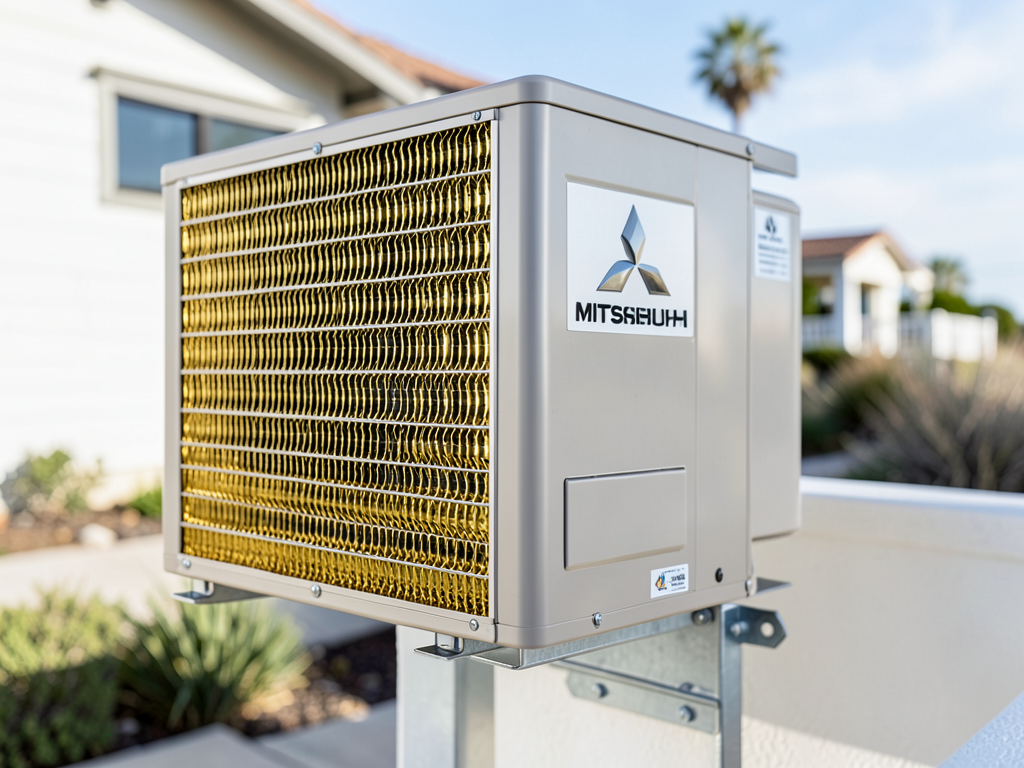
Mitsubishi vs Fujitsu — Which Ductless Brand Is Best for the Encinitas Climate? Encinitas homeowners face a unique challenge. The coastal marine layer brings steady humidity while mild winters mean heat pumps must work efficiently…

Do Smart Vents Actually Help Fix Cold Spots in Large Rancho Bernardo Houses? \n Smart…

Your thermostat controls your entire HVAC system but where you mount it can make the…
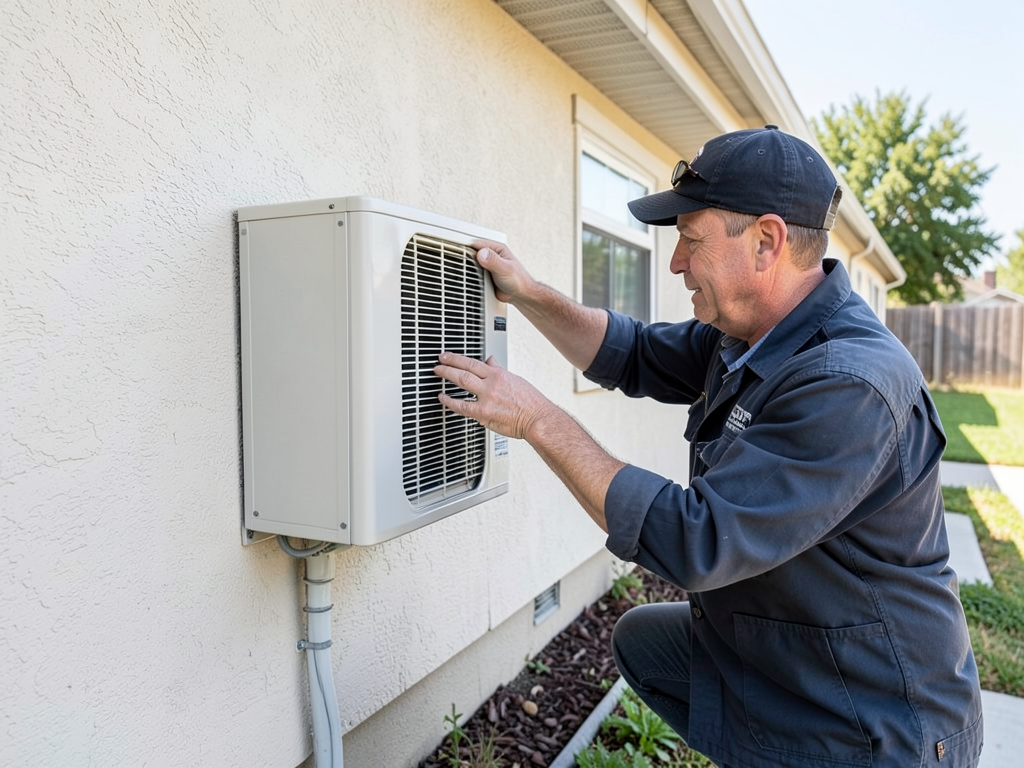
Choosing the Right HVAC Setup for a New Detached ADU in Chula Vista Building a…
Don't suffer through another day without reliable heating or cooling. Call Elite HVAC San Diego now at (619) 304-5777 for same-day emergency repair service or to schedule system replacement. Our experienced technicians are standing by to restore your comfort with honest pricing and quality work you can trust.