




Menu

Furnace Blowing Cold Air in San Diego – Expert Diagnosis and Same-Day Repair

When your furnace blows cold air instead of heat, you need accurate troubleshooting and fast repairs. Elite HVAC San Diego identifies the root cause and restores warm air to your home quickly.

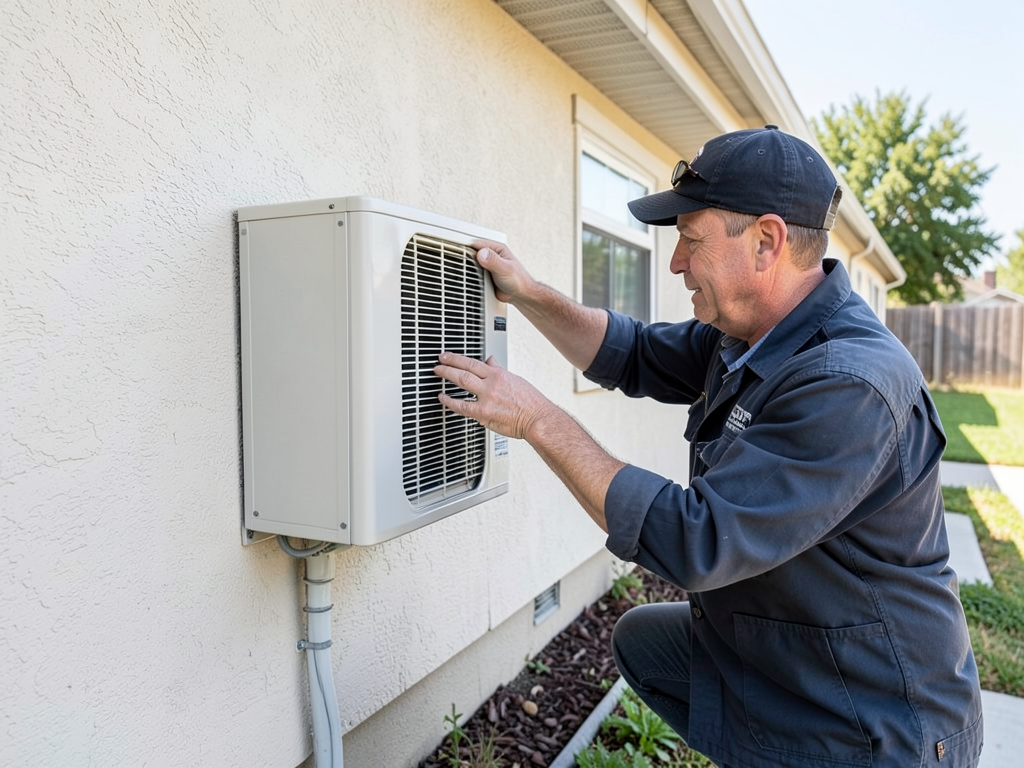
Slider Image 1
Slider Image 2
Slider Image 3
Slider Image 4
Slider Image 5
Slider Image 7
Slider Image 8
Slider Image 9
Slider Image 10
Slider Image 11

Why Your San Diego Furnace Is Blowing Cold Air

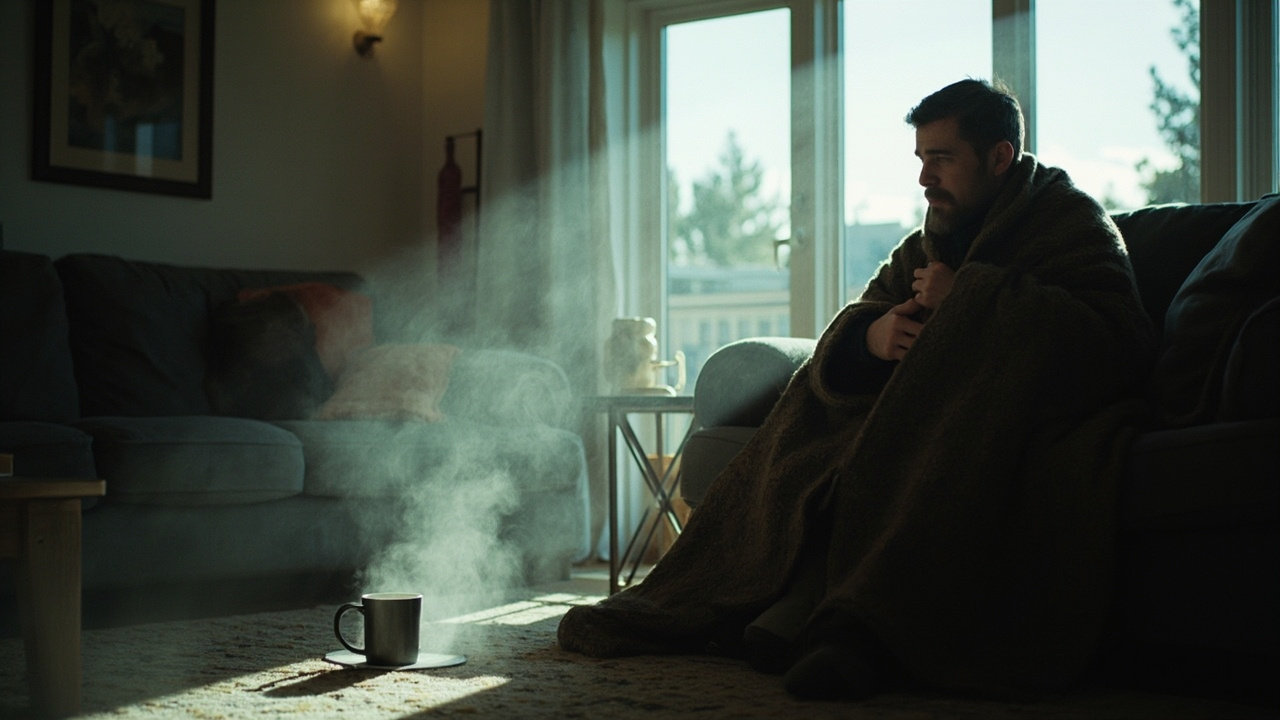
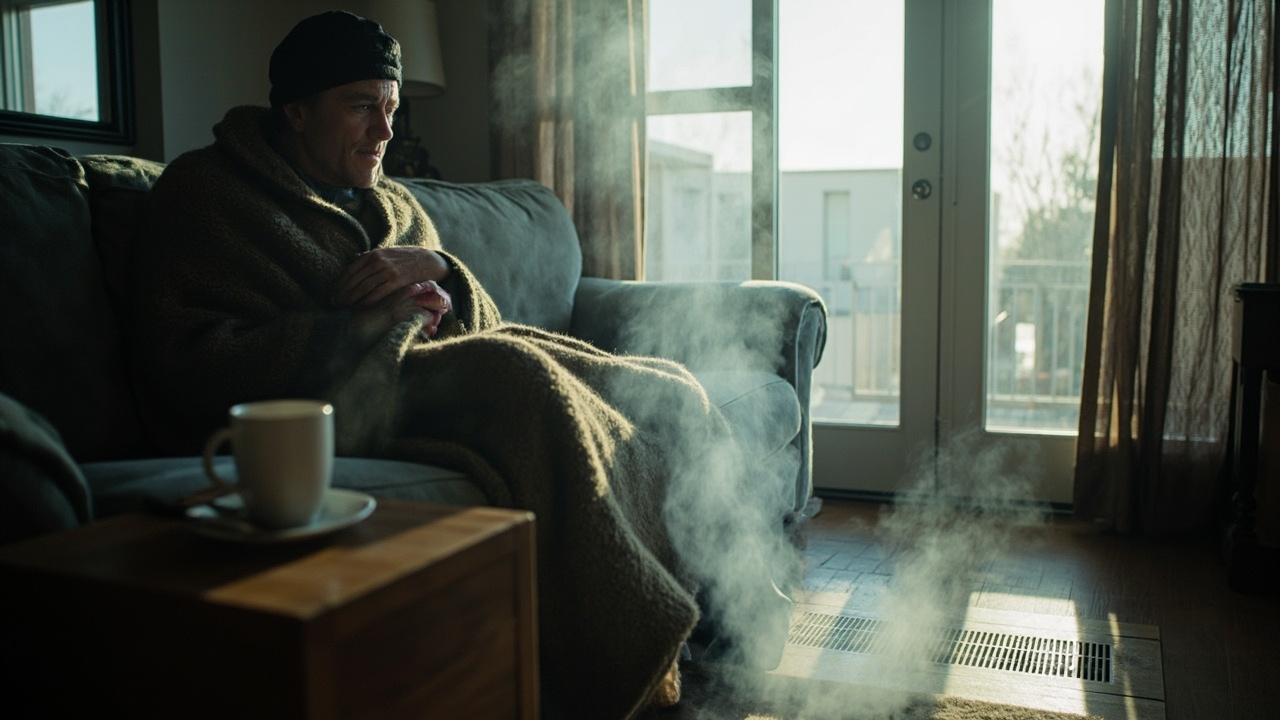
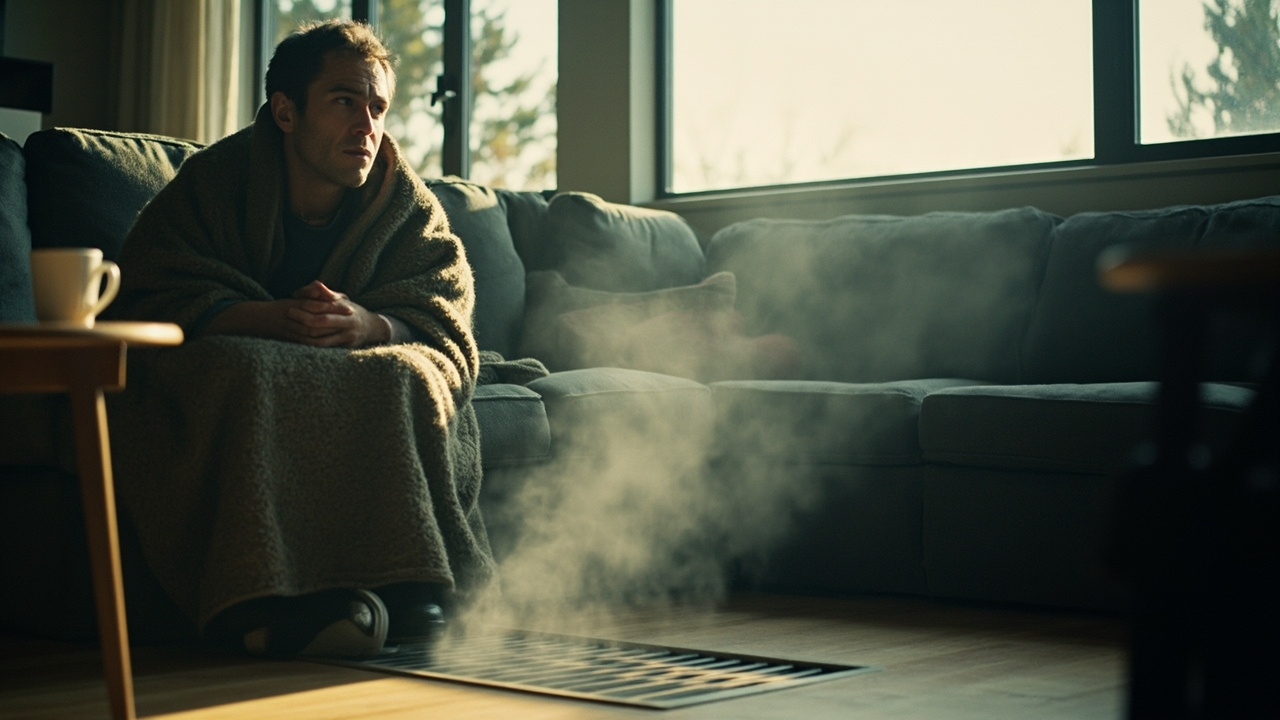
You set the thermostat to heat, wait for warm air, and get a cold blast instead. This happens more often in San Diego than you might expect. While winter temperatures stay mild along the coast, inland areas like Santee and El Cajon see overnight lows that push heating systems into action. When a furnace blows cool air during these cold snaps, the problem usually involves a failed ignition sequence, a malfunctioning pilot light, or a tripped limit switch.

San Diego homes built before 1990 often have older furnaces with standing pilot lights that can blow out during strong Santa Ana winds. Newer systems with electronic ignition fail when dust accumulation blocks the flame sensor or when the hot surface igniter cracks after years of thermal cycling. If your heating system blows cold air, the blower motor might be running while the burners refuse to light. This creates airflow without heat.

A heater blowing cold air can also signal a thermostat wiring issue or a depleted gas supply. Homes in Clairemont and Linda Vista sometimes experience low gas pressure during peak demand hours in January and February. If your furnace is not blowing hot air after several minutes of operation, the heat exchanger might have reached its thermal limit and shut down the burners as a safety measure. Ignoring a furnace blowing unheated air risks carbon monoxide buildup if combustion becomes incomplete. The mild climate makes it easy to delay repairs, but a faulty furnace still poses real risks.

Why Your San Diego Furnace Is Blowing Cold Air
How We Diagnose and Fix Furnaces Blowing Cold Air

How We Diagnose and Fix Furnaces Blowing Cold Air

When you call Elite HVAC San Diego for a furnace blowing cold air, we start with a systematic diagnostic process. Our technicians check the thermostat settings first to rule out user error. We verify the system is set to heat mode and the fan is set to auto, not on. If settings are correct, we move to the furnace itself.

We inspect the flame sensor for carbon buildup that prevents proper flame detection. Even a thin layer of soot can cause the control board to shut down the gas valve, leaving the blower running without heat. We clean the sensor with fine-grit emery cloth and test continuity with a multimeter. If the sensor reads open, we replace it.

Next, we check the hot surface igniter for visible cracks. These igniters glow orange when functioning properly. A failed igniter will not glow at all, or it will glow briefly before the gas valve fails to open. We replace cracked igniters with OEM parts matched to your furnace model.

We then test the pressure switches that verify proper draft and airflow. If your furnace has a condensate drain, we clear any blockages that could trip the pressure switch and prevent ignition. We inspect the flame rollout switch and the high-limit switch for continuity. A tripped limit switch often indicates restricted airflow from a clogged filter or blocked return vents.

For furnaces with standing pilot lights, we clean the pilot orifice and thermocouple. We adjust the flame height and verify the thermocouple generates adequate millivoltage to hold the gas valve open. We complete each repair with a full combustion analysis to ensure safe and efficient operation.

What Happens During Your Cold Air Furnace Repair

Furnace Blowing Cold Air in San Diego – Expert Diagnosis and Same-Day Repair
01

Initial System Inspection

We arrive at your San Diego home with diagnostic tools and common replacement parts. Our technician listens to your description of when the cold air problem started and checks your thermostat for proper communication with the furnace. We remove the furnace access panel and visually inspect all internal components for signs of wear, damage, or improper previous repairs. This first inspection often reveals obvious issues like disconnected wires or tripped safety switches.
02

Component Testing and Diagnosis

We test each component in the ignition sequence using a multimeter and amp clamp. We verify the control board sends voltage to the igniter, check flame sensor microamp readings, and test gas valve operation. We observe multiple heating cycles to identify intermittent failures that only occur after the system warms up. For furnaces blowing unheated air, we use a combustion analyzer to measure oxygen levels and verify complete combustion when burners do light.
03

Repair and Verification

After identifying the failed component, we complete the repair and run the furnace through multiple heating cycles. We measure supply air temperature at the registers to confirm hot air delivery. We check for proper cycling between heating and standby modes. Before leaving, we replace your air filter if needed and provide specific recommendations for preventing future cold air issues. Your furnace should deliver consistent heat for the remainder of the San Diego winter season.

Why San Diego Homeowners Choose Elite HVAC for Furnace Repairs

Elite HVAC San Diego understands the unique demands of coastal and inland climate zones. Technicians in Chula Vista deal with salt air corrosion that degrades electrical connections. Homes in Poway and Rancho Bernardo face dust infiltration from undeveloped canyon areas. We stock parts for the furnace brands most common in San Diego, including Carrier, Trane, Rheem, and Goodman units installed by large tract builders in the 1980s and 1990s.

Our diagnostic approach goes beyond replacing the obvious failed part. We identify why the component failed. A flame sensor does not foul itself. Poor combustion from a misaligned burner or inadequate gas pressure causes the buildup. We correct underlying issues to prevent repeat failures. This matters in San Diego, where many homeowners only run their furnace a few dozen times each year. Systems that sit idle for months develop problems that only appear during the first cold snap.

We respond quickly when your heater blows cold air because we know San Diego homes lack the insulation common in colder climates. Indoor temperatures drop faster here than in regions where builders install R-38 attic insulation and dual-pane windows as standard. Your comfort degrades rapidly when the furnace fails.

We explain repairs in plain language and show you the failed parts. Many San Diego homeowners are unfamiliar with furnace components because they rarely think about heating. We provide clear explanations of what broke, why it broke, and what you can do to extend the life of your system. We do not upsell unnecessary replacements. If your 15-year-old furnace needs a simple igniter replacement, we replace the igniter. If the heat exchanger has cracked and poses a safety risk, we tell you that too.

What to Expect When You Schedule Furnace Repair

Response Time and Scheduling

We offer same-day service for furnace emergencies in San Diego. When you call in the morning with a furnace blowing cold air, we can usually arrive by early afternoon. Our service area includes all neighborhoods from La Jolla south to Imperial Beach and east to Lakeside. We provide two-hour arrival windows and call ahead when the technician is en route. For non-urgent repairs, we schedule appointments that fit your availability. Evening and weekend appointments are available for customers who work standard business hours.

Diagnostic Process

Our diagnostic fee covers the service call and the first hour of troubleshooting. If you approve the repair, we waive the diagnostic fee and apply it to the total cost. We provide a firm price quote before starting any work. Our technicians carry common parts like flame sensors, igniters, and capacitors on their trucks. For less common components, we source parts the same day from local suppliers when possible. We explain exactly what failed and why, and we show you the defective part. You make the final decision on whether to repair or replace the system.

Quality of Completed Repairs

We use OEM or equivalent quality replacement parts. Generic aftermarket igniters and sensors often fail prematurely, so we avoid them. After completing the repair, we test the furnace through multiple heating cycles and verify proper temperature rise across the heat exchanger. We measure supply air temperature at multiple registers to confirm balanced airflow. We leave your furnace cleaner than we found it. We vacuum up any dust or debris from the work area and show you how to replace your air filter correctly. Your furnace should operate quietly and deliver consistent heat.

Warranty and Follow-Up

Parts come with manufacturer warranties that we honor fully. Our labor warranty covers the work we performed. If the same component fails again within the warranty period, we return at no charge to correct the issue. We recommend annual maintenance to catch small problems before they cause a complete heating failure. San Diego furnaces benefit from pre-season inspections in October or November before winter temperatures arrive. We keep detailed service records for every customer, which helps us diagnose repeat issues and track system performance over time.

Frequently Asked Questions

You Have Questions,
We Have Answers

How do you fix a furnace that blows cold air? +

Start by checking your thermostat setting. Ensure it's set to heat mode, not fan-only or cool. Replace the air filter if clogged, as restricted airflow triggers safety limits. Check your circuit breaker and furnace power switch. If the pilot light is out on older units, relight it following manufacturer instructions. Inspect the flame sensor for buildup and clean it gently with fine sandpaper. In San Diego's mild climate, furnaces often sit unused for months, causing dust accumulation on sensors. If these steps don't work, you likely need a technician to diagnose ignition system failures, gas valve issues, or ductwork leaks.

Why is cold air blowing when heat is on? +

Your furnace blows cold air during the normal startup cycle, which lasts 30 to 90 seconds. If cold air continues, your thermostat may be stuck in fan mode or your heat exchanger isn't warming properly. A dirty flame sensor causes the burner to shut off prematurely while the blower keeps running. Low gas pressure, a faulty igniter, or a tripped limit switch also prevent heating. San Diego's coastal humidity can corrode electrical connections over time, causing intermittent failures. Check the thermostat first, then inspect the filter. Persistent cold air signals a component failure requiring professional diagnosis.

Why is my furnace blowing air but not warm? +

This indicates your blower works but the burner isn't igniting or staying lit. Common causes include a dirty flame sensor, failed ignitor, or closed gas valve. The thermostat may call for heat, but if the ignition system fails, only the blower responds. Check that your gas is on and the pilot light is lit. In San Diego, many homeowners have heat pumps instead of furnaces. If you have a heat pump, cold air during defrost cycles is normal. Listen for clicking sounds at startup. If you hear clicks but no ignition, the igniter or gas valve likely failed.

How do I reset my furnace? +

Locate the power switch near your furnace and turn it off. Wait 30 seconds. Switch it back on. If you have a digital thermostat, remove it from the wall plate for 30 seconds to reset it. For older furnaces with a pilot light, turn the gas valve to off, wait five minutes, then turn to pilot and relight following the instructions on the unit. Check your circuit breaker and reset if tripped. San Diego furnaces often develop issues after long summer shutdowns. A reset clears error codes and restarts the control board, but repeated resets indicate a deeper problem needing repair.

Should I turn off my furnace if it blows cold air? +

Yes, turn off your furnace to prevent wasting energy and potential damage. If the burner isn't igniting but the blower keeps running, you're circulating unheated air and stressing the system. A malfunctioning furnace can worsen over time, leading to cracked heat exchangers or electrical failures. Turn the thermostat to off and flip the furnace power switch. In San Diego's temperate climate, you won't face frozen pipes like colder regions, so shutting down temporarily is safe. Schedule a technician visit promptly. Running a furnace that blows cold air wastes money and risks carbon monoxide hazards if combustion is incomplete.

What is the most expensive part to fix on a furnace? +

The heat exchanger is the most expensive furnace component, costing $1,000 to $2,000 plus labor. Cracks in the heat exchanger are dangerous because they allow carbon monoxide to leak into your home. Control boards and blower motors also cost several hundred dollars. In San Diego, heat exchangers corrode faster near coastal areas due to salt air exposure. If your heat exchanger fails and your furnace is over 15 years old, replacement often makes more financial sense than repair. Other costly repairs include gas valves, variable-speed blower assemblies, and complete ignition system overhauls. Always get multiple quotes before committing.

What are signs of furnace failure? +

Watch for these warning signs: yellow or flickering pilot light, indicating incomplete combustion. Strange noises like banging, rattling, or squealing suggest mechanical failure. Increased heating bills without usage changes signal declining efficiency. Frequent cycling on and off means the system struggles to maintain temperature. Visible rust or corrosion on the cabinet or vent pipe indicates moisture problems. Soot buildup around registers or a persistent burning smell warns of combustion issues. In San Diego, many older homes have original furnaces from the 1980s. If your unit is over 18 years old and showing multiple symptoms, replacement is often more cost-effective than repeated repairs.

How can I tell if my heat pump is low on refrigerant? +

Low refrigerant in heat pumps causes reduced heating capacity and longer run times. You'll notice ice buildup on the outdoor coil even during mild San Diego winters. The unit may blow lukewarm air instead of warm. Listen for hissing sounds near refrigerant lines, indicating leaks. Your energy bills will climb as the system works harder. The compressor may cycle frequently or run continuously without reaching the set temperature. Refrigerant doesn't deplete naturally, so low levels always mean a leak exists. San Diego's year-round HVAC use accelerates wear on refrigerant lines. A technician must locate the leak, repair it, and recharge the system to proper levels.

Should I turn my heat pump to emergency heat in extreme cold? +

Emergency heat bypasses the heat pump and uses electric resistance coils, which are expensive to run. Only use emergency heat if your heat pump completely fails or ice buildup prevents operation. San Diego rarely experiences temperatures low enough to justify emergency heat. Most modern heat pumps operate efficiently down to 25 degrees, far below San Diego's winter lows. If your heat pump struggles on a 50-degree morning, you likely have a refrigerant leak or defrost cycle issue, not extreme cold. Emergency heat can triple your electricity costs. Use it only temporarily while awaiting repair, not as a solution to poor heat pump performance.

How to tell if a furnace thermostat is bad? +

A faulty thermostat shows inconsistent temperature readings compared to a separate thermometer placed nearby. The display may be blank or flickering. Your furnace won't respond when you adjust settings, or it cycles on and off erratically. You hear the thermostat click but the furnace doesn't start. In San Diego's older homes, thermostats often mount on sun-exposed walls, causing false readings. Remove the cover and check for dust, corrosion, or loose wires. Try replacing batteries in digital models. If the furnace works when you bypass the thermostat with a jumper wire, the thermostat is bad. Upgrading to a programmable model improves comfort and efficiency.

How San Diego's Mild Climate Affects Furnace Reliability and Cold Air Problems

San Diego furnaces run fewer hours per year than systems in cold climates, but this infrequent use creates its own problems. When a heating system sits idle for eight or nine months, rubber seals dry out, igniters become brittle, and flame sensors develop corrosion. The first heating cycle of the season often reveals failures that accumulated during the dormant period. Coastal homes near Mission Bay and Point Loma face additional challenges from salt air that corrodes electrical connections and control boards. Inland areas like Santee and Ramona accumulate dust in the heat exchanger and blower compartment from long dry seasons. When your furnace finally cycles on during a cold January night, these dormant problems surface as cold air blowing from your vents.

Elite HVAC San Diego built its reputation by understanding these local conditions. We know which furnace components fail most often in coastal versus inland homes. We recognize patterns in older neighborhoods like North Park and Normal Heights, where original 1960s furnaces have been replaced multiple times. We understand that San Diego homeowners do not think about heating until it stops working, so we focus on education during every service call. Our technicians explain what failed, what maintenance could have prevented it, and what warning signs to watch for next season. This local expertise and commitment to transparency makes us the reliable choice when your furnace blows cold air.


HVAC Services in The San Diego Area

Located in the heart of Phoenix, Horizon proudly serves the entire metro area with responsive HVAC services you can trust. Our team is strategically based for fast dispatch across neighborhoods, business districts, and surrounding communities. Whether you’re in need of a quick repair or planning a full system upgrade, we’re just a call away. Use the map below to see our coverage zone or visit our office for a consultation. We’re local, experienced, and ready to help, wherever you are.

Address:
Elite HVAC San Diego, 10620 Treena St Suite 230, San Diego, CA, 92131

Additional Services We Offer

Our news updates

Latest Articles & News from The Blogs

Do Smart Vents Actually Help Fix Cold Spots in Large Rancho Bernardo Houses? \n Smart vents can reduce hot and…

Do Smart Vents Actually Help Fix Cold Spots in Large Rancho Bernardo Houses?

Do Smart Vents Actually Help Fix Cold Spots in Large Rancho Bernardo Houses? \n Smart vents can reduce hot and…

Why Thermostat Placement Matters More Than You Think in Your Carmel Valley Two Story Home

Your thermostat controls your entire HVAC system but where you mount it can make the difference between consistent comfort and…

Choosing the Right HVAC Setup for a New Detached ADU in Chula Vista

Choosing the Right HVAC Setup for a New Detached ADU in Chula Vista Building a detached accessory dwelling unit in…

Contact Us

If your furnace is blowing cold air, call Elite HVAC San Diego right now at (619) 304-5777. We provide same-day service throughout San Diego County. Our technicians diagnose the problem accurately and fix it right the first time. Stop waiting for heat that never comes.