
Stop Salt Air from Destroying Your Ocean Beach AC Unit
Salt air corrosion silently eats away at your air conditioning system every single day. The salty mist from the Pacific Ocean carries microscopic salt particles that settle on your outdoor condenser coils. When moisture from the marine layer mixes with these salt deposits, it creates a perfect storm of corrosion that can destroy aluminum fins and copper tubing in just a few years. If you live in Ocean Beach, your AC unit is under constant attack from salt spray, humidity, and coastal winds. Without proper protection, you will face expensive repairs or complete system replacement much sooner than homeowners just a few miles inland.
How Salt Air Destroys Your AC System
Ocean Beach sits right on the edge of the Pacific where salt-laden air is unavoidable. Your outdoor condenser unit has aluminum fins that transfer heat from your home to the outside air. These fins are thin and delicate. When salt particles land on them, they attract moisture from the humid coastal air. This creates an electrolytic reaction that eats through the aluminum like acid. Copper tubing inside the coils faces the same problem. Once corrosion starts, it spreads fast. You will notice your AC running longer to cool your home. Energy bills climb. Eventually, the system fails completely.
The marine layer in Ocean Beach rolls in almost every night. This thick blanket of moisture keeps everything damp for hours after sunrise. Salt deposits stay wet longer here than in drier parts of San Diego. That extended wetness accelerates corrosion dramatically. Homes near the beach see AC failures five to ten years earlier than properties in Poway or El Cajon. The difference is the constant salt exposure.
Warning Signs Your AC is Under Attack
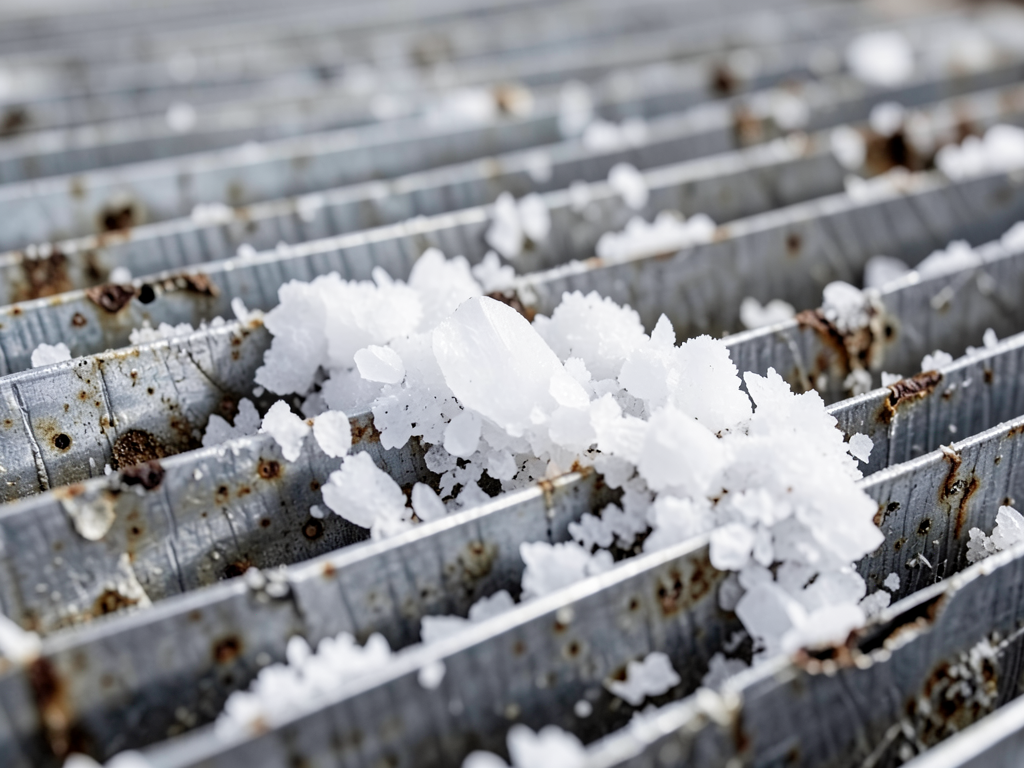
You can spot salt corrosion before your system dies. Look for white crusty deposits on the condenser coils. These are salt crystals mixed with corrosion products. The aluminum fins may look pitted or have holes eaten through them. Sometimes you will see copper tubing with green verdigris stains. If your AC runs constantly but your home never feels cool, that is another red flag. The corroded coils cannot transfer heat efficiently.
Listen to your system. A healthy AC hums smoothly. A corroded unit often makes a grinding or rattling noise. That sound comes from the fan motor working harder against restricted airflow. Feel the air coming from your vents. If it feels weak even when the system runs, your coils are likely clogged with salt and debris.
Coastal Maintenance That Actually Works
Regular maintenance can double the life of your coastal AC unit. The key is using methods designed for salt air environments. Start with monthly coil cleaning during summer months. Use a garden hose with low pressure to rinse off salt deposits. Never use high pressure because it can bend the delicate fins. Focus on the area where the coils meet the base. Salt collects there and causes the worst damage.
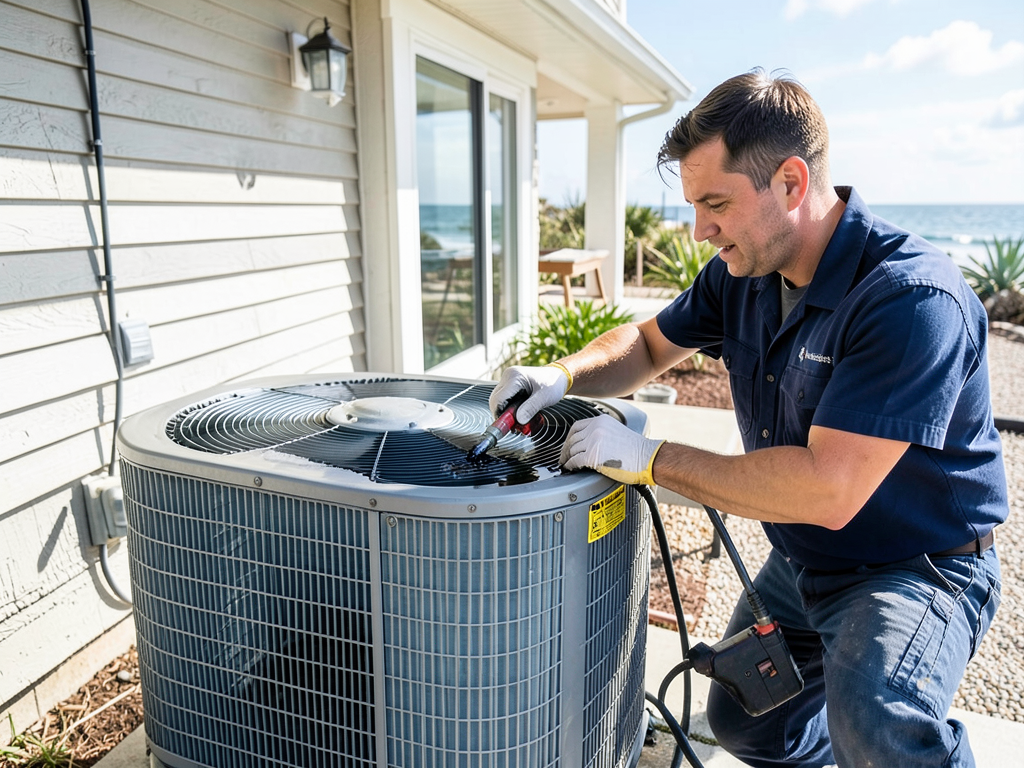
Professional maintenance should happen twice yearly in Ocean Beach. Spring service prepares your system for summer heat. Fall service removes summer buildup and protects against winter storms. During these visits, technicians apply specialized anti-corrosion coatings to the coils. These coatings create a barrier that salt cannot penetrate. Some products last up to five years with proper application.
Check the electrical connections at each service. Salt air causes corrosion on wires and terminals too. Loose or corroded connections create resistance that makes motors run hot. Hot motors fail early. Tighten every connection and apply dielectric grease to prevent future corrosion.
Equipment Choices for Salt-Prone Areas
Not all AC units handle salt air equally. If you are replacing your system, choose models with enhanced corrosion protection. Look for units with galvanized steel cabinets and aluminum fins treated with epoxy coatings. Some manufacturers offer coastal packages with stainless steel hardware and upgraded coatings. These features cost more upfront but save thousands in replacement costs.. Read more about Why Salt Air Destroys La Jolla AC Units and How to Protect Yours.
Heat pumps need extra protection in Ocean Beach. They run year-round, so they face constant salt exposure. Choose models with tin-plated copper coils. The tin layer blocks salt from reaching the copper underneath. Also consider units with raised coil designs that shed salt spray more effectively.
Variable-speed systems often last longer in coastal areas. They run at lower speeds most of the time, creating less vibration and stress on corroded components. When they do ramp up for high cooling demand, they have more capacity to overcome restricted airflow from mild corrosion.
Building Code Requirements for Coastal Installations
San Diego County requires specific protections for HVAC equipment in coastal zones. According to the California Building Code Section 1102A.2.1, outdoor units within 1,000 feet of the mean high tide line must use corrosion-resistant materials or protective coatings. The code also mandates minimum clearance from the ground to prevent salt spray damage from waves and flooding. California Building Code Section 1102A.2.1.
Electrical connections for coastal units must meet National Electrical Code Article 680 requirements for corrosion protection. All outdoor electrical boxes need weatherproof gaskets and corrosion-resistant hardware. The mounting pad must be elevated at least six inches above the surrounding grade to prevent water pooling around the base. National Electrical Code Article 680.
Noise regulations in Ocean Beach limit AC units to 60 decibels at the property line. This means choosing the right size and type of unit matters. Oversized units cycle on and off frequently, creating more noise and wear. Properly sized variable-speed units run quieter and last longer.
DIY Protection Steps You Can Take Today
You do not need to wait for professional service to start protecting your AC. Begin with a simple rinse every two weeks during summer. Use a garden hose with a spray nozzle. Spray from the top down to avoid forcing debris deeper into the coils. Let the unit dry completely before running it again.
Keep plants at least two feet away from the condenser. Vegetation traps moisture and salt against the coils. It also blocks airflow that helps dry the unit after rinsing. Trim back any branches that hang over the unit. Falling leaves and debris hold moisture against metal surfaces.
Check the concrete pad your unit sits on. Salt water can erode the soil underneath, causing the pad to tilt. A tilted unit puts stress on refrigerant lines and electrical connections. If you notice any leaning, call a professional to level the unit before damage occurs.
Cost Comparison: Prevention vs. Replacement
| Service Type | Frequency | Typical Cost | Long-term Savings |
|---|---|---|---|
| Professional Cleaning | Semi-annual | $150-250 | Prevents $3,000-8,000 replacement |
| Anti-corrosion Coating | Every 3-5 years | $300-500 | Extends life by 5-8 years |
| DIY Rinse | Monthly in summer | $0-20 (water cost) | Reduces professional cleaning needs |
| Complete Replacement | Every 7-12 years | $4,000-12,000 | N/A |
Why Ocean Beach Homes Need Special Attention
Ocean Beach has unique challenges that make AC maintenance critical. The neighborhood sits directly on the coast with no natural barriers to block salt spray. Prevailing westerly winds carry ocean mist miles inland, but Ocean Beach gets the full force. The combination of salt, humidity, and wind creates corrosion rates much higher than even nearby Point Loma.
Many Ocean Beach homes are older properties with original HVAC systems. These units were not designed for today’s salt exposure levels. They lack the protective coatings and corrosion-resistant materials found in modern equipment. If your home is over twenty years old, your AC is already living on borrowed time.
The neighborhood’s dense housing means units are often close together. This creates a microclimate where salt spray bounces between homes, increasing exposure for everyone. Homes near the beach experience the worst conditions, but properties even five blocks inland still face significant salt air problems.
Professional Maintenance Schedule for Coastal Homes
- Monthly DIY Rinse
During June through September, rinse condenser coils with garden hose every two weeks. Focus on removing visible salt deposits and debris.
- Spring Professional Service
Schedule in April or May. Technician applies anti-corrosion coating, checks electrical connections, and tests system performance before summer heat.
- Fall Professional Service
Schedule in September or October. Remove summer buildup, check for corrosion damage, and prepare for winter storms.
- Annual Electrical Inspection
Check all outdoor electrical connections for corrosion. Replace any corroded terminals or wires immediately.
- Pad Level Check
Every six months, ensure the concrete pad remains level. Adjust if settling has occurred.
Emergency Response for Salt-Damaged Units
When your AC fails in Ocean Beach heat, you need fast help. Salt damage often causes sudden failures when corroded components finally break. The most common emergency is a refrigerant leak from corroded copper tubing. You will notice your home getting warmer while the outdoor unit runs constantly.
Turn off the system immediately if you suspect a leak. Running a leaking AC can cause the compressor to fail, turning a repair into a replacement. Call for emergency service right away. Most salt-related failures can be repaired if caught early, but waiting often means replacing the entire system.
Keep our number handy: (619) 304-5777. We offer rapid response for Ocean Beach residents. Our trucks carry the specialized coatings and parts needed for coastal repairs. We understand the urgency when your home is heating up and the ocean breeze is not enough to keep you comfortable.
Frequently Asked Questions
How often should I rinse my AC coils in Ocean Beach?
Rinse your condenser coils every two weeks during summer months and after any major storm. Monthly rinsing is sufficient during cooler seasons. Always rinse in the morning so the unit dries completely before evening marine layer arrives.
Can I apply anti-corrosion coating myself?
DIY coating application is not recommended. Professional technicians use specialized products that require proper surface preparation and application techniques. Incorrect application can trap moisture and actually accelerate corrosion. Professional coatings last much longer and provide better protection.
Which AC brands handle salt air best?
Trane, Carrier, and Lennox all offer coastal packages with enhanced corrosion protection. Look for units with Weather Shield cabinets, epoxy-coated coils, and stainless steel hardware. These features cost 15-20% more but can double the system’s lifespan in Ocean Beach conditions.
How do I know if my AC already has corrosion damage?
Look for white crusty deposits on the coils, pitted aluminum fins, or green stains on copper tubing. If your system runs constantly but cools poorly, corrosion is likely restricting airflow. A professional inspection can confirm the extent of damage and recommend repairs or replacement.
Is it worth replacing an old unit with a new coastal-rated model?
If your current unit is over ten years old and shows any corrosion, replacement with a modern coastal-rated model is usually the best investment. New units are 30-40% more efficient and come with enhanced corrosion protection. The energy savings alone can offset much of the replacement cost over time.
Pick up the phone and call (619) 304-5777 before the next storm hits. Salt air waits for no one, and your AC is under attack right now. Our Ocean Beach specialists can inspect your system, apply protective coatings, and ensure your home stays cool through the hottest months. Do not wait until your system fails on a 90-degree day. Call now and protect your investment.
{
“@context”: “https://schema.org”,
“@type”: “BlogPosting”,
“headline”: “Stop Salt Air from Destroying Your Ocean Beach AC Unit”,
“description”: “Protect your Ocean Beach AC unit from salt air corrosion. Learn proven maintenance strategies to extend equipment life and avoid costly repairs in San Diego’s coastal climate.”,
“wordCount”: 1853,
“datePublished”: “2026-02-16T16:34:00.000Z”,
“dateModified”: “2026-02-16T16:34:00.000Z”,
“inLanguage”: “en-US”,
“mainEntityOfPage”: {
“@type”: “WebPage”,
“@id”: “https://elitehvacsandiego.com”
},
“publisher”: {
“@type”: “LocalBusiness”,
“name”: “Elite HVAC San Diego”,
“url”: “https://elitehvacsandiego.com”
},
“author”: {
“@type”: “Organization”,
“name”: “Elite HVAC San Diego”,
“url”: “https://elitehvacsandiego.com”
},
“image”: {
“@type”: “ImageObject”,
“url”: “https://elitehvacsandiego.com/wp-content/uploads/2026/03/stop-salt-air-from-destroying-your-ocean-beach-ac-1.png”
}
}
{
“@context”: “https://schema.org”,
“@type”: “HVACBusiness”,
“name”: “Elite HVAC San Diego”,
“url”: “https://elitehvacsandiego.com”,
“address”: {
“@type”: “PostalAddress”,
“addressLocality”: “San Diego”
},
“areaServed”: {
“@type”: “City”,
“name”: “San Diego”
}
}
{
“@context”: “https://schema.org”,
“@type”: “FAQPage”,
“mainEntity”: [
{
“@type”: “Question”,
“name”: “How often should I rinse my AC coils in Ocean Beach?”,
“acceptedAnswer”: {
“@type”: “Answer”,
“text”: “Rinse your condenser coils every two weeks during summer months and after any major storm. Monthly rinsing is sufficient during cooler seasons. Always rinse in the morning so the unit dries completely before evening marine layer arrives.”
}
},
{
“@type”: “Question”,
“name”: “Can I apply anti-corrosion coating myself?”,
“acceptedAnswer”: {
“@type”: “Answer”,
“text”: “DIY coating application is not recommended. Professional technicians use specialized products that require proper surface preparation and application techniques. Incorrect application can trap moisture and actually accelerate corrosion. Professional coatings last much longer and provide better protection.”
}
},
{
“@type”: “Question”,
“name”: “Which AC brands handle salt air best?”,
“acceptedAnswer”: {
“@type”: “Answer”,
“text”: “Trane, Carrier, and Lennox all offer coastal packages with enhanced corrosion protection. Look for units with Weather Shield cabinets, epoxy-coated coils, and stainless steel hardware. These features cost 15-20% more but can double the system’s lifespan in Ocean Beach conditions.”
}
},
{
“@type”: “Question”,
“name”: “How do I know if my AC already has corrosion damage?”,
“acceptedAnswer”: {
“@type”: “Answer”,
“text”: “Look for white crusty deposits on the coils, pitted aluminum fins, or green stains on copper tubing. If your system runs constantly but cools poorly, corrosion is likely restricting airflow. A professional inspection can confirm the extent of damage and recommend repairs or replacement.”
}
},
{
“@type”: “Question”,
“name”: “Is it worth replacing an old unit with a new coastal-rated model?”,
“acceptedAnswer”: {
“@type”: “Answer”,
“text”: “If your current unit is over ten years old and shows any corrosion, replacement with a modern coastal-rated model is usually the best investment. New units are 30-40% more efficient and come with enhanced corrosion protection. The energy savings alone can offset much of the replacement cost over time.”
}
}
]
}
{
“@context”: “https://schema.org”,
“@type”: “HowTo”,
“name”: “Coastal AC Maintenance Schedule”,
“step”: [
{
“@type”: “HowToStep”,
“position”: 1,
“name”: “Monthly DIY Rinse”,
“text”: “During June through September, rinse condenser coils with garden hose every two weeks. Focus on removing visible salt deposits and debris.”
},
{
“@type”: “HowToStep”,
“position”: 2,
“name”: “Spring Professional Service”,
“text”: “Schedule in April or May. Technician applies anti-corrosion coating, checks electrical connections, and tests system performance before summer heat.”
},
{
“@type”: “HowToStep”,
“position”: 3,
“name”: “Fall Professional Service”,
“text”: “Schedule in September or October. Remove summer buildup, check for corrosion damage, and prepare for winter storms.”
},
{
“@type”: “HowToStep”,
“position”: 4,
“name”: “Annual Electrical Inspection”,
“text”: “Check all outdoor electrical connections for corrosion. Replace any corroded terminals or wires immediately.”
},
{
“@type”: “HowToStep”,
“position”: 5,
“name”: “Pad Level Check”,
“text”: “Every six months, ensure the concrete pad remains level. Adjust if settling has occurred.”
}
],
“image”: “https://elitehvacsandiego.com/wp-content/uploads/2026/03/stop-salt-air-from-destroying-your-ocean-beach-ac-1.png”
}
{
“@context”: “https://schema.org”,
“@type”: “BreadcrumbList”,
“itemListElement”: [
{
“@type”: “ListItem”,
“position”: 1,
“name”: “Home”,
“item”: “https://elitehvacsandiego.com”
},
{
“@type”: “ListItem”,
“position”: 2,
“name”: “Blog”,
“item”: “https://elitehvacsandiego.com/blog”
},
{
“@type”: “ListItem”,
“position”: 3,
“name”: “Stop Salt Air from Destroying Your Ocean Beach AC Unit”
}
]
}
{
“@context”: “https://schema.org”,
“@type”: “Service”,
“serviceType”: “HVAC”,
“provider”: {
“@type”: “LocalBusiness”,
“name”: “Elite HVAC San Diego”,
“url”: “https://elitehvacsandiego.com”
},
“areaServed”: {
“@type”: “City”,
“name”: “San Diego”
},
“description”: “Protect your Ocean Beach AC unit from salt air corrosion. Learn proven maintenance strategies to extend equipment life and avoid costly repairs in San Diego’s coastal climate.”
}