
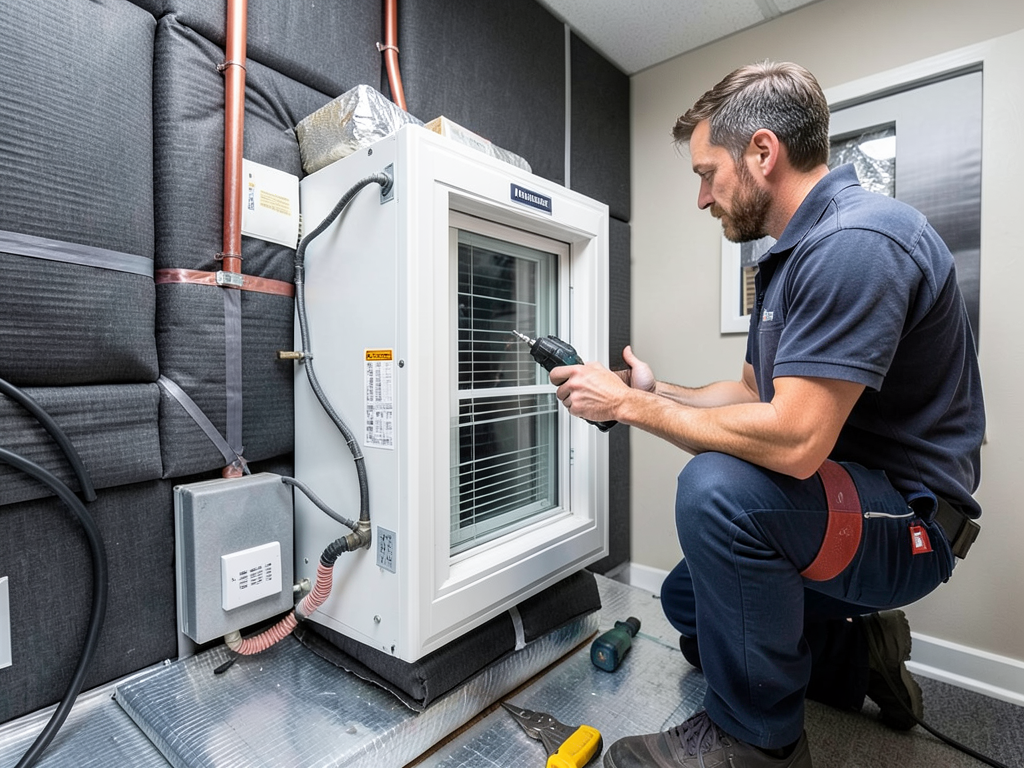
The Best Silent Cooling Solutions for North Park Home Recording Studios and Art Spaces
Home recording studios and art spaces in North Park demand more than just cool air. They require HVAC systems that operate at whisper-quiet levels to preserve the acoustic integrity of creative work. Standard residential units often produce noise that interferes with vocal takes, mixes, and delicate audio capture. The challenge becomes even more complex in North Park’s older bungalow and Spanish Colonial Revival homes where retrofitting modern HVAC requires careful planning around existing architecture and noise-sensitive neighbors. How to Retrofit Central Air into Older North Park Homes.
The primary metric for studio HVAC is decibel output measured at the lowest fan speed. Most residential systems generate between 45-60 dB at normal operation. For comparison, a library whisper registers around 30 dB. Studio-grade systems need to operate below 35 dB to avoid capturing fan noise in recordings. This requires specialized equipment with inverter-driven compressors, sound-dampening insulation, and vibration isolation mounts. The location of both indoor and outdoor units becomes critical since sound travels differently through North Park’s dense housing stock and narrow side yards.
North Park’s climate zone 3 designation means cooling loads are moderate but humidity control remains essential. The marine layer creates morning moisture that can affect both equipment and comfort. Professional studio HVAC must balance cooling capacity with humidity management without introducing noise. This requires systems with variable-speed blowers that can make micro-adjustments rather than cycling on and off. The result is consistent temperature and humidity with minimal acoustic footprint. Humidity Issues Indoors.
Installation techniques make the difference between a quiet system and a silent one. Vibration isolation pads between the compressor and mounting surface prevent structure-borne noise transmission. Flexible refrigerant lines with sound-absorbing insulation reduce vibration transfer. Indoor units benefit from sound baffles and strategic placement away from recording areas. Ductwork requires careful design with smooth bends and appropriate sizing to minimize air turbulence noise. These details matter more in recording environments than in standard residential applications. The Best Quiet Air Conditioners for Hillcrest Apartments and Condos.
Why Standard HVAC Systems Fail the ‘Studio Test’
Standard residential HVAC systems prioritize cooling capacity and energy efficiency over noise reduction. They typically operate at fixed speeds with basic sound insulation. When placed in a recording environment, these systems produce several types of noise that compromise audio quality. The compressor creates low-frequency rumble that can mask bass frequencies in recordings. The blower motor generates high-frequency hiss that interferes with vocal clarity. Ductwork expansion and contraction produces clicking and popping sounds. Each of these sounds becomes amplified in the quiet environment of a recording space.
Most residential systems also lack the precise humidity control needed for sensitive recording equipment. Guitars, microphones, and mixing consoles all respond poorly to humidity fluctuations. Standard systems cycle on and off based on temperature alone, allowing humidity to swing between cycles. This creates an unstable environment that affects both equipment longevity and recording consistency. Studio-grade systems maintain steady humidity through continuous operation at reduced capacity, eliminating the on-off cycling that causes temperature and humidity swings.
The physical placement of standard units often conflicts with studio requirements. Outdoor condensers mounted near windows or shared walls transmit noise directly into recording spaces. Indoor air handlers installed in closets or utility rooms create vibration that travels through building structure. The lack of sound attenuation in standard installations means noise radiates freely through walls and floors. These placement issues become particularly problematic in North Park’s older homes where retrofitting requires working within existing architectural constraints.
Standard systems also lack the zoning capabilities needed for multi-room studios. Recording areas require different temperatures than control rooms or equipment storage areas. Without zoning, the entire system must satisfy the highest cooling load, creating unnecessary noise in areas that need less conditioning. This results in wasted energy and compromised acoustic environments throughout the studio space.
Key Metrics for Studio Silence: Decibels (dB) and Sone Ratings
Understanding sound measurement becomes essential when selecting studio HVAC. Decibel ratings measure sound intensity on a logarithmic scale where every 10 dB increase represents a doubling of perceived loudness. A 60 dB system sounds twice as loud as a 50 dB system. Most residential HVAC operates between 45-60 dB at normal speeds. Studio-grade systems target 35 dB or lower at minimum fan speed. The difference between 45 dB and 35 dB represents a significant improvement in recording quality, reducing fan noise to levels that won’t interfere with most microphone patterns.
Sone ratings provide another way to measure HVAC noise, particularly for indoor units. One sone equals the sound of a quiet refrigerator. Residential systems typically range from 3-6 sones. Studio-grade indoor units target 1.5 sones or lower. The sone scale is linear, so a 3-sone unit sounds three times louder than a 1-sone unit. This makes sone ratings particularly useful for comparing indoor air handlers where the sound is most noticeable during recording sessions.
Frequency response matters as much as overall volume. HVAC systems produce noise across the audio spectrum, but certain frequencies interfere more with recording than others. Low-frequency rumble from compressors masks bass instruments and male vocals. Mid-frequency noise from blower motors interferes with vocal presence and acoustic instruments. High-frequency hiss from airflow becomes problematic for sensitive condenser microphones. Studio HVAC must minimize all frequency ranges, not just overall decibel levels.
Sound transmission paths require consideration beyond the unit itself. Structure-borne noise travels through walls, floors, and mounting surfaces. Airborne noise radiates directly from the unit. Both paths must be addressed through proper isolation and sound barriers. Vibration isolation pads prevent structure-borne transmission. Sound barriers like mass-loaded vinyl or double-wall construction block airborne transmission. The combination of both techniques creates the acoustic isolation needed for professional recording environments.
Top 3 Quietest HVAC Solutions for Musicians and Podcasters
1. Ductless Mini-Split Systems (The Gold Standard)
Ductless mini-split systems represent the current gold standard for quiet studio cooling. These systems separate the noisy compressor and condenser from the indoor air handler, allowing each component to be optimized for its specific function. Indoor units can operate at whisper-quiet levels while outdoor units can be positioned away from recording spaces. The best mini-split systems for studios achieve 19-25 dB operation at minimum fan speed, quieter than a whisper. EPA Energy Efficiency Guidelines.
Mitsubishi Electric’s P-Series systems lead the market for studio applications. Their indoor units feature advanced DC inverter compressors that adjust capacity in 1% increments rather than cycling on and off. This continuous operation at reduced capacity eliminates the noise spikes associated with traditional systems. The units also include advanced sound-dampening materials and aerodynamic fan designs that minimize airflow noise. Most importantly, they offer 3D i-see Sensor technology that monitors room conditions and adjusts operation to maintain consistent comfort without unnecessary noise.
Installation considerations for mini-splits in North Park studios include refrigerant line routing and condensate drainage. The narrow side yards common in bungalow neighborhoods require careful planning to route lines without creating visual clutter or violating setback requirements. Condensate lines must drain properly without creating water noise that could be picked up by microphones. Professional installation ensures these details don’t compromise the system’s acoustic performance. Ductless Mini-Split Installation for Coastal La Jolla Homes.
The modular nature of mini-splits allows for zoned cooling that matches studio workflow. Recording areas can maintain slightly cooler temperatures than control rooms where equipment generates heat. Equipment storage areas need different humidity levels than active recording spaces. Each zone can be controlled independently, optimizing comfort and minimizing energy waste. This zoning capability becomes particularly valuable in North Park’s older homes where different rooms have varying cooling loads based on sun exposure and insulation levels.
2. Variable Speed Ducted Systems with Sound Attenuation
For studios requiring central air distribution, variable speed ducted systems offer the best balance of quiet operation and whole-house comfort. These systems use electronically commutated motors (ECMs) that can adjust airflow in fine increments. Unlike traditional systems that operate at full speed or off, variable speed systems can run at 30-100% capacity. This allows them to maintain precise temperature and humidity control while operating at minimal noise levels.
The key to quiet ducted systems lies in proper sizing and design. Oversized systems short-cycle, creating noise spikes and humidity problems. Properly sized systems run longer cycles at lower speeds, maintaining steady conditions with minimal noise. The duct design must minimize static pressure to reduce airflow noise. Smooth, gradual bends replace sharp turns. Proper duct sizing ensures adequate airflow without excessive velocity. Sound attenuators installed in supply and return ducts absorb noise before it reaches living spaces.
Trane’s XV20i and Carrier’s Infinity Series represent the premium tier of quiet ducted systems. Both achieve 43-55 dB operation depending on capacity and fan speed. While louder than top-tier mini-splits, these systems offer advantages for whole-house applications. They integrate with existing ductwork, eliminating the need for wall penetrations required by mini-splits. They also provide higher cooling capacity for larger studios or homes with multiple recording spaces.
Sound attenuation techniques for ducted systems include lining ductwork with acoustic insulation, installing vibration isolation on air handlers, and using flexible duct connectors to prevent structure-borne noise transmission. Return air pathways should be designed to minimize noise while maintaining adequate airflow. Supply registers with sound-dampening features prevent airflow noise from entering recording spaces. These details require professional design and installation to achieve true studio-quiet operation.
3. VRF Systems for Multi-Room Studio Suites
Variable Refrigerant Flow (VRF) systems represent the commercial-grade solution for large studio suites or multi-room recording facilities. These systems use sophisticated controls to vary refrigerant flow to multiple indoor units based on individual cooling loads. VRF technology allows different zones to operate at different temperatures simultaneously while sharing a single outdoor unit. This zoning capability makes VRF ideal for complex studio layouts with recording areas, control rooms, and equipment storage.
Daikin’s VRV and Mitsubishi’s CITY MULTI systems lead the VRF market for studio applications. These systems achieve 30-45 dB operation depending on the specific indoor unit and operating conditions. While not as quiet as top-tier mini-splits, they offer unmatched flexibility for large or complex studio layouts. The outdoor units can be located up to 200 feet from indoor units, allowing placement far from recording spaces. This distance significantly reduces noise transmission to sensitive areas.
VRF systems include advanced features specifically valuable for studio applications. Individual zone control allows precise temperature management for different recording scenarios. Some systems offer dedicated dehumidification modes that maintain optimal humidity without significant cooling. Advanced filtration removes dust and allergens that could affect equipment or recording quality. Integrated controls allow remote monitoring and adjustment, essential for studios where equipment must remain undisturbed during sessions.
The complexity of VRF systems requires professional design and installation. Refrigerant piping must be properly sized and insulated. Electrical requirements often exceed standard residential capacity. Controls integration requires programming expertise. These systems also require regular maintenance to maintain optimal performance. However, for large studio suites or professional recording facilities, VRF technology offers capabilities unmatched by simpler systems.
Custom San Diego Considerations: Humidity, Salt Air, and Cooling Loads
San Diego’s climate zone 3 designation creates specific challenges for studio HVAC that differ from other regions. The marine layer brings morning humidity that standard systems struggle to manage. This moisture can affect recording equipment, cause mold growth in poorly ventilated spaces, and create uncomfortable conditions during recording sessions. Studio HVAC must provide active dehumidification capabilities that go beyond simple cooling-based moisture removal.
Salt air corrosion represents another San Diego-specific challenge, particularly in coastal neighborhoods like Ocean Beach or Mission Beach. The chloride ions in salt air accelerate corrosion of aluminum fins, copper tubing, and steel components. This corrosion reduces system efficiency and can lead to refrigerant leaks that compromise both cooling performance and noise levels. Studio HVAC in coastal areas requires enhanced corrosion protection including epoxy-coated coils, stainless steel components, and more frequent maintenance schedules. Stop Salt Air from Destroying Your Ocean Beach AC Unit.
North Park’s specific microclimate affects cooling loads differently than other San Diego neighborhoods. The area’s elevation and distance from the coast mean higher summer temperatures than coastal communities. However, the proximity to downtown creates urban heat island effects that can raise nighttime temperatures. These factors combine to create cooling loads that require careful calculation rather than simple rule-of-thumb sizing. Manual J load calculations become essential for proper system sizing in North Park’s varied housing stock.
California Title 24 energy standards affect studio HVAC choices through efficiency requirements and installation practices. The standards mandate minimum SEER2 ratings that continue to increase each code cycle. They also require commissioning and testing to verify proper installation. For studio applications, these requirements mean selecting high-efficiency equipment that may cost more upfront but provides better long-term performance and lower operating costs. The standards also influence installation practices like duct sealing and insulation requirements. California Title 24 Energy Standards.
San Diego Gas & Electric’s high electricity rates make energy efficiency particularly important for studio HVAC. Systems with higher SEER2 ratings cost more initially but provide significant operating cost savings over their lifetime. For studios that operate many hours per week, these savings can offset the higher initial investment within a few years. Energy monitoring capabilities in modern systems allow tracking of usage patterns and identification of efficiency opportunities.
Professional Installation Hacks for Maximum Soundproofing
Professional installation techniques make the difference between a quiet system and a silent one. The first critical step involves proper equipment selection based on actual cooling loads rather than rule-of-thumb sizing. Manual J calculations determine the precise cooling capacity needed for each space. This prevents oversizing that causes short cycling and noise spikes. The calculations must account for North Park’s specific conditions including older home insulation levels, window areas, and sun exposure patterns.
Vibration isolation represents the most overlooked aspect of quiet HVAC installation. Compressors and air handlers generate vibrations that travel through mounting surfaces and radiate as structure-borne noise. Professional installers use vibration isolation pads, spring isolators, and flexible refrigerant line connectors to break this vibration path. The mounting surface itself matters – concrete pads transmit less vibration than wood framing. In upstairs installations, additional isolation between the air handler and floor structure prevents noise transmission to rooms below.
Sound barrier installation requires understanding how noise travels through building assemblies. Mass-loaded vinyl barriers installed between the HVAC equipment and adjacent spaces block airborne noise transmission. Double-layer drywall with sound-dampening compound between layers provides additional sound isolation. For ducted systems, sound attenuators installed in supply and return ducts absorb noise before it reaches living spaces. These barriers must be properly sealed at edges to prevent noise leakage around barriers.
Outdoor unit placement requires careful consideration of noise propagation paths. Units mounted near windows or shared walls transmit noise directly into adjacent spaces. Professional installers evaluate prevailing wind patterns, as wind can carry compressor noise surprising distances. They also consider reflective surfaces that can amplify noise. In North Park’s dense housing, this often means placing outdoor units in least disruptive locations and using additional sound barriers when ideal placement isn’t possible.
Control system programming affects both comfort and noise levels. Professional installers program systems to maintain steady conditions rather than allowing wide temperature swings that trigger noisy recovery cycles. They also set appropriate fan speeds that balance airflow needs with noise considerations. Many modern systems include programmable schedules that reduce operation during recording sessions or adjust based on occupancy patterns. These programming details require understanding both HVAC technology and studio workflow patterns.
Get a Quiet HVAC Consultation in San Diego
Selecting the right quiet HVAC system for your North Park recording studio requires expertise in both HVAC technology and acoustic principles. Professional consultation involves evaluating your specific cooling loads, acoustic requirements, and installation constraints. This evaluation includes measuring existing noise levels, calculating cooling requirements, and assessing installation options within your home’s architecture. The consultation should result in a system design that meets both your cooling needs and your acoustic requirements.
Professional installation makes the difference between a system that works and one that performs flawlessly for years. This installation includes proper equipment mounting, vibration isolation, sound barrier installation, and control programming. It also involves testing and commissioning to verify that the system operates as designed. Professional installers understand how to work within North Park’s building codes and permit requirements while achieving the acoustic performance needed for professional recording.
Maintenance requirements for quiet studio HVAC differ from standard residential systems. Regular filter changes prevent airflow restrictions that increase noise levels. Coil cleaning maintains efficiency and prevents the strain that causes excess noise. Refrigerant charge verification ensures optimal compressor operation. Professional maintenance also includes checking vibration isolation components and sound barriers to ensure they remain effective over time. These maintenance tasks require technicians familiar with the specific equipment and its acoustic requirements.
Energy efficiency considerations extend beyond initial equipment selection. Modern quiet HVAC systems include monitoring capabilities that track energy usage and identify efficiency opportunities. This monitoring can reveal problems like dirty filters, refrigerant leaks, or control issues before they become major failures. For studios operating many hours per week, these efficiency improvements can provide significant cost savings while also reducing environmental impact.
Call (619) 304-5777 today to schedule your quiet HVAC consultation. Our North Park studio HVAC specialists understand the unique requirements of recording environments and can design a system that provides whisper-quiet cooling while meeting all your comfort needs. We’ll evaluate your specific situation, explain your options, and provide a detailed proposal for achieving the acoustic performance your studio requires.
Frequently Asked Questions
What decibel level is quiet enough for a home recording studio?
For professional recording quality, HVAC systems should operate below 35 dB at minimum fan speed. This level is quieter than a whisper and won’t interfere with most microphone patterns. Most residential systems operate at 45-60 dB, which can capture noticeable fan noise in recordings. Studio-grade systems achieve the lower noise levels through variable-speed operation, sound-dampening materials, and careful component selection.
How much more do quiet HVAC systems cost compared to standard units?
Quiet studio HVAC systems typically cost 15-30% more than standard residential units. This premium covers advanced sound-dampening materials, variable-speed compressors, and enhanced installation techniques like vibration isolation. However, many of these systems also offer higher energy efficiency that can offset the initial cost premium through lower operating expenses over the system’s lifetime.
Can I retrofit quiet HVAC into my existing North Park bungalow?
Yes, most North Park homes can accommodate quiet HVAC retrofits, though the specific approach depends on your home’s construction and your studio’s requirements. Mini-split systems offer the easiest retrofit option with minimal wall penetrations. Ducted systems may require more extensive modifications but can provide whole-house comfort. A professional evaluation can determine the best approach for your specific situation.
How long does professional quiet HVAC installation take?
Professional quiet HVAC installation typically requires 1-3 days depending on system complexity and home configuration. Mini-split installations often complete in one day, while ducted systems or VRF installations may require multiple days. The installation includes equipment mounting, refrigerant line installation, control wiring, sound barrier installation, and system commissioning to verify proper operation.
{
“@context”: “https://schema.org”,
“@type”: “BlogPosting”,
“headline”: “The Best Silent Cooling Solutions for North Park Home Recording Studios and Art Spaces”,
“description”: “Find the quietest HVAC systems for North Park home studios. Learn decibel ratings, sound-dampening installation, and local San Diego noise regulations for professional recording environments.”,
“wordCount”: 3186,
“datePublished”: “2026-06-13T13:21:00.000Z”,
“dateModified”: “2026-06-13T13:21:00.000Z”,
“inLanguage”: “en-US”,
“mainEntityOfPage”: {
“@type”: “WebPage”,
“@id”: “https://elitehvacsandiego.com”
},
“publisher”: {
“@type”: “LocalBusiness”,
“name”: “Elite HVAC San Diego”,
“url”: “https://elitehvacsandiego.com”
},
“author”: {
“@type”: “Organization”,
“name”: “Elite HVAC San Diego”,
“url”: “https://elitehvacsandiego.com”
},
“image”: {
“@type”: “ImageObject”,
“url”: “https://elitehvacsandiego.com/wp-content/uploads/2026/03/the-best-silent-cooling-solutions-for-north-park-h-1.png”
}
}
{
“@context”: “https://schema.org”,
“@type”: “HVACBusiness”,
“name”: “Elite HVAC San Diego”,
“url”: “https://elitehvacsandiego.com”,
“address”: {
“@type”: “PostalAddress”,
“addressLocality”: “San Diego”
},
“areaServed”: {
“@type”: “City”,
“name”: “San Diego”
}
}
{
“@context”: “https://schema.org”,
“@type”: “FAQPage”,
“mainEntity”: [
{
“@type”: “Question”,
“name”: “What decibel level is quiet enough for a home recording studio?”,
“acceptedAnswer”: {
“@type”: “Answer”,
“text”: “For professional recording quality, HVAC systems should operate below 35 dB at minimum fan speed. This level is quieter than a whisper and won’t interfere with most microphone patterns. Most residential systems operate at 45-60 dB, which can capture noticeable fan noise in recordings. Studio-grade systems achieve the lower noise levels through variable-speed operation, sound-dampening materials, and careful component selection.”
}
},
{
“@type”: “Question”,
“name”: “How much more do quiet HVAC systems cost compared to standard units?”,
“acceptedAnswer”: {
“@type”: “Answer”,
“text”: “Quiet studio HVAC systems typically cost 15-30% more than standard residential units. This premium covers advanced sound-dampening materials, variable-speed compressors, and enhanced installation techniques like vibration isolation. However, many of these systems also offer higher energy efficiency that can offset the initial cost premium through lower operating expenses over the system’s lifetime.”
}
},
{
“@type”: “Question”,
“name”: “Can I retrofit quiet HVAC into my existing North Park bungalow?”,
“acceptedAnswer”: {
“@type”: “Answer”,
“text”: “Yes, most North Park homes can accommodate quiet HVAC retrofits, though the specific approach depends on your home’s construction and your studio’s requirements. Mini-split systems offer the easiest retrofit option with minimal wall penetrations. Ducted systems may require more extensive modifications but can provide whole-house comfort. A professional evaluation can determine the best approach for your specific situation.”
}
},
{
“@type”: “Question”,
“name”: “How long does professional quiet HVAC installation take?”,
“acceptedAnswer”: {
“@type”: “Answer”,
“text”: “Professional quiet HVAC installation typically requires 1-3 days depending on system complexity and home configuration. Mini-split installations often complete in one day, while ducted systems or VRF installations may require multiple days. The installation includes equipment mounting, refrigerant line installation, control wiring, sound barrier installation, and system commissioning to verify proper operation.”
}
}
]
}
{
“@context”: “https://schema.org”,
“@type”: “BreadcrumbList”,
“itemListElement”: [
{
“@type”: “ListItem”,
“position”: 1,
“name”: “Home”,
“item”: “https://elitehvacsandiego.com”
},
{
“@type”: “ListItem”,
“position”: 2,
“name”: “Blog”,
“item”: “https://elitehvacsandiego.com/blog”
},
{
“@type”: “ListItem”,
“position”: 3,
“name”: “The Best Silent Cooling Solutions for North Park Home Recording Studios and Art Spaces”
}
]
}
{
“@context”: “https://schema.org”,
“@type”: “Service”,
“serviceType”: “HVAC”,
“provider”: {
“@type”: “LocalBusiness”,
“name”: “Elite HVAC San Diego”,
“url”: “https://elitehvacsandiego.com”
},
“areaServed”: {
“@type”: “City”,
“name”: “San Diego”
},
“description”: “Find the quietest HVAC systems for North Park home studios. Learn decibel ratings, sound-dampening installation, and local San Diego noise regulations for professional recording environments.”
}