
Why AC Unit Placement Matters in Burlingame
Proper placement of your outdoor AC unit directly impacts its efficiency lifespan and your home’s energy costs. In Burlingame the combination of coastal humidity and dense residential architecture creates unique challenges for both performance and aesthetics. A poorly placed unit can lead to restricted airflow higher energy bills and even premature system failure. The goal is finding a location that balances visual appeal with the technical requirements your system needs to operate at peak efficiency. Humidity Issues Indoors.
Many homeowners discover their AC unit after installation and realize it’s an eyesore or positioned in a way that limits future landscaping options. Understanding the basic principles of airflow clearance and heat dissipation before installation or relocation can save you significant headaches down the road. The right placement also helps you avoid costly code violations and neighbor complaints about noise or visual impact.
Burlingame’s specific climate conditions mean your unit faces challenges that differ from inland areas. The marine layer brings higher humidity levels which can affect condenser efficiency while the neighborhood’s mature tree canopy creates both shade opportunities and potential airflow obstructions. Let’s explore how to work with these factors rather than against them.
The 24-Inch Rule and Essential Clearances
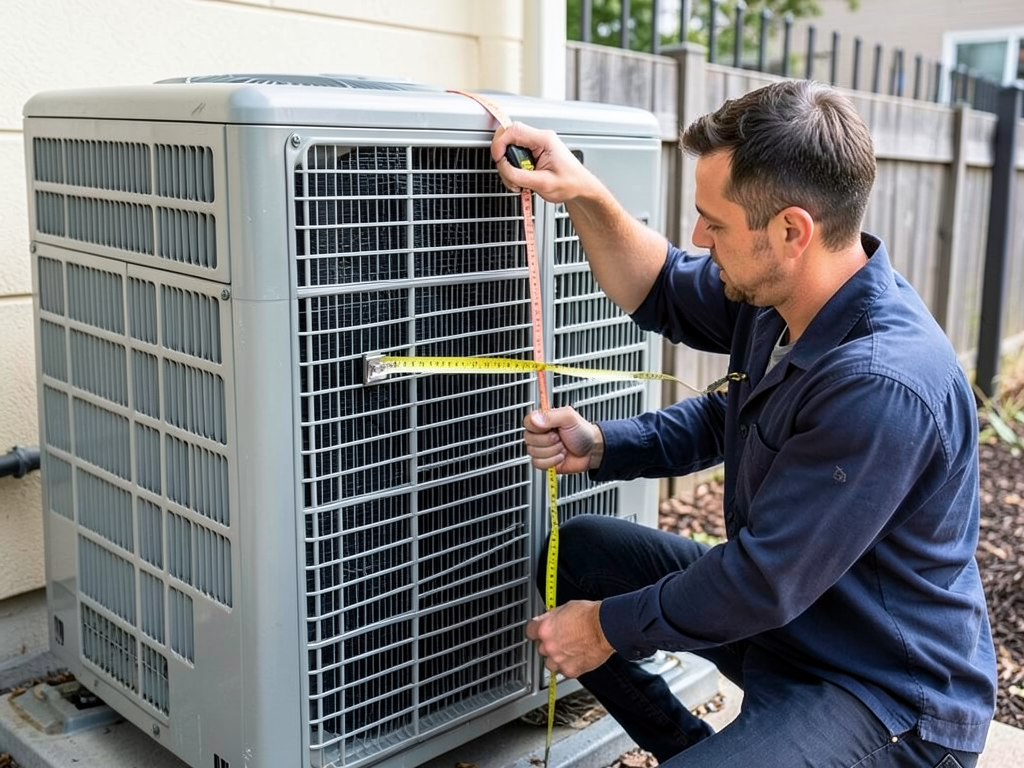
Every AC manufacturer specifies minimum clearance requirements that you must follow to maintain warranty coverage and system performance. The standard ’24-inch rule’ means your unit needs at least 24 inches of clearance on all sides from walls fences and other obstructions. This space allows for proper air intake and exhaust preventing the system from recycling its own hot air.
Above the unit you need even more space. Most manufacturers recommend a minimum of 60 inches of vertical clearance from any overhead structures like decks balconies or roof overhangs. This prevents heat buildup and allows technicians to service the unit without climbing over obstacles. For units placed near property lines local codes often require additional setbacks so always check with Burlingame’s building department before finalizing your location.
Ground clearance is equally important. Your concrete pad should sit at least 3-4 inches above grade to prevent water pooling and protect against soil moisture that can cause corrosion. In Burlingame’s clay-rich soil this elevation also helps prevent the unit from shifting during the rainy season when the ground expands and contracts.
Balancing Shade and Airflow in Coastal California
Finding the right balance between shading your unit and maintaining proper airflow is crucial for coastal homes. Direct sunlight can increase your AC’s energy consumption by 10-25% as the system works harder to reject heat. However creating too much shade or blocking airflow with dense vegetation can be equally problematic.
The ideal solution involves strategic placement that provides morning shade while avoiding afternoon heat buildup. East-facing locations often work well in Burlingame as they receive gentle morning sun but stay cooler during the hottest part of the day. If you’re using landscaping for shade choose plants that allow good air circulation and won’t drop excessive debris into the unit.
For homes near the coast salt air corrosion becomes an additional concern. Units within 1-2 miles of the ocean need extra protection from salt spray which can damage coils and electrical components. Consider installing a corrosion-resistant coating and positioning the unit where prevailing winds don’t directly carry salt mist toward it. Stop Salt Air from Destroying Your Ocean Beach AC Unit.
San Diego Building Code Compliance and Title 24
California Title 24 Building Energy Efficiency Standards set specific requirements for HVAC installations that affect unit placement. These regulations ensure your system operates efficiently and meets minimum performance standards. In Burlingame you’ll also need to comply with local noise ordinances which limit the sound levels your unit can produce at property lines. California Title 24 Energy Standards.
The San Diego Municipal Code Section 59.5.0401 addresses outdoor equipment noise and requires that HVAC units meet specific decibel ratings based on their distance from property lines. Modern high-efficiency units typically operate between 60-70 dB which is comparable to normal conversation. If your unit is older or louder you may need additional sound barriers or a different location. San Diego Municipal Code.
Title 24 also impacts your installation through HERS (Home Energy Rating System) testing requirements. These tests verify that your ductwork is properly sealed and that your system meets efficiency standards. Poor unit placement that restricts airflow can cause your system to fail these tests requiring costly adjustments.
Ground vs. Wall-Mounted Installations for Burlingame Homes
Ground-mounted units remain the most common installation type in Burlingame due to the area’s single-family home architecture. These installations offer easier maintenance access and better vibration isolation. However they require careful consideration of drainage patterns and soil conditions.
Wall-mounted units can be an excellent option for homes with limited yard space or where ground installation isn’t practical. These systems mount directly to exterior walls using heavy-duty brackets and often include vibration isolation pads. The key advantage is freeing up ground space for landscaping while keeping the unit at a comfortable height for maintenance. Zone Control Systems.
When choosing between mounting options consider your home’s construction. Older Burlingame homes with stucco exteriors may require additional reinforcement for wall mounts while newer constructions often have pre-engineered mounting points. Always have a structural assessment done before installing a wall-mounted unit to ensure your wall can support the weight.
Common Placement Mistakes to Avoid
One of the most frequent mistakes is placing the unit too close to bedroom windows or outdoor living spaces. Even quiet modern units produce some noise and vibrations that can become annoying when you’re trying to sleep or relax. A good rule is to maintain at least 10 feet of distance from any bedroom windows. The Best Quiet Air Conditioners for Hillcrest Apartments and Condos.
Another common error is positioning the unit where it will be surrounded by future landscaping. That small shrub you plant today can grow into a major obstruction within a few years. Always consider the mature size of nearby plants and leave extra clearance for growth.
Placing units in areas prone to debris accumulation is also problematic. Avoid locations under trees that drop leaves needles or fruit as this debris can clog coils and reduce efficiency. Similarly avoid low spots where leaves and other debris naturally collect during windstorms.
Maintenance Access: The Often-Forgotten Factor
Even the best-placed unit becomes a problem if technicians can’t easily access it for maintenance and repairs. Your installation should allow at least 30 inches of clear space in front of the unit for service access. This means you’ll need to avoid placing it against walls or fences where the back faces an inaccessible area.
Consider the path technicians will need to take with their equipment. Will they need to navigate through narrow gates tight corners or up steps Heavy equipment like refrigerant gauges and coil cleaning tools require stable footing so avoid locations that force technicians to work from ladders or unstable surfaces.
Regular maintenance access also means considering how you’ll manage vegetation around the unit. You’ll need to be able to trim plants weed-eat and remove debris without damaging the unit or its components. Some homeowners install removable lattice screens or decorative panels that can be easily removed for service access.
When to Consider a Wall-Mounted Installation
Wall-mounted installations become particularly attractive when ground space is limited or when you’re dealing with challenging soil conditions. In Burlingame’s older neighborhoods with smaller lot sizes wall mounting can free up valuable yard space while keeping the unit at an optimal height for both performance and aesthetics.
These installations also work well for second-story additions or when the ground-level location would be too far from the indoor air handler. The shorter refrigerant line runs improve system efficiency and reduce installation costs. However wall mounting requires careful structural assessment and often needs permits specifically for the mounting hardware.
Modern wall-mounted units include advanced vibration isolation technology that minimizes noise transfer to your home’s structure. When properly installed these systems can be quieter than ground-mounted units since they’re not subject to the same vibration issues from compressors and fans.
Protecting Your Investment: Long-Term Considerations
Your AC unit represents a significant investment that should last 15-20 years with proper care. The placement decisions you make today will affect its performance reliability and maintenance needs throughout its entire lifespan. Consider how your needs might change over time and choose a location that offers flexibility.
For example if you’re planning future landscaping additions or outdoor living space improvements make sure your unit placement won’t conflict with those plans. Similarly if you might add solar panels or other rooftop equipment in the future ensure your unit location won’t interfere with those installations.
Climate change also factors into long-term planning. As temperatures rise and heat waves become more frequent your AC will work harder and need optimal conditions to maintain efficiency. A well-placed unit today will save you money and headaches as cooling demands increase in the coming years.
Professional Installation: Why DIY Often Fails
While it might seem straightforward to move or install an AC unit yourself the technical requirements and code compliance make professional installation essential. HVAC technicians understand the subtle factors that affect performance like proper leveling refrigerant line routing and electrical requirements that most homeowners overlook.
Professional installation also includes proper permitting and inspections that ensure your system meets all local requirements. In Burlingame this means compliance with both San Diego County regulations and any specific homeowner association rules that might apply to your neighborhood.
Most importantly professional installation protects your warranty. Many manufacturers void warranties for DIY installations or placements that don’t meet their specified requirements. The cost of professional installation is minimal compared to the potential expenses of a voided warranty or improperly functioning system.
Making the Right Choice for Your Home
The best AC unit placement balances multiple factors: efficiency code compliance aesthetics and long-term maintenance needs. In Burlingame this often means finding creative solutions that work within the constraints of established neighborhoods mature landscaping and coastal climate conditions.
Start by assessing your specific situation. Consider your home’s architecture your lot size and any local restrictions that might apply. Then think about your priorities. Is noise reduction most important? Are you willing to trade some efficiency for better aesthetics? Understanding your priorities helps guide the placement decision.
Remember that the cheapest or easiest location isn’t always the best choice. A properly placed unit might cost more upfront but will save you money through improved efficiency reduced maintenance and longer system life. The investment in getting it right pays dividends for years to come.
Frequently Asked Questions
How far should my AC unit be from my neighbor’s property?
Local codes typically require a minimum of 3 feet from property lines but you should check with Burlingame’s building department for specific requirements in your area. Some neighborhoods have additional setback requirements through homeowner associations.
Can I build a fence or screen around my AC unit?
Yes but you must maintain the manufacturer’s required clearances. A fence or screen should be at least 24 inches from the unit on all sides and allow for proper airflow. Louvered screens work better than solid panels for air circulation.
What’s the best direction to face my AC unit?
North or east-facing locations are generally best in Southern California as they avoid the intense afternoon sun. However the specific layout of your home and local wind patterns also matter so there’s no one-size-fits-all answer.
Take Action Before the Heat Hits
Don’t wait until your AC fails during a heatwave to think about placement and efficiency. The right installation now can save you thousands in energy costs and prevent emergency repairs when you need cooling most. Whether you’re installing a new system or relocating an existing unit proper planning makes all the difference.
Call (619) 304-5777 today to schedule your inspection. Our experienced technicians understand Burlingame’s unique requirements and can help you find the perfect balance between performance aesthetics and code compliance. We’ll assess your specific situation and recommend solutions that work for your home and budget.
Pick up the phone and call (619) 304-5777 before the next heat wave hits. Don’t let poor placement cost you money comfort and peace of mind. Our team is ready to help you make the right choice for your home’s cooling needs.
Ready to Optimize Your AC Placement?
Proper AC unit placement is both an art and a science. It requires understanding local codes climate conditions and your specific home’s needs. While this guide provides a solid foundation nothing beats professional assessment for your unique situation.
Whether you need a new installation relocation of an existing unit or just want a second opinion on your current setup we’re here to help. Our technicians bring years of experience with Burlingame homes and understand the nuances that make the difference between an adequate installation and an excellent one.
Don’t let another season pass with suboptimal cooling performance. Call (619) 304-5777 now to schedule your consultation. We’ll help you find the perfect placement that keeps your home cool your neighbors happy and your energy bills low. Your comfort is our priority and we’re ready to deliver the professional service you deserve.
{
“@context”: “https://schema.org”,
“@type”: “BlogPosting”,
“headline”: “How to Hide Your Outdoor AC Unit Without Overheating It in Burlingame”,
“description”: “Learn how to conceal your outdoor AC unit in Burlingame while maintaining proper airflow and efficiency. Get expert tips on placement, clearance, and local compliance.”,
“wordCount”: 2202,
“datePublished”: “2026-06-01T09:19:00.000Z”,
“dateModified”: “2026-06-01T09:19:00.000Z”,
“inLanguage”: “en-US”,
“mainEntityOfPage”: {
“@type”: “WebPage”,
“@id”: “https://elitehvacsandiego.com”
},
“publisher”: {
“@type”: “LocalBusiness”,
“name”: “Elite HVAC San Diego”,
“url”: “https://elitehvacsandiego.com”
},
“author”: {
“@type”: “Organization”,
“name”: “Elite HVAC San Diego”,
“url”: “https://elitehvacsandiego.com”
},
“image”: {
“@type”: “ImageObject”,
“url”: “https://elitehvacsandiego.com/wp-content/uploads/2026/03/how-to-hide-your-outdoor-ac-unit-without-overheati-1.png”
}
}
{
“@context”: “https://schema.org”,
“@type”: “HVACBusiness”,
“name”: “Elite HVAC San Diego”,
“url”: “https://elitehvacsandiego.com”,
“address”: {
“@type”: “PostalAddress”,
“addressLocality”: “San Diego”
},
“areaServed”: {
“@type”: “City”,
“name”: “San Diego”
}
}
{
“@context”: “https://schema.org”,
“@type”: “FAQPage”,
“mainEntity”: [
{
“@type”: “Question”,
“name”: “How far should my AC unit be from my neighbor’s property?”,
“acceptedAnswer”: {
“@type”: “Answer”,
“text”: “Local codes typically require a minimum of 3 feet from property lines but you should check with Burlingame’s building department for specific requirements in your area. Some neighborhoods have additional setback requirements through homeowner associations.”
}
},
{
“@type”: “Question”,
“name”: “Can I build a fence or screen around my AC unit?”,
“acceptedAnswer”: {
“@type”: “Answer”,
“text”: “Yes but you must maintain the manufacturer’s required clearances. A fence or screen should be at least 24 inches from the unit on all sides and allow for proper airflow. Louvered screens work better than solid panels for air circulation.”
}
},
{
“@type”: “Question”,
“name”: “What’s the best direction to face my AC unit?”,
“acceptedAnswer”: {
“@type”: “Answer”,
“text”: “North or east-facing locations are generally best in Southern California as they avoid the intense afternoon sun. However the specific layout of your home and local wind patterns also matter so there’s no one-size-fits-all answer.”
}
},
{
“@type”: “Question”,
“name”: “Ready to Optimize Your AC Placement?”,
“acceptedAnswer”: {
“@type”: “Answer”,
“text”: “Proper AC unit placement is both an art and a science. It requires understanding local codes climate conditions and your specific home’s needs. While this guide provides a solid foundation nothing beats professional assessment for your unique situation.”
}
}
]
}
{
“@context”: “https://schema.org”,
“@type”: “BreadcrumbList”,
“itemListElement”: [
{
“@type”: “ListItem”,
“position”: 1,
“name”: “Home”,
“item”: “https://elitehvacsandiego.com”
},
{
“@type”: “ListItem”,
“position”: 2,
“name”: “Blog”,
“item”: “https://elitehvacsandiego.com/blog”
},
{
“@type”: “ListItem”,
“position”: 3,
“name”: “How to Hide Your Outdoor AC Unit Without Overheating It in Burlingame”
}
]
}
{
“@context”: “https://schema.org”,
“@type”: “Service”,
“serviceType”: “HVAC”,
“provider”: {
“@type”: “LocalBusiness”,
“name”: “Elite HVAC San Diego”,
“url”: “https://elitehvacsandiego.com”
},
“areaServed”: {
“@type”: “City”,
“name”: “San Diego”
},
“description”: “Learn how to conceal your outdoor AC unit in Burlingame while maintaining proper airflow and efficiency. Get expert tips on placement, clearance, and local compliance.”
}