
How to Choose the Right San Diego HVAC Contractor for Your Replacement
Choosing the right HVAC contractor in San Diego means finding someone who understands our unique coastal climate, local building codes, and the specific challenges our homes face. Whether you live in coastal areas where salt air corrodes equipment or in inland neighborhoods where summer heat strains systems, the contractor you hire needs proven experience with San Diego’s microclimates. Zone Control Systems.
Start by verifying licensing through the California State License Board. A valid C-20 HVAC license ensures the contractor meets state requirements for heating, ventilation, and air conditioning work. For San Diego specifically, you also want someone familiar with Title 24 energy efficiency standards and HERS testing requirements that are mandatory for new installations. California State License Board.
Ask about experience with local building types. San Diego homes range from mid-century modern designs in North Park to Spanish Colonial Revival homes in Mission Hills, each presenting different installation challenges. A contractor who has worked extensively in your neighborhood will understand local architectural quirks and potential complications before they arise.
Key Credentials to Verify Before Hiring
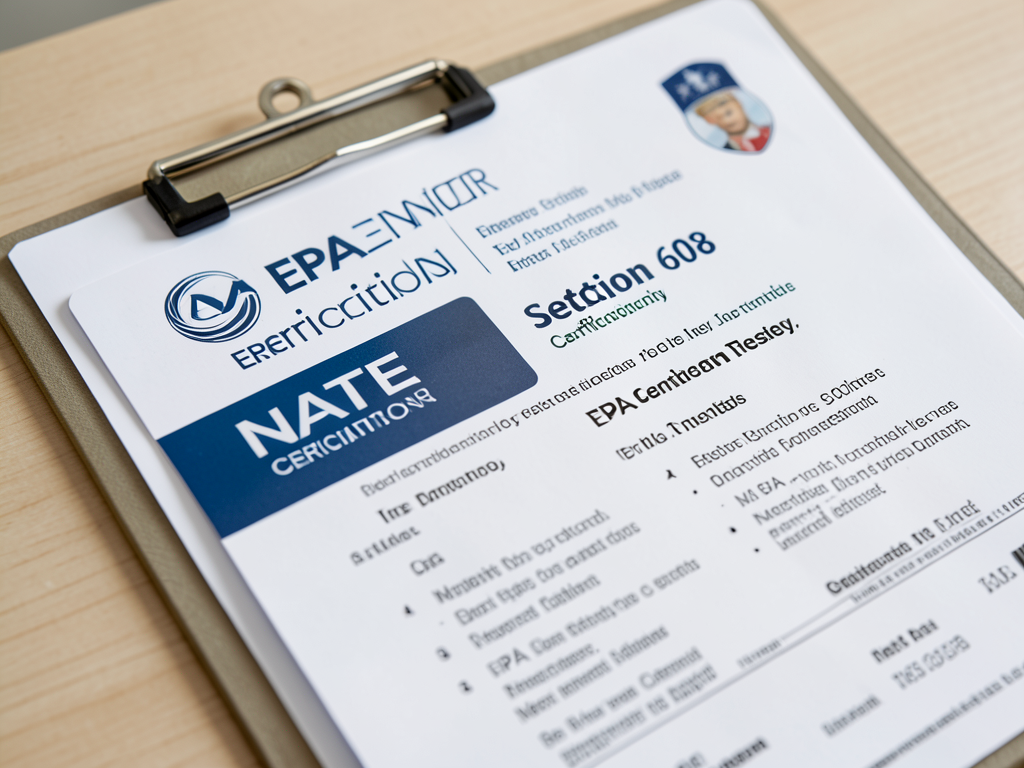
Professional certifications matter more than marketing promises. Look for NATE (North American Technician Excellence) certification, which demonstrates technical knowledge and ongoing training. EPA Section 608 certification is mandatory for handling refrigerants and shows compliance with federal environmental regulations. EPA Section 608 Certification.
Insurance coverage protects you from liability. Request proof of general liability insurance and workers’ compensation coverage. Without these, you could be financially responsible if a worker gets injured on your property or if damage occurs during installation.
Check online reviews but read between the lines. Look for patterns in feedback about communication, cleanup, and follow-up service. A contractor with 50 five-star reviews but no mention of San Diego-specific issues might not have the local expertise you need. Humidity Issues Indoors.
Understanding San Diego’s Climate Impact on HVAC Systems
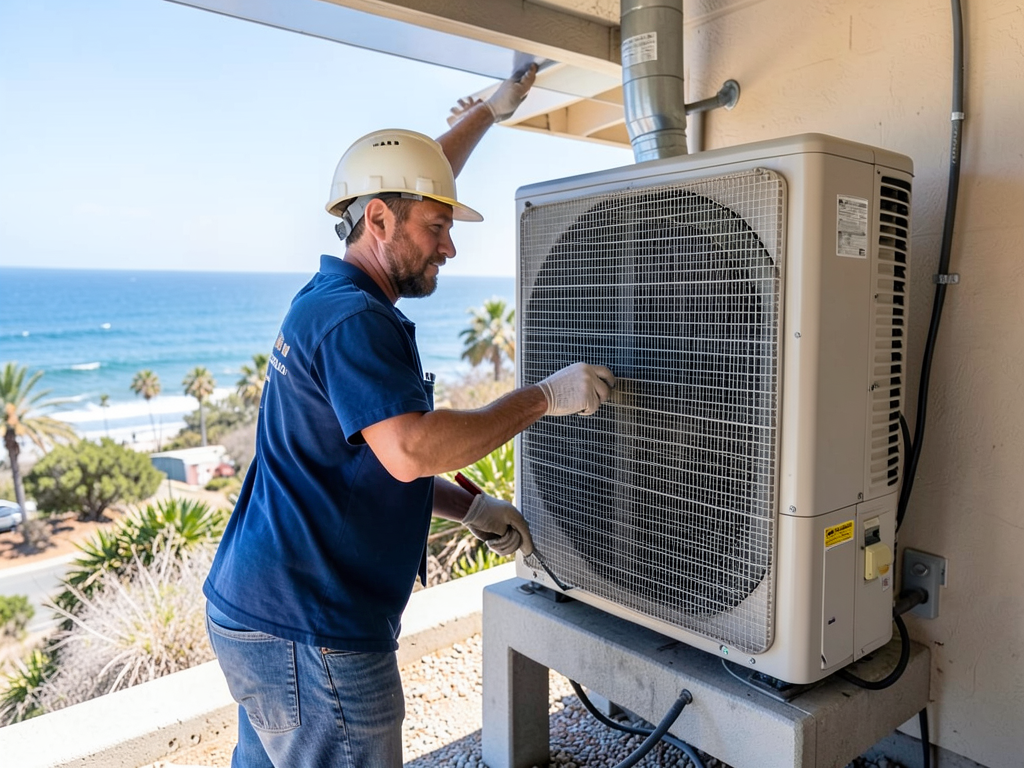
San Diego’s climate creates unique HVAC challenges that out-of-area contractors often overlook. Coastal properties from La Jolla to Imperial Beach face constant salt-air exposure that accelerates corrosion on condenser coils and electrical components. This means systems near the ocean typically need more frequent maintenance and specialized protective coatings. Stop Salt Air from Destroying Your Ocean Beach AC Unit.
Inland areas like Santee and El Cajon experience temperature extremes that coastal neighborhoods never see. Summer heat can push systems to their limits, while winter nights occasionally drop below freezing. A contractor familiar with these inland conditions will recommend equipment with appropriate capacity and efficiency ratings.. Read more about The Best High Efficiency Furnaces for Historic Homes in Kensington and South Park.
The marine layer affects humidity levels dramatically. Homes in coastal areas often deal with higher indoor humidity, requiring systems with better dehumidification capabilities. Inland properties might need humidifiers during Santa Ana wind conditions when indoor air becomes uncomfortably dry.
Comparing Contractor Bids: What to Look For
Price alone shouldn’t drive your decision. A low bid might indicate cutting corners on materials, skipping permits, or inadequate insurance coverage. Instead, compare the scope of work, equipment quality, and warranty terms across multiple proposals.
Ask each contractor to explain their load calculation process. Proper Manual J calculations ensure your new system is sized correctly for your home’s specific needs. Undersized systems struggle to maintain comfort, while oversized units cycle on and off too frequently, reducing efficiency and lifespan.
Warranty coverage varies significantly between contractors. Some offer only manufacturer warranties, while others provide additional labor warranties. Understand exactly what’s covered, for how long, and whether the contractor will be available to honor those warranties years later.
Red Flags to Watch For
Be wary of contractors who pressure you into immediate decisions or offer deals that seem too good to be true. Reputable companies provide written estimates and allow time for comparison shopping. They should also be willing to explain their recommendations in detail.
Avoid contractors who refuse to pull permits or suggest you pull them yourself. Permit requirements exist to ensure work meets safety standards and building codes. A contractor unwilling to follow proper procedures likely cuts other corners as well.
Watch for vague communication about timelines, costs, or equipment specifications. Professional contractors provide detailed written proposals that outline exactly what work will be performed, what materials will be used, and when the project will be completed.
Questions to Ask Before Signing a Contract
Ask about their experience with your specific HVAC brand and model. Some contractors specialize in certain manufacturers and may have better pricing or service relationships. Also inquire about their familiarity with SDG&E rebate programs that can significantly reduce your installation costs.
Request references from recent projects in your area. Speaking with past customers who had similar work done provides valuable insight into the contractor’s reliability, workmanship quality, and customer service approach.. Read more about Premium HVAC Solutions for Custom Homes in Del Mar.
Discuss their cleanup and disposal procedures. Professional contractors remove all old equipment, clean the work area thoroughly, and handle refrigerant disposal according to EPA regulations. They should also explain how they’ll protect your home during the installation process.
Understanding Local Building Requirements
San Diego County has specific requirements that affect HVAC installations. Title 24 mandates minimum efficiency standards that may require additional insulation or duct sealing. HERS testing verifies that new systems meet these standards before final approval.
Local noise ordinances in some neighborhoods restrict when and how loud outdoor equipment can operate. A knowledgeable contractor will recommend appropriately sized units and suggest sound-dampening solutions if needed.
Seismic requirements in earthquake-prone areas may affect how equipment is mounted, especially for rooftop installations. Proper seismic bracing prevents equipment damage and potential safety hazards during earthquakes.
Making Your Final Decision
After gathering information and proposals, trust your instincts about which contractor communicates best and demonstrates the most professional approach. The lowest price rarely provides the best value when it comes to HVAC replacement.
Consider the long-term relationship you’re entering. Your HVAC system will need regular maintenance for optimal performance and longevity. Choose a contractor you feel comfortable contacting for future service needs.. Read more about Expert HVAC Maintenance for Business Owners in Downtown San Diego.
Document everything in writing. A detailed contract should specify equipment models, installation procedures, payment schedules, and warranty terms. This protects both you and the contractor throughout the project.
Frequently Asked Questions
How long should a typical HVAC replacement take?
Most residential replacements take one to three days depending on system complexity and any necessary modifications. Coastal installations might take longer due to corrosion protection requirements and salt-air considerations.
What permits are required for HVAC replacement in San Diego?
Most HVAC replacements require mechanical permits from the local building department. Coastal areas might need additional inspections for salt-air corrosion protection measures. Your contractor should handle all permitting requirements.
How can I verify a contractor’s license status?
Check the California State License Board website using the contractor’s license number. You can verify active status, insurance coverage, and any disciplinary actions. Always verify current license status before signing any agreements.
What should I expect during the installation process?
Professional installations include equipment removal, system installation, testing, and cleanup. Contractors should protect your home, explain system operation, and provide maintenance instructions. They should also handle all refrigerant recovery and disposal according to EPA regulations.
- Verify Licensing and Insurance
Check CSLB license status and request proof of liability insurance and workers’ compensation coverage.
- Check Local Experience
Confirm the contractor has worked in your specific San Diego neighborhood and understands local climate challenges.
- Compare Detailed Proposals
Review written estimates that include equipment specifications, warranty terms, and permit requirements.
- Verify Certifications
Ensure NATE and EPA certifications are current and relevant to your specific HVAC needs.
- Check References
Contact recent customers in your area to verify work quality and customer service experience.
Ready to get started on your HVAC replacement? Call (619) 304-5777 today to schedule your inspection and get a detailed proposal from our experienced San Diego team. We understand the unique challenges of our coastal and inland climate and can recommend the perfect system for your home.
Don’t wait until your old system fails completely. Contact us now at (619) 304-5777 to discuss your replacement options and take advantage of current SDG&E rebate programs that could save you hundreds on your new installation.. Read more about Flexible Financing Options for San Diego AC Replacements.
You may also find this helpful. How to Retrofit Central Air into Older North Park Homes.
You may also find this helpful. Trustworthy Heating and Air Services in Escondido.
You may also find this helpful. Fast Commercial HVAC Repair to Keep Your Little Italy Restaurant Running Smoothly.
{
“@context”: “https://schema.org”,
“@type”: “BlogPosting”,
“headline”: “How to Choose the Right San Diego HVAC Contractor for Your Replacement”,
“description”: “Find the best San Diego HVAC contractor for your system replacement. Learn what to check for licensing, experience, and local climate expertise before hiring.”,
“wordCount”: 1344,
“datePublished”: “2026-03-09T14:12:00.000Z”,
“dateModified”: “2026-03-09T14:12:00.000Z”,
“inLanguage”: “en-US”,
“mainEntityOfPage”: {
“@type”: “WebPage”,
“@id”: “https://elitehvacsandiego.com”
},
“publisher”: {
“@type”: “LocalBusiness”,
“name”: “Elite HVAC San Diego”,
“url”: “https://elitehvacsandiego.com”
},
“author”: {
“@type”: “Organization”,
“name”: “Elite HVAC San Diego”,
“url”: “https://elitehvacsandiego.com”
},
“image”: {
“@type”: “ImageObject”,
“url”: “https://elitehvacsandiego.com/wp-content/uploads/2026/03/how-to-choose-the-right-san-diego-hvac-contractor-1.png”
}
}
{
“@context”: “https://schema.org”,
“@type”: “HVACBusiness”,
“name”: “Elite HVAC San Diego”,
“url”: “https://elitehvacsandiego.com”,
“address”: {
“@type”: “PostalAddress”,
“addressLocality”: “San Diego”
},
“areaServed”: {
“@type”: “City”,
“name”: “San Diego”
}
}
{
“@context”: “https://schema.org”,
“@type”: “FAQPage”,
“mainEntity”: [
{
“@type”: “Question”,
“name”: “How long should a typical HVAC replacement take?”,
“acceptedAnswer”: {
“@type”: “Answer”,
“text”: “Most residential replacements take one to three days depending on system complexity and any necessary modifications. Coastal installations might take longer due to corrosion protection requirements and salt-air considerations.”
}
},
{
“@type”: “Question”,
“name”: “What permits are required for HVAC replacement in San Diego?”,
“acceptedAnswer”: {
“@type”: “Answer”,
“text”: “Most HVAC replacements require mechanical permits from the local building department. Coastal areas might need additional inspections for salt-air corrosion protection measures. Your contractor should handle all permitting requirements.”
}
},
{
“@type”: “Question”,
“name”: “How can I verify a contractor’s license status?”,
“acceptedAnswer”: {
“@type”: “Answer”,
“text”: “Check the California State License Board website using the contractor’s license number. You can verify active status, insurance coverage, and any disciplinary actions. Always verify current license status before signing any agreements.”
}
},
{
“@type”: “Question”,
“name”: “What should I expect during the installation process?”,
“acceptedAnswer”: {
“@type”: “Answer”,
“text”: “Professional installations include equipment removal, system installation, testing, and cleanup. Contractors should protect your home, explain system operation, and provide maintenance instructions. They should also handle all refrigerant recovery and disposal according to EPA regulations.”
}
}
]
}
{
“@context”: “https://schema.org”,
“@type”: “HowTo”,
“name”: “How to Choose the Right HVAC Contractor”,
“step”: [
{
“@type”: “HowToStep”,
“position”: 1,
“name”: “Verify Licensing and Insurance”,
“text”: “Check CSLB license status and request proof of liability insurance and workers’ compensation coverage.”
},
{
“@type”: “HowToStep”,
“position”: 2,
“name”: “Check Local Experience”,
“text”: “Confirm the contractor has worked in your specific San Diego neighborhood and understands local climate challenges.”
},
{
“@type”: “HowToStep”,
“position”: 3,
“name”: “Compare Detailed Proposals”,
“text”: “Review written estimates that include equipment specifications, warranty terms, and permit requirements.”
},
{
“@type”: “HowToStep”,
“position”: 4,
“name”: “Verify Certifications”,
“text”: “Ensure NATE and EPA certifications are current and relevant to your specific HVAC needs.”
},
{
“@type”: “HowToStep”,
“position”: 5,
“name”: “Check References”,
“text”: “Contact recent customers in your area to verify work quality and customer service experience.”
}
],
“image”: “https://elitehvacsandiego.com/wp-content/uploads/2026/03/how-to-choose-the-right-san-diego-hvac-contractor-1.png”
}
{
“@context”: “https://schema.org”,
“@type”: “BreadcrumbList”,
“itemListElement”: [
{
“@type”: “ListItem”,
“position”: 1,
“name”: “Home”,
“item”: “https://elitehvacsandiego.com”
},
{
“@type”: “ListItem”,
“position”: 2,
“name”: “Blog”,
“item”: “https://elitehvacsandiego.com/blog”
},
{
“@type”: “ListItem”,
“position”: 3,
“name”: “How to Choose the Right San Diego HVAC Contractor for Your Replacement”
}
]
}
{
“@context”: “https://schema.org”,
“@type”: “Service”,
“serviceType”: “HVAC”,
“provider”: {
“@type”: “LocalBusiness”,
“name”: “Elite HVAC San Diego”,
“url”: “https://elitehvacsandiego.com”
},
“areaServed”: {
“@type”: “City”,
“name”: “San Diego”
},
“description”: “Find the best San Diego HVAC contractor for your system replacement. Learn what to check for licensing, experience, and local climate expertise before hiring.”
}