
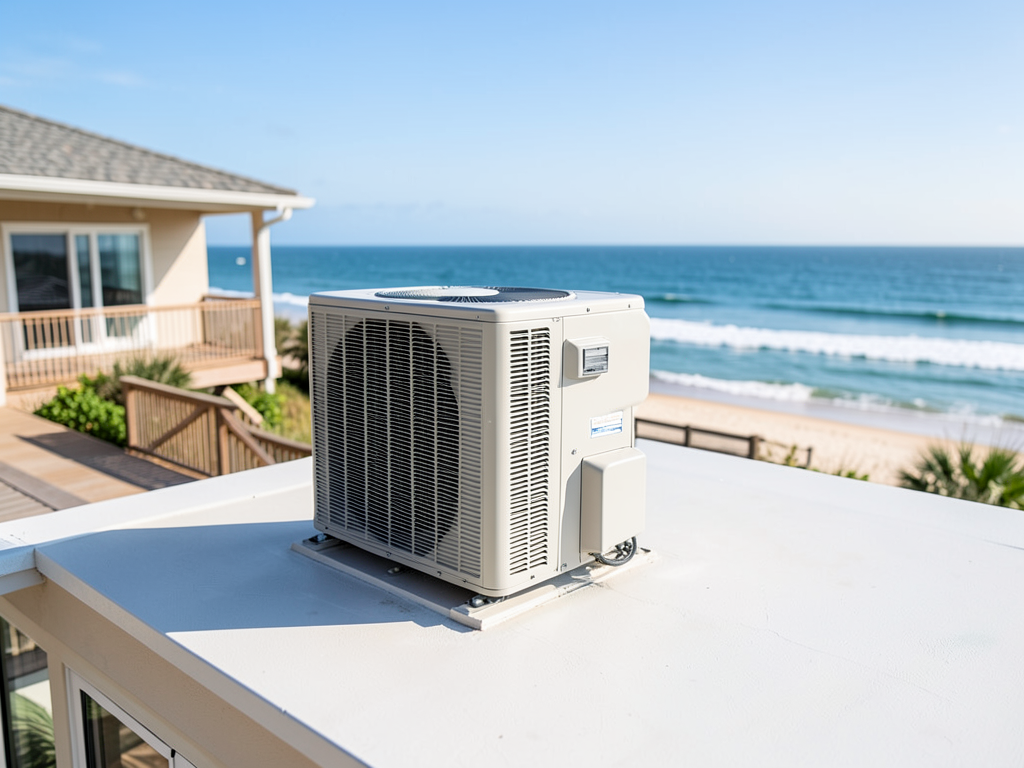
How to Choose a Rooftop AC Unit for Your Mission Beach Cottage
Mission Beach’s coastal environment demands specialized rooftop AC units that can withstand salt air, high humidity, and strict San Diego building codes. California’s Title 24 energy standards require high-efficiency equipment while the salty ocean air accelerates corrosion on metal components. This guide walks you through the essential factors to consider before making your investment. California Title 24 Building Energy Efficiency Standards.
Understanding Mission Beach’s Coastal Climate Impact
Mission Beach’s proximity to the Pacific Ocean creates a harsh operating environment for rooftop HVAC systems. Salt-laden air and high humidity levels accelerate corrosion on aluminum fins and copper tubing. Units within 1,000 feet of the shoreline require specialized protective coatings like Blygold or phenolic treatments to prevent premature failure. The marine layer also means higher latent heat loads requiring units with enhanced dehumidification capabilities. Stop Salt Air from Destroying Your Ocean Beach AC Unit.
Coastal properties face additional challenges from Santa Ana wind events that bring fine sand and debris clogging condenser coils and reducing efficiency. Regular maintenance becomes critical with most Mission Beach homeowners needing professional coil cleaning every 6-12 months compared to 18-24 months for inland properties. The 92109 zip code area experiences the highest concentration of these coastal HVAC challenges. San Diego Building Permits and Regulations.
California Title 24 Energy Compliance Requirements
California’s Title 24 Building Energy Efficiency Standards mandate specific requirements for rooftop units installed in 2026. New package units must achieve a minimum IEER of 15.0 for cooling capacities between 65,000-240,000 BTU/h. Units must also include demand-controlled ventilation with CO2 sensors and economizer cycles that automatically use outside air for cooling when conditions permit. Zone Control Systems.
Installation permits from the City of San Diego require HERS verification testing. This includes duct leakage testing and refrigerant charge verification. Units installed without proper permits face fines up to $1,000 per violation under San Diego Municipal Code Section 122.0706. The Mission Boulevard corridor has seen increased code enforcement in recent years.
Crane Logistics and Rooftop Installation Considerations
Roof installations in Mission Beach often require crane lifts due to narrow streets and limited backyard access. Crane permits from the City of San Diego cost $250-500 and require 48-hour advance notice. The narrow beach community streets mean trucks must be staged on nearby larger roads adding $200-400 to installation costs.
Roof structural integrity is critical. Most Mission Beach cottages built before 1980 have wood truss systems that may need reinforcement to support units weighing 300-800 pounds. A structural engineer must verify load capacity adding $500-1,200 to project costs. Units must be mounted on vibration isolation pads to prevent noise transmission to neighboring units as required by San Diego Municipal Code Section 59.5.0503. The Belmont Park area has particularly strict noise ordinances.
Comparing Package Unit Options for Coastal Durability
The table below compares three leading package unit brands for Mission Beach’s coastal environment:
| Brand | Coastal Protection Level | IEER Rating | Estimated Lifespan (Coastal) | Base Price Range |
|---|---|---|---|---|
| Carrier WeatherExpert | Marine-grade aluminum + Blygold coating | 18.0 | 12-15 years | $5,800-7,200 |
| Trane Voyager | Coastal shield coating + stainless hardware | 16.5 | 10-13 years | $5,200-6,800 |
| Lennox Merit | Standard coating + optional coastal upgrade | 15.0 | 8-11 years | $4,800-6,200 |
Higher-priced units with enhanced corrosion protection typically pay for themselves through extended lifespan and fewer service calls in the coastal environment. The difference between a standard unit lasting 8 years versus a marine-grade unit lasting 13 years represents significant long-term savings. Mission Beach’s unique climate makes this investment worthwhile.
Size and Capacity Calculations for Your Cottage
Proper sizing prevents both undercooling and excessive energy consumption. For Mission Beach cottages calculate cooling capacity using these factors:
- Square footage × 25 BTU (standard)
- Add 1,000 BTU per occupant (typical 2-4 people)
- Add 600 BTU per window facing west or south
- Add 400 BTU for kitchen area
- Subtract 10% for heavy shading from trees or buildings
A typical 1,200 sq ft Mission Beach cottage might need 2.5-3.0 tons of cooling capacity. Oversizing by more than 25% reduces dehumidification effectiveness and causes short cycling which stresses components and increases energy bills. The Pacific Beach area has similar sizing requirements.
Noise Considerations in Dense Beach Neighborhoods
Mission Beach’s dense housing means rooftop units sit just feet from neighbors’ bedrooms and living spaces. Units must comply with San Diego’s 60 dBA noise limit at the property line between 7 AM and 10 PM. Premium models feature variable-speed compressors that operate at 55-58 dBA versus standard units at 62-65 dBA.
Sound blankets and vibration isolation mounts reduce noise transmission through the roof structure. Strategic placement away from bedroom walls and using discharge direction away from neighboring properties further minimizes complaints. Some HOAs in Mission Beach require pre-installation noise testing adding $300-500 to project costs. The Ocean Front Walk area has the strictest noise requirements.
Maintenance Requirements for Coastal Package Units
Mission Beach units require more frequent maintenance than inland properties. The salt air causes corrosion on electrical connections fan motors and control boards. Quarterly visual inspections catch corrosion before it causes system failure. Annual professional maintenance should include:
- Coil Cleaning
Remove salt buildup and debris from condenser and evaporator coils using specialized coil cleaner and low-pressure wash. The sound of a failing capacitor is a distinct hum that indicates imminent failure.
- Electrical Inspection
Check all connections for corrosion tighten terminals and apply dielectric grease to prevent future corrosion. The smell of burning insulation indicates electrical issues requiring immediate attention. Humidity Issues Indoors.
- Bearing and Motor Check
Lubricate fan motors and check bearings for wear replacing if noise levels increase. A thermal imaging camera can detect hot spots in the roof deck before installation revealing insulation gaps.
- Refrigerant Level Verification
Check for micro-leaks caused by salt corrosion in copper tubing joints. Using a screwdriver to tap on refrigerant lines can reveal loose connections through sound changes.
- Control Board Inspection
Look for corrosion on circuit boards and replace if brown spots appear on copper traces. The texture of corroded terminals feels rough compared to smooth clean connections.
Energy Efficiency and Utility Rebate Opportunities
SDG&E offers rebates up to $300 for qualifying high-efficiency package units with IEER ratings above 16.0. Units must be installed by licensed contractors and include programmable thermostats. The California Clean Energy Initiative provides additional tax credits for units meeting specific efficiency thresholds. SDG&E Energy Rebates.
Variable-speed package units offer the best long-term value despite higher upfront costs. They maintain precise temperatures reduce humidity more effectively and operate at 60-70% capacity during mild weather cutting energy consumption by 30-40% compared to single-stage units. The El Cajon area has similar rebate programs.
Common Installation Mistakes to Avoid
Many Mission Beach installations fail due to preventable errors:
- Insufficient roof reinforcement leading to sagging and water pooling
- Improper sealing allowing salt air infiltration and corrosion
- Incorrect refrigerant charge reducing efficiency by 15-25%
- Missing vibration isolation causing noise complaints
- Failure to obtain proper permits resulting in fines and forced removal
Always verify your contractor’s CSLB license (C-20 HVAC classification) and ask for references from other Mission Beach installations. Units installed by unlicensed contractors void manufacturer warranties and may not meet Title 24 requirements. The South Mission Beach area has seen increased enforcement of licensing requirements.
Emergency Repair Considerations for Mission Beach Units
Mission Beach’s older electrical infrastructure struggles during summer heatwaves when multiple units run simultaneously. This causes voltage fluctuations that damage control boards and compressors. Installing a whole-house surge protector prevents $1,500-3,000 in damage from common power surges.
Coastal units fail more frequently during peak summer months when service demand is highest. Having a maintenance agreement with a local contractor ensures priority service when temperatures soar. Most Mission Beach units need capacitor replacement every 5-7 years due to the harsh operating environment. The Ocean Beach area experiences similar electrical challenges.
Frequently Asked Questions
How long does a rooftop AC unit last in Mission Beach?
Standard units typically last 8-11 years in Mission Beach’s coastal environment while marine-grade units with proper maintenance can last 13-15 years. Salt air corrosion is the primary limiting factor. The 92109 zip code area has the highest replacement frequency.
What size unit do I need for a 1,500 sq ft cottage?
A 1,500 sq ft cottage typically needs 3.5-4.0 tons of cooling capacity depending on factors like window orientation insulation quality and shading. Professional load calculations ensure proper sizing. The Pacific Beach area has similar sizing requirements.
Are permits required for rooftop unit replacement?
Yes. San Diego requires permits for any rooftop unit replacement including electrical upgrades and structural modifications. HERS testing is also mandatory for Title 24 compliance. The Mission Boulevard corridor has increased permit enforcement.
How much does installation cost in Mission Beach?
Installation costs range from $6,500-12,000 depending on unit size crane requirements structural modifications and permit fees. Marine-grade units with enhanced corrosion protection cost 15-25% more but last significantly longer. The Belmont Park area has higher installation costs due to crane requirements.
Ready to Upgrade Your Mission Beach Cottage?
Don’t let another summer pass with an inefficient or failing rooftop unit. The coastal environment demands specialized knowledge and equipment to ensure your investment lasts. Our team understands Mission Beach’s unique challenges and can recommend the perfect unit for your specific situation.
Call (619) 304-5777 today to schedule your free consultation and get a detailed quote for your rooftop AC installation. We’ll handle all permits structural assessments and installation logistics so you can enjoy reliable cooling without the headaches.
Pick up the phone and call (619) 304-5777 before the next heat wave hits. Your comfort and peace of mind are worth the call.
{
“@context”: “https://schema.org”,
“@type”: “BlogPosting”,
“headline”: “How to Choose a Rooftop AC Unit for Your Mission Beach Cottage”,
“description”: “Learn how to select the right rooftop AC unit for your Mission Beach cottage. Discover coastal durability, Title 24 compliance, and installation tips specific to San Diego’s beach community.”,
“wordCount”: 1596,
“datePublished”: “2026-04-08T10:30:00.000Z”,
“dateModified”: “2026-04-08T10:30:00.000Z”,
“inLanguage”: “en-US”,
“mainEntityOfPage”: {
“@type”: “WebPage”,
“@id”: “https://elitehvacsandiego.com”
},
“publisher”: {
“@type”: “LocalBusiness”,
“name”: “Elite HVAC San Diego”,
“url”: “https://elitehvacsandiego.com”
},
“author”: {
“@type”: “Organization”,
“name”: “Elite HVAC San Diego”,
“url”: “https://elitehvacsandiego.com”
},
“image”: {
“@type”: “ImageObject”,
“url”: “https://elitehvacsandiego.com/wp-content/uploads/2026/03/how-to-choose-a-rooftop-ac-unit-for-your-mission-b-1.png”
}
}
{
“@context”: “https://schema.org”,
“@type”: “HVACBusiness”,
“name”: “Elite HVAC San Diego”,
“url”: “https://elitehvacsandiego.com”,
“address”: {
“@type”: “PostalAddress”,
“addressLocality”: “San Diego”
},
“areaServed”: {
“@type”: “City”,
“name”: “San Diego”
}
}
{
“@context”: “https://schema.org”,
“@type”: “FAQPage”,
“mainEntity”: [
{
“@type”: “Question”,
“name”: “How long does a rooftop AC unit last in Mission Beach?”,
“acceptedAnswer”: {
“@type”: “Answer”,
“text”: “Standard units typically last 8-11 years in Mission Beach’s coastal environment while marine-grade units with proper maintenance can last 13-15 years. Salt air corrosion is the primary limiting factor. The 92109 zip code area has the highest replacement frequency.”
}
},
{
“@type”: “Question”,
“name”: “What size unit do I need for a 1,500 sq ft cottage?”,
“acceptedAnswer”: {
“@type”: “Answer”,
“text”: “A 1,500 sq ft cottage typically needs 3.5-4.0 tons of cooling capacity depending on factors like window orientation insulation quality and shading. Professional load calculations ensure proper sizing. The Pacific Beach area has similar sizing requirements.”
}
},
{
“@type”: “Question”,
“name”: “Are permits required for rooftop unit replacement?”,
“acceptedAnswer”: {
“@type”: “Answer”,
“text”: “Yes. San Diego requires permits for any rooftop unit replacement including electrical upgrades and structural modifications. HERS testing is also mandatory for Title 24 compliance. The Mission Boulevard corridor has increased permit enforcement.”
}
},
{
“@type”: “Question”,
“name”: “How much does installation cost in Mission Beach?”,
“acceptedAnswer”: {
“@type”: “Answer”,
“text”: “Installation costs range from $6,500-12,000 depending on unit size crane requirements structural modifications and permit fees. Marine-grade units with enhanced corrosion protection cost 15-25% more but last significantly longer. The Belmont Park area has higher installation costs due to crane requirements.”
}
},
{
“@type”: “Question”,
“name”: “Ready to Upgrade Your Mission Beach Cottage?”,
“acceptedAnswer”: {
“@type”: “Answer”,
“text”: “Don’t let another summer pass with an inefficient or failing rooftop unit. The coastal environment demands specialized knowledge and equipment to ensure your investment lasts. Our team understands Mission Beach’s unique challenges and can recommend the perfect unit for your specific situation.”
}
}
]
}
{
“@context”: “https://schema.org”,
“@type”: “HowTo”,
“name”: “Coastal Package Unit Maintenance”,
“step”: [
{
“@type”: “HowToStep”,
“position”: 1,
“name”: “Coil Cleaning”,
“text”: “Remove salt buildup and debris from condenser and evaporator coils using specialized coil cleaner and low-pressure wash. The sound of a failing capacitor is a distinct hum that indicates imminent failure.”
},
{
“@type”: “HowToStep”,
“position”: 2,
“name”: “Electrical Inspection”,
“text”: “Check all connections for corrosion tighten terminals and apply dielectric grease to prevent future corrosion. The smell of burning insulation indicates electrical issues requiring immediate attention. Humidity Issues Indoors.”
},
{
“@type”: “HowToStep”,
“position”: 3,
“name”: “Bearing and Motor Check”,
“text”: “Lubricate fan motors and check bearings for wear replacing if noise levels increase. A thermal imaging camera can detect hot spots in the roof deck before installation revealing insulation gaps.”
},
{
“@type”: “HowToStep”,
“position”: 4,
“name”: “Refrigerant Level Verification”,
“text”: “Check for micro-leaks caused by salt corrosion in copper tubing joints. Using a screwdriver to tap on refrigerant lines can reveal loose connections through sound changes.”
},
{
“@type”: “HowToStep”,
“position”: 5,
“name”: “Control Board Inspection”,
“text”: “Look for corrosion on circuit boards and replace if brown spots appear on copper traces. The texture of corroded terminals feels rough compared to smooth clean connections.”
}
],
“image”: “https://elitehvacsandiego.com/wp-content/uploads/2026/03/how-to-choose-a-rooftop-ac-unit-for-your-mission-b-1.png”
}
{
“@context”: “https://schema.org”,
“@type”: “BreadcrumbList”,
“itemListElement”: [
{
“@type”: “ListItem”,
“position”: 1,
“name”: “Home”,
“item”: “https://elitehvacsandiego.com”
},
{
“@type”: “ListItem”,
“position”: 2,
“name”: “Blog”,
“item”: “https://elitehvacsandiego.com/blog”
},
{
“@type”: “ListItem”,
“position”: 3,
“name”: “How to Choose a Rooftop AC Unit for Your Mission Beach Cottage”
}
]
}
{
“@context”: “https://schema.org”,
“@type”: “Service”,
“serviceType”: “HVAC”,
“provider”: {
“@type”: “LocalBusiness”,
“name”: “Elite HVAC San Diego”,
“url”: “https://elitehvacsandiego.com”
},
“areaServed”: {
“@type”: “City”,
“name”: “San Diego”
},
“description”: “Learn how to select the right rooftop AC unit for your Mission Beach cottage. Discover coastal durability, Title 24 compliance, and installation tips specific to San Diego’s beach community.”
}