
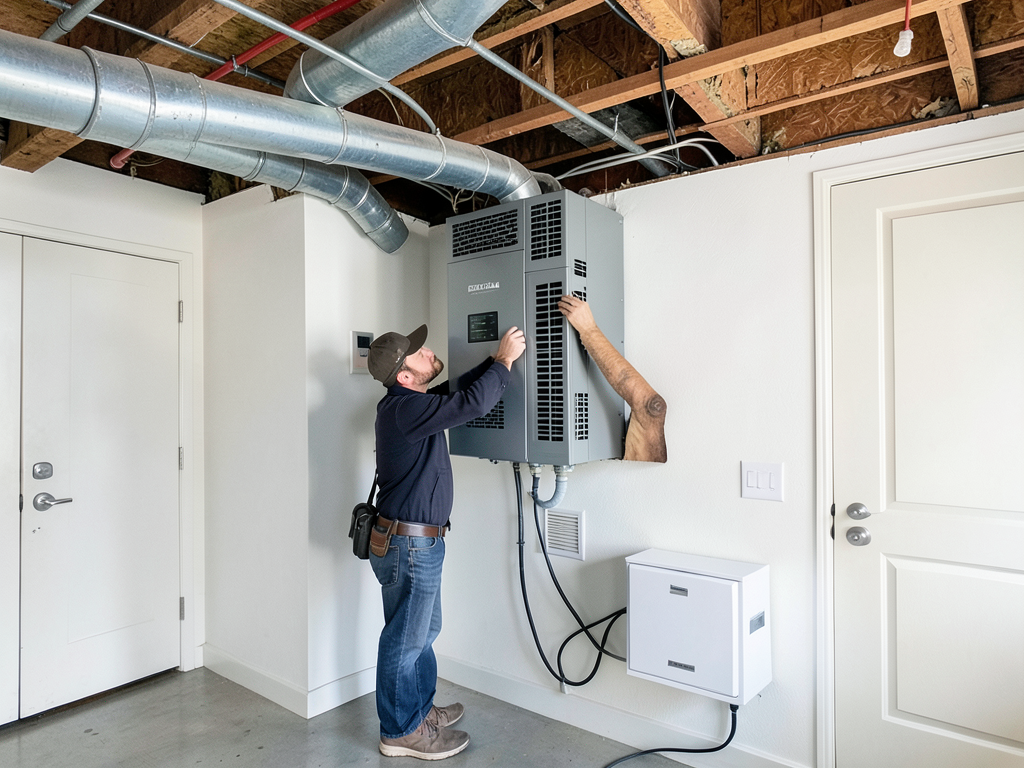
Why Your San Carlos Home Feels Stuffy Even When the Fans Are On
Your ceiling fans spin but the air still feels heavy and stale. You’re not imagining it. Many San Carlos homes built in the 1960s and 1970s were designed when energy efficiency wasn’t a priority and ventilation was an afterthought. The result is homes that trap indoor air pollutants and moisture creating that uncomfortable stuffy feeling that no amount of fan speed can fix.
San Carlos sits in a unique microclimate where coastal marine layers meet inland heat. This combination creates perfect conditions for poor indoor air quality. The moisture from morning fog combined with afternoon heat means your home’s air exchange rate drops dramatically. Without proper mechanical ventilation your living space becomes a sealed box of recycled air loaded with dust pet dander and volatile organic compounds from furniture and cleaning products.
How Poor Ventilation Creates Stuffy Homes
Modern homes are built tighter than ever for energy efficiency. While this saves on utility bills it also means natural air exchange through cracks and gaps has nearly disappeared. The air inside your home can become more polluted than outdoor air according to the EPA. In San Carlos where homes often sit on crawl spaces or have minimal attic ventilation this problem compounds quickly.
The science is simple. Your home needs a certain number of air changes per hour to maintain healthy indoor air quality. Without this exchange moisture builds up creating that damp heavy feeling. VOCs from new furniture paint and household cleaners accumulate. Dust mites thrive in the still humid conditions. Even with clean filters your HVAC system cannot solve this problem alone.
Common Ventilation Problems in San Carlos Homes
Many San Carlos properties feature mid-century construction with flat roofs and minimal attic space. These designs often lack proper ridge vents or soffit ventilation. Spanish Colonial Revival homes common in the area have thick stucco walls that create an almost airtight envelope when combined with modern dual pane windows.
Crawl spaces under these homes trap moisture from the ground. Without vapor barriers or proper ventilation this moisture rises into living spaces. The marine layer that rolls in most mornings adds humidity that gets trapped inside. By afternoon when temperatures rise the trapped moisture creates that characteristic stuffy feeling. Humidity Issues Indoors.
Mechanical Ventilation Solutions That Actually Work
Heat Recovery Ventilators and Energy Recovery Ventilators provide the fresh air exchange your home needs. An HRV transfers heat between incoming and outgoing air streams maintaining temperature while bringing in fresh air. An ERV does the same but also manages humidity levels making it ideal for San Carlos’s fluctuating coastal conditions.
These systems operate continuously bringing in filtered outdoor air while exhausting stale indoor air. The result is consistent air exchange without the energy loss of opening windows. For San Carlos homes this means fresh air even during marine layer mornings when opening windows would just invite more moisture inside. Zone Control Systems.
California Title 24 Ventilation Requirements
California Building Code Title 24 Part 6 mandates specific ventilation rates for residential buildings. New construction must meet ASHRAE 62.2 standards requiring whole house mechanical ventilation. For existing homes undergoing major remodels these requirements often apply forcing upgrades to ventilation systems. ASHRAE 62.2 ventilation standards.
The code requires whole house mechanical ventilation providing at least 0.35 air changes per hour or 15 cubic feet per minute per person plus 0.01 CFM per square foot of floor area. This ensures minimum fresh air exchange regardless of how tight the building envelope becomes. Many San Carlos homes built before these codes were enforced fall far short of these requirements.
Benefits Beyond Just Fresh Air
Proper ventilation does more than eliminate stuffiness. It prevents moisture buildup that leads to mold growth behind walls and under flooring. In San Carlos’s marine climate this is critical. The constant moisture from morning fog creates perfect mold conditions in poorly ventilated homes.
Ventilation also extends HVAC system life. When your system doesn’t have to work as hard to circulate air through clogged filters and ductwork it runs more efficiently. This means lower energy bills and fewer repairs. The filtered fresh air also reduces dust accumulation on furniture and floors.
Professional Ventilation Assessment Process
A proper ventilation audit starts with a blower door test to measure your home’s air tightness. This test identifies how many air changes per hour your home currently achieves. Next we inspect existing ductwork for leaks gaps and proper sizing. Many San Carlos homes have ductwork that was never properly sealed during construction.
We then evaluate your home’s specific needs based on square footage occupancy and local climate conditions. The marine layer humidity means an ERV often works better than an HRV for San Carlos homes. We also check for proper makeup air when exhaust fans operate to prevent backdrafting of combustion appliances.
Cost Factors and Energy Savings
Installation costs vary based on your home’s layout and existing infrastructure. Homes with accessible attics or crawl spaces typically cost less to retrofit. The energy savings from improved HVAC efficiency often offset the operating costs of mechanical ventilation systems within two to three years.
SDG&E offers rebates for energy efficient ventilation upgrades through their Energy Upgrade California program. These rebates can cover up to 30% of installation costs making proper ventilation more affordable than many homeowners realize. The long term benefits of preventing mold damage and extending HVAC life provide additional financial protection.
Wildfire Smoke Protection
San Diego’s wildfire seasons create additional ventilation challenges. When smoke fills the air you need to close windows but still maintain indoor air quality. Modern ERV systems include HEPA filtration that removes smoke particles while still providing fresh air exchange.
The filtration systems in quality ventilation units can remove particles as small as 0.3 microns. This protects your family from both outdoor pollutants and indoor contaminants. For San Carlos homes near canyon areas this protection becomes especially valuable during dry season months.
Humidity Control and Mold Prevention
San Carlos’s proximity to the coast means humidity levels often exceed 70% during morning hours. This moisture gets trapped in homes without proper ventilation. Over time this creates conditions perfect for mold growth inside walls under flooring and in attic spaces.
Mechanical ventilation with humidity control maintains indoor humidity between 30% and 50%. This range prevents mold growth while remaining comfortable for occupants. The system automatically adjusts based on outdoor conditions bringing in more dry air when humidity spikes and reducing intake during extremely dry conditions.
Smart Ventilation Technology
Modern ventilation systems include sensors that monitor indoor air quality automatically adjusting ventilation rates based on pollutant levels. These smart systems increase airflow when cooking produces smoke or when humidity rises after showers. They also integrate with smart thermostats for coordinated operation.
For San Carlos homes this means the system works hardest during those critical morning hours when the marine layer brings in moisture. By afternoon when temperatures rise the system maintains proper air exchange without overcooling your home. This intelligent operation maximizes both comfort and energy efficiency.
DIY Ventilation Mistakes to Avoid
Many homeowners try to solve stuffiness by adding more fans or running existing fans on high. This just moves the same stale air around without actually exchanging it. Others open windows during high humidity periods making the problem worse by bringing in more moisture. What Does a New AC Unit Actually Cost in San Diego?.
Some try installing bathroom exhaust fans as whole house solutions. While these help remove moisture from specific rooms they cannot provide the balanced air exchange needed for healthy indoor air quality. The exhaust creates negative pressure that can pull in unfiltered air from attics crawl spaces and wall cavities.
Maintenance Requirements
Mechanical ventilation systems need regular maintenance to operate effectively. Filters require replacement every three to six months depending on usage and local air quality. The heat exchange cores in ERVs need cleaning annually to maintain efficiency.
Ventilation ducts should be inspected every two years for leaks and cleaned every five years. In San Carlos’s dusty conditions more frequent cleaning may be necessary. The outdoor intake vents need protection from debris and insects while still allowing proper airflow.
Comparing Ventilation System Types
| System Type | Best For | Humidity Control | Energy Efficiency |
|---|---|---|---|
| HRV (Heat Recovery Ventilator) | Cold dry climates | No | High |
| ERV (Energy Recovery Ventilator) | Coastal humid climates | Yes | High |
| Exhaust Only | Bathrooms kitchens | No | Medium |
| Supply Only | New construction | No | Medium |
Installation Timeline and Process
- Home Assessment
Technician evaluates existing conditions tests air exchange rates and identifies optimal system locations.
- System Design
Engineers calculate required ventilation rates select appropriate equipment and plan duct routing.
- Installation
Technicians install equipment run ductwork and integrate with existing HVAC systems.
- Testing and Calibration
System undergoes performance testing with adjustments for optimal operation.
- Final Inspection
Building inspector verifies code compliance and system functionality.
Local Building Considerations
San Carlos homes often feature unique construction challenges. Many properties have clay tile roofs that complicate duct routing. The expansive clay soils common in the area can cause foundation movement affecting system stability.
Local building permits are required for ventilation system installation. The process typically takes two to three weeks for approval. Working with a contractor familiar with San Carlos’s specific requirements helps navigate this process smoothly.
Energy Efficiency and Utility Costs
Mechanical ventilation systems use minimal electricity typically costing $5 to $15 per month to operate. The energy savings from improved HVAC efficiency often offset this cost completely. When your system doesn’t have to work as hard to circulate air through clogged filters it runs more efficiently.
Many modern systems include energy recovery that preheats or precools incoming air using exhausted air. This feature can reduce HVAC energy consumption by 10% to 15%. In San Diego’s high electricity cost environment these savings add up quickly.
Health Benefits for Sensitive Individuals
People with asthma allergies or other respiratory conditions benefit significantly from proper ventilation. The constant fresh air exchange removes triggers like dust pollen and pet dander. HEPA filtration removes particles that standard filters miss.
For San Carlos families with young children or elderly members the improved air quality provides peace of mind. The consistent air exchange prevents the buildup of carbon dioxide and other exhaled gases that can cause drowsiness and headaches.
Integration with Existing HVAC Systems
Quality ventilation systems integrate seamlessly with your existing heating and cooling equipment. The ventilation system operates independently but coordinates with your thermostat for optimal comfort. During extreme weather the system can reduce ventilation rates to maintain temperature while still providing some fresh air.
For homes with zoning systems the ventilation can be programmed to deliver more fresh air to occupied zones. This targeted approach maximizes comfort while minimizing energy use. The integration also allows for coordinated filter changes and maintenance scheduling.
Long Term Home Value Benefits
Proper ventilation improves your home’s long term value. Buyers increasingly recognize the importance of indoor air quality. A home with a properly installed and maintained ventilation system stands out in the market.
The prevention of moisture damage and mold growth also protects your investment. Moisture damage repairs can cost thousands of dollars. The small investment in proper ventilation prevents these expensive problems from developing.
Frequently Asked Questions
Why does my house feel stuffy even with the AC running?
Your AC cools and dehumidifies but doesn’t provide the fresh air exchange needed for healthy indoor air quality. Without mechanical ventilation the same air recirculates continuously accumulating pollutants and moisture.
How much does ventilation system installation cost in San Carlos?
Installation costs typically range from $3,000 to $8,000 depending on home size existing infrastructure and system type. ERV systems cost more upfront but provide better humidity control for coastal homes.
Can I just open windows instead of installing mechanical ventilation?
Opening windows provides some air exchange but isn’t reliable or energy efficient. During marine layer mornings you’re bringing in more moisture. During Santa Ana winds you’re bringing in dust and pollen. Mechanical systems provide consistent filtered air exchange regardless of outdoor conditions.
How long does installation take?
Most residential installations take one to two days. The process includes assessment installation testing and final calibration. Additional time may be needed for permits or if extensive ductwork modifications are required.. Read more about How Solar Panel Installations Can Sometimes Make Your Rancho Del Rey Attic Hotter.
Take Control of Your Indoor Air Quality Today
Stop suffering through stuffy air and wondering why your fans aren’t helping. The solution isn’t more powerful fans or higher speed settings. Your San Carlos home needs proper mechanical ventilation to provide the fresh air exchange your family deserves.
Call (619) 304-5777 today to schedule your ventilation assessment. Our technicians understand the unique challenges of San Carlos homes and can recommend the right solution for your specific situation. Don’t wait until moisture damage or poor air quality affects your family’s health. Pick up the phone and call (619) 304-5777 now to breathe easier tomorrow. For more information, visit U.S. Department of Energy air sealing information.
You may also find this helpful. Comparing MERV Ratings to Find the Right Air Filter for Your Del Mar Home.
{
“@context”: “https://schema.org”,
“@type”: “BlogPosting”,
“headline”: “Why Your San Carlos Home Feels Stuffy Even When the Fans Are On”,
“description”: “Learn why your San Carlos home feels stuffy despite running fans. Discover ventilation solutions, air quality fixes, and local building code requirements from San Diego HVAC experts.”,
“wordCount”: 2150,
“datePublished”: “2026-05-31T06:33:00.000Z”,
“dateModified”: “2026-05-31T06:33:00.000Z”,
“inLanguage”: “en-US”,
“mainEntityOfPage”: {
“@type”: “WebPage”,
“@id”: “https://elitehvacsandiego.com”
},
“publisher”: {
“@type”: “LocalBusiness”,
“name”: “Elite HVAC San Diego”,
“url”: “https://elitehvacsandiego.com”
},
“author”: {
“@type”: “Organization”,
“name”: “Elite HVAC San Diego”,
“url”: “https://elitehvacsandiego.com”
},
“image”: {
“@type”: “ImageObject”,
“url”: “https://elitehvacsandiego.com/wp-content/uploads/2026/03/why-your-san-carlos-home-feels-stuffy-even-when-th-1.png”
}
}
{
“@context”: “https://schema.org”,
“@type”: “HVACBusiness”,
“name”: “Elite HVAC San Diego”,
“url”: “https://elitehvacsandiego.com”,
“address”: {
“@type”: “PostalAddress”,
“addressLocality”: “San Diego”
},
“areaServed”: {
“@type”: “City”,
“name”: “San Diego”
}
}
{
“@context”: “https://schema.org”,
“@type”: “FAQPage”,
“mainEntity”: [
{
“@type”: “Question”,
“name”: “Why does my house feel stuffy even with the AC running?”,
“acceptedAnswer”: {
“@type”: “Answer”,
“text”: “Your AC cools and dehumidifies but doesn’t provide the fresh air exchange needed for healthy indoor air quality. Without mechanical ventilation the same air recirculates continuously accumulating pollutants and moisture.”
}
},
{
“@type”: “Question”,
“name”: “How much does ventilation system installation cost in San Carlos?”,
“acceptedAnswer”: {
“@type”: “Answer”,
“text”: “Installation costs typically range from $3,000 to $8,000 depending on home size existing infrastructure and system type. ERV systems cost more upfront but provide better humidity control for coastal homes.”
}
},
{
“@type”: “Question”,
“name”: “Can I just open windows instead of installing mechanical ventilation?”,
“acceptedAnswer”: {
“@type”: “Answer”,
“text”: “Opening windows provides some air exchange but isn’t reliable or energy efficient. During marine layer mornings you’re bringing in more moisture. During Santa Ana winds you’re bringing in dust and pollen. Mechanical systems provide consistent filtered air exchange regardless of outdoor conditions.”
}
},
{
“@type”: “Question”,
“name”: “How long does installation take?”,
“acceptedAnswer”: {
“@type”: “Answer”,
“text”: “Most residential installations take one to two days. The process includes assessment installation testing and final calibration. Additional time may be needed for permits or if extensive ductwork modifications are required.”
}
}
]
}
{
“@context”: “https://schema.org”,
“@type”: “HowTo”,
“name”: “Ventilation System Installation Process”,
“step”: [
{
“@type”: “HowToStep”,
“position”: 1,
“name”: “Home Assessment”,
“text”: “Technician evaluates existing conditions tests air exchange rates and identifies optimal system locations.”
},
{
“@type”: “HowToStep”,
“position”: 2,
“name”: “System Design”,
“text”: “Engineers calculate required ventilation rates select appropriate equipment and plan duct routing.”
},
{
“@type”: “HowToStep”,
“position”: 3,
“name”: “Installation”,
“text”: “Technicians install equipment run ductwork and integrate with existing HVAC systems.”
},
{
“@type”: “HowToStep”,
“position”: 4,
“name”: “Testing and Calibration”,
“text”: “System undergoes performance testing with adjustments for optimal operation.”
},
{
“@type”: “HowToStep”,
“position”: 5,
“name”: “Final Inspection”,
“text”: “Building inspector verifies code compliance and system functionality.”
}
],
“image”: “https://elitehvacsandiego.com/wp-content/uploads/2026/03/why-your-san-carlos-home-feels-stuffy-even-when-th-1.png”
}
{
“@context”: “https://schema.org”,
“@type”: “BreadcrumbList”,
“itemListElement”: [
{
“@type”: “ListItem”,
“position”: 1,
“name”: “Home”,
“item”: “https://elitehvacsandiego.com”
},
{
“@type”: “ListItem”,
“position”: 2,
“name”: “Blog”,
“item”: “https://elitehvacsandiego.com/blog”
},
{
“@type”: “ListItem”,
“position”: 3,
“name”: “Why Your San Carlos Home Feels Stuffy Even When the Fans Are On”
}
]
}
{
“@context”: “https://schema.org”,
“@type”: “Service”,
“serviceType”: “HVAC”,
“provider”: {
“@type”: “LocalBusiness”,
“name”: “Elite HVAC San Diego”,
“url”: “https://elitehvacsandiego.com”
},
“areaServed”: {
“@type”: “City”,
“name”: “San Diego”
},
“description”: “Learn why your San Carlos home feels stuffy despite running fans. Discover ventilation solutions, air quality fixes, and local building code requirements from San Diego HVAC experts.”
}