
Why Your Rancho Santa Fe Estate Needs a Zoned HVAC System for Better Comfort
Your Rancho Santa Fe estate deserves consistent comfort throughout every room regardless of sun exposure or floor level. Multi-story luxury homes in this area face unique cooling challenges that standard single-thermostat systems simply cannot address. Zoned HVAC systems deliver precise temperature control to different areas of your home simultaneously while reducing energy waste and lowering utility bills under San Diego Gas & Electric’s tiered pricing structure. Zone Control Systems.
How Zoned HVAC Systems Solve Rancho Santa Fe’s Comfort Challenges
Large estates in Rancho Santa Fe typically feature expansive floor plans with varying sun exposure patterns. West-facing rooms heat up dramatically during afternoon hours while east-facing spaces stay cooler. Multi-story designs create additional complications as heat naturally rises to upper levels while lower floors remain chilly. These temperature imbalances force single-zone systems to overwork attempting to satisfy every thermostat simultaneously.. Read more about Smart Thermostat Installation to Lower Your San Diego Energy Bill.
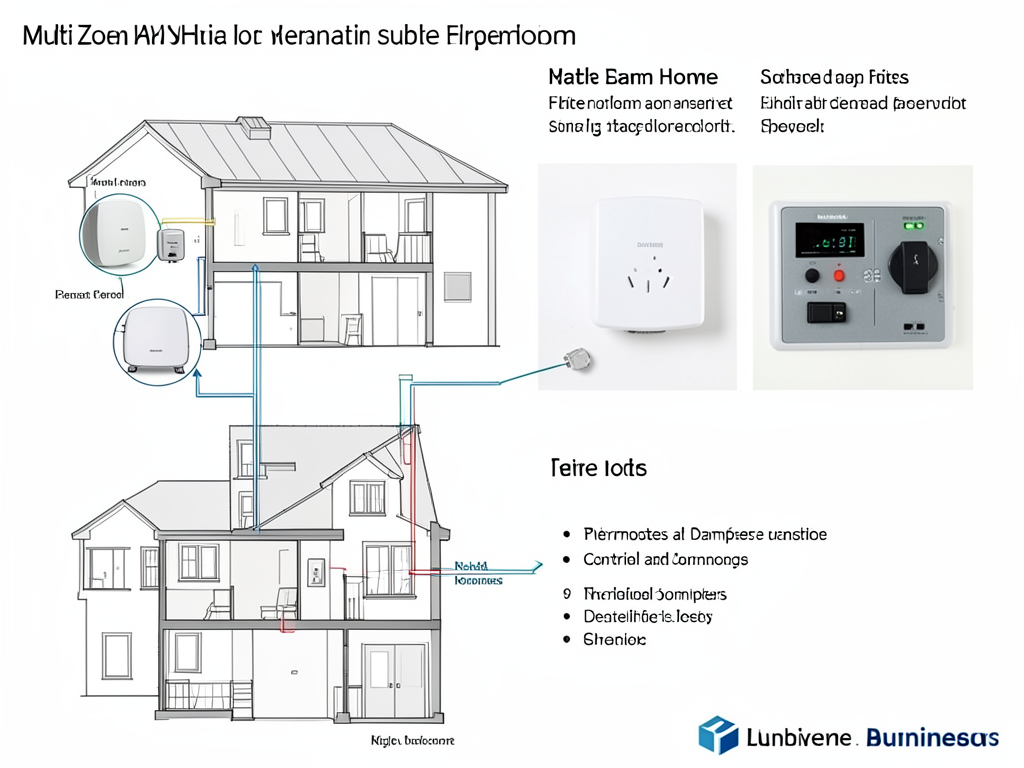
A zoned system divides your home into independent comfort zones each controlled by its own thermostat. Motorized dampers installed within your ductwork open and close automatically directing conditioned air exactly where needed. When your upstairs bedrooms require cooling but the main floor stays comfortable the system redirects airflow upstairs only. This targeted approach eliminates the constant thermostat battles that plague traditional systems.. Read more about Upgrading to a Smart Thermostat for Better Control of Your Mission Valley Condo.
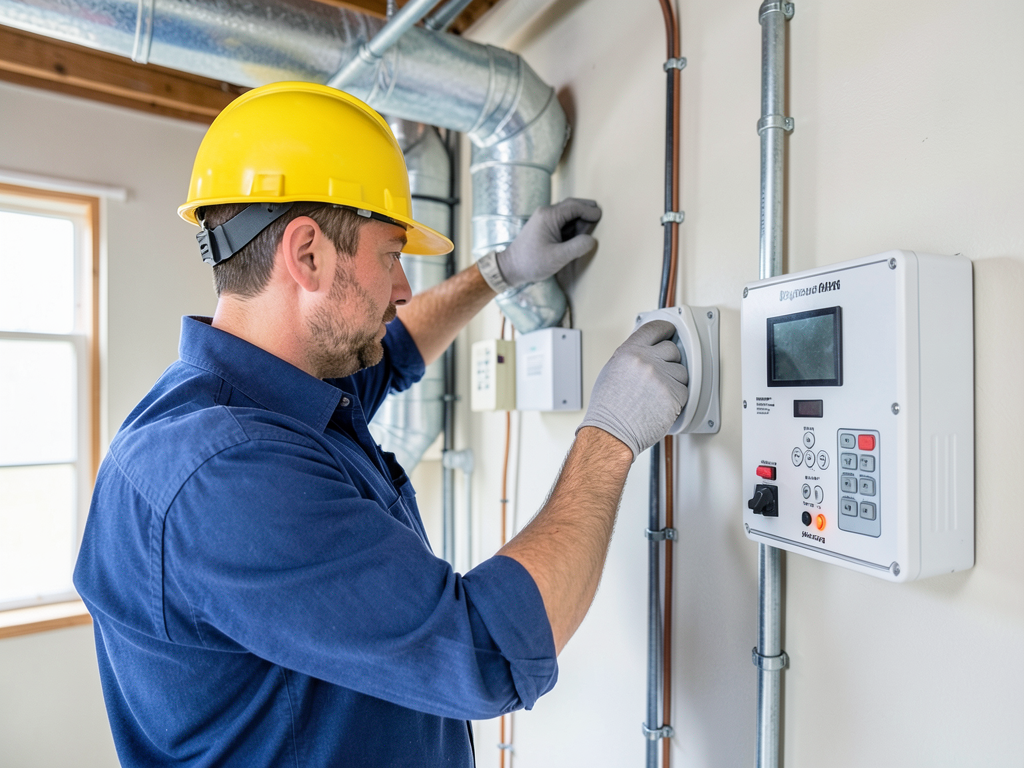
The control panel acts as the system’s brain communicating between thermostats dampers and your HVAC equipment. Modern zoning controls integrate seamlessly with smart home platforms allowing adjustments from your phone or voice commands. You gain the ability to set different temperatures for occupied versus unoccupied zones reducing energy consumption during work hours or vacations.
Understanding the Technical Components of Zoning Systems
Motorized dampers represent the heart of any zoning system. These electronically controlled valves mount inside your existing ductwork and respond to signals from zone thermostats. When a zone calls for heating or cooling the damper opens allowing airflow. When satisfied the damper closes preventing unnecessary conditioning of already comfortable spaces.
Bypass dampers provide critical pressure relief in zoned systems. When most dampers close to satisfy individual zones excess conditioned air must have somewhere to go. The bypass damper automatically opens redirecting surplus airflow back through the system preventing pressure buildup that could damage equipment or cause duct leaks.
Zone thermostats communicate temperature readings to the control panel triggering damper operation and equipment staging. Modern smart thermostats offer Wi-Fi connectivity learning your schedule and preferences over time. Some models integrate with utility demand response programs potentially earning you rebates during peak usage periods.
Variable speed equipment pairs perfectly with zoning systems. Unlike single-stage units that operate at full capacity or nothing variable speed compressors and blowers adjust output to match exact demand. This modulation capability prevents the short cycling and temperature swings common in traditional zoned installations.
Energy Savings and ROI for Rancho Santa Fe Homeowners
San Diego Gas & Electric’s tiered rate structure makes energy efficiency financially critical for Rancho Santa Fe residents. During summer months cooling costs can quickly escalate into the highest pricing tiers where electricity costs three to four times more per kilowatt-hour. Zoning systems reduce runtime by conditioning only occupied spaces preventing unnecessary cooling of guest rooms storage areas or other low-use zones.
Energy Star certified zoning systems typically reduce HVAC energy consumption by twenty to thirty percent according to Department of Energy studies. For a typical Rancho Santa Fe estate this translates to annual savings of fifteen hundred to three thousand dollars depending on home size and usage patterns. The reduced runtime also extends equipment life potentially delaying expensive replacement costs by several years.
Time-of-use rate optimization represents another significant benefit. Many SDG&E customers now pay premium rates during afternoon peak hours when cooling demand spikes. Zoning allows you to precool occupied zones before peak pricing begins then maintain comfort with minimal equipment operation during expensive periods. This strategic management can shift twenty to thirty percent of your cooling costs to lower rate periods.
California Title 24 energy standards increasingly require efficiency measures for new construction and major renovations. While not mandating zoning specifically these regulations make zoned systems an attractive path to compliance especially for larger homes exceeding Title 24 baseline calculations.
Installation Considerations for Existing Rancho Santa Fe Homes
Retrofitting zoning systems into existing ductwork requires careful evaluation of your current HVAC configuration. Homes built before two thousand often feature undersized return air pathways creating static pressure issues when adding zone dampers. A professional assessment using specialized pressure testing equipment identifies potential bottlenecks before installation begins. How to Retrofit Central Air into Older North Park Homes.
Duct sizing and layout significantly impact zoning effectiveness. Ideally each zone should have dedicated supply and return pathways preventing pressure imbalances. Homes with radial duct designs where multiple branches feed from a central plenum typically zone more effectively than those with long serpentine duct runs. The physical distance between zones also affects performance with adjacent areas zoning more efficiently than distant wings.
Equipment compatibility determines whether your existing furnace or air handler can support zoning. Single-stage equipment often struggles with the pressure variations created by multiple closed dampers. Two-stage or variable speed units handle these conditions much better maintaining consistent airflow regardless of damper positions. Heat pump systems with inverter technology represent the ideal pairing offering both heating and cooling modulation.
Permitting requirements in Rancho Santa Fe follow San Diego County regulations with additional architectural review for visible equipment modifications. Most zoning installations qualify as mechanical system alterations requiring permits but avoiding extensive structural changes. The process typically takes two to four weeks including plan review and inspections.
Coastal vs. Inland Zoning Needs in Rancho Santa Fe
Rancho Santa Fe’s inland location creates distinct cooling challenges compared to coastal San Diego neighborhoods. Summer afternoon temperatures regularly exceed ninety degrees while winter nights occasionally drop below freezing. This wider temperature swing requires systems capable of both intense cooling and reliable heating modulation.
The area’s semi-arid climate with low humidity affects system sizing and performance. Unlike coastal homes where moisture removal provides significant latent cooling inland systems must handle sensible heat loads almost exclusively. This characteristic makes precise zoning control even more valuable as it prevents overshooting comfort setpoints in already dry conditions. Humidity Issues Indoors.
Afternoon westerly winds common in Rancho Santa Fe create microclimates within individual properties. Landscaped areas shaded by mature trees maintain temperatures ten to fifteen degrees cooler than exposed sections. Zoning allows you to account for these natural variations rather than forcing uniform temperatures throughout your estate.
Soil conditions in the area including clay compositions affect foundation temperatures and heat transfer rates. Homes with slab foundations may experience different cooling loads than those with crawl spaces or basements. Zoning systems can compensate for these structural differences ensuring consistent comfort regardless of construction method.
Smart Home Integration and Modern Control Options
Today’s zoning systems integrate seamlessly with popular smart home ecosystems. Nest Ecobee and Honeywell smart thermostats all offer zoning compatibility with various control panels. Voice control through Amazon Alexa Google Assistant or Apple HomeKit allows hands-free temperature adjustments throughout your home.
Mobile applications provide remote monitoring and control accessing real-time temperature readings zone statuses and energy consumption data. Many systems send alerts when zones fall outside desired parameters or when maintenance issues arise. This connectivity proves invaluable for second homeowners or frequent travelers wanting to ensure comfort before arrival.
Geofencing capabilities automatically adjust temperatures based on your location. As you approach home the system can begin conditioning occupied zones ensuring perfect comfort upon arrival. When everyone leaves for extended periods unoccupied zones can enter energy-saving modes reducing unnecessary runtime.
Integration with utility demand response programs offers potential financial incentives. During peak demand events utilities may request reduced consumption paying participants for temporary setbacks. Smart zoning systems can automatically participate in these programs maximizing savings while maintaining acceptable comfort levels.
Common Zoning Mistakes and How to Avoid Them
Improper zone design represents the most frequent zoning failure. Creating too many small zones overwhelms control systems while too few zones eliminate the efficiency benefits. A professional assessment should analyze your home’s usage patterns solar exposure and construction characteristics determining optimal zone boundaries.. Read more about Professional Duct Sealing to Fix Hot and Cold Spots in Your Otay Mesa Home.
Undersized bypass systems cause pressure problems when multiple dampers close simultaneously. The bypass must accommodate the maximum potential reduction in duct flow preventing equipment damage and noise issues. Proper calculation considers worst-case scenarios where all but one zone demand conditioning.
Ignoring return air pathways creates comfort problems regardless of supply side improvements. Each zone needs adequate return capacity preventing positive pressure buildup that forces conditioned air through building envelope gaps. This infiltration reduces efficiency and can introduce outdoor pollutants.
Selecting incompatible equipment dooms zoning projects from the start. Single-stage systems paired with extensive zoning often experience short cycling and temperature instability. Variable speed equipment with proper controls provides the modulation necessary for reliable zoned operation.
Neglecting maintenance after installation leads to gradual performance degradation. Zone dampers require periodic inspection and lubrication while control boards need firmware updates. Annual professional service ensures all components operate at peak efficiency maintaining promised comfort and energy savings.
Comparing Zoning to Alternative Comfort Solutions
| Feature | Zoned HVAC System | Ductless Mini-Splits | Window Units |
|---|---|---|---|
| Installation Complexity | Moderate – ductwork modification | Low – minimal construction | Very Low – DIY possible |
| Energy Efficiency | High – 20-30% savings typical | Very High – no duct losses | Low – poor insulation |
| Aesthetic Impact | Minimal – concealed components | Moderate – wall units visible | High – units in windows |
| Whole Home Coverage | Excellent – integrates existing system | Good – limited by unit count | Poor – room by room only |
| Noise Level | Very Low – equipment in mechanical spaces | Low – indoor units variable speed | High – compressor cycles loudly |
| Initial Cost | High – $5,000-$15,000 typical | Very High – $3,000-$8,000 per zone | Low – $300-$800 per unit |
Professional Assessment and Next Steps
Determining whether your Rancho Santa Fe estate benefits from zoning requires comprehensive evaluation. A qualified HVAC professional should perform load calculations analyzing each room’s heating and cooling requirements. This Manual J calculation considers square footage insulation levels window orientation and local climate data ensuring properly sized equipment.
Duct system inspection identifies existing issues that zoning might amplify. Pressure testing reveals leaks restrictions and inadequate returns that compromise system performance. Thermal imaging cameras can detect insulation gaps and air leakage points contributing to comfort problems.
Equipment evaluation determines compatibility with zoning controls. Modern variable speed furnaces and heat pumps offer superior modulation but even older equipment might support basic zoning with proper design. The assessment should recommend whether repair replacement or modification provides the best return on investment.
Cost analysis compares installation expenses against projected energy savings and comfort improvements. While zoning systems require significant upfront investment the combination of utility savings extended equipment life and enhanced comfort often delivers positive returns within three to five years for larger estates.
Professional installation ensures warranty compliance and optimal performance. Experienced technicians understand the nuances of zoning control wiring damper placement and control programming. They also navigate permit requirements and coordinate inspections preventing costly delays or rework.
Frequently Asked Questions
How long does zoning installation take in an existing home?
Most zoning retrofits complete within two to three days depending on home size and complexity. The process includes damper installation control wiring and system calibration. Larger estates or those requiring extensive duct modifications may need additional time.
Will zoning work with my existing thermostat?
Standard thermostats cannot control zoned systems. You will need zone-specific thermostats that communicate with the control panel. Many homeowners upgrade to smart thermostats gaining remote access and learning capabilities while maintaining zone control.
Can I zone a home with a package unit on the roof?
Yes roof-mounted package units can support zoning systems. The installation requires roof access for damper installation and control wiring routing. Professional technicians use specialized equipment and safety procedures for these installations.
What maintenance does a zoned system require?
Zoned systems need annual professional maintenance similar to standard HVAC equipment plus zone damper inspection. Technicians lubricate damper motors check control wiring and verify proper operation. Smart thermostats may require periodic firmware updates to maintain optimal performance.
Will zoning eliminate hot and cold spots completely?
Zoning significantly reduces temperature variations but cannot overcome severe design flaws or inadequate insulation. Homes with major envelope issues may still experience some discomfort. Proper system design addresses most common imbalance problems delivering consistent comfort throughout your estate.
Ready to Experience True Comfort Control?
Your Rancho Santa Fe estate deserves comfort that adapts to your lifestyle not the other way around. Zoned HVAC systems eliminate temperature battles between rooms and floors while cutting energy costs under San Diego’s expensive utility rates. The combination of precise control extended equipment life and potential utility rebates makes this investment increasingly attractive for luxury homeowners.
Professional assessment determines whether your home can benefit from zoning and identifies the optimal configuration for your specific needs. Our technicians understand Rancho Santa Fe’s unique architectural styles and climate challenges ensuring solutions that enhance both comfort and property value.
Call (619) 304-5777 today to schedule your zoning consultation. Stop suffering through another season of uneven temperatures and skyrocketing utility bills. Your estate deserves comfort that works as hard as you do.
Pick up the phone and call (619) 304-5777 before the next heat wave hits. Rancho Santa Fe’s inland location means summer temperatures will only intensify making now the perfect time to upgrade your comfort control. For more information, visit U.S. Department of Energy on ductless systems. For more information, visit International Association of Certified Home Inspectors on duct design.
{
“@context”: “https://schema.org”,
“@type”: “BlogPosting”,
“headline”: “Why Your Rancho Santa Fe Estate Needs a Zoned HVAC System for Better Comfort”,
“description”: “Rancho Santa Fe’s large multi-story estates suffer from uneven cooling. Discover how zoned HVAC systems solve temperature imbalances and cut energy costs in San Diego’s luxury homes.”,
“wordCount”: 2255,
“datePublished”: “2026-03-08T10:57:00.000Z”,
“dateModified”: “2026-03-08T10:57:00.000Z”,
“inLanguage”: “en-US”,
“mainEntityOfPage”: {
“@type”: “WebPage”,
“@id”: “https://elitehvacsandiego.com”
},
“publisher”: {
“@type”: “LocalBusiness”,
“name”: “Elite HVAC San Diego”,
“url”: “https://elitehvacsandiego.com”
},
“author”: {
“@type”: “Organization”,
“name”: “Elite HVAC San Diego”,
“url”: “https://elitehvacsandiego.com”
},
“image”: {
“@type”: “ImageObject”,
“url”: “https://elitehvacsandiego.com/wp-content/uploads/2026/03/why-your-rancho-santa-fe-estate-needs-a-zoned-hvac-1.png”
}
}
{
“@context”: “https://schema.org”,
“@type”: “HVACBusiness”,
“name”: “Elite HVAC San Diego”,
“url”: “https://elitehvacsandiego.com”,
“address”: {
“@type”: “PostalAddress”,
“addressLocality”: “San Diego”
},
“areaServed”: {
“@type”: “City”,
“name”: “San Diego”
}
}
{
“@context”: “https://schema.org”,
“@type”: “FAQPage”,
“mainEntity”: [
{
“@type”: “Question”,
“name”: “How long does zoning installation take in an existing home?”,
“acceptedAnswer”: {
“@type”: “Answer”,
“text”: “Most zoning retrofits complete within two to three days depending on home size and complexity. The process includes damper installation control wiring and system calibration. Larger estates or those requiring extensive duct modifications may need additional time.”
}
},
{
“@type”: “Question”,
“name”: “Will zoning work with my existing thermostat?”,
“acceptedAnswer”: {
“@type”: “Answer”,
“text”: “Standard thermostats cannot control zoned systems. You will need zone-specific thermostats that communicate with the control panel. Many homeowners upgrade to smart thermostats gaining remote access and learning capabilities while maintaining zone control.”
}
},
{
“@type”: “Question”,
“name”: “Can I zone a home with a package unit on the roof?”,
“acceptedAnswer”: {
“@type”: “Answer”,
“text”: “Yes roof-mounted package units can support zoning systems. The installation requires roof access for damper installation and control wiring routing. Professional technicians use specialized equipment and safety procedures for these installations.”
}
},
{
“@type”: “Question”,
“name”: “What maintenance does a zoned system require?”,
“acceptedAnswer”: {
“@type”: “Answer”,
“text”: “Zoned systems need annual professional maintenance similar to standard HVAC equipment plus zone damper inspection. Technicians lubricate damper motors check control wiring and verify proper operation. Smart thermostats may require periodic firmware updates to maintain optimal performance.”
}
},
{
“@type”: “Question”,
“name”: “Will zoning eliminate hot and cold spots completely?”,
“acceptedAnswer”: {
“@type”: “Answer”,
“text”: “Zoning significantly reduces temperature variations but cannot overcome severe design flaws or inadequate insulation. Homes with major envelope issues may still experience some discomfort. Proper system design addresses most common imbalance problems delivering consistent comfort throughout your estate.”
}
},
{
“@type”: “Question”,
“name”: “Ready to Experience True Comfort Control?”,
“acceptedAnswer”: {
“@type”: “Answer”,
“text”: “Your Rancho Santa Fe estate deserves comfort that adapts to your lifestyle not the other way around. Zoned HVAC systems eliminate temperature battles between rooms and floors while cutting energy costs under San Diego’s expensive utility rates. The combination of precise control extended equipment life and potential utility rebates makes this investment increasingly attractive for luxury homeowners.”
}
}
]
}
{
“@context”: “https://schema.org”,
“@type”: “BreadcrumbList”,
“itemListElement”: [
{
“@type”: “ListItem”,
“position”: 1,
“name”: “Home”,
“item”: “https://elitehvacsandiego.com”
},
{
“@type”: “ListItem”,
“position”: 2,
“name”: “Blog”,
“item”: “https://elitehvacsandiego.com/blog”
},
{
“@type”: “ListItem”,
“position”: 3,
“name”: “Why Your Rancho Santa Fe Estate Needs a Zoned HVAC System for Better Comfort”
}
]
}
{
“@context”: “https://schema.org”,
“@type”: “Service”,
“serviceType”: “HVAC”,
“provider”: {
“@type”: “LocalBusiness”,
“name”: “Elite HVAC San Diego”,
“url”: “https://elitehvacsandiego.com”
},
“areaServed”: {
“@type”: “City”,
“name”: “San Diego”
},
“description”: “Rancho Santa Fe’s large multi-story estates suffer from uneven cooling. Discover how zoned HVAC systems solve temperature imbalances and cut energy costs in San Diego’s luxury homes.”
}