
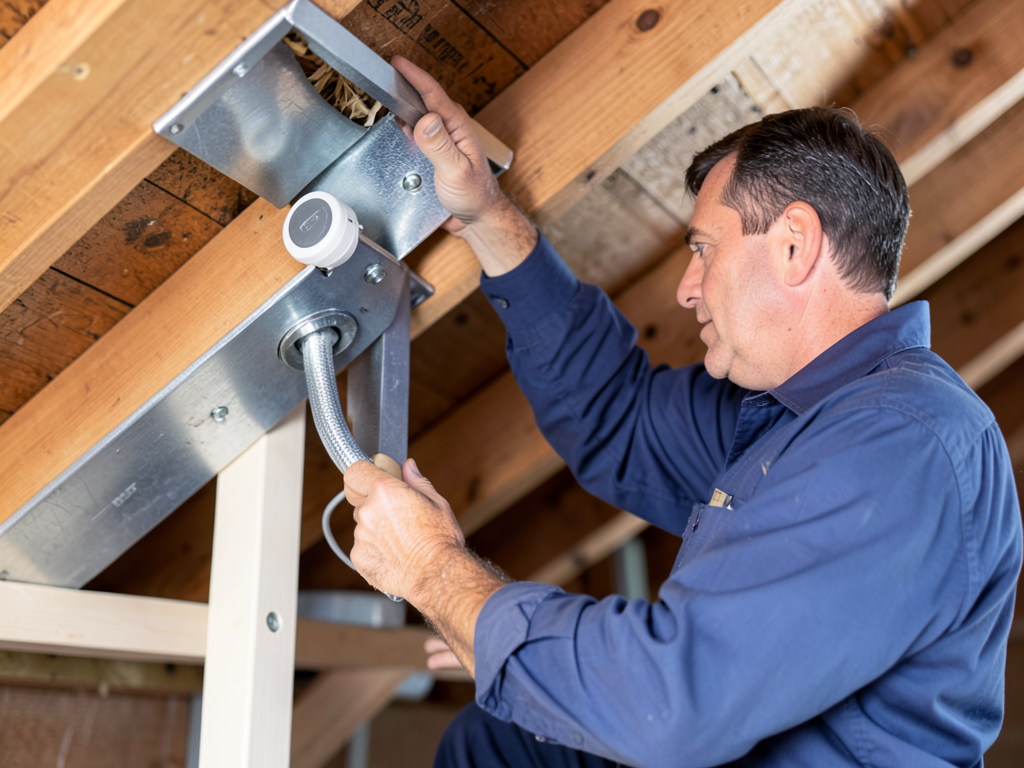
Why Your Nestor Home Needs a Secondary Drain Pan to Prevent Ceiling Water Damage
Your attic AC unit is quietly producing gallons of condensation every day. When that water has nowhere to go, it finds the path of least resistance through your ceiling. In Nestor’s coastal climate, where humidity levels hover around 70% during summer months, that condensation can quickly become a flood. A secondary drain pan acts as your last line of defense, catching overflow before it destroys drywall, insulation, and personal belongings. The Best Quiet Air Conditioners for Hillcrest Apartments and Condos.
How Your AC Creates Condensation
Your air conditioner doesn’t just cool air—it removes moisture. As warm indoor air passes over the cold evaporator coil, water vapor condenses into liquid form. This process generates approximately 5-20 gallons of water daily during peak cooling season in San Diego homes. The primary drain pan collects this water and channels it through a condensate line to the exterior of your home.
The Hidden Danger in Your Attic
Most Nestor homes built before 2010 have AC units installed in attics above living spaces. When the primary drain pan overflows due to a clog or crack, water immediately drips onto your ceiling below. Within 24-48 hours, you’ll notice water stains, sagging drywall, and potentially dangerous mold growth. The secondary drain pan catches this overflow and typically connects to a separate drain line or contains a float switch that shuts down the system. EPA Mold Prevention Guidelines.
5 Critical Warning Signs Your Secondary Pan Needs Attention
- Water stains on ceiling near vents
- Damp insulation in attic spaces
- Musty odors when AC runs
- Visible rust or corrosion on drain pans
- AC system shutting off unexpectedly
Nestor’s Unique Climate Challenges
Nestor’s proximity to San Diego Bay creates specific HVAC challenges. The combination of high humidity and salty air accelerates corrosion on metal components. Additionally, the area’s older homes often have undersized drain lines that clog more frequently with algae and mineral deposits from San Diego’s hard water supply. Humidity Issues Indoors.
Primary vs. Secondary Drain Pan: What’s the Difference?
| Feature | Primary Drain Pan | Secondary Drain Pan |
|---|---|---|
| Location | Directly under evaporator coil | Beneath primary pan or as integral unit |
| Function | Daily condensate collection | Emergency overflow protection |
| Material | Galvanized steel or plastic | Heavy-duty plastic or stainless steel |
| Lifespan | 5-10 years in coastal areas | 10-15 years with proper maintenance |
The Float Switch Safety Feature
A properly installed secondary drain pan includes a float switch that monitors water level. When water reaches a critical height, the switch automatically shuts off your AC system. This prevents continuous overflow and gives you time to address the issue before major damage occurs. California building codes now require float switches on all new installations in San Diego County. California Mechanical Code Section 307.2.2.
Common Causes of Drain Pan Overflow
- Algae and mold growth blocking condensate lines
- Mineral scale buildup from hard water
- Damaged or rusted drain pans
- Improper installation creating negative slope
- Frozen evaporator coils due to refrigerant issues
DIY Maintenance You Can Safely Perform
Monthly vinegar flushes can prevent algae growth in your condensate lines. Mix one cup of white vinegar with one gallon of water and pour it into the drain line access point. This acidic solution breaks down organic growth without damaging your system. However, never attempt to remove or replace drain pans yourself—improper handling can damage refrigerant lines and void warranties.
Professional Installation Standards
According to the International Mechanical Code Section 307.2.2, secondary drain pans must be at least 1.5 inches deep and constructed from corrosion-resistant materials. The pan must extend at least 3 inches beyond all sides of the equipment. In Nestor’s older homes, we often encounter undersized pans that don’t meet current code requirements.
Cost Comparison: Prevention vs. Repair
| Service | Average Cost | Time to Complete |
|---|---|---|
| Secondary pan installation | $450-750 | 2-4 hours |
| Float switch installation | $150-300 | 1-2 hours |
| Water damage repair | $2,500-15,000+ | 3-14 days |
| Mold remediation | $1,000-6,000 | 2-5 days |
Installation Process Overview
- System Assessment
Technician evaluates existing setup, measures equipment dimensions, and checks for code compliance issues.
- Pan Selection
Choose appropriate size and material based on equipment specifications and local humidity levels.
- Installation
Remove existing components if necessary, install new pan with proper slope and support.
- Float Switch Setup
Install and calibrate float switch, connect to AC control board for automatic shutdown. Zone Control Systems.
- Testing and Certification
Verify all connections, test overflow protection, and provide documentation for insurance purposes.
Local Building Code Requirements
San Diego County follows the 2019 California Mechanical Code, which mandates secondary drain pans for all attic installations where leakage could cause damage. The code requires pans to be constructed of galvanized steel at least No. 24 gauge or plastic at least 0.060 inches thick. Additionally, pans must be sloped a minimum of 1/8 inch per foot toward the drain outlet.
Emergency Response Timeline
When a secondary pan activates, you have approximately 24-48 hours before ceiling damage becomes severe. The float switch prevents continuous overflow, but standing water in the pan can still cause mold growth and structural issues. Contact a professional immediately to diagnose and repair the underlying cause.
Maintenance Schedule for Coastal Homes
Nestor’s coastal environment requires more frequent maintenance than inland areas. Schedule professional cleaning every 6 months instead of annually. During these visits, technicians should check for salt corrosion, verify float switch operation, and inspect all drain line connections for leaks or deterioration.
Insurance Considerations
Many insurance companies offer premium discounts for homes with properly installed secondary drain protection. Some policies now require secondary pans as a condition of coverage for attic HVAC installations. Document your installation with photos and keep all maintenance records to support insurance claims if needed.
Frequently Asked Questions
How do I know if my secondary drain pan is working?
Check the secondary drain line during AC operation. If water flows from this line, your primary pan is overflowing. Also, listen for your AC shutting off unexpectedly, which indicates the float switch has activated.
Can I install a secondary drain pan myself?
No. Secondary drain pan installation requires specialized knowledge of refrigerant lines, electrical connections, and building codes. Improper installation can damage your system and create safety hazards. Always hire a licensed HVAC contractor.
How often should secondary drain pans be replaced?
In coastal areas like Nestor, expect to replace secondary drain pans every 10-15 years due to salt corrosion and UV degradation. Schedule annual inspections to check for cracks, warping, or rust that could compromise the pan’s integrity.
What happens if my float switch fails?
A failed float switch eliminates your primary overflow protection. Without it, a clogged primary drain can cause continuous water overflow, leading to ceiling damage within hours. Test your float switch annually by manually lifting it to verify the AC shuts off.
Are secondary drain pans required by law?
Yes. California Mechanical Code Section 307.2.2 requires secondary drain pans for all attic HVAC installations where leakage could cause damage. Additionally, many local jurisdictions have adopted even stricter requirements for coastal areas.
Call for Your Free Inspection
Don’t wait for water to start dripping through your ceiling. A simple inspection can identify potential problems before they cause thousands in damage. Our technicians understand Nestor’s unique coastal challenges and can recommend the right protection for your home.
Call (619) 304-5777 today to schedule your free secondary drain pan inspection.
Protect your home from water damage with professional installation and maintenance. Our team serves Nestor and all of San Diego County with 24/7 emergency service when you need it most.
Remember: The cost of prevention is always less than the cost of repair. Contact us now to safeguard your home against AC overflow disasters.
{
“@context”: “https://schema.org”,
“@type”: “BlogPosting”,
“headline”: “Why Your Nestor Home Needs a Secondary Drain Pan to Prevent Ceiling Water Damage”,
“description”: “Protect your Nestor home from costly ceiling water damage with a secondary drain pan. Learn how this simple upgrade prevents AC overflow disasters in San Diego’s coastal climate.”,
“wordCount”: 1275,
“datePublished”: “2026-06-09T15:01:00.000Z”,
“dateModified”: “2026-06-09T15:01:00.000Z”,
“inLanguage”: “en-US”,
“mainEntityOfPage”: {
“@type”: “WebPage”,
“@id”: “https://elitehvacsandiego.com”
},
“publisher”: {
“@type”: “LocalBusiness”,
“name”: “Elite HVAC San Diego”,
“url”: “https://elitehvacsandiego.com”
},
“author”: {
“@type”: “Organization”,
“name”: “Elite HVAC San Diego”,
“url”: “https://elitehvacsandiego.com”
},
“image”: {
“@type”: “ImageObject”,
“url”: “https://elitehvacsandiego.com/wp-content/uploads/2026/03/why-your-nestor-home-needs-a-secondary-drain-pan-t-1.png”
}
}
{
“@context”: “https://schema.org”,
“@type”: “HVACBusiness”,
“name”: “Elite HVAC San Diego”,
“url”: “https://elitehvacsandiego.com”,
“address”: {
“@type”: “PostalAddress”,
“addressLocality”: “San Diego”
},
“areaServed”: {
“@type”: “City”,
“name”: “San Diego”
}
}
{
“@context”: “https://schema.org”,
“@type”: “FAQPage”,
“mainEntity”: [
{
“@type”: “Question”,
“name”: “How do I know if my secondary drain pan is working?”,
“acceptedAnswer”: {
“@type”: “Answer”,
“text”: “Check the secondary drain line during AC operation. If water flows from this line, your primary pan is overflowing. Also, listen for your AC shutting off unexpectedly, which indicates the float switch has activated.”
}
},
{
“@type”: “Question”,
“name”: “Can I install a secondary drain pan myself?”,
“acceptedAnswer”: {
“@type”: “Answer”,
“text”: “No. Secondary drain pan installation requires specialized knowledge of refrigerant lines, electrical connections, and building codes. Improper installation can damage your system and create safety hazards. Always hire a licensed HVAC contractor.”
}
},
{
“@type”: “Question”,
“name”: “How often should secondary drain pans be replaced?”,
“acceptedAnswer”: {
“@type”: “Answer”,
“text”: “In coastal areas like Nestor, expect to replace secondary drain pans every 10-15 years due to salt corrosion and UV degradation. Schedule annual inspections to check for cracks, warping, or rust that could compromise the pan’s integrity.”
}
},
{
“@type”: “Question”,
“name”: “What happens if my float switch fails?”,
“acceptedAnswer”: {
“@type”: “Answer”,
“text”: “A failed float switch eliminates your primary overflow protection. Without it, a clogged primary drain can cause continuous water overflow, leading to ceiling damage within hours. Test your float switch annually by manually lifting it to verify the AC shuts off.”
}
}
]
}
{
“@context”: “https://schema.org”,
“@type”: “HowTo”,
“name”: “Secondary Drain Pan Installation”,
“step”: [
{
“@type”: “HowToStep”,
“position”: 1,
“name”: “System Assessment”,
“text”: “Technician evaluates existing setup, measures equipment dimensions, and checks for code compliance issues.”
},
{
“@type”: “HowToStep”,
“position”: 2,
“name”: “Pan Selection”,
“text”: “Choose appropriate size and material based on equipment specifications and local humidity levels.”
},
{
“@type”: “HowToStep”,
“position”: 3,
“name”: “Installation”,
“text”: “Remove existing components if necessary, install new pan with proper slope and support.”
},
{
“@type”: “HowToStep”,
“position”: 4,
“name”: “Float Switch Setup”,
“text”: “Install and calibrate float switch, connect to AC control board for automatic shutdown. Zone Control Systems.”
},
{
“@type”: “HowToStep”,
“position”: 5,
“name”: “Testing and Certification”,
“text”: “Verify all connections, test overflow protection, and provide documentation for insurance purposes.”
}
],
“image”: “https://elitehvacsandiego.com/wp-content/uploads/2026/03/why-your-nestor-home-needs-a-secondary-drain-pan-t-1.png”
}
{
“@context”: “https://schema.org”,
“@type”: “BreadcrumbList”,
“itemListElement”: [
{
“@type”: “ListItem”,
“position”: 1,
“name”: “Home”,
“item”: “https://elitehvacsandiego.com”
},
{
“@type”: “ListItem”,
“position”: 2,
“name”: “Blog”,
“item”: “https://elitehvacsandiego.com/blog”
},
{
“@type”: “ListItem”,
“position”: 3,
“name”: “Why Your Nestor Home Needs a Secondary Drain Pan to Prevent Ceiling Water Damage”
}
]
}
{
“@context”: “https://schema.org”,
“@type”: “Service”,
“serviceType”: “HVAC”,
“provider”: {
“@type”: “LocalBusiness”,
“name”: “Elite HVAC San Diego”,
“url”: “https://elitehvacsandiego.com”
},
“areaServed”: {
“@type”: “City”,
“name”: “San Diego”
},
“description”: “Protect your Nestor home from costly ceiling water damage with a secondary drain pan. Learn how this simple upgrade prevents AC overflow disasters in San Diego’s coastal climate.”
}