
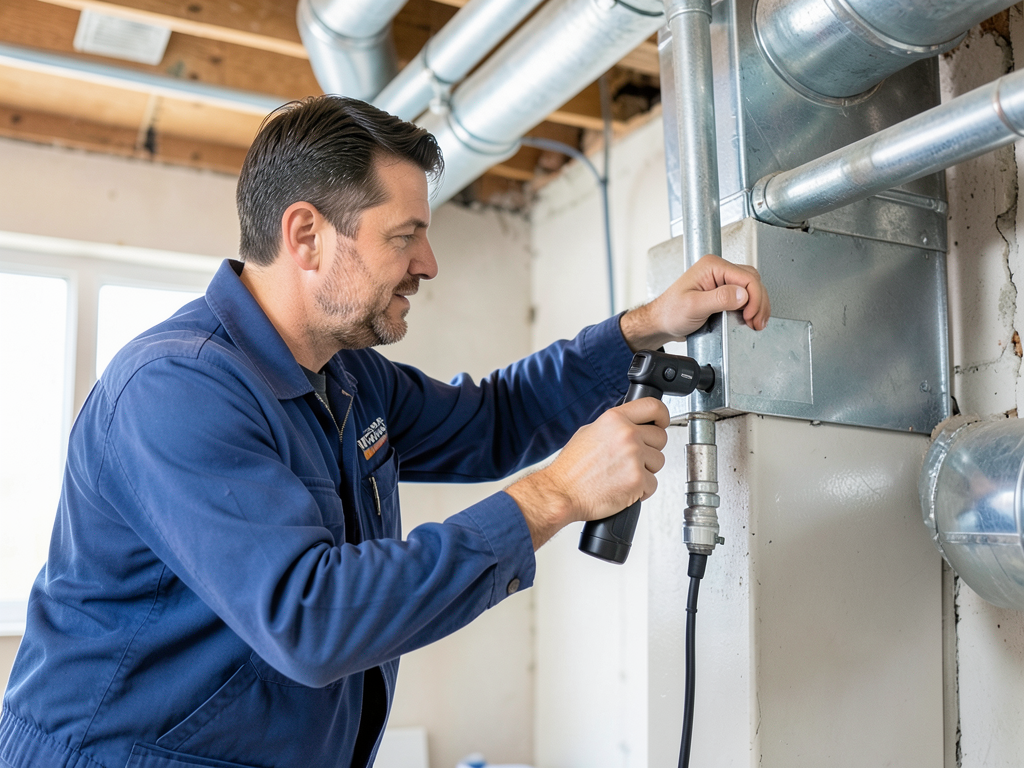
Why You Should Clean Your Vents Immediately After a Home Remodel in Mount Hope
Construction dust from drywall, sawdust, and silica particles settles deep inside your HVAC system where standard filters cannot reach. These microscopic particles coat evaporator coils, blower motors, and ductwork, reducing airflow by up to 30% and forcing your system to work harder. In Mount Hope’s mixed inland climate, this buildup creates the perfect environment for mold growth when humidity levels rise. The result is poor indoor air quality, higher energy bills, and potential system failure. Professional post-renovation cleaning removes these contaminants before they cause permanent damage to your heating and cooling equipment. Humidity Issues Indoors.
The Hidden Danger of Construction Dust in Your HVAC System
Construction dust is not ordinary household dust. Drywall compound contains silica particles that measure less than 10 microns, small enough to pass through standard MERV 8 filters and accumulate on critical HVAC components. When these particles coat evaporator coils, they create an insulating layer that reduces heat transfer efficiency by up to 21%. Blower motors must work harder to push air through clogged ducts, increasing energy consumption and wear on bearings. In Mount Hope’s older homes with original ductwork, this dust combines with existing debris to create stubborn blockages that standard cleaning cannot remove.
The silica content in construction dust poses additional risks beyond system inefficiency. These particles can become airborne again when your HVAC system cycles on, creating respiratory irritants for your family. Homes near Mount Hope’s industrial corridor face compounded issues when construction dust mixes with existing air pollutants. The combination creates a sticky residue that adheres to duct walls and becomes a breeding ground for bacteria and mold spores.
San Diego Building Code Requirements for Post-Construction HVAC
California Title 24 Energy Standards require HVAC systems to maintain specific airflow rates for optimal efficiency. Construction dust buildup can reduce airflow below these minimum requirements, creating code compliance issues when selling your home. The California Contractors State License Board (CSLB) mandates that contractors protect existing HVAC systems during renovations, but many homeowners discover their systems were exposed to excessive dust during the remodel. Post-construction cleaning becomes necessary to restore systems to their original efficiency ratings. California Contractors State License Board.
Mount Hope homes built before 1978 require additional considerations under EPA Lead-Safe Renovation regulations. Construction dust from these older homes may contain lead particles that standard cleaning methods cannot remove. Professional HVAC cleaning companies must follow specific containment and disposal procedures for lead-contaminated dust, using HEPA filtration systems that capture particles as small as 0.3 microns. This specialized equipment ensures your home meets EPA safety standards after renovation work. EPA Lead-Safe Renovation regulations.
Our 6-Step Post-Renovation HVAC Recovery Process
- System Inspection and Assessment
Technicians use inspection cameras to examine ductwork, identifying areas with heavy dust accumulation and checking for construction debris that may have entered the system during renovation.
- Negative Pressure Setup
Industrial-grade HEPA-filtered negative air machines create suction throughout the duct system, preventing dust from spreading into living spaces during cleaning.
- Mechanical Agitation
Specialized brushes and air whips dislodge stubborn construction dust from duct walls, particularly effective for removing drywall compound residue.
- Component Cleaning
Evaporator coils, blower motors, and drain pans receive deep cleaning with antimicrobial solutions to eliminate bacteria and prevent mold growth.
- Filter Upgrade Installation
Construction-grade MERV 13 filters replace standard filters, providing enhanced protection against fine particulates during the first 90 days after cleaning.
- Performance Testing
Airflow measurements verify the system meets manufacturer specifications and Title 24 efficiency requirements.
Mount Hope’s Unique Climate Considerations
Mount Hope experiences a transitional climate between San Diego’s coastal and inland areas, creating specific challenges for post-renovation HVAC cleaning. Summer temperatures regularly exceed 85 degrees Fahrenheit, causing construction dust to bake onto duct surfaces and become more difficult to remove. The area’s moderate humidity levels, typically between 55-65% during summer months, create conditions where mold spores can establish themselves within 48 hours of dust accumulation.. Read more about Deciding Between Ductless Mini Splits and Traditional Central Air for Your Kensington Remodel.
Homes near Mount Hope’s commercial districts face additional air quality challenges. Construction dust mixes with vehicle emissions and industrial particulates, creating a more complex contamination scenario. The area’s older housing stock, built primarily between 1940-1970, often contains ductwork with rough interior surfaces that trap construction debris more effectively than modern smooth-walled ducts. This architectural factor means post-renovation cleaning in Mount Hope requires more intensive agitation and extraction methods than newer neighborhoods.
5 Signs Your HVAC System Needs Immediate Cleaning After Remodeling
- Visible Dust Around Vents
Fine construction dust continues to appear on furniture and surfaces near supply vents, indicating particles are being blown from the duct system.
- Reduced Airflow
Rooms feel stuffy or take longer to reach desired temperatures, suggesting dust buildup is restricting airflow through the system.
- Unusual System Noises
Blower motors work harder to push air through clogged ducts, creating humming or straining sounds that were not present before renovation.
- Musty Odors
Dust accumulation combined with moisture creates musty smells when the system operates, indicating potential mold growth within the ductwork.
- Increased Energy Bills
Construction dust forces your system to run longer cycles to achieve the same comfort levels, resulting in 15-25% higher energy costs.
The Role of MERV Ratings and Filter Upgrades Post-Renovation
Standard residential HVAC filters typically rate MERV 6-8, capturing particles down to 10 microns. Construction dust contains particles as small as 2-3 microns, allowing most of it to pass through standard filtration. Post-renovation cleaning should include upgrading to MERV 13 filters, which capture 90% of particles in the 1-3 micron range. This upgrade provides critical protection during the 60-90 day period when construction dust continues to settle from surrounding areas.
The relationship between MERV ratings and system efficiency requires careful consideration. Higher MERV filters create more resistance to airflow, which can strain older systems not designed for dense filtration. Professional assessment determines whether your Mount Hope home’s HVAC system can handle MERV 13 filtration without compromising performance. Some older systems may require ductwork modifications or variable-speed blower motors to accommodate improved filtration without reducing efficiency. Zone Control Systems.
Professional vs. DIY Post-Construction Cleaning: What Actually Works
| Cleaning Method | Effectiveness on Construction Dust | Equipment Required | Time Required |
|---|---|---|---|
| Standard Vacuum Cleaning | Low – Removes only surface dust | Household vacuum with brush attachment | 2-3 hours |
| Shop Vac with HEPA Filter | Moderate – Captures larger particles | HEPA-filtered shop vacuum, basic brushes | 4-6 hours |
| Professional Negative Air Cleaning | High – Removes embedded dust and debris | HEPA air machines, agitation tools, inspection cameras | 6-8 hours |
DIY cleaning methods cannot address construction dust embedded deep within your HVAC system. Standard vacuums lack the suction power to remove particles from duct walls, and household filters cannot capture the fine silica particles that cause the most damage. Professional cleaning uses negative air pressure to create a continuous airflow that carries dislodged particles directly into HEPA filtration units, preventing them from re-entering your home’s air supply.
The cost difference between DIY and professional cleaning becomes negligible when considering the potential damage to expensive HVAC components. Construction dust that reaches evaporator coils can cause irreversible damage requiring $800-1,500 in repairs. Professional cleaning costs typically range from $450-750 for an average Mount Hope home, providing protection against these costly repairs while restoring system efficiency.
Warranty Implications of Construction Debris in Your System
Most HVAC manufacturers specify in their warranty terms that damage caused by construction dust or debris is not covered. When construction particles coat evaporator coils, they create hot spots that can cause refrigerant leaks or coil failure. These issues often appear months after renovation work completes, leading homeowners to discover their warranty claims denied due to construction-related damage.
The National Air Duct Cleaners Association (NADCA) certification represents the industry standard for professional HVAC cleaning. Companies holding this certification understand manufacturer requirements and can provide documentation proving your system was properly cleaned after renovation. This documentation becomes crucial if warranty issues arise later, as it demonstrates you took appropriate steps to protect your investment. National Air Duct Cleaners Association.
Mount Hope’s proximity to major construction projects means many homes experience construction dust from neighboring properties. Even if your home was not directly renovated, nearby construction can send silica particles into your HVAC system through outdoor air intakes. Professional cleaning addresses this broader contamination issue that DIY methods cannot resolve.
Frequently Asked Questions
How soon after renovation should I schedule HVAC cleaning?
Schedule cleaning within 48-72 hours after the final dust cleanup and before operating your HVAC system. This timing prevents construction dust from circulating through your home and settling deeper into the system.
Will cleaning my vents improve my energy bills?
Yes. Removing construction dust can improve system efficiency by 15-25%, directly reducing energy consumption. Most homeowners see noticeable savings within the first billing cycle after cleaning.
How long does professional post-renovation HVAC cleaning take?
Professional cleaning typically requires 4-6 hours for an average Mount Hope home. Larger homes or those with complex duct systems may require 6-8 hours to ensure complete dust removal.
Can construction dust void my HVAC warranty?
Construction dust damage is specifically excluded from most manufacturer warranties. Professional cleaning provides documentation that protects your warranty coverage while preventing costly repairs.
Protect Your Investment and Your Family’s Health
Construction dust represents more than just a cleaning nuisance. These microscopic particles reduce your HVAC system’s efficiency, increase energy costs, and create health risks for your family. In Mount Hope’s mixed climate, the combination of construction dust and seasonal humidity creates ideal conditions for mold growth within your ductwork. Professional post-renovation cleaning removes these contaminants before they cause permanent damage to your system or your family’s health.
The cost of professional cleaning pales in comparison to the expense of replacing damaged HVAC components or dealing with mold remediation. Most Mount Hope homeowners recover the cleaning cost within 12-18 months through improved energy efficiency alone. More importantly, you gain peace of mind knowing your family breathes clean air while your HVAC system operates at peak efficiency.
Call (619) 304-5777 today to schedule your post-renovation HVAC inspection. Our NADCA-certified technicians understand Mount Hope’s unique climate challenges and construction dust issues. We provide before and after documentation showing exactly what contaminants were removed from your system. Don’t wait until construction dust causes expensive damage or health problems. Pick up the phone and call (619) 304-5777 before the next heating or cooling cycle spreads construction dust throughout your home.
{
“@context”: “https://schema.org”,
“@type”: “BlogPosting”,
“headline”: “Why You Should Clean Your Vents Immediately After a Home Remodel in Mount Hope”,
“description”: “Construction dust damages HVAC systems and creates health risks. Professional vent cleaning restores efficiency and protects your family’s air quality in Mount Hope.”,
“wordCount”: 1720,
“datePublished”: “2026-05-28T08:23:00.000Z”,
“dateModified”: “2026-05-28T08:23:00.000Z”,
“inLanguage”: “en-US”,
“mainEntityOfPage”: {
“@type”: “WebPage”,
“@id”: “https://elitehvacsandiego.com”
},
“publisher”: {
“@type”: “LocalBusiness”,
“name”: “Elite HVAC San Diego”,
“url”: “https://elitehvacsandiego.com”
},
“author”: {
“@type”: “Organization”,
“name”: “Elite HVAC San Diego”,
“url”: “https://elitehvacsandiego.com”
},
“image”: {
“@type”: “ImageObject”,
“url”: “https://elitehvacsandiego.com/wp-content/uploads/2026/03/why-you-should-clean-your-vents-immediately-after-1.png”
}
}
{
“@context”: “https://schema.org”,
“@type”: “HVACBusiness”,
“name”: “Elite HVAC San Diego”,
“url”: “https://elitehvacsandiego.com”,
“address”: {
“@type”: “PostalAddress”,
“addressLocality”: “San Diego”
},
“areaServed”: {
“@type”: “City”,
“name”: “San Diego”
}
}
{
“@context”: “https://schema.org”,
“@type”: “FAQPage”,
“mainEntity”: [
{
“@type”: “Question”,
“name”: “How soon after renovation should I schedule HVAC cleaning?”,
“acceptedAnswer”: {
“@type”: “Answer”,
“text”: “Schedule cleaning within 48-72 hours after the final dust cleanup and before operating your HVAC system. This timing prevents construction dust from circulating through your home and settling deeper into the system.”
}
},
{
“@type”: “Question”,
“name”: “Will cleaning my vents improve my energy bills?”,
“acceptedAnswer”: {
“@type”: “Answer”,
“text”: “Yes. Removing construction dust can improve system efficiency by 15-25%, directly reducing energy consumption. Most homeowners see noticeable savings within the first billing cycle after cleaning.”
}
},
{
“@type”: “Question”,
“name”: “How long does professional post-renovation HVAC cleaning take?”,
“acceptedAnswer”: {
“@type”: “Answer”,
“text”: “Professional cleaning typically requires 4-6 hours for an average Mount Hope home. Larger homes or those with complex duct systems may require 6-8 hours to ensure complete dust removal.”
}
},
{
“@type”: “Question”,
“name”: “Can construction dust void my HVAC warranty?”,
“acceptedAnswer”: {
“@type”: “Answer”,
“text”: “Construction dust damage is specifically excluded from most manufacturer warranties. Professional cleaning provides documentation that protects your warranty coverage while preventing costly repairs.”
}
}
]
}
{
“@context”: “https://schema.org”,
“@type”: “HowTo”,
“name”: “Post-Renovation HVAC Cleaning Process”,
“step”: [
{
“@type”: “HowToStep”,
“position”: 1,
“name”: “System Inspection and Assessment”,
“text”: “Technicians use inspection cameras to examine ductwork, identifying areas with heavy dust accumulation and checking for construction debris that may have entered the system during renovation.”
},
{
“@type”: “HowToStep”,
“position”: 2,
“name”: “Negative Pressure Setup”,
“text”: “Industrial-grade HEPA-filtered negative air machines create suction throughout the duct system, preventing dust from spreading into living spaces during cleaning.”
},
{
“@type”: “HowToStep”,
“position”: 3,
“name”: “Mechanical Agitation”,
“text”: “Specialized brushes and air whips dislodge stubborn construction dust from duct walls, particularly effective for removing drywall compound residue.”
},
{
“@type”: “HowToStep”,
“position”: 4,
“name”: “Component Cleaning”,
“text”: “Evaporator coils, blower motors, and drain pans receive deep cleaning with antimicrobial solutions to eliminate bacteria and prevent mold growth.”
},
{
“@type”: “HowToStep”,
“position”: 5,
“name”: “Filter Upgrade Installation”,
“text”: “Construction-grade MERV 13 filters replace standard filters, providing enhanced protection against fine particulates during the first 90 days after cleaning.”
},
{
“@type”: “HowToStep”,
“position”: 6,
“name”: “Performance Testing”,
“text”: “Airflow measurements verify the system meets manufacturer specifications and Title 24 efficiency requirements.”
}
],
“image”: “https://elitehvacsandiego.com/wp-content/uploads/2026/03/why-you-should-clean-your-vents-immediately-after-1.png”
}
{
“@context”: “https://schema.org”,
“@type”: “BreadcrumbList”,
“itemListElement”: [
{
“@type”: “ListItem”,
“position”: 1,
“name”: “Home”,
“item”: “https://elitehvacsandiego.com”
},
{
“@type”: “ListItem”,
“position”: 2,
“name”: “Blog”,
“item”: “https://elitehvacsandiego.com/blog”
},
{
“@type”: “ListItem”,
“position”: 3,
“name”: “Why You Should Clean Your Vents Immediately After a Home Remodel in Mount Hope”
}
]
}
{
“@context”: “https://schema.org”,
“@type”: “Service”,
“serviceType”: “HVAC”,
“provider”: {
“@type”: “LocalBusiness”,
“name”: “Elite HVAC San Diego”,
“url”: “https://elitehvacsandiego.com”
},
“areaServed”: {
“@type”: “City”,
“name”: “San Diego”
},
“description”: “Construction dust damages HVAC systems and creates health risks. Professional vent cleaning restores efficiency and protects your family’s air quality in Mount Hope.”
}