




Menu

Troubleshooting AC Issues in San Diego – Expert Diagnostics That Pinpoint the Exact Problem Fast

When your air conditioner fails in San Diego's year-round heat, Elite HVAC San Diego delivers precise HVAC system diagnostics that identify the root cause quickly, saving you time and preventing unnecessary repairs.

Slider Image 1
Slider Image 2
Slider Image 3
Slider Image 4
Slider Image 5
Slider Image 7
Slider Image 8
Slider Image 9
Slider Image 10
Slider Image 11

Why San Diego Air Conditioners Fail When You Need Them Most

San Diego's coastal climate creates a unique set of challenges for central air systems. Salt air accelerates corrosion on condenser coils and electrical connections. Constant cycling between coastal fog and afternoon heat stresses compressors. Near-constant demand from March through November prevents systems from resting, exposing weak points that colder climates never reveal.

You notice the symptoms first. Warm air from vents. Strange grinding sounds from the outdoor unit. Ice forming on refrigerant lines. Water pooling around the air handler. Each symptom points to a specific failure mode, but diagnosing air conditioner problems requires systematic testing of multiple components.

Many San Diego homeowners waste money replacing parts that were never broken. A technician swaps the capacitor, but the real issue is a blocked expansion valve. Another replaces the thermostat when low refrigerant is starving the evaporator coil. Without proper HVAC system diagnostics, you pay for guesswork.

The Pacific Beach and La Jolla neighborhoods face additional challenges from sand infiltration. Point Loma and Ocean Beach units battle constant salt exposure. Inland areas like Mira Mesa and Scripps Ranch deal with dust and wildfire ash that clogs filters and damages electronics.

Identifying AC faults requires understanding how San Diego's environment degrades specific components. This air conditioning troubleshooting guide approach separates competent diagnosis from expensive trial and error. The difference shows in your repair bill and how long the fix actually lasts.

Why San Diego Air Conditioners Fail When You Need Them Most
How Elite HVAC San Diego Diagnoses AC Problems the Right Way

How Elite HVAC San Diego Diagnoses AC Problems the Right Way

We follow a methodical diagnostic protocol, not a parts-swapping gamble. Our technicians test electrical loads with multimeters, measure refrigerant pressures at both the suction and discharge lines, and check airflow velocity across the evaporator coil. We document temperature splits, superheat, and subcooling to identify whether the problem is mechanical, electrical, or refrigerant-related.

Central air troubleshooting starts at the thermostat and works systematically through the control board, contactor, capacitor, compressor, and metering device. We check for voltage drops that indicate failing connections. We inspect ductwork for leaks that reduce system capacity by 30 percent or more. We test condensate drain lines for blockages that trigger float switches and shut down the system.

San Diego homes built before 2000 often have undersized return air plenums. We measure static pressure to determine if restricted airflow is causing the compressor to overheat. Newer homes in Carmel Valley and Del Sur with spray foam insulation sometimes have oversized equipment that short-cycles. We calculate actual cooling load to verify proper sizing.

Our technicians carry thermal imaging cameras to spot hot connections before they fail. We use refrigerant analyzers to detect contamination that ruins compressors. We check reversing valves on heat pump systems common in coastal San Diego homes.

This diagnostic approach costs less than replacing parts you do not need. It prevents callbacks when the real problem goes unfixed. It extends equipment life by addressing root causes instead of symptoms. You get transparency through documented measurements, not vague explanations about worn-out parts.

What Happens During Your AC Diagnostic Appointment

Troubleshooting AC Issues in San Diego – Expert Diagnostics That Pinpoint the Exact Problem Fast
01

Initial System Assessment

We start by listening to your description of the problem and observing system behavior. Our technician notes when the issue occurs, what sounds you hear, and what changed before the failure. We check your thermostat settings, inspect the air filter, and verify power to both the indoor and outdoor units. This initial assessment identifies obvious issues and guides our testing sequence.
02

Systematic Component Testing

We measure voltage at the disconnect, test capacitor microfarads, check contactor pull-in voltage, and monitor compressor amperage. We attach manifold gauges to measure refrigerant pressures and temperatures. We inspect coils for damage, check for refrigerant leaks with electronic detectors, and test drain line operation. Each measurement either confirms proper operation or pinpoints the failing component with precision.
03

Documented Findings and Solutions

We present our findings with actual measurements and photos. You see the refrigerant pressure readings, the failed capacitor, or the corroded electrical connection. We explain what caused the failure and whether other components are at risk. You receive a written estimate for necessary repairs and recommendations for preventing future problems. No surprises, no pressure, just facts that let you make an informed decision.

Why San Diego Homeowners Trust Elite HVAC San Diego for Accurate Diagnostics

Elite HVAC San Diego technicians understand how the local climate affects specific AC components. We know that salt air from the Pacific corrodes aluminum fins on condenser coils in coastal neighborhoods. We recognize how Marine Layer humidity causes condensate drain problems that inland techs rarely see. We have diagnosed thousands of systems in San Diego's microclimates, from the dry eastern suburbs to the foggy western beaches.

Our diagnostic equipment exceeds industry standards. We use calibrated digital manifolds that measure pressures to 0.1 PSI. Our multimeters test voltage, amperage, and resistance with lab-grade accuracy. We carry specialized tools for testing reversing valves, checking compressor windings, and measuring duct static pressure. Most competitors rely on visual inspection and guesswork. We rely on data.

We also understand San Diego building practices. Many homes in Clairemont and Allied Gardens have original 1960s ductwork with asbestos wrap that limits modification options. Newer construction in 4S Ranch and Sabre Springs uses radiant barrier sheathing that affects attic temperatures differently than standard construction. We account for these variables when diagnosing system performance issues.

Our technicians receive ongoing training on new diagnostic techniques and equipment technology. We stay current with refrigerant regulations, inverter-driven compressor diagnostics, and variable-speed blower troubleshooting. You get expertise that adapts to evolving HVAC technology, not outdated methods from 20 years ago.

We explain our findings in plain language. You understand what failed, why it failed, and what happens if you delay the repair. You never feel pressured or confused. This transparency builds trust with homeowners who have been burned by companies that sell unnecessary repairs.

What to Expect When You Schedule an AC Diagnostic

Fast Scheduling and Arrival

We offer same-day diagnostic appointments for most San Diego neighborhoods. Our technicians arrive within the scheduled window and call 30 minutes before arrival. We respect your time and your property. Diagnostic appointments typically take 60 to 90 minutes, depending on system complexity and problem severity. You get thorough testing, not a rushed evaluation that misses critical issues.

Comprehensive Testing Process

Our technician examines every component that could cause your symptoms. We test electrical circuits, measure refrigerant charge, inspect airflow, check safety controls, and evaluate overall system performance. We use thermal imaging to spot hidden problems. We check for code violations that could affect safety or efficiency. You receive a complete picture of your system's condition, not just a quick fix for the immediate symptom.

Clear Repair Recommendations

We present findings with documented evidence and explain repair options. You see photos of damaged components and understand what measurements indicate failure. We separate critical repairs from optional improvements. We discuss whether repair or replacement makes better financial sense based on system age and condition. You make the final decision with complete information and zero pressure from our team.

Follow-Up Support

After repairs, we verify proper system operation with the same diagnostic tests. We recheck refrigerant pressures, confirm proper airflow, and verify electrical parameters. We explain what to monitor and when to schedule maintenance. If problems recur, we return to investigate at no additional diagnostic charge. Our goal is permanent solutions, not repeat service calls for the same issue.

Frequently Asked Questions

You Have Questions,
We Have Answers

What is the most common AC problem? +

Dirty air filters cause most AC problems in San Diego homes. When filters clog with dust, pet hair, and coastal salt particles, airflow drops and your system works harder. This leads to frozen evaporator coils, overheating, and higher electric bills. Change your filter every 30 days during summer months when marine layer moisture accelerates buildup. Other common issues include refrigerant leaks, faulty thermostats, and capacitor failures. Regular filter changes prevent 80% of avoidable breakdowns and extend equipment life by years.

What is the 3 minute rule for AC? +

The 3 minute rule prevents compressor damage after your AC shuts off. When you turn your system back on, wait at least 3 minutes before restarting. This allows refrigerant pressure to equalize between the high and low sides of your system. Starting too quickly forces the compressor to work against unbalanced pressure, which strains internal components and shortens equipment life. Modern thermostats include built-in delays. If you manually cycle your AC during San Diego's hot summer afternoons, always pause 3 minutes between restarts.

What is the $5000 rule for AC? +

The $5000 rule helps you decide between AC repair and replacement. Add your system's age to the repair cost estimate. If the total exceeds $5000, replacement makes better financial sense. For example, a 12-year-old unit needing $1500 in repairs totals $6500, so replace it. A 5-year-old unit needing $800 in repairs totals $5800, borderline but consider repair. This rule accounts for future repair likelihood and efficiency gains. San Diego's mild winters extend AC lifespan, but coastal salt air accelerates corrosion, affecting this calculation.

How to troubleshoot air conditioning problems? +

Start troubleshooting by checking your thermostat batteries and settings. Verify it's set to Cool mode and the temperature is below room temperature. Next, inspect your circuit breaker and outdoor disconnect switch. Replace your air filter if it looks dirty. Check for ice on indoor coils or refrigerant lines. Listen for unusual sounds like grinding or clicking. Verify your outdoor unit fan spins freely. Clean debris from around your condenser. If these steps don't solve the problem, refrigerant leaks or electrical failures require professional diagnosis and repair.

Why is my AC running but not cooling? +

When your AC runs but doesn't cool, suspect low refrigerant, dirty coils, or a bad compressor. Low refrigerant from leaks prevents heat transfer. Dirt buildup on outdoor condenser coils blocks heat release, common in San Diego's dusty inland areas. A failing compressor runs but doesn't compress refrigerant properly. Check if your outdoor unit's fan spins and feels hot. Frozen indoor coils indicate airflow problems from dirty filters or blocked returns. Undersized systems struggle on 90-degree days but work fine in milder weather. Professional diagnosis identifies the exact cause.

What should my AC be set at if it's 100 degrees outside? +

Set your AC to 78 degrees when outdoor temperatures hit 100 degrees. This 22-degree differential prevents system overwork while maintaining comfort. San Diego rarely reaches 100 degrees, but inland communities like Santee and El Cajon experience these extremes. Going below 75 degrees forces your AC to run continuously without cycling off, which reduces dehumidification and increases wear. Use ceiling fans to create wind chill effect, making 78 feel like 75. Close blinds on west-facing windows during afternoon heat. Your system needs reasonable expectations to function efficiently.

Why is my AC set to 72 but reads 78? +

Your thermostat reads 78 despite being set to 72 because your AC can't keep up with heat gain. Common causes include undersized equipment, poor insulation, air leaks around windows, or extreme outdoor temperatures. In San Diego's coastal areas, afternoon sun through west windows creates intense heat load. Dirty condenser coils reduce cooling capacity by 30%. Low refrigerant from leaks prevents proper heat removal. Duct leaks in attics waste 20-40% of cooled air. Your system may need professional cleaning, refrigerant recharge, or capacity evaluation to match your home's actual cooling needs.

How to tell if an AC capacitor is bad? +

A bad capacitor shows specific symptoms you can identify. Listen for a humming sound from your outdoor unit when AC turns on but the fan doesn't spin. You might see the fan start slowly or need a manual push to begin spinning. The unit may shut off randomly after short run times. Bulging or leaking capacitors fail quickly in San Diego's heat. Never touch a capacitor, even when power is off, because they store dangerous electrical charges. Capacitors typically last 10-15 years but fail faster in direct sun. Professional replacement takes 30 minutes and prevents compressor damage.

How long should your AC run on a 100 degree day? +

Your AC should run 15-20 minute cycles on a 100-degree day, cycling off briefly between runs. Properly sized systems in San Diego homes run 70-80% of the time during extreme heat but still achieve short breaks. Continuous 24-hour operation without cycling off indicates undersized equipment, low refrigerant, dirty coils, or excessive heat gain. Inland San Diego communities experience sustained triple-digit heat where even healthy systems run almost constantly. This is normal during heat waves. However, if your system never reaches set temperature or runs nonstop in moderate weather, schedule professional evaluation.

What is the life expectancy of an air conditioner? +

Air conditioners last 12-15 years in San Diego with proper maintenance. Coastal humidity and salt air reduce lifespan to 10-12 years for homes near the ocean. Inland desert heat in areas like Ramona or Alpine stresses components, shortening life to 12-14 years. Quality installation, annual maintenance, and regular filter changes extend equipment life. Neglected systems fail at 8-10 years. Signs your AC nears end of life include frequent repairs, rising energy bills, R-22 refrigerant that's expensive to refill, and uneven cooling. Plan replacement when repair costs approach 50% of new equipment cost.

How San Diego's Coastal Climate Accelerates AC Component Failure

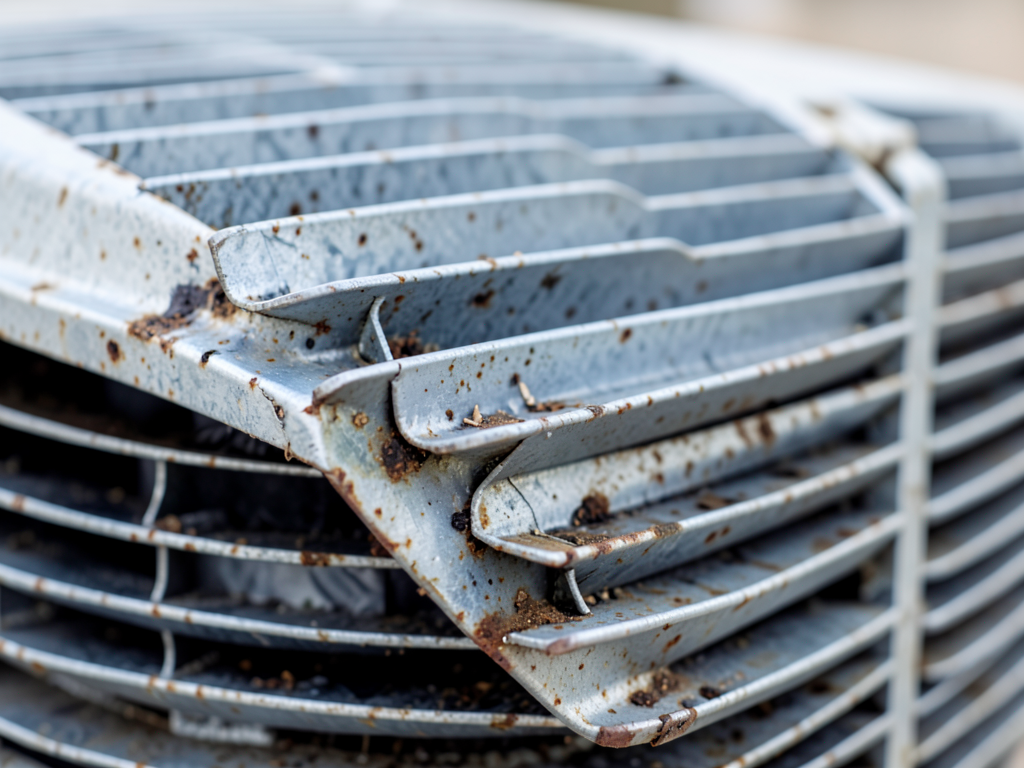
Salt-laden air from the Pacific Ocean creates unique diagnostic challenges for San Diego HVAC systems. Condenser coils exposed to marine environments corrode three times faster than inland units. Electrical terminals develop resistance from salt buildup, causing voltage drops that damage compressors. Contactor points pit from salt contamination, leading to intermittent operation that confuses less experienced technicians. Beach-adjacent neighborhoods from Imperial Beach to Del Mar require specialized diagnostic attention to salt-related failures that standard troubleshooting guides overlook. Understanding these coastal degradation patterns separates accurate diagnosis from expensive guessing.

Elite HVAC San Diego has diagnosed systems throughout every San Diego microclimate. We understand how Point Loma's constant fog affects condensate drainage differently than Rancho Bernardo's dry heat. We recognize failure patterns in Scripps Ranch that differ from Mission Beach. This neighborhood-specific knowledge ensures we test the right components first, saving you diagnostic time and repair costs. Our technicians live and work in San Diego year-round, experiencing the same climate challenges your system faces. This local expertise matters when diagnosing problems that national chain technicians rarely encounter in other markets.
HVAC Services in The San Diego Area

Located in the heart of Phoenix, Horizon proudly serves the entire metro area with responsive HVAC services you can trust. Our team is strategically based for fast dispatch across neighborhoods, business districts, and surrounding communities. Whether you’re in need of a quick repair or planning a full system upgrade, we’re just a call away. Use the map below to see our coverage zone or visit our office for a consultation. We’re local, experienced, and ready to help, wherever you are.

Address:
Elite HVAC San Diego, 10620 Treena St Suite 230, San Diego, CA, 92131

Additional Services We Offer

Our news updates

Latest Articles & News from The Blogs

Lorem ipsum dolor sit amet. Aut expedita quaerat quo eligendi numquam et laudantium perspiciatis qui minima expedita rem consequatur ducimus.…

Test Blog 4

Lorem ipsum dolor sit amet. Aut expedita quaerat quo eligendi numquam et laudantium perspiciatis qui minima expedita rem consequatur ducimus.…

Test Blog 3

Lorem ipsum dolor sit amet. Aut expedita quaerat quo eligendi numquam et laudantium perspiciatis qui minima expedita rem consequatur ducimus.…

Test Blog 2

Lorem ipsum dolor sit amet. Aut expedita quaerat quo eligendi numquam et laudantium perspiciatis qui minima expedita rem consequatur ducimus.…

Contact Us

Stop guessing what is wrong with your air conditioner. Call Elite HVAC San Diego at (619) 304-5777 for precise diagnostics that identify the real problem. We offer same-day appointments and transparent repair recommendations. Get your system fixed right the first time.