




Menu

Rapid Response Cooling in San Diego – Emergency AC Service Dispatched in Under 90 Minutes

When your air conditioning fails in San Diego's coastal heat, Elite HVAC San Diego delivers immediate emergency cooling repair with certified technicians available 24/7 to restore comfort before system damage worsens.

Slider Image 1
Slider Image 2
Slider Image 3
Slider Image 4
Slider Image 5
Slider Image 7
Slider Image 8
Slider Image 9
Slider Image 10
Slider Image 11

Why AC Failures in San Diego Demand Immediate Action

Your AC system just quit, and the temperature is climbing fast. In San Diego, the combination of coastal humidity and inland heat creates a unique strain on cooling systems that most homeowners underestimate.

The marine layer that rolls through neighborhoods like Ocean Beach and La Jolla deposits salt-laden moisture into outdoor condenser units. This accelerates corrosion on coils and electrical connections. When systems fail here, they fail hard. Compressors seize. Capacitors blow. Refrigerant lines crack under stress.

You need urgent air conditioning service because every hour of delay compounds the problem. A failed AC system in 85-degree heat does not just make you uncomfortable. It creates pressure differentials that stress ductwork, causes condensation in wall cavities, and forces your refrigerator and other appliances to work harder.

San Diego's microclimates make this worse. Homes in Mira Mesa face dry inland heat that pushes systems to maximum capacity. Properties in Point Loma deal with salt air that eats through components. Both scenarios demand 24/7 cooling repair that understands local conditions.

Emergency AC repair in San Diego is not about convenience. It is about preventing a minor failure from cascading into a total system replacement. When your compressor overheats or your evaporator coil freezes, the clock starts ticking on permanent damage. Immediate AC service stops that progression before it drains your bank account.

Elite HVAC San Diego runs dedicated emergency crews precisely because we understand what delayed response costs San Diego homeowners.

Why AC Failures in San Diego Demand Immediate Action
How We Execute Emergency Cooling Restoration

How We Execute Emergency Cooling Restoration

Emergency HVAC cooling requires a different approach than scheduled maintenance. We do not show up with a clipboard and a standard checklist. We arrive with diagnostic equipment, a fully stocked truck, and technicians trained to work under pressure.

Our rapid response cooling protocol starts with thermal imaging and amperage testing. We locate the failure point within minutes, not hours. If your compressor is drawing excessive amperage, we know the windings are failing. If your evaporator coil shows ice buildup, we trace it back to refrigerant undercharge or restricted airflow.

San Diego's building codes and climate create specific repair requirements. Homes built before 1995 often have undersized ductwork that cannot handle modern high-efficiency systems. Properties near the coast need specialized coil coatings to resist salt corrosion. We account for these factors during emergency repairs because a temporary fix that ignores local conditions will fail again within weeks.

We carry R-410A refrigerant, replacement capacitors in every size, contactor relays, and blower motors that fit 90 percent of residential systems in San Diego County. This means we complete most emergency repairs on the first visit. No waiting three days for parts while your home turns into an oven.

For commercial clients in Mission Valley or Downtown, we deploy multi-technician teams for rooftop units. Business interruption costs you more per hour than our emergency rates. We prioritize speed without sacrificing code compliance or quality.

Our emergency service is not about band-aids. We restore full system function while identifying underlying issues that caused the failure. You get cooling now and a roadmap to prevent the next emergency.

What Happens During Your Emergency Service Call

Rapid Response Cooling in San Diego – Emergency AC Service Dispatched in Under 90 Minutes
01

Immediate Dispatch and Assessment

When you call Elite HVAC San Diego, we dispatch the nearest available technician within minutes. Our GPS-tracked fleet serves all San Diego neighborhoods, from Chula Vista to Rancho Bernardo. The technician calls you enroute with an updated arrival window. Upon arrival, we run electrical diagnostics and refrigerant pressure tests to isolate the failure point before touching a single component.
02

On-Site Repair Execution

We carry inventory for the most common emergency failures. Capacitor replacements take 15 minutes. Contactor swaps take 20. Refrigerant recharges require leak detection, nitrogen pressure testing, vacuum pumping, and precision charging based on subcooling or superheat measurements. We explain what failed, why it failed, and what we are doing to fix it. No surprises, no upselling, no disappearing for parts runs.
03

System Verification and Prevention

After repairs, we run your system through a complete cooling cycle while monitoring amperage, airflow, and temperature differential across the evaporator coil. We verify your thermostat cycles correctly and your condensate drain flows freely. Before leaving, we identify any secondary issues that could cause future failures and provide a written assessment. You get cooling restored and knowledge about your system's condition.

Why San Diego Trusts Elite HVAC for Emergency Cooling

Emergency AC repair is where experience separates competent technicians from guessers with tools. Elite HVAC San Diego has restored cooling to thousands of San Diego homes and businesses during the hottest days of summer and the coldest winter nights when heat pumps fail.

We understand the specific challenges of San Diego's climate zones. Coastal properties need corrosion-resistant components and coil coatings that withstand salt air. Inland homes need systems sized for 100-degree days, not the 75-degree averages that lazy contractors use for load calculations. North County properties with older ductwork need airflow verification, not just thermostat adjustments.

Our technicians hold NATE certification and EPA Section 608 credentials for refrigerant handling. This matters during emergencies because improper refrigerant charging destroys compressors. Adding refrigerant without finding the leak wastes your money and guarantees another failure. We do it right under pressure because we know the stakes.

San Diego's building codes require permits for certain HVAC work, even during emergencies. We pull permits when required and schedule inspections that pass the first time. Unlicensed contractors skip this step, leaving you liable for code violations and potential insurance claim denials.

We also know the neighborhoods. Traffic patterns through Downtown, Hillcrest, and North Park affect response times. We stage trucks strategically and adjust routes based on real-time conditions. When you are sweating through a system failure, 30 minutes matters.

Elite HVAC San Diego does not subcontract emergency calls to random technicians. Every person who arrives at your door works directly for us, drives our trucks, and upholds our standards. You get consistency, accountability, and technicians who care about their reputation in this community.

What You Can Expect From Our Emergency Service

Response Time and Availability

We maintain 24/7 emergency dispatch every day of the year. Call us at 2 AM on Christmas, and a real person answers. Our average response time across San Diego County is under 90 minutes from your call to technician arrival. We serve residential and commercial clients throughout all San Diego neighborhoods, including Scripps Ranch, Carmel Valley, Mission Beach, and everywhere between. Peak summer days may extend response times slightly, but we communicate realistic arrival windows and stick to them.

Diagnostic Process and Transparency

Our technicians carry tablet-based diagnostic tools that test electrical components, measure refrigerant pressures, and analyze airflow in real time. We show you the readings and explain what they mean in plain language. If your capacitor is weak, we show you the microfarad reading. If your refrigerant is low, we show you the pressure differential. You receive a written diagnostic report before we start any repair work, including a detailed cost breakdown. No hidden fees, no surprise charges.

Repair Quality and Completion

We complete approximately 85 percent of emergency repairs during the initial visit. The remaining 15 percent involve major component failures like compressor or evaporator coil replacement that require specialized parts or manufacturer-specific components. Even in those cases, we often provide temporary cooling solutions while ordering parts. All repairs meet or exceed manufacturer specifications and San Diego building code requirements. We use OEM or equivalent-quality parts, never cheap aftermarket components that fail prematurely.

Service Guarantees and Follow-Up

Every emergency repair includes a detailed service report documenting what failed, what we replaced, and what we recommend monitoring. We follow up within 48 hours to verify your system is operating correctly. If you experience any issues related to our repair work, we return immediately at no additional charge. Our goal is not just restoring your cooling, but ensuring it stays restored. We also provide maintenance recommendations tailored to your specific system and San Diego's climate demands.

Frequently Asked Questions

You Have Questions,
We Have Answers

What is the $5000 AC rule? +

The $5000 AC rule refers to the IRS guideline distinguishing repairs from capital improvements. If your AC replacement or upgrade costs less than $5000, it typically qualifies as a deductible repair expense for rental properties. Costs exceeding $5000 must be depreciated over time as a capital improvement. This threshold matters for San Diego landlords managing coastal properties where salt air accelerates system wear. For primary residences, this rule does not apply unless you qualify for energy efficiency tax credits. Always consult a tax professional to confirm your specific situation and eligibility.

What is the 3 minute rule for AC? +

The 3 minute rule means your AC should not short cycle, turning on and off more frequently than every 3 minutes. This indicates a serious problem like refrigerant leaks, thermostat failure, or an oversized system. In San Diego's moderate climate, short cycling often points to dirty coils clogged with coastal salt buildup or failing capacitors. Your compressor needs time to complete a full cooling cycle. Continuous short cycling damages components, spikes energy bills, and leaves your home humid. If your system cycles rapidly, shut it down and call for emergency diagnostics immediately.

How cool should my house be if it's 100 outside? +

When outside temperatures hit 100 degrees, your AC can typically cool your home 15 to 20 degrees below outdoor temps. That means targeting 80 to 85 degrees indoors is realistic. Pushing your system to reach 72 degrees in extreme heat overworks the compressor and risks breakdown. San Diego rarely sees sustained triple-digit heat, but during Santa Ana wind events, set your thermostat to 78 or higher. Close blinds on west-facing windows, run ceiling fans, and avoid heat-generating appliances during peak afternoon hours to reduce strain on your system.

How much do HVAC technicians charge per hour? +

HVAC technicians in San Diego typically charge $100 to $200 per hour, depending on experience level and job complexity. Emergency after-hours service, which you need when your AC fails on a 95-degree afternoon, runs $150 to $250 per hour. Coastal properties often require specialized corrosion treatment knowledge, which commands higher rates. Flat-rate pricing is common for standard repairs like capacitor replacement or thermostat installation. Diagnostic fees usually run $75 to $150 and may be waived if you approve repairs. Always ask for transparent pricing before work begins to avoid surprise charges.

Can I write off my new AC unit on my taxes? +

You can write off a new AC unit if it qualifies under specific IRS rules. For rental properties, AC replacement is a deductible repair or depreciated improvement depending on cost. For your primary residence, the system must meet energy efficiency standards to qualify for federal tax credits under the Inflation Reduction Act. High-efficiency heat pumps and systems with qualifying SEER2 ratings may net you up to $2000 in credits. San Diego homeowners should verify California state rebates too. Keep all receipts and manufacturer certifications. Consult a tax advisor to confirm your eligibility.

Is a 3 ton AC too big for 1500 square feet? +

A 3 ton AC is not too big for 1500 square feet in most San Diego homes. Standard sizing recommends 1 ton per 400 to 600 square feet, meaning 1500 square feet needs 2.5 to 3.75 tons. Your exact needs depend on ceiling height, insulation quality, window exposure, and whether you face direct ocean breeze or inland heat. Oversized units short cycle and create humidity problems. Undersized systems run constantly and fail prematurely. A proper Manual J load calculation, factoring in San Diego's microclimates, determines the right size for your specific home.

How do the amish keep cool in the summer? +

The Amish keep cool using passive strategies that work in San Diego too. They maximize cross ventilation by opening windows on opposite sides of the house during cooler mornings and evenings. Thick stone or brick walls provide thermal mass, absorbing heat during the day and releasing it at night. Covered porches, strategically planted shade trees, and reflective metal roofing reduce solar gain. They avoid heat-generating appliances during peak afternoon hours. While San Diego benefits from ocean breezes, extreme heat days still require mechanical cooling. These passive techniques reduce AC runtime and lower energy costs.

How long should your AC run on a 100 degree day? +

Your AC should run 15 to 20 minutes per cycle on a 100 degree day, cycling two to three times per hour. Total runtime of 12 to 16 hours daily is normal during extreme heat. In San Diego, 100 degree days are rare and usually tied to Santa Ana conditions. If your system runs constantly without reaching setpoint, you have undersized equipment, failing refrigerant charge, or ductwork leaks. Continuous operation without cycling off signals compressor failure risk. Monitor your system closely during heat spikes. If it struggles, call for emergency service before total breakdown.

Why is my AC set at 74 but reads 78? +

Your AC reads 78 when set to 74 because it cannot keep up with heat gain. Common causes include low refrigerant from leaks, dirty evaporator coils restricting airflow, failing compressor, or undersized equipment. San Diego homes with west-facing exposure during afternoon sun often experience this lag. Check your air filter first. If clean, inspect outdoor unit for debris or blocked condenser fins from coastal salt buildup. A 4 degree gap means your system is struggling. Continuing to run it in this state risks compressor burnout. Schedule immediate diagnostics to identify the root cause.

How long does it take to cool a house from 80 to 70? +

Cooling your house from 80 to 70 degrees typically takes 1 to 3 hours, depending on system size, home insulation, and outdoor temperature. In San Diego's moderate climate, expect faster cooling than inland desert areas. A properly functioning 3 ton system in a 1500 square foot home should drop temperature about 3 degrees per hour. If cooling takes longer, you have airflow restrictions, refrigerant issues, or ductwork leaks. Close window coverings, seal gaps around doors, and run ceiling fans to assist. If your system takes over 4 hours, schedule diagnostics immediately.

How San Diego's Coastal Climate Accelerates AC Failures

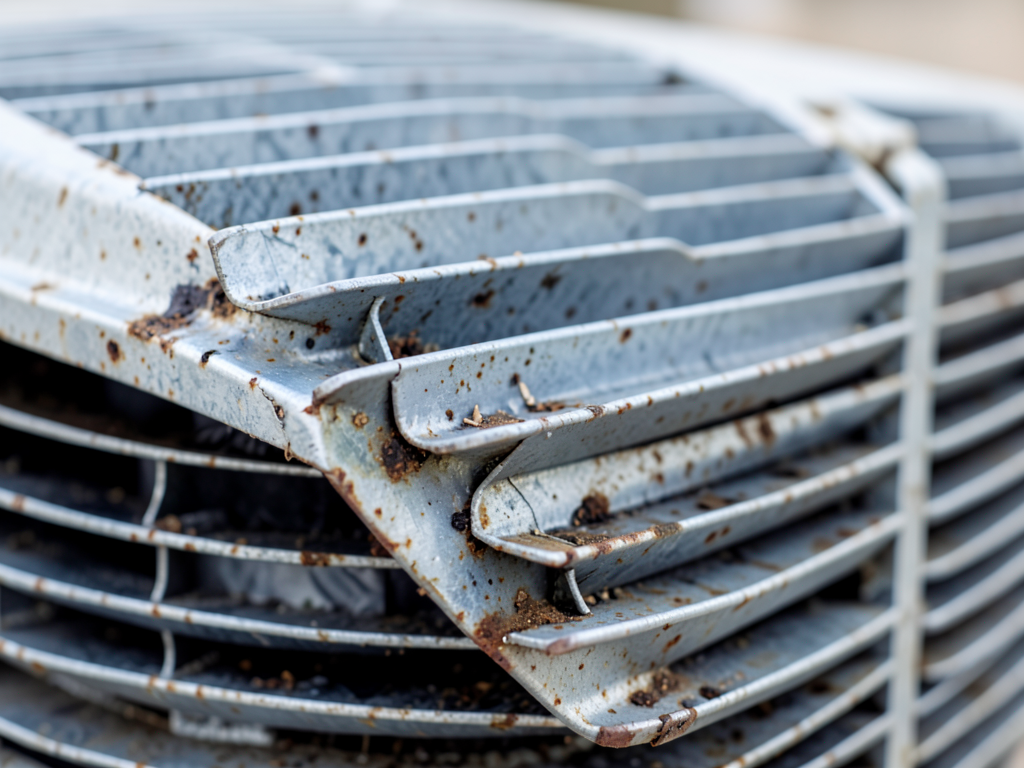
San Diego's proximity to the Pacific Ocean creates corrosive conditions that most HVAC systems were not designed to handle. Salt particles carried inland by marine winds deposit on condenser coils, electrical connections, and outdoor disconnect boxes. This accelerates oxidation and creates electrical resistance that causes capacitors and contactors to fail prematurely. Properties within three miles of the coast experience failure rates 40 percent higher than inland homes. Immediate AC service becomes critical because salt corrosion progresses rapidly once it starts. A small electrical connection failure can cascade into a complete system breakdown within hours if the compressor continues attempting to start against failing components.

Elite HVAC San Diego has served this community long enough to understand which neighborhoods face which challenges. We know that Clairemont homes built in the 1960s often have undersized ductwork. We know that La Jolla properties need annual coil cleaning to combat salt buildup. We know that East County homes in Santee and El Cajon push systems harder during summer than coastal properties. This local knowledge means we arrive at your emergency with the right parts, the right tools, and realistic expectations about what your system needs. Choosing a local HVAC provider for emergency service means working with technicians who understand your specific conditions, not generic repair protocols designed for Phoenix or Los Angeles.
HVAC Services in The San Diego Area

Located in the heart of Phoenix, Horizon proudly serves the entire metro area with responsive HVAC services you can trust. Our team is strategically based for fast dispatch across neighborhoods, business districts, and surrounding communities. Whether you’re in need of a quick repair or planning a full system upgrade, we’re just a call away. Use the map below to see our coverage zone or visit our office for a consultation. We’re local, experienced, and ready to help, wherever you are.

Address:
Elite HVAC San Diego, 10620 Treena St Suite 230, San Diego, CA, 92131

Additional Services We Offer

Our news updates

Latest Articles & News from The Blogs

The Honest Truth About Coastal AC Lifespans in Solana Beach If you live near the ocean in Solana Beach your…

The Honest Truth About Coastal AC Lifespans in Solana Beach

The Honest Truth About Coastal AC Lifespans in Solana Beach If you live near the ocean in Solana Beach your…

Are HVAC Maintenance Plans Worth the Money for Bankers Hill Homeowners?

Are HVAC Maintenance Plans Worth the Money for Bankers Hill Homeowners? Living in Bankers Hill means enjoying historic charm, stunning…

What a Garage AC Unit Costs for Your Mira Mesa Workshop or Gym

What a Garage AC Unit Costs for Your Mira Mesa Workshop or Gym Installing air conditioning in your Mira Mesa…

Contact Us

Your AC system will not fix itself, and every hour of delay increases repair costs. Call Elite HVAC San Diego at (619) 304-5777 for immediate dispatch. Our emergency technicians are standing by 24/7 to restore your cooling fast.