
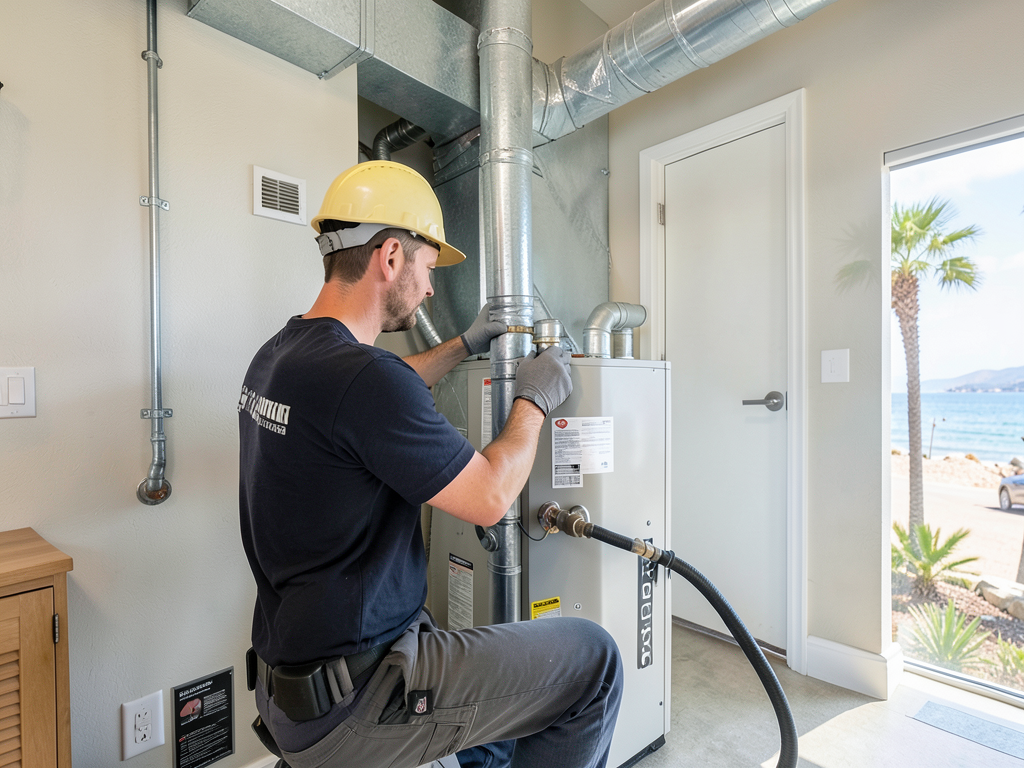
Protecting Your San Diego Home from Allergy Season with HEPA Filtration
San Diego’s unique coastal climate and diverse flora create a perfect storm for allergy sufferers. From the coastal marine layer to the inland Santa Ana winds, your home faces constant exposure to airborne irritants. HEPA filtration systems offer the most effective defense against these microscopic invaders, capturing particles as small as 0.3 microns with 99.97% efficiency. EPA Indoor Air Quality.
Living in San Diego means dealing with year-round allergens rather than seasonal ones. Eucalyptus trees, California sagebrush, and coastal grasses release pollen continuously, while dust storms from the east can blanket entire neighborhoods in fine particulates. A properly sized HEPA filtration system creates a clean air sanctuary inside your home, dramatically reducing symptoms like sneezing, itchy eyes, and respiratory distress. California Air Resources Board.
Why San Diego’s Climate Makes HEPA Filtration Essential
The Mediterranean climate of San Diego creates unique challenges for indoor air quality. Coastal humidity levels between 60-80% provide ideal conditions for mold spores to thrive, while inland areas experience dust accumulation that standard filters cannot capture. The Santa Ana winds, occurring 10-20 days annually, carry fine desert particles that penetrate standard HVAC filters and settle deep within your home’s ductwork. Humidity Issues Indoors.
San Diego County’s building codes, specifically the California Title 24 Energy Standards, require proper ventilation systems that work in harmony with high-efficiency filtration. Homes built before 2010 often lack the airtight construction necessary to maintain clean indoor air, allowing outdoor pollutants to continuously infiltrate living spaces. Modern HEPA systems address this gap by creating positive pressure environments that prevent contaminated air from entering. Zone Control Systems.
Understanding HEPA vs. Standard Filtration
Standard HVAC filters, typically rated MERV 6-8, capture only 20-40% of airborne particles. These filters allow microscopic allergens like dust mite debris, pet dander, and pollen to circulate freely through your home’s air supply. HEPA filters, rated MERV 17-20, trap particles as small as 0.3 microns – the size most likely to penetrate deep into lung tissue.
The California Air Resources Board recommends HEPA filtration for homes in areas affected by wildfire smoke, which San Diego experiences 2-3 times annually. During the 2020 fire season, San Diego County recorded PM2.5 levels exceeding 150 micrograms per cubic meter – a level considered hazardous by EPA standards. Standard filters become overwhelmed at these concentrations, while HEPA systems maintain consistent performance.
Comparing Filter Types for San Diego Homes
| Filter Type | Particle Capture | Best For | Maintenance Frequency |
|---|---|---|---|
| MERV 8 Standard | 20-40% of 3-10 micron particles | Dust control only | Every 90 days |
| MERV 11 Pleated | 60-80% of 1-10 micron particles | Pollen and mold spores | Every 60 days |
| HEPA Bypass System | 99.97% of 0.3 micron particles | All allergens and smoke | Annually (HEPA) / Every 30 days (pre-filter) |
Installation Considerations for San Diego Properties
Coastal homes in areas like La Jolla and Coronado face unique challenges due to salt air corrosion. Standard HEPA installations may require stainless steel components and additional sealing to prevent premature degradation. The San Diego Municipal Code Section 144.0309 requires specific mounting hardware for rooftop equipment to withstand wind loads up to 100 mph during Santa Ana events. Why Salt Air Destroys La Jolla AC Units and How to Protect Yours.
Inland properties in El Cajon and Santee experience different issues. The higher temperatures and lower humidity levels mean dust accumulation occurs more rapidly. These homes benefit from larger filter surface areas and more frequent pre-filter changes. The California Energy Commission’s HERS testing requirements ensure that filtration systems maintain proper airflow while achieving maximum particle capture.
Wildfire Smoke Protection Strategy
San Diego’s wildfire season typically runs from September through November, coinciding with peak allergy season. During these months, PM2.5 levels can spike dramatically, causing immediate respiratory distress for sensitive individuals. A comprehensive HEPA strategy includes both whole-home filtration and portable units for bedrooms and home offices.
The EPA’s Air Quality Index provides real-time monitoring that helps determine when to increase filtration intensity. When AQI readings exceed 100, indicating moderate air quality concerns, HEPA systems should operate at maximum capacity. Many San Diego residents report 60-80% reduction in allergy symptoms when implementing this strategy during fire season.
Cost-Benefit Analysis for HEPA Installation
| System Type | Initial Cost | Annual Operating Cost | Expected Lifespan | ROI Period |
|---|---|---|---|---|
| Portable HEPA Unit | $300-800 | $75-150 | 5-7 years | 1-2 years |
| Whole-Home HEPA | $2,500-4,500 | $200-400 | 10-15 years | 3-5 years |
| HEPA with UV Light | $3,500-5,500 | $250-450 | 8-12 years | 2-4 years |
Maintenance Schedule for Optimal Performance
San Diego’s year-round growing season means continuous pollen production, unlike seasonal patterns in other regions. This requires a different maintenance approach than what national guidelines recommend. Coastal properties need more frequent filter changes due to higher humidity levels that promote mold growth on filter media.
- Monthly Inspection – Check pre-filters for visible dust accumulation
- Every 30 Days – Replace pre-filters in coastal areas, every 60 days inland
- Every 6 Months – Professional duct inspection and cleaning
- Annually – Replace HEPA filter and test system efficiency
Energy Efficiency Considerations
High-efficiency filtration systems can impact HVAC energy consumption by 5-15% due to increased static pressure. However, the California Energy Commission’s Title 24 standards require systems to maintain minimum efficiency levels even with enhanced filtration. Modern variable-speed blowers automatically adjust to maintain optimal airflow while maximizing particle capture.
The San Diego Gas & Electric Smart Thermostat program offers rebates for homes that maintain specific indoor air quality standards. Homes with HEPA filtration systems often qualify for additional incentives due to their contribution to overall energy efficiency and occupant health. These programs can offset 20-30% of installation costs.
Choosing the Right System for Your Home
Single-story ranch homes in areas like Clairemont benefit from whole-home HEPA systems that integrate with existing ductwork. These systems provide consistent air quality throughout the home without the noise and space requirements of multiple portable units. The flat roof construction common in these neighborhoods simplifies installation and maintenance access.
Multi-story homes in areas like Mission Hills face different challenges. These properties often require zoned filtration systems to address varying air quality needs between floors. The historic construction methods used in many of these homes may necessitate custom filter housings to maintain architectural integrity while providing modern air quality benefits.
Professional Installation Benefits
DIY HEPA installation often leads to system inefficiencies and reduced performance. Professional installation ensures proper sizing based on your home’s cubic footage, existing HVAC capacity, and specific allergen concerns. San Diego County HVAC contractors must be licensed by the California Contractors State License Board, ensuring they understand local building codes and climate considerations.
Professional installation includes comprehensive testing to verify that your system achieves the rated 99.97% particle capture efficiency. This testing uses specialized equipment to measure particle counts before and after filtration, providing documented proof of system performance. Many homeowners report immediate improvements in sleep quality and reduced morning congestion following professional installation.
Frequently Asked Questions
How often should HEPA filters be replaced in San Diego’s climate?
HEPA filters typically last 12-18 months in San Diego’s climate, but pre-filters require replacement every 30-60 days depending on your proximity to coastal areas or wildfire zones. Homes near Balboa Park or with heavy vegetation may need more frequent changes due to continuous pollen exposure.
Can HEPA filtration help with wildfire smoke?
Yes, HEPA filtration is specifically designed to capture PM2.5 particles that make up wildfire smoke. During San Diego’s fire season, HEPA systems can reduce indoor smoke particle concentrations by 95% or more, providing significant protection for respiratory health.
Are HEPA systems noisy?
Modern HEPA systems operate at sound levels comparable to standard HVAC systems, typically 40-60 decibels. Variable-speed motors adjust automatically to maintain quiet operation while providing effective filtration. Most homeowners report no noticeable increase in system noise after HEPA installation. The Best Quiet Air Conditioners for Hillcrest Apartments and Condos.
Do I need special permits for HEPA installation in San Diego?
Whole-home HEPA systems require permits from the City of San Diego Building Department, similar to other HVAC modifications. The permitting process ensures your system meets Title 24 energy efficiency standards and local building codes. Professional installers typically handle all permit requirements.
How much can I expect my energy bills to increase?
Properly installed HEPA systems typically increase energy costs by 5-10% annually. However, many homeowners find this offset by reduced allergy medication costs, fewer doctor visits, and improved sleep quality. Some San Diego residents report net savings when accounting for these health benefits.
Take Control of Your Indoor Air Quality Today
San Diego’s unique combination of coastal humidity, year-round allergens, and occasional wildfire smoke creates indoor air quality challenges that standard filtration cannot address. HEPA filtration systems provide the comprehensive protection your family needs to breathe easier and live healthier. The investment in professional installation pays dividends through improved health, better sleep, and reduced allergy symptoms.
Don’t wait for the next Santa Ana wind event or wildfire season to address your indoor air quality concerns. Call (619) 304-5777 today to schedule your free HEPA system consultation. Our San Diego HVAC experts will assess your home’s specific needs and recommend the perfect filtration solution for your family’s health and comfort.
Pick up the phone and call (619) 304-5777 before the next allergy season hits. Your family deserves to breathe clean, healthy air year-round, and our local experts are ready to make that happen. With over 15 years serving San Diego County, we understand exactly what your home needs to combat our unique environmental challenges.
{
“@context”: “https://schema.org”,
“@type”: “BlogPosting”,
“headline”: “Protecting Your San Diego Home from Allergy Season with HEPA Filtration”,
“description”: “Learn how HEPA filtration can protect your San Diego home from local allergens, Santa Ana winds, and wildfire smoke. Get expert advice from San Diego HVAC specialists.”,
“wordCount”: 1573,
“datePublished”: “2026-05-01T08:44:00.000Z”,
“dateModified”: “2026-05-01T08:44:00.000Z”,
“inLanguage”: “en-US”,
“mainEntityOfPage”: {
“@type”: “WebPage”,
“@id”: “https://elitehvacsandiego.com”
},
“publisher”: {
“@type”: “LocalBusiness”,
“name”: “Elite HVAC San Diego”,
“url”: “https://elitehvacsandiego.com”
},
“author”: {
“@type”: “Organization”,
“name”: “Elite HVAC San Diego”,
“url”: “https://elitehvacsandiego.com”
},
“image”: {
“@type”: “ImageObject”,
“url”: “https://elitehvacsandiego.com/wp-content/uploads/2026/03/protecting-your-san-diego-home-from-allergy-season-1.png”
}
}
{
“@context”: “https://schema.org”,
“@type”: “HVACBusiness”,
“name”: “Elite HVAC San Diego”,
“url”: “https://elitehvacsandiego.com”,
“address”: {
“@type”: “PostalAddress”,
“addressLocality”: “San Diego”
},
“areaServed”: {
“@type”: “City”,
“name”: “San Diego”
}
}
{
“@context”: “https://schema.org”,
“@type”: “FAQPage”,
“mainEntity”: [
{
“@type”: “Question”,
“name”: “How often should HEPA filters be replaced in San Diego’s climate?”,
“acceptedAnswer”: {
“@type”: “Answer”,
“text”: “HEPA filters typically last 12-18 months in San Diego’s climate, but pre-filters require replacement every 30-60 days depending on your proximity to coastal areas or wildfire zones. Homes near Balboa Park or with heavy vegetation may need more frequent changes due to continuous pollen exposure.”
}
},
{
“@type”: “Question”,
“name”: “Can HEPA filtration help with wildfire smoke?”,
“acceptedAnswer”: {
“@type”: “Answer”,
“text”: “Yes, HEPA filtration is specifically designed to capture PM2.5 particles that make up wildfire smoke. During San Diego’s fire season, HEPA systems can reduce indoor smoke particle concentrations by 95% or more, providing significant protection for respiratory health.”
}
},
{
“@type”: “Question”,
“name”: “Are HEPA systems noisy?”,
“acceptedAnswer”: {
“@type”: “Answer”,
“text”: “Modern HEPA systems operate at sound levels comparable to standard HVAC systems, typically 40-60 decibels. Variable-speed motors adjust automatically to maintain quiet operation while providing effective filtration. Most homeowners report no noticeable increase in system noise after HEPA installation. The Best Quiet Air Conditioners for Hillcrest Apartments and Condos.”
}
},
{
“@type”: “Question”,
“name”: “Do I need special permits for HEPA installation in San Diego?”,
“acceptedAnswer”: {
“@type”: “Answer”,
“text”: “Whole-home HEPA systems require permits from the City of San Diego Building Department, similar to other HVAC modifications. The permitting process ensures your system meets Title 24 energy efficiency standards and local building codes. Professional installers typically handle all permit requirements.”
}
},
{
“@type”: “Question”,
“name”: “How much can I expect my energy bills to increase?”,
“acceptedAnswer”: {
“@type”: “Answer”,
“text”: “Properly installed HEPA systems typically increase energy costs by 5-10% annually. However, many homeowners find this offset by reduced allergy medication costs, fewer doctor visits, and improved sleep quality. Some San Diego residents report net savings when accounting for these health benefits.”
}
}
]
}
{
“@context”: “https://schema.org”,
“@type”: “BreadcrumbList”,
“itemListElement”: [
{
“@type”: “ListItem”,
“position”: 1,
“name”: “Home”,
“item”: “https://elitehvacsandiego.com”
},
{
“@type”: “ListItem”,
“position”: 2,
“name”: “Blog”,
“item”: “https://elitehvacsandiego.com/blog”
},
{
“@type”: “ListItem”,
“position”: 3,
“name”: “Protecting Your San Diego Home from Allergy Season with HEPA Filtration”
}
]
}
{
“@context”: “https://schema.org”,
“@type”: “Service”,
“serviceType”: “HVAC”,
“provider”: {
“@type”: “LocalBusiness”,
“name”: “Elite HVAC San Diego”,
“url”: “https://elitehvacsandiego.com”
},
“areaServed”: {
“@type”: “City”,
“name”: “San Diego”
},
“description”: “Learn how HEPA filtration can protect your San Diego home from local allergens, Santa Ana winds, and wildfire smoke. Get expert advice from San Diego HVAC specialists.”
}