
How to Retrofit Central Air into Older North Park Homes
Older North Park homes built before 1950 present unique challenges when adding central air conditioning. These historic Craftsman bungalows and Spanish Revival properties were not designed with modern HVAC systems in mind. The good news is that with proper planning and the right approach you can enjoy cool comfort without compromising your home’s architectural integrity.
North Park’s historic homes typically feature plaster walls lathe and plaster ceilings and minimal attic space. These construction methods make traditional ductwork installation difficult and expensive. However modern HVAC technology offers several solutions that work beautifully with older structures while meeting California’s strict energy efficiency requirements. California Title 24 energy standards.
California Title 24 energy standards require specific SEER2 ratings for new HVAC installations and North Park homes must also comply with San Diego’s municipal code for outdoor unit placement and noise levels. Understanding these requirements upfront helps you plan a successful retrofit that won’t cause headaches during the permitting process.
Most North Park homeowners choose between three main approaches high-velocity mini-duct systems ductless mini-split installations or traditional ducted systems with creative routing through existing cavities. Each option has different cost implications installation requirements and performance characteristics that affect your final decision.
Before starting any retrofit project you’ll need a professional Manual J load calculation to determine your home’s exact cooling requirements. This calculation considers your home’s square footage insulation levels window orientation and North Park’s specific climate factors like coastal humidity and occasional Santa Ana wind conditions.
Understanding North Park’s Historic Home Construction
North Park’s architectural heritage dates back to the early 1900s with most homes built between 1900 and 1950. These properties feature solid wood framing plaster walls and minimal insulation compared to modern construction. The original builders never anticipated the need for central air conditioning which creates unique retrofit challenges.
Craftsman bungalows in North Park typically have low-pitched roofs with minimal attic space. The crawl spaces are often shallow and many homes lack basements entirely. This construction style means you can’t simply run ductwork through standard attic routes like newer homes allow.
Spanish Revival homes in the area feature thick stucco walls and clay tile roofs. While these materials provide excellent thermal mass they also create significant obstacles for running new ductwork or refrigerant lines. The solid construction requires careful planning to avoid structural damage during installation.
Many North Park homes have undergone multiple renovations over the decades resulting in a patchwork of building materials and structural modifications. This history can actually work in your favor as previous renovations may have created access points or cavities that can accommodate modern HVAC components.
The age of your electrical panel is another critical factor. Homes built before 1960 often have 60-amp service panels that cannot support modern central air systems. You may need an electrical service upgrade before installing any new cooling equipment adding to your overall project cost.
Three Main Retrofit Options for North Park Homes
Choosing the right retrofit approach depends on your home’s specific construction your budget and your comfort preferences. Here’s a detailed comparison of the three most common options for North Park’s historic properties.
| System Type | Installation Complexity | Cost Range | Best For |
|---|---|---|---|
| High-Velocity Mini-Duct | Moderate | $8000-$15000 | Craftsman with limited space |
| Ductless Mini-Split | Low | $5000-$12000 | Room-by-room control |
| Traditional Ducted | High | $12000-$20000+ | Whole-house replacement |
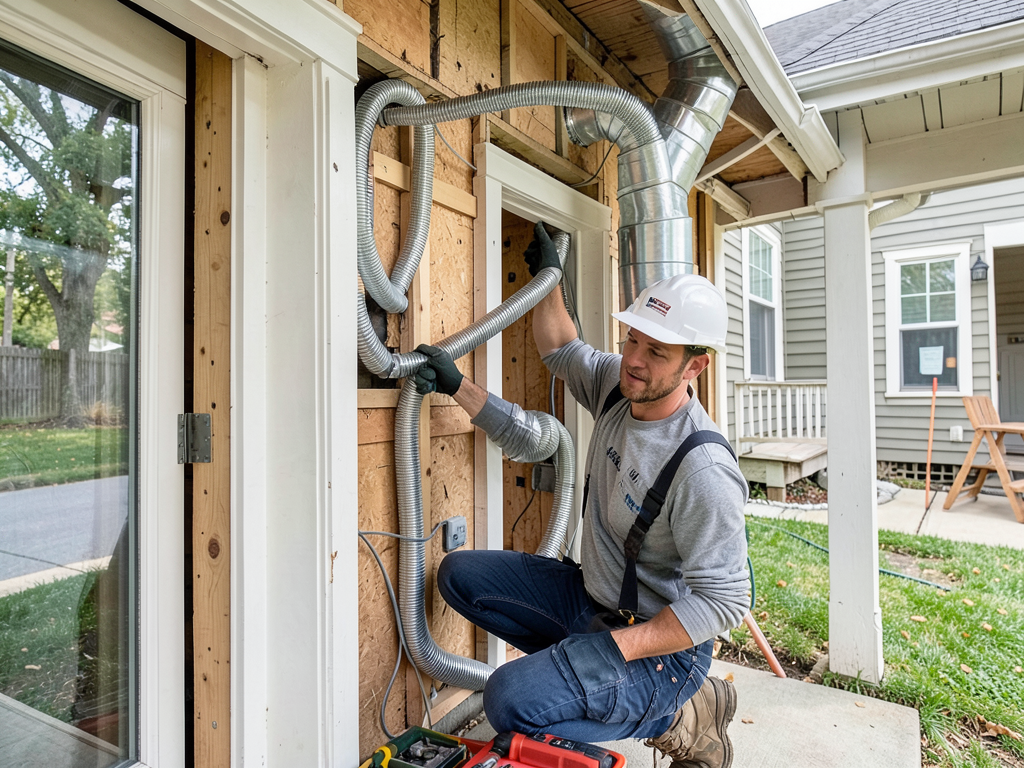
High-velocity systems use small flexible ducts that can snake through existing wall cavities and between floor joists. These systems operate at higher pressures than traditional ductwork allowing them to deliver cool air through 2-inch diameter tubes rather than the standard 6-8 inch ducts.
Ductless mini-splits consist of an outdoor condenser unit connected to multiple indoor air handlers. Each air handler can be controlled independently allowing you to cool specific rooms rather than the entire house. This zoned approach often provides better energy efficiency for North Park’s historic homes.
Traditional ducted systems remain the most expensive option but provide the most uniform cooling throughout your home. These systems require significant demolition work to create space for ductwork often involving wall reconstruction and ceiling modifications that can impact your home’s historic character.
The choice between these options also affects your home’s resale value. High-velocity systems preserve your home’s original appearance while providing modern comfort making them particularly attractive to buyers who appreciate historic properties but want modern amenities.
Step-by-Step Retrofit Process
Successfully retrofitting central air into an older North Park home requires careful planning and execution. Here’s the complete process from initial consultation to final inspection.
- Initial Assessment
A qualified HVAC technician evaluates your home’s construction electrical capacity and cooling needs. This includes measuring rooms checking insulation and assessing structural limitations.
- Manual J Calculation
The technician performs a detailed load calculation using industry-standard software to determine exactly how much cooling capacity your home requires.
- System Design
Based on the assessment and load calculation the technician designs a system that meets your comfort needs while working within your home’s structural constraints.
- Permit Acquisition
The design plans are submitted to the City of San Diego for permits. This process typically takes 2-3 weeks for historic properties.
- Installation Preparation
The work area is prepared and any necessary demolition or structural modifications are completed before the new equipment arrives.
- Equipment Installation
The new HVAC components are installed according to the approved plans with special attention to preserving historic features.
- Testing and Balancing
The system is tested for proper operation and airflow is balanced to ensure even cooling throughout your home.
- Final Inspection
The city conducts a final inspection to verify that the installation meets all code requirements.
The permitting process for North Park homes often takes longer than for newer properties due to the area’s historic designation. The City of San Diego requires additional documentation to ensure that any modifications preserve the neighborhood’s architectural character.
During installation you’ll need to temporarily relocate furniture and personal belongings from work areas. The process typically takes 3-7 days depending on your home’s complexity and the chosen system type. High-velocity installations generally take less time than traditional ducted systems.
Professional installers use specialized tools to minimize damage to plaster walls and original woodwork. They’ll often create access panels that can be removed later for maintenance access without permanent alterations to your home’s appearance.
After installation your new system should be serviced annually to maintain optimal performance. This maintenance includes cleaning coils checking refrigerant levels and ensuring that all components continue operating efficiently within your home’s unique construction.
Energy Efficiency and San Diego Rebates
California’s energy efficiency standards have become increasingly stringent and North Park homeowners can benefit from various rebates and incentives when upgrading to modern HVAC systems. Understanding these programs can significantly reduce your retrofit costs.
SDG&E offers rebates for high-efficiency HVAC equipment that meets specific SEER2 ratings. As of 2026 systems must achieve a minimum SEER2 rating of 15 for cooling and 8.5 for heating to qualify for most utility rebates. Higher efficiency ratings can qualify for additional incentives. SDG&E rebates for high-efficiency HVAC equipment.
The federal government provides tax credits for energy-efficient home improvements including HVAC upgrades. These credits can cover up to 30% of the cost for qualifying high-efficiency equipment with maximum credit amounts that vary based on the specific technology installed.
California’s Title 24 standards require all new HVAC installations to include programmable thermostats and proper duct sealing. These requirements not only improve energy efficiency but also qualify your home for additional rebates through the California Energy Commission’s various programs.
North Park homes often benefit from specific coastal climate considerations in rebate programs. Systems designed to handle high humidity levels and occasional salt-air exposure may qualify for additional incentives due to their enhanced durability and efficiency in San Diego’s unique environment.
Local contractors familiar with North Park’s historic properties can help you navigate the rebate application process. They understand which equipment combinations qualify for maximum incentives and can ensure your installation meets all program requirements.
Preserving Historic Character During Installation
One of the biggest concerns for North Park homeowners is maintaining their property’s historic charm while adding modern comfort. Professional installers use several techniques to minimize visual impact and preserve architectural details.
For high-velocity systems the small supply outlets can be painted to match existing wall colors or installed in less visible locations like closets and utility rooms. The main trunk lines run through attic spaces or crawl spaces remaining completely hidden from view.
Ductless mini-split indoor units come in various styles including models designed to blend with historic interiors. Some manufacturers offer units with wood-grain finishes or paintable covers that can be customized to match your home’s existing trim and molding.
When traditional ductwork is necessary installers use techniques like running ducts through existing chases or creating new chases that match your home’s original construction style. They’ll often use salvaged lumber and period-appropriate fasteners to maintain authenticity.
Outdoor condenser units require careful placement to minimize visual impact. Many North Park homes have side yards or rear courtyards that provide excellent locations for outdoor equipment while keeping it out of sight from the street and preserving curb appeal.
Sound considerations are also important in North Park’s dense urban environment. Modern HVAC equipment includes sound-dampening features and proper installation techniques can minimize operational noise that might disturb neighbors in this close-knit community.
Professional installers familiar with historic properties understand the importance of documenting existing conditions before starting work. They’ll often create detailed photographs and measurements to ensure that any modifications can be reversed if needed in the future.
Cost Factors and Budget Planning
The total cost of retrofitting central air into a North Park home varies significantly based on several factors. Understanding these variables helps you create a realistic budget and avoid unexpected expenses during the project.
Home size is the most obvious cost factor but construction complexity often has a greater impact on final pricing. A 1500-square-foot Craftsman with simple rooflines will typically cost less to retrofit than a 1200-square-foot Spanish Revival with multiple roof levels and thick stucco walls.
Electrical upgrades represent a significant potential expense. If your home’s electrical service cannot support a new air conditioning system you’ll need to budget for a service panel upgrade which can add $2000-$4000 to your project cost.
Permitting costs in North Park often run higher than in newer neighborhoods due to the historic designation. Plan for permit fees ranging from $500-$1500 plus potential architectural review fees if your home is in a designated historic district.
System type selection dramatically affects your budget. High-velocity systems typically cost $8000-$15000 ductless mini-splits range from $5000-$12000 while traditional ducted systems often exceed $15000 for North Park’s challenging construction.
Additional features like zoning controls smart thermostats and enhanced filtration systems can add $1000-$3000 to your project but often provide significant long-term benefits in comfort and energy efficiency.
Many homeowners spread costs by completing the retrofit in phases. You might start with a single-zone system for the main living area then add additional zones over time as your budget allows. This approach can make the project more manageable financially.
Frequently Asked Questions
Can I install central air in my 1920s Craftsman without destroying the walls?
Yes. High-velocity mini-duct systems can be installed through existing wall cavities without major demolition. These systems use 2-inch flexible ducts that can navigate through the tight spaces found in older homes while preserving your plaster walls and original trim.
How long does a typical retrofit take in North Park?
Most retrofits take 3-7 days for the actual installation but the entire process from initial consultation to final inspection typically spans 4-6 weeks. This timeline includes the permit approval process which often takes 2-3 weeks for historic properties in North Park.
Will my new system qualify for SDG&E rebates?
Most modern high-efficiency systems qualify for SDG&E rebates if they meet minimum SEER2 ratings. As of 2026 you’ll need at least a 15 SEER2 rating for cooling to qualify for standard rebates with higher ratings earning larger incentives.
Do I need to upgrade my electrical panel?
Many North Park homes built before 1960 have 60-amp service panels that cannot support central air conditioning. Your HVAC contractor will assess your electrical capacity during the initial evaluation and recommend upgrades if necessary.
Will the installation damage my historic features?
Professional installers experienced with historic properties use specialized techniques to minimize damage. They’ll often create removable access panels and use period-appropriate materials to ensure that any modifications can be reversed if needed.
Why Choose Local North Park HVAC Experts
Working with HVAC contractors who understand North Park’s unique character makes a significant difference in your retrofit project’s success. Local experts know the specific challenges of historic home construction and have experience navigating the city’s permitting requirements for these properties.
North Park’s microclimate requires specialized knowledge. The area’s coastal influence creates high humidity levels that affect system sizing and equipment selection. Local contractors understand these factors and can recommend systems optimized for San Diego’s specific climate conditions.
Historic home experience is crucial for preserving your property’s value. Contractors familiar with North Park’s architectural styles know which installation techniques minimize visual impact and maintain the character that makes these homes so desirable.
Local contractors also understand North Park’s building codes and permit requirements. They’ve established relationships with city inspectors and know exactly what documentation is needed to get your project approved efficiently.
Emergency service availability matters in North Park’s dense urban environment. Local contractors can respond quickly when issues arise understanding that many residents work from home and cannot tolerate extended cooling system outages.
Community reputation is important in tight-knit neighborhoods like North Park. Local contractors rely on word-of-mouth referrals and maintain high standards to protect their standing in the community where they live and work.
Call (619) 304-5777 today to schedule your free consultation and learn how we can bring modern comfort to your historic North Park home without compromising its character.
Getting Started with Your Retrofit Project
The first step in your central air retrofit journey is scheduling a professional assessment. This evaluation will identify your home’s specific challenges and opportunities helping you understand exactly what’s involved in bringing modern cooling to your historic property.
During the assessment your contractor will examine your home’s construction evaluate your electrical capacity and discuss your comfort preferences. They’ll explain the different system options and provide preliminary cost estimates based on your home’s unique characteristics.
Don’t wait until summer heat waves to start planning your retrofit. The permitting process alone can take several weeks and professional contractors’ schedules fill quickly during peak seasons. Starting your project in spring or fall ensures you’ll have cool comfort when you need it most.
Remember that retrofitting central air is an investment in your home’s comfort and value. While the upfront costs may seem significant the improved quality of life and potential energy savings make it worthwhile for most North Park homeowners.
Ready to transform your historic North Park home with modern cooling comfort? Call (619) 304-5777 now to schedule your assessment. Our local experts understand the unique challenges of your Craftsman bungalow or Spanish Revival home and can recommend the perfect solution for your needs and budget.
Don’t let another summer pass without the comfort you deserve. Pick up the phone and call (619) 304-5777 before the next heat wave hits North Park. Your historic home can have modern comfort without losing its character.
Elite HVAC San Diego has been helping North Park homeowners enjoy cool comfort since 2010. We understand the unique challenges of your historic property and have the expertise to deliver perfect results. Call (619) 304-5777 today and take the first step toward year-round comfort in your beautiful North Park home.
{
“@context”: “https://schema.org”,
“@type”: “BlogPosting”,
“headline”: “How to Retrofit Central Air into Older North Park Homes”,
“description”: “Learn how to add central air conditioning to your historic North Park home with expert tips on high-velocity systems, ductless mini-splits, and preserving architectural charm.”,
“wordCount”: 2600,
“datePublished”: “2026-02-11T11:04:00.000Z”,
“dateModified”: “2026-02-11T11:04:00.000Z”,
“inLanguage”: “en-US”,
“mainEntityOfPage”: {
“@type”: “WebPage”,
“@id”: “https://elitehvacsandiego.com”
},
“publisher”: {
“@type”: “LocalBusiness”,
“name”: “Elite HVAC San Diego”,
“url”: “https://elitehvacsandiego.com”
},
“author”: {
“@type”: “Organization”,
“name”: “Elite HVAC San Diego”,
“url”: “https://elitehvacsandiego.com”
},
“image”: {
“@type”: “ImageObject”,
“url”: “https://elitehvacsandiego.com/wp-content/uploads/2026/03/how-to-retrofit-central-air-into-older-north-park-1-2.png”
}
}
{
“@context”: “https://schema.org”,
“@type”: “HVACBusiness”,
“name”: “Elite HVAC San Diego”,
“url”: “https://elitehvacsandiego.com”,
“address”: {
“@type”: “PostalAddress”,
“addressLocality”: “San Diego”
},
“areaServed”: {
“@type”: “City”,
“name”: “San Diego”
}
}
{
“@context”: “https://schema.org”,
“@type”: “FAQPage”,
“mainEntity”: [
{
“@type”: “Question”,
“name”: “Can I install central air in my 1920s Craftsman without destroying the walls?”,
“acceptedAnswer”: {
“@type”: “Answer”,
“text”: “Yes. High-velocity mini-duct systems can be installed through existing wall cavities without major demolition. These systems use 2-inch flexible ducts that can navigate through the tight spaces found in older homes while preserving your plaster walls and original trim.”
}
},
{
“@type”: “Question”,
“name”: “How long does a typical retrofit take in North Park?”,
“acceptedAnswer”: {
“@type”: “Answer”,
“text”: “Most retrofits take 3-7 days for the actual installation but the entire process from initial consultation to final inspection typically spans 4-6 weeks. This timeline includes the permit approval process which often takes 2-3 weeks for historic properties in North Park.”
}
},
{
“@type”: “Question”,
“name”: “Will my new system qualify for SDG&E rebates?”,
“acceptedAnswer”: {
“@type”: “Answer”,
“text”: “Most modern high-efficiency systems qualify for SDG&E rebates if they meet minimum SEER2 ratings. As of 2026 you’ll need at least a 15 SEER2 rating for cooling to qualify for standard rebates with higher ratings earning larger incentives.”
}
},
{
“@type”: “Question”,
“name”: “Do I need to upgrade my electrical panel?”,
“acceptedAnswer”: {
“@type”: “Answer”,
“text”: “Many North Park homes built before 1960 have 60-amp service panels that cannot support central air conditioning. Your HVAC contractor will assess your electrical capacity during the initial evaluation and recommend upgrades if necessary.”
}
},
{
“@type”: “Question”,
“name”: “Will the installation damage my historic features?”,
“acceptedAnswer”: {
“@type”: “Answer”,
“text”: “Professional installers experienced with historic properties use specialized techniques to minimize damage. They’ll often create removable access panels and use period-appropriate materials to ensure that any modifications can be reversed if needed.”
}
}
]
}
{
“@context”: “https://schema.org”,
“@type”: “HowTo”,
“name”: “How to Retrofit Central Air”,
“step”: [
{
“@type”: “HowToStep”,
“position”: 1,
“name”: “Initial Assessment”,
“text”: “A qualified HVAC technician evaluates your home’s construction electrical capacity and cooling needs. This includes measuring rooms checking insulation and assessing structural limitations.”
},
{
“@type”: “HowToStep”,
“position”: 2,
“name”: “Manual J Calculation”,
“text”: “The technician performs a detailed load calculation using industry-standard software to determine exactly how much cooling capacity your home requires.”
},
{
“@type”: “HowToStep”,
“position”: 3,
“name”: “System Design”,
“text”: “Based on the assessment and load calculation the technician designs a system that meets your comfort needs while working within your home’s structural constraints.”
},
{
“@type”: “HowToStep”,
“position”: 4,
“name”: “Permit Acquisition”,
“text”: “The design plans are submitted to the City of San Diego for permits. This process typically takes 2-3 weeks for historic properties.”
},
{
“@type”: “HowToStep”,
“position”: 5,
“name”: “Installation Preparation”,
“text”: “The work area is prepared and any necessary demolition or structural modifications are completed before the new equipment arrives.”
},
{
“@type”: “HowToStep”,
“position”: 6,
“name”: “Equipment Installation”,
“text”: “The new HVAC components are installed according to the approved plans with special attention to preserving historic features.”
},
{
“@type”: “HowToStep”,
“position”: 7,
“name”: “Testing and Balancing”,
“text”: “The system is tested for proper operation and airflow is balanced to ensure even cooling throughout your home.”
},
{
“@type”: “HowToStep”,
“position”: 8,
“name”: “Final Inspection”,
“text”: “The city conducts a final inspection to verify that the installation meets all code requirements.”
}
],
“image”: “https://elitehvacsandiego.com/wp-content/uploads/2026/03/how-to-retrofit-central-air-into-older-north-park-1-2.png”
}
{
“@context”: “https://schema.org”,
“@type”: “BreadcrumbList”,
“itemListElement”: [
{
“@type”: “ListItem”,
“position”: 1,
“name”: “Home”,
“item”: “https://elitehvacsandiego.com”
},
{
“@type”: “ListItem”,
“position”: 2,
“name”: “Blog”,
“item”: “https://elitehvacsandiego.com/blog”
},
{
“@type”: “ListItem”,
“position”: 3,
“name”: “How to Retrofit Central Air into Older North Park Homes”
}
]
}
{
“@context”: “https://schema.org”,
“@type”: “Service”,
“serviceType”: “HVAC”,
“provider”: {
“@type”: “LocalBusiness”,
“name”: “Elite HVAC San Diego”,
“url”: “https://elitehvacsandiego.com”
},
“areaServed”: {
“@type”: “City”,
“name”: “San Diego”
},
“description”: “Learn how to add central air conditioning to your historic North Park home with expert tips on high-velocity systems, ductless mini-splits, and preserving architectural charm.”
}