
Solar panels are a great way to cut energy costs in Rancho Del Rey, but many homeowners discover an unexpected side effect: their attics can get significantly hotter after installation. This happens because the panels create a heat-trapping canopy over your roof, preventing natural airflow and increasing attic temperatures by 20-30 degrees Fahrenheit during peak summer afternoons. Understanding this phenomenon is crucial for Rancho Del Rey residents who want to maximize both their solar investment and HVAC efficiency.
The Science Behind Solar-Induced Attic Heat
When solar panels are installed on Rancho Del Rey homes, they sit approximately 6-8 inches above the roof surface on mounting rails. This creates a dead air space that acts like an oven during sunny days. The panels absorb sunlight and radiate heat downward onto the roof deck, while simultaneously blocking the natural convective cooling that would normally occur. Rancho Del Rey’s inland location means summer temperatures often exceed 85°F, and with solar panels in place, attic temperatures can soar to 140-160°F. Cool Roof Technologies Research.
According to the California Energy Commission’s Title 24 building standards, proper attic ventilation is critical for energy efficiency. However, many Rancho Del Rey homes were built before these standards were strictly enforced, making them particularly vulnerable to solar-induced heat buildup. The combination of older construction methods and modern solar installations creates a perfect storm for attic overheating. California Title 24 Energy Standards.
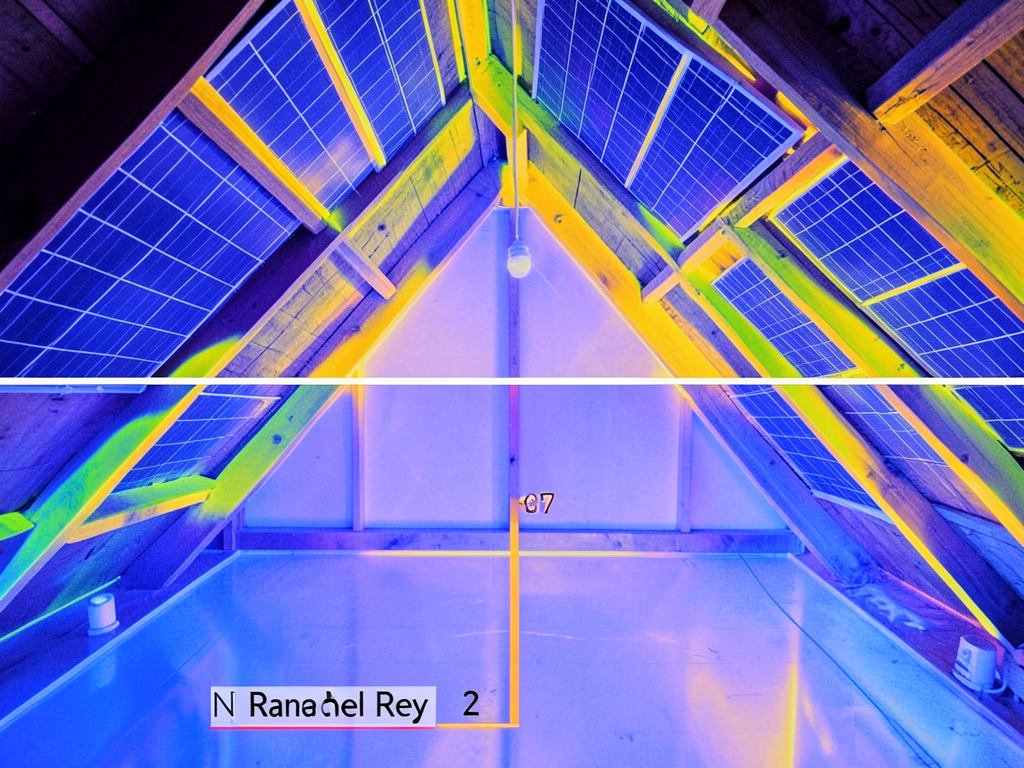
Diagram showing heat flow dynamics between solar panels, roof deck, and attic space in Rancho Del Rey homes
Why Rancho Del Rey Homes Are Especially Vulnerable
Rancho Del Rey’s unique housing stock presents specific challenges for solar installations. Many homes feature Spanish Colonial Revival architecture with clay tile roofs and minimal attic ventilation. These clay tiles, while beautiful, absorb and retain heat throughout the day. When solar panels are added to these roofs, the heat retention problem is amplified.
The neighborhood’s proximity to Highway 54 also creates an urban heat island effect. Asphalt roads and nearby commercial buildings reflect additional heat onto residential properties. Rancho Del Rey’s zip codes 91910 and 91915 experience higher average summer temperatures than coastal San Diego areas, making attic heat management even more critical.
Local building codes in Chula Vista, which includes Rancho Del Rey, require specific setback distances for solar panels from roof edges. These requirements, while important for safety, can sometimes lead to suboptimal panel layouts that concentrate heat in certain attic areas. The California Building Code Section 1504.8 addresses solar panel mounting requirements, but doesn’t specifically address the thermal impact on attic spaces. HVAC Vista.
Diagnostic Signs Your Attic Is Overheating
Recognizing the symptoms of solar-induced attic heat is the first step to solving the problem. Here are the diagnostic signs our technicians look for during Rancho Del Rey home inspections:
- Hot ceiling surfaces that you can feel with your hand, especially in rooms directly below solar panel arrays
- Increased air conditioning runtime, with your AC running continuously during peak hours
- Warm air coming from ceiling vents even when the AC is off, indicating heat transfer from the attic
- Peeling paint or wallpaper on ceilings, caused by excessive attic heat and humidity
- Ice dam formation on roof edges during winter months (yes, even in San Diego’s mild climate)
The diagnostic process involves using infrared thermometers to measure roof deck temperatures and attic air temperatures at different times of day. A properly functioning solar installation should not cause attic temperatures to exceed outdoor ambient temperature by more than 10-15 degrees. When we see 30+ degree differentials, we know there’s a ventilation problem that needs addressing.
Impact on HVAC System Performance
When your attic overheats due to solar panels, your HVAC system works significantly harder to maintain comfortable temperatures. This creates a cascading effect that impacts both comfort and energy costs. Your air conditioner must overcome not just the heat gain through windows and walls, but also the continuous radiant heat coming from the ceiling below.
In Rancho Del Rey homes, this often manifests as hot second-story bedrooms, even when the first floor feels comfortable. The heat rises through the ceiling, creating temperature stratification that makes certain areas of your home unbearable during summer afternoons. This is particularly problematic in homes with vaulted ceilings or minimal attic insulation.
The increased workload on your HVAC system leads to several issues: shorter equipment lifespan due to constant operation, higher energy bills as the system runs longer cycles, and potential refrigerant pressure problems that can cause system failures. According to SDG&E rate schedules, peak cooling hours coincide with peak solar production hours, but if your attic heat is excessive, you may still be drawing significant grid power during those expensive afternoon hours. Humidity Issues Indoors.
Effective Solutions for Rancho Del Rey Homes
Addressing solar-induced attic heat requires a multi-faceted approach tailored to Rancho Del Rey’s specific conditions. Here are the most effective solutions our technicians implement:
- Enhanced Attic Ventilation Assessment
Evaluate existing passive ventilation (soffit, ridge, and gable vents) and calculate the required net free area based on your attic square footage. Rancho Del Rey homes typically need 1 square foot of ventilation per 150 square feet of attic space.
- Solar-Powered Attic Fans Installation
Install thermostatically controlled attic fans that activate when temperatures exceed 95°F. These fans can reduce attic temperatures by 20-30 degrees and work synergistically with your solar panels by operating during peak production hours. Zone Control Systems.
- Radiant Barrier Application
Apply reflective foil barriers to the underside of roof rafters. This can reduce radiant heat transfer by up to 97% and is particularly effective in Rancho Del Rey’s sunny climate.
- Attic Insulation Upgrade
Increase attic floor insulation to R-38 or higher using blown-in cellulose or fiberglass. This creates a thermal break between the hot attic and your living spaces.
- Roof Coating Application
Apply cool roof coatings to existing roofing materials. These elastomeric coatings can reflect up to 85% of solar radiation and reduce roof surface temperatures by 50-60 degrees.
The most successful implementations in Rancho Del Rey combine multiple approaches. For example, a home in the Rolling Hills area saw a 40% reduction in cooling costs after installing solar-powered attic fans and adding radiant barrier insulation. The key is addressing both the heat source (solar panels) and the heat sink (your attic).
Cost-Benefit Analysis for Rancho Del Rey Residents
Investing in attic heat mitigation might seem expensive, but the ROI calculations for Rancho Del Rey homes are compelling. Here’s a comparison of typical solutions and their expected returns:
| Solution | Average Cost (Rancho Del Rey) | Annual Energy Savings | Payback Period |
|---|---|---|---|
| Solar-Powered Attic Fans (2 units) | $1,200 – $1,800 | $250 – $350 | 4-6 years |
| Radiant Barrier Installation | $1,500 – $2,500 | $300 – $450 | 3-5 years |
| Enhanced Ventilation System | $800 – $1,200 | $200 – $300 | 3-4 years |
| Comprehensive Heat Mitigation Package | $3,500 – $5,000 | $600 – $900 | 4-6 years |
These calculations assume SDG&E’s current Time-of-Use rates and typical Rancho Del Rey cooling patterns. The comprehensive package, while more expensive upfront, provides the best long-term value by addressing multiple heat transfer pathways simultaneously.
Preventive Measures During Solar Installation
The best time to address potential attic heat issues is during your initial solar installation. Working with experienced Rancho Del Rey solar contractors who understand local climate conditions can prevent many problems before they start. Here are key preventive measures:
- Request a comprehensive attic assessment before finalizing your solar design
- Specify adequate airflow clearance between panels and roof surface (minimum 6 inches)
- Plan for additional ventilation if your attic currently lacks proper airflow
- Consider cool roof materials if you’re also replacing your roof
- Discuss thermal imaging studies to identify heat concentration zones
Many Rancho Del Rey homeowners don’t realize that solar contractors are not always HVAC experts. Asking specific questions about attic ventilation and heat management during your solar consultation can save you significant headaches and expenses later.
Local Building Code Considerations
Navigating local building codes is essential for any solar or HVAC modification in Rancho Del Rey. The Chula Vista Municipal Code has specific requirements for both solar installations and attic modifications. Section 15.20.050 addresses solar energy system standards, while Section 15.20.070 covers ventilation requirements.
California Title 24 Energy Standards, which are enforced locally, require specific insulation levels and ventilation ratios. However, these standards were primarily designed for new construction, not for retrofitting existing homes with solar panels. This creates a regulatory gap that homeowners should be aware of when planning modifications. How to Retrofit Central Air into Older North Park Homes.
Permit requirements vary depending on the scope of work. Simple attic fan installations may not require permits, while comprehensive ventilation system upgrades typically do. Working with contractors familiar with Rancho Del Rey’s specific permit processes can streamline your project and ensure compliance.
Seasonal Considerations for Rancho Del Rey
Rancho Del Rey’s climate creates different challenges throughout the year. Summer brings the most obvious heat problems, but winter can also present unique issues. During cooler months, the temperature differential between your warm attic and cold roof surface can create condensation problems, especially if your attic ventilation is inadequate.
Spring and fall in Rancho Del Rey often feature Santa Ana wind conditions, which can actually help ventilate attics if your system is designed properly. However, these winds can also carry dust and debris that clog ventilation screens, reducing their effectiveness over time.
Understanding these seasonal patterns helps in designing ventilation systems that work year-round. A system that’s perfect for summer might create problems in winter if not properly balanced. Our technicians use seasonal performance data to optimize your attic ventilation strategy.
Advanced Diagnostic Tools We Use
At Elite HVAC San Diego, we employ advanced diagnostic tools to assess and solve solar-induced attic heat problems. These tools allow us to identify issues that aren’t visible to the naked eye:
- Thermal imaging cameras to detect heat patterns and insulation gaps
- Digital manometers to measure pressure differentials and airflow
- Infrared thermometers for precise temperature measurements
- Smoke pencils to visualize air movement patterns in attics
- Moisture meters to detect condensation problems
These diagnostic tools are particularly important in Rancho Del Rey because of the variety of home styles and construction methods in the area. A technique that works perfectly in one neighborhood might be ineffective just a few blocks away due to different architectural features.
Long-Term Benefits Beyond Energy Savings
Addressing solar-induced attic heat provides benefits that extend far beyond reduced energy bills. Proper attic management protects your entire home investment:
- Extended roof lifespan by reducing thermal cycling stress
- Improved indoor air quality by preventing mold growth in hot, humid attics
- Enhanced home comfort with more consistent temperatures throughout your living spaces
- Increased property value through improved energy efficiency ratings
- Reduced maintenance costs for your HVAC system
Many Rancho Del Rey homeowners report that solving their attic heat problems also resolved other issues they hadn’t connected to the problem, such as frequent AC breakdowns and uncomfortable second-story bedrooms.
Case Study: Rancho Del Rey Success Story
A recent project in the Rancho Del Rey Estates area demonstrates the effectiveness of comprehensive heat mitigation. The homeowners had installed solar panels two years prior and noticed their energy bills weren’t dropping as expected. Their second-story bedrooms were consistently 8-10 degrees warmer than the first floor during summer afternoons.
Our assessment revealed inadequate attic ventilation, with only two passive vents for a 2,000 square foot attic space. We installed three solar-powered attic fans, added radiant barrier insulation, and sealed air leaks in the ceiling. Six months later, their cooling costs had decreased by 35%, and the temperature differential between floors had been eliminated.
This case illustrates how addressing solar-induced attic heat can unlock the full potential of your solar investment while dramatically improving home comfort.
Choosing the Right Contractor in Rancho Del Rey
Not all HVAC contractors understand the unique challenges of Rancho Del Rey’s solar-heated attics. When selecting a contractor, look for these qualifications:
- Experience with local building codes and permit requirements
- Knowledge of Rancho Del Rey’s specific climate challenges
- Ability to perform comprehensive diagnostic assessments
- Experience with both solar and HVAC systems
- References from other Rancho Del Rey homeowners
At Elite HVAC San Diego, we’ve been serving Rancho Del Rey and surrounding areas for over 15 years. Our technicians understand the local building stock, climate patterns, and the specific challenges that solar installations create for attic ventilation.
Frequently Asked Questions
How much can solar panels increase my attic temperature?
Solar panels can increase attic temperatures by 20-30 degrees Fahrenheit during peak sun hours. In Rancho Del Rey’s sunny climate, this can mean attic temperatures reaching 140-160°F when outdoor temperatures are in the mid-80s.
Will adding more attic insulation solve the heat problem?
Insulation helps slow heat transfer but doesn’t address the root cause of excessive attic heat. You need both proper insulation AND adequate ventilation to effectively manage solar-induced attic temperatures.
Are solar-powered attic fans worth the investment?
Yes, solar-powered attic fans are particularly effective in Rancho Del Rey because they operate during peak sun hours when your attic is hottest and your solar panels are producing maximum power. They can reduce cooling costs by 10-25%.
How do I know if my attic ventilation is adequate?
Signs of inadequate ventilation include hot ceilings, excessive AC runtime, ice dam formation in winter, and moisture problems. A professional assessment using thermal imaging can provide definitive answers about your ventilation system’s effectiveness.
Can I install attic ventilation myself?
While some basic ventilation improvements are DIY-friendly, proper attic ventilation requires understanding building codes, calculating airflow requirements, and ensuring proper installation to prevent roof damage. Professional installation ensures optimal performance and code compliance.
Don’t let solar-induced attic heat undermine your energy savings and comfort. Call (619) 304-5777 today to schedule your comprehensive attic assessment. Our Rancho Del Rey experts will evaluate your specific situation and recommend solutions that maximize both your solar investment and home comfort. Pick up the phone and call (619) 304-5777 before the next heat wave hits.
{
“@context”: “https://schema.org”,
“@type”: “BlogPosting”,
“headline”: “How Solar Panel Installations Can Sometimes Make Your Rancho Del Rey Attic Hotter”,
“description”: “Discover how Rancho Del Rey’s unique roof designs and solar panel installations can trap heat in your attic, impacting HVAC efficiency. Learn prevention strategies from local experts.”,
“wordCount”: 2318,
“datePublished”: “2026-06-11T08:33:00.000Z”,
“dateModified”: “2026-06-11T08:33:00.000Z”,
“inLanguage”: “en-US”,
“mainEntityOfPage”: {
“@type”: “WebPage”,
“@id”: “https://elitehvacsandiego.com”
},
“publisher”: {
“@type”: “LocalBusiness”,
“name”: “Elite HVAC San Diego”,
“url”: “https://elitehvacsandiego.com”
},
“author”: {
“@type”: “Organization”,
“name”: “Elite HVAC San Diego”,
“url”: “https://elitehvacsandiego.com”
},
“image”: {
“@type”: “ImageObject”,
“url”: “https://elitehvacsandiego.com/wp-content/uploads/2026/03/how-solar-panel-installations-can-sometimes-make-y-1.png”
}
}
{
“@context”: “https://schema.org”,
“@type”: “HVACBusiness”,
“name”: “Elite HVAC San Diego”,
“url”: “https://elitehvacsandiego.com”,
“address”: {
“@type”: “PostalAddress”,
“addressLocality”: “San Diego”
},
“areaServed”: {
“@type”: “City”,
“name”: “San Diego”
}
}
{
“@context”: “https://schema.org”,
“@type”: “FAQPage”,
“mainEntity”: [
{
“@type”: “Question”,
“name”: “How much can solar panels increase my attic temperature?”,
“acceptedAnswer”: {
“@type”: “Answer”,
“text”: “Solar panels can increase attic temperatures by 20-30 degrees Fahrenheit during peak sun hours. In Rancho Del Rey’s sunny climate, this can mean attic temperatures reaching 140-160°F when outdoor temperatures are in the mid-80s.”
}
},
{
“@type”: “Question”,
“name”: “Will adding more attic insulation solve the heat problem?”,
“acceptedAnswer”: {
“@type”: “Answer”,
“text”: “Insulation helps slow heat transfer but doesn’t address the root cause of excessive attic heat. You need both proper insulation AND adequate ventilation to effectively manage solar-induced attic temperatures.”
}
},
{
“@type”: “Question”,
“name”: “Are solar-powered attic fans worth the investment?”,
“acceptedAnswer”: {
“@type”: “Answer”,
“text”: “Yes, solar-powered attic fans are particularly effective in Rancho Del Rey because they operate during peak sun hours when your attic is hottest and your solar panels are producing maximum power. They can reduce cooling costs by 10-25%.”
}
},
{
“@type”: “Question”,
“name”: “How do I know if my attic ventilation is adequate?”,
“acceptedAnswer”: {
“@type”: “Answer”,
“text”: “Signs of inadequate ventilation include hot ceilings, excessive AC runtime, ice dam formation in winter, and moisture problems. A professional assessment using thermal imaging can provide definitive answers about your ventilation system’s effectiveness.”
}
},
{
“@type”: “Question”,
“name”: “Can I install attic ventilation myself?”,
“acceptedAnswer”: {
“@type”: “Answer”,
“text”: “While some basic ventilation improvements are DIY-friendly, proper attic ventilation requires understanding building codes, calculating airflow requirements, and ensuring proper installation to prevent roof damage. Professional installation ensures optimal performance and code compliance.”
}
}
]
}
{
“@context”: “https://schema.org”,
“@type”: “HowTo”,
“name”: “Solar-Induced Attic Heat Solutions”,
“step”: [
{
“@type”: “HowToStep”,
“position”: 1,
“name”: “Enhanced Attic Ventilation Assessment”,
“text”: “Evaluate existing passive ventilation (soffit, ridge, and gable vents) and calculate the required net free area based on your attic square footage. Rancho Del Rey homes typically need 1 square foot of ventilation per 150 square feet of attic space.”
},
{
“@type”: “HowToStep”,
“position”: 2,
“name”: “Solar-Powered Attic Fans Installation”,
“text”: “Install thermostatically controlled attic fans that activate when temperatures exceed 95°F. These fans can reduce attic temperatures by 20-30 degrees and work synergistically with your solar panels by operating during peak production hours. Zone Control Systems.”
},
{
“@type”: “HowToStep”,
“position”: 3,
“name”: “Radiant Barrier Application”,
“text”: “Apply reflective foil barriers to the underside of roof rafters. This can reduce radiant heat transfer by up to 97% and is particularly effective in Rancho Del Rey’s sunny climate.”
},
{
“@type”: “HowToStep”,
“position”: 4,
“name”: “Attic Insulation Upgrade”,
“text”: “Increase attic floor insulation to R-38 or higher using blown-in cellulose or fiberglass. This creates a thermal break between the hot attic and your living spaces.”
},
{
“@type”: “HowToStep”,
“position”: 5,
“name”: “Roof Coating Application”,
“text”: “Apply cool roof coatings to existing roofing materials. These elastomeric coatings can reflect up to 85% of solar radiation and reduce roof surface temperatures by 50-60 degrees.”
}
],
“image”: “https://elitehvacsandiego.com/wp-content/uploads/2026/03/how-solar-panel-installations-can-sometimes-make-y-1.png”
}
{
“@context”: “https://schema.org”,
“@type”: “BreadcrumbList”,
“itemListElement”: [
{
“@type”: “ListItem”,
“position”: 1,
“name”: “Home”,
“item”: “https://elitehvacsandiego.com”
},
{
“@type”: “ListItem”,
“position”: 2,
“name”: “Blog”,
“item”: “https://elitehvacsandiego.com/blog”
},
{
“@type”: “ListItem”,
“position”: 3,
“name”: “How Solar Panel Installations Can Sometimes Make Your Rancho Del Rey Attic Hotter”
}
]
}
{
“@context”: “https://schema.org”,
“@type”: “Service”,
“serviceType”: “HVAC”,
“provider”: {
“@type”: “LocalBusiness”,
“name”: “Elite HVAC San Diego”,
“url”: “https://elitehvacsandiego.com”
},
“areaServed”: {
“@type”: “City”,
“name”: “San Diego”
},
“description”: “Discover how Rancho Del Rey’s unique roof designs and solar panel installations can trap heat in your attic, impacting HVAC efficiency. Learn prevention strategies from local experts.”
}