
A Guide to Hidden Costs During San Diego AC Installations
Installing a new air conditioning system in San Diego comes with more than just the sticker price of the unit. Homeowners often face unexpected expenses that can add hundreds or even thousands to their project budget. From permit requirements to electrical upgrades and ductwork modifications, these hidden costs can catch you off guard if you’re not prepared. San Diego Development Services.
The good news is that understanding these potential expenses upfront allows you to budget accurately and avoid surprises during installation. Whether you’re replacing an aging system in a Mission Valley home or upgrading to central AC in a Del Mar beach house, knowing what drives costs in our unique coastal climate helps you make informed decisions about your investment. How to Retrofit Central Air into Older North Park Homes.
Permit and Inspection Fees in San Diego County
Every major HVAC installation in San Diego requires permits from your local building department. The City of San Diego charges between $300 and $800 for air conditioning permits, depending on the scope of work and your home’s location. These fees cover plan review, inspection scheduling, and ensuring your installation meets California Title 24 energy efficiency standards.
Beyond the base permit cost, you may need additional inspections for electrical work, gas lines, or structural modifications. Coastal properties in areas like La Jolla or Point Loma often face stricter scrutiny due to salt-air corrosion concerns, which can extend inspection timelines and increase costs. Some homeowners discover they need a HERS (Home Energy Rating System) test, which adds $200 to $400 to verify proper system performance. Why Salt Air Destroys La Jolla AC Units and How to Protect Yours.
Electrical System Upgrades and Capacity Issues
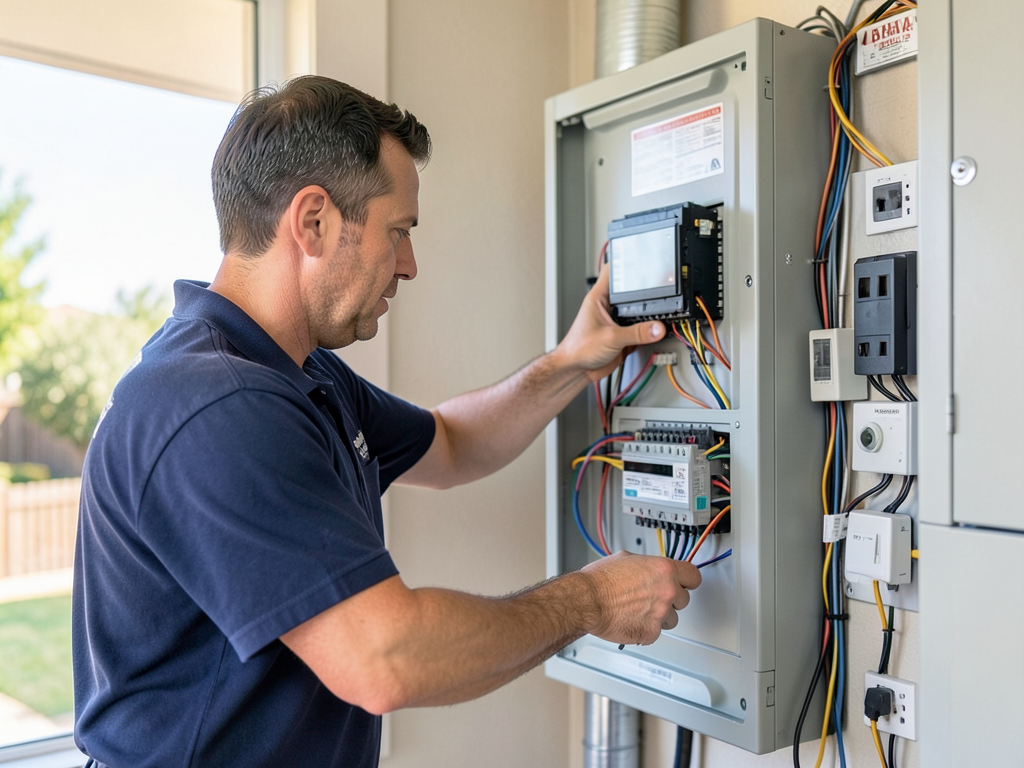
Older San Diego homes, particularly those built before 1980 in neighborhoods like Normal Heights or South Park, often have electrical systems that can’t handle modern AC units. A standard central air system requires a dedicated 240-volt circuit with proper grounding and surge protection. If your electrical panel lacks available slots or capacity, you’ll need an upgrade that can cost $1,500 to $3,000. Zone Control Systems.
Many San Diego homes have Federal Pacific or Zinsco panels, which are known fire hazards and may require complete replacement. The electrical work alone can take two to three days and requires a separate permit and inspection. SDG&E may also need to upgrade your service drop if your home’s electrical demand exceeds current capacity, adding another $500 to $1,000 to your project. SDG&E Rebates and Incentives.
Ductwork Modifications and Replacement Costs
Existing ductwork in San Diego homes often becomes a hidden expense during AC installation. Many older systems have ducts that are too small, poorly sealed, or made from materials that don’t meet current energy codes. A typical duct replacement in a 2,000-square-foot home can cost $3,000 to $6,000, depending on accessibility and materials.
Attic ductwork in San Diego’s inland areas like El Cajon or Santee faces extreme temperature swings that cause expansion and contraction, leading to leaks over time. Coastal homes in areas like Pacific Beach may have ducts compromised by salt air corrosion. You might need duct sealing, insulation upgrades, or complete replacement to meet Title 24 requirements and ensure proper airflow.
Structural Modifications and Roof Penetrations
Installing new AC equipment often requires structural changes that homeowners don’t anticipate. Roof-mounted units need proper mounting brackets and flashing to prevent leaks, especially in San Diego’s rainy season. These modifications can cost $500 to $1,500 depending on your roof type and pitch.
Condenser pads for outdoor units must be level and properly sized to prevent vibration and noise complaints. In hillside areas like La Mesa or Allied Gardens, you might need reinforced concrete pads or special anchoring to meet seismic requirements. Some installations require cutting through walls or ceilings to run refrigerant lines, which can add $200 to $600 in drywall repair and painting.
Refrigerant Line Sets and Copper Pricing
The copper refrigerant lines connecting your indoor and outdoor units represent a significant hidden cost that varies with installation complexity. Standard line sets cost $200 to $400, but longer runs through multiple floors or across large properties can easily exceed $1,000. Current copper prices fluctuate based on market conditions, and some installations require custom-bent lines that increase labor time.
San Diego’s building codes require specific insulation thicknesses for refrigerant lines to prevent condensation and energy loss. The insulation alone can add $150 to $300 to your project. If your home has multiple AC zones, you’ll need additional line sets and valves, multiplying these costs across your system.
Thermostat and Control System Upgrades
Modern AC systems often require upgraded thermostats or control systems that aren’t included in basic installation quotes. Smart thermostats compatible with your new system can cost $200 to $500, while advanced zoning controls for multi-story homes may run $1,000 to $2,500. These controls help manage San Diego’s varying microclimates but represent an additional investment.
Some homeowners discover their existing thermostat wiring can’t support new system features like dehumidification or variable-speed operation. Running new control wiring through walls can add $300 to $600 to your project. If you’re adding humidity control for coastal properties, you’ll need specialized sensors and controls that increase both equipment and installation costs. Humidity Issues Indoors.
Demolition and Disposal of Old Equipment
Removing your old AC system involves more than just hauling away the unit. Professional disposal of refrigerants requires EPA-certified technicians and proper documentation, adding $150 to $300 to your project. The physical removal of heavy equipment from tight spaces like attic crawlspaces or basement mechanical rooms can take several hours of labor.
If your old system contains asbestos-containing materials or has been contaminated with mold, you’ll need specialized abatement services that can cost $1,000 to $5,000. San Diego’s strict environmental regulations require proper documentation for all HVAC equipment disposal, and failure to comply can result in fines that far exceed disposal costs.
Sound Attenuation and Neighbor Considerations
San Diego’s noise ordinances, particularly in residential areas like Coronado or Del Mar, may require sound attenuation measures for your new AC system. Condenser units must meet specific decibel ratings, and some installations need additional sound barriers or vibration isolation mounts that cost $200 to $800.
If your property is close to neighbors, you might need to relocate the condenser to a less visible location or install it on a sound-dampening pad. Some homeowners associations in planned communities require additional screening or landscaping to hide equipment, adding $300 to $1,000 in materials and installation.
Extended Warranties and Maintenance Agreements
While not strictly a hidden cost, extended warranties and maintenance agreements can significantly impact your total investment. Most manufacturers offer basic warranties of five to ten years, but extended coverage for parts and labor can cost $500 to $1,500 depending on your system’s complexity and coverage duration.
Annual maintenance agreements, which many contractors recommend for coastal properties exposed to salt air, typically cost $150 to $300 per year. These agreements often include priority service and discounted repairs, which can save money over time but add to your upfront costs.
Financing and Interest Costs
Many San Diego homeowners finance their AC installations through home equity loans, personal loans, or contractor financing programs. While convenient, these financing options add interest costs that can increase your total project cost by 10% to 30% over the loan term. A $10,000 installation financed at 8% over five years adds approximately $2,200 in interest.
Some contractors offer promotional financing with deferred interest, but these programs often include steep penalties if you don’t pay off the balance during the promotional period. Always read the fine print and calculate the true cost of financing before committing to a payment plan.
Regional Cost Variations in San Diego
AC installation costs vary significantly across San Diego County based on local factors. Coastal areas like Carlsbad and Encinitas often face higher labor rates due to the cost of living and specialized requirements for salt-air environments. Inland areas like Lakeside or Ramona may have lower base rates but higher transportation costs for contractors traveling from central locations.
Urban areas like downtown San Diego or Mission Valley may require additional permits or have restricted work hours that extend project timelines. Some neighborhoods have architectural review requirements that add weeks to approval processes and increase design costs. Always get quotes specific to your exact location rather than relying on county-wide averages.
Tips to Minimize Hidden Costs
The best way to avoid unexpected expenses is thorough planning and multiple quotes. Request detailed written estimates that break down all potential costs, including permits, electrical work, and disposal fees. Ask contractors about their experience with homes similar to yours in your specific neighborhood.
Consider scheduling your installation during off-peak seasons when contractors may offer better pricing or be more flexible with scheduling. Some companies provide package deals that include common upgrades at discounted rates. Always verify contractor licenses and insurance before signing any agreements.
Making Your Final Decision
When comparing AC installation quotes, look beyond the bottom line to understand what’s included. A lower price might exclude necessary upgrades or use lower-quality materials that cost more over time. Focus on value rather than just initial cost, considering factors like energy efficiency, warranty coverage, and contractor reputation.
Remember that proper installation affects your system’s efficiency and longevity more than the equipment itself. Choose a contractor with specific experience in San Diego’s climate and building requirements. The right professional can help you navigate permit processes, recommend cost-effective solutions, and ensure your new system performs optimally for years to come.
Frequently Asked Questions
How much should I budget for hidden costs on a typical AC installation?
Plan for an additional 20% to 30% beyond the base equipment cost. For a $5,000 system, budget $1,000 to $1,500 for permits, electrical upgrades, and other hidden expenses. Coastal properties or older homes may require 35% to 40% extra due to additional requirements.
Do I really need permits for AC replacement in San Diego?
Yes, permits are required for all new AC installations in San Diego County. The process ensures your system meets Title 24 energy standards and local building codes. Skipping permits can result in fines, inspection failures, and problems when selling your home.
How long does the permit process take in San Diego?
Permit approval typically takes 1 to 3 weeks, depending on your location and the complexity of your project. Some coastal areas with additional review requirements may take longer. Your contractor should handle permit applications, but factor this timeline into your project schedule.
Can I save money by doing some work myself?
DIY work on HVAC systems is dangerous and often illegal in California. Only licensed contractors can handle refrigerants, electrical connections, and gas lines. However, you might save on demolition costs by removing non-technical components yourself, but always consult your contractor first.
What’s the most expensive hidden cost homeowners encounter?
Electrical panel upgrades are often the biggest surprise, costing $1,500 to $3,000 or more. Many San Diego homes built before 1980 have undersized panels that can’t support modern AC systems. This cost is difficult to predict without a professional assessment of your home’s electrical capacity.
- Request Detailed Quotes
Get at least three written estimates that break down all costs, including permits, electrical work, and disposal fees.
- Schedule Electrical Assessment
Have a licensed electrician evaluate your panel capacity before committing to a system size.
- Check Permit Requirements
Verify what permits your specific installation requires and factor in processing times and fees.
- Plan for Contingencies
Add 20% to 30% to your budget for unexpected issues like ductwork problems or structural modifications.
- Verify Contractor Credentials
Confirm licenses, insurance, and experience with San Diego’s specific building requirements before signing.
Ready to Get Your AC Installation Started?
Don’t let hidden costs derail your home comfort project. Call (619) 304-5777 today to schedule a comprehensive assessment of your AC installation needs. Our San Diego experts will provide transparent pricing, handle all permitting requirements, and ensure your new system meets all local codes and efficiency standards. Pick up the phone and call (619) 304-5777 before the next heat wave hits.
{
“@context”: “https://schema.org”,
“@type”: “BlogPosting”,
“headline”: “A Guide to Hidden Costs During San Diego AC Installations”,
“description”: “Discover the hidden costs of AC installation in San Diego. From permits to ductwork, learn what drives up prices and how to budget for your cooling system upgrade.”,
“wordCount”: 2018,
“datePublished”: “2026-04-26T11:50:00.000Z”,
“dateModified”: “2026-04-26T11:50:00.000Z”,
“inLanguage”: “en-US”,
“mainEntityOfPage”: {
“@type”: “WebPage”,
“@id”: “https://elitehvacsandiego.com”
},
“publisher”: {
“@type”: “LocalBusiness”,
“name”: “Elite HVAC San Diego”,
“url”: “https://elitehvacsandiego.com”
},
“author”: {
“@type”: “Organization”,
“name”: “Elite HVAC San Diego”,
“url”: “https://elitehvacsandiego.com”
},
“image”: {
“@type”: “ImageObject”,
“url”: “https://elitehvacsandiego.com/wp-content/uploads/2026/03/a-guide-to-hidden-costs-during-san-diego-ac-instal-1.png”
}
}
{
“@context”: “https://schema.org”,
“@type”: “HVACBusiness”,
“name”: “Elite HVAC San Diego”,
“url”: “https://elitehvacsandiego.com”,
“address”: {
“@type”: “PostalAddress”,
“addressLocality”: “San Diego”
},
“areaServed”: {
“@type”: “City”,
“name”: “San Diego”
}
}
{
“@context”: “https://schema.org”,
“@type”: “FAQPage”,
“mainEntity”: [
{
“@type”: “Question”,
“name”: “How much should I budget for hidden costs on a typical AC installation?”,
“acceptedAnswer”: {
“@type”: “Answer”,
“text”: “Plan for an additional 20% to 30% beyond the base equipment cost. For a $5,000 system, budget $1,000 to $1,500 for permits, electrical upgrades, and other hidden expenses. Coastal properties or older homes may require 35% to 40% extra due to additional requirements.”
}
},
{
“@type”: “Question”,
“name”: “Do I really need permits for AC replacement in San Diego?”,
“acceptedAnswer”: {
“@type”: “Answer”,
“text”: “Yes, permits are required for all new AC installations in San Diego County. The process ensures your system meets Title 24 energy standards and local building codes. Skipping permits can result in fines, inspection failures, and problems when selling your home.”
}
},
{
“@type”: “Question”,
“name”: “How long does the permit process take in San Diego?”,
“acceptedAnswer”: {
“@type”: “Answer”,
“text”: “Permit approval typically takes 1 to 3 weeks, depending on your location and the complexity of your project. Some coastal areas with additional review requirements may take longer. Your contractor should handle permit applications, but factor this timeline into your project schedule.”
}
},
{
“@type”: “Question”,
“name”: “Can I save money by doing some work myself?”,
“acceptedAnswer”: {
“@type”: “Answer”,
“text”: “DIY work on HVAC systems is dangerous and often illegal in California. Only licensed contractors can handle refrigerants, electrical connections, and gas lines. However, you might save on demolition costs by removing non-technical components yourself, but always consult your contractor first.”
}
},
{
“@type”: “Question”,
“name”: “What’s the most expensive hidden cost homeowners encounter?”,
“acceptedAnswer”: {
“@type”: “Answer”,
“text”: “Electrical panel upgrades are often the biggest surprise, costing $1,500 to $3,000 or more. Many San Diego homes built before 1980 have undersized panels that can’t support modern AC systems. This cost is difficult to predict without a professional assessment of your home’s electrical capacity.”
}
},
{
“@type”: “Question”,
“name”: “Ready to Get Your AC Installation Started?”,
“acceptedAnswer”: {
“@type”: “Answer”,
“text”: “Don’t let hidden costs derail your home comfort project. Call (619) 304-5777 today to schedule a comprehensive assessment of your AC installation needs. Our San Diego experts will provide transparent pricing, handle all permitting requirements, and ensure your new system meets all local codes and efficiency standards. Pick up the phone and call (619) 304-5777 before the next heat wave hits.”
}
}
]
}
{
“@context”: “https://schema.org”,
“@type”: “HowTo”,
“name”: “How to Budget for AC Installation”,
“step”: [
{
“@type”: “HowToStep”,
“position”: 1,
“name”: “Request Detailed Quotes”,
“text”: “Get at least three written estimates that break down all costs, including permits, electrical work, and disposal fees.”
},
{
“@type”: “HowToStep”,
“position”: 2,
“name”: “Schedule Electrical Assessment”,
“text”: “Have a licensed electrician evaluate your panel capacity before committing to a system size.”
},
{
“@type”: “HowToStep”,
“position”: 3,
“name”: “Check Permit Requirements”,
“text”: “Verify what permits your specific installation requires and factor in processing times and fees.”
},
{
“@type”: “HowToStep”,
“position”: 4,
“name”: “Plan for Contingencies”,
“text”: “Add 20% to 30% to your budget for unexpected issues like ductwork problems or structural modifications.”
},
{
“@type”: “HowToStep”,
“position”: 5,
“name”: “Verify Contractor Credentials”,
“text”: “Confirm licenses, insurance, and experience with San Diego’s specific building requirements before signing.”
}
],
“image”: “https://elitehvacsandiego.com/wp-content/uploads/2026/03/a-guide-to-hidden-costs-during-san-diego-ac-instal-1.png”
}
{
“@context”: “https://schema.org”,
“@type”: “BreadcrumbList”,
“itemListElement”: [
{
“@type”: “ListItem”,
“position”: 1,
“name”: “Home”,
“item”: “https://elitehvacsandiego.com”
},
{
“@type”: “ListItem”,
“position”: 2,
“name”: “Blog”,
“item”: “https://elitehvacsandiego.com/blog”
},
{
“@type”: “ListItem”,
“position”: 3,
“name”: “A Guide to Hidden Costs During San Diego AC Installations”
}
]
}
{
“@context”: “https://schema.org”,
“@type”: “Service”,
“serviceType”: “HVAC”,
“provider”: {
“@type”: “LocalBusiness”,
“name”: “Elite HVAC San Diego”,
“url”: “https://elitehvacsandiego.com”
},
“areaServed”: {
“@type”: “City”,
“name”: “San Diego”
},
“description”: “Discover the hidden costs of AC installation in San Diego. From permits to ductwork, learn what drives up prices and how to budget for your cooling system upgrade.”
}