
Why Your Barrio Logan Loft Feels Stifling and How to Fix the Airflow
Your Barrio Logan loft’s soaring ceilings and open floor plan create a stunning industrial aesthetic but trap hot air and leave you sweating. The high ceilings common in converted warehouses create thermal stratification where warm air rises and cool air stays near the floor. This leaves you feeling stifled even when your AC runs constantly. The solution requires understanding how Barrio Logan’s unique climate and building characteristics affect airflow and choosing the right cooling system.
Why High-Ceiling Lofts Trap Heat and Stifle Airflow
Industrial lofts in Barrio Logan face specific airflow challenges that standard HVAC systems cannot handle. The combination of high ceilings, large windows, and open floor plans creates conditions where air movement becomes stagnant. Here’s what happens inside your space. Zone Control Systems.
The Stack Effect in Action
Warm air naturally rises in your loft creating a temperature difference of up to 15 degrees between floor and ceiling height. This stack effect means your thermostat reading at five feet tells only half the story. The air near your ceiling can feel like a sauna while your feet remain cool.
Heat Gain Through Large Windows
Barrio Logan’s converted warehouses typically feature large industrial windows that let in abundant natural light but also significant heat. West-facing windows can add 200-400 BTU per hour per square foot during peak afternoon sun. That’s like running a small space heater in every room.
Thermal Mass Working Against You
The brick and concrete walls that give your loft character also store heat throughout the day. These materials absorb heat during sunny hours then slowly release it after sunset when you want to cool down. This thermal mass effect can keep your space 5-8 degrees warmer than the outdoor temperature.
Three Proven Solutions for Better Loft Airflow
Fixing airflow in your Barrio Logan loft requires more than just a bigger air conditioner. These three approaches work together to create comfortable, consistent temperatures throughout your space.
High-Volume Low-Speed Fans for Air Circulation
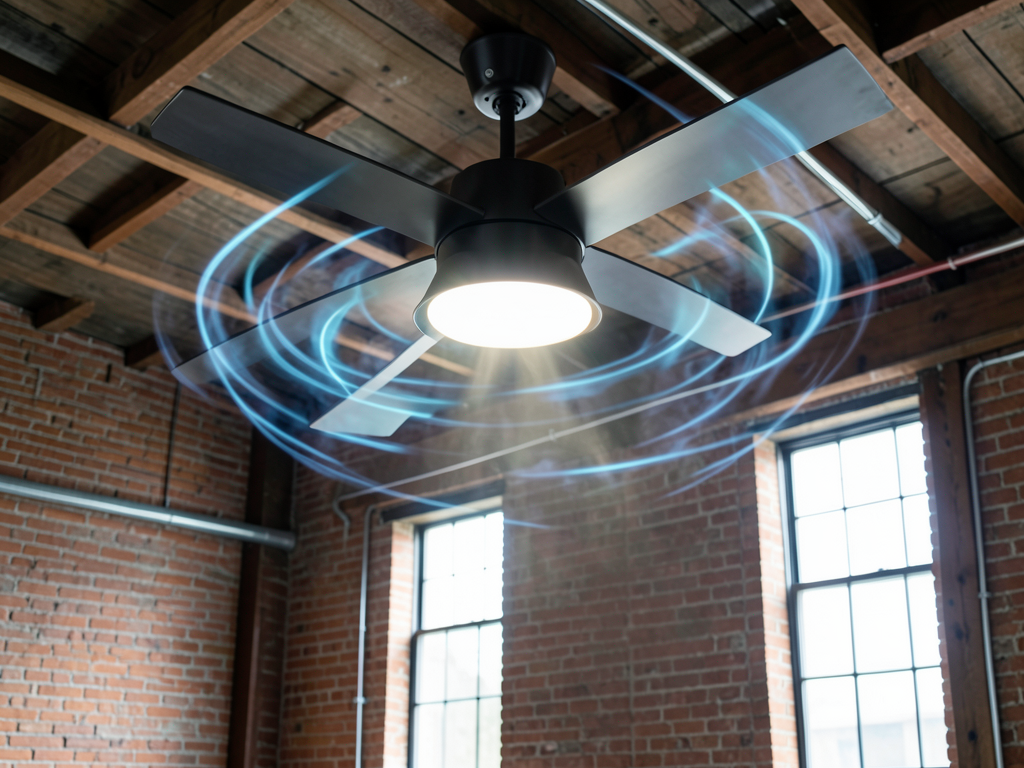
HVLS fans move massive amounts of air at slow speeds creating gentle circulation that breaks up thermal stratification. A single 8-foot HVLS fan can move over 100,000 cubic feet of air per minute. This constant air movement makes you feel 4-7 degrees cooler through evaporative cooling on your skin.
These fans work silently in the background and complement your existing HVAC system rather than replacing it. The gentle breeze prevents hot and cold spots while using minimal electricity compared to running your AC harder.
Variable Refrigerant Flow Systems for Zoned Comfort
VRF systems use advanced technology to deliver precise cooling to different zones in your loft. Unlike traditional systems that blast cold air from one location, VRF systems adjust refrigerant flow based on each area’s needs. This means your bedroom can stay cool while your living area maintains a slightly warmer temperature.
These systems excel in spaces with high ceilings because they can maintain consistent temperatures without the dramatic swings common in single-zone systems. The inverter technology also reduces energy consumption by 30-40% compared to conventional units.
Ductless Mini-Split Clusters for Targeted Cooling
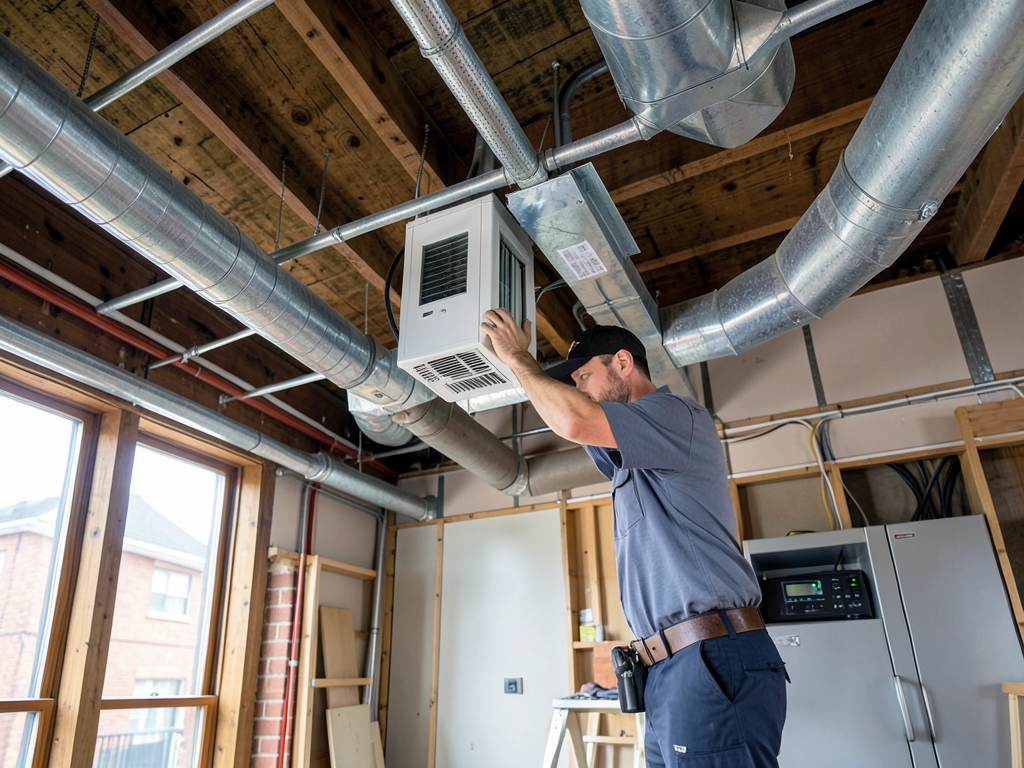
Mini-split systems provide the flexibility needed for open loft spaces. You can install multiple indoor units throughout your loft creating independent cooling zones. This approach eliminates the ductwork losses that plague traditional systems and allows you to cool only the areas you use. Ductless Mini-Split Installation for Coastal La Jolla Homes.
Each indoor unit operates independently so you can maintain different temperatures in sleeping areas versus living spaces. The lack of ducts also means no energy wasted cooling your ceiling cavity or fighting against thermal losses through poorly insulated ductwork.
San Diego Climate Considerations for Loft Cooling
Barrio Logan’s coastal location creates specific challenges for loft cooling that inland areas don’t face. Understanding these factors helps you choose the right equipment and avoid costly mistakes.
Marine Layer Humidity Effects
The morning marine layer that blankets Barrio Logan brings higher humidity than inland areas. This moisture in the air makes temperatures feel warmer and reduces the effectiveness of evaporative cooling. Your AC system needs to handle both temperature and humidity control for optimal comfort. Humidity Issues Indoors.
Afternoon Heat Gain Patterns
Barrio Logan experiences significant temperature swings between morning marine layer and afternoon heat. Your cooling system must handle rapid temperature changes while maintaining consistent comfort. Systems with smart thermostats that learn these patterns provide better comfort than basic programmable units.
Salt Air Considerations
Barrio Logan’s proximity to the bay means salt air can corrode HVAC components faster than inland locations. Choosing equipment with corrosion-resistant coatings and proper installation techniques extends system life by 3-5 years compared to standard units.
Energy Efficiency and Cost Savings Strategies
Cooling your loft efficiently saves money while reducing environmental impact. These strategies maximize comfort while minimizing utility bills in San Diego’s expensive electricity market.
Smart Thermostat Integration
Modern smart thermostats learn your loft’s unique cooling patterns and adjust automatically. They factor in Barrio Logan’s daily temperature swings, your occupancy patterns, and even SDG&E’s time-of-use rates to optimize cooling schedules. This intelligent control can reduce cooling costs by 15-20% without sacrificing comfort.
Window Treatment Solutions
Strategic window treatments block heat gain without sacrificing your loft’s industrial aesthetic. Solar shades reduce heat gain by 70-85% while maintaining views. For maximum efficiency, combine exterior shading devices with interior treatments to create a thermal barrier.
Proper Insulation Upgrades
Many Barrio Logan lofts lack adequate insulation in walls and ceilings. Adding spray foam insulation to exposed brick walls can reduce cooling loads by 25-30%. This improvement pays for itself through lower utility bills within 3-4 years in San Diego’s climate.
Installation Considerations for Historic Buildings
Barrio Logan’s historic industrial buildings present unique installation challenges that require specialized expertise. Understanding these factors ensures your cooling system works properly without damaging your building’s character.
Structural Load Requirements
Older buildings may have limited roof capacity for outdoor units. A typical residential AC condenser weighs 150-250 pounds plus wind loads. Professional structural assessment prevents roof damage and ensures safe installation of modern cooling equipment.
Historic Preservation Guidelines
Many Barrio Logan buildings fall under historic preservation guidelines that restrict exterior modifications. This means equipment placement must be carefully planned to maintain the building’s architectural integrity while providing adequate cooling performance.
Electrical System Upgrades
Historic buildings often have undersized electrical panels that cannot support modern HVAC equipment. Upgrading from a 60-amp to a 200-amp service may be necessary to power high-efficiency cooling systems safely.
Maintenance Requirements for Optimal Performance
Even the best cooling system needs regular maintenance to perform efficiently in Barrio Logan’s climate. These maintenance tasks prevent costly breakdowns and ensure consistent comfort year-round.
Filter Replacement Schedule
Dust and salt air in Barrio Logan require more frequent filter changes than inland areas. Replace filters every 30-45 days instead of the standard 90-day schedule. Clean filters improve airflow and reduce system strain, extending equipment life by 2-3 years.
Coil Cleaning Importance
Salt air and urban pollution coat condenser coils with grime that reduces efficiency by 15-25%. Annual professional coil cleaning restores lost efficiency and prevents premature compressor failure. This simple maintenance task can save $200-400 annually in energy costs.
Drain Line Maintenance
High humidity in Barrio Logan causes condensate drain lines to clog more frequently. Monthly drain line cleaning prevents water damage and maintains proper humidity control. A clogged drain line can cause your system to shut down completely during peak cooling season.
Cost Considerations and ROI Analysis
Investing in proper loft cooling requires understanding both upfront costs and long-term savings. These financial considerations help you make informed decisions about your cooling system investment.
System Cost Ranges
Basic ductless mini-split systems for lofts typically cost $5,000-8,000 installed. High-end VRF systems with multiple zones range from $12,000-20,000. HVLS fans add $2,000-4,000 to any system but provide significant comfort improvements at lower energy costs.
Energy Savings Potential
High-efficiency systems can reduce cooling costs by 30-50% compared to standard equipment. In Barrio Logan where electricity rates average 35 cents per kilowatt-hour, annual savings of $500-1,000 are common for properly sized systems.
Property Value Impact
Proper cooling systems increase property values in Barrio Logan’s competitive real estate market. Buyers pay premiums for homes with modern, efficient HVAC systems. A $15,000 cooling system investment can add $20,000-25,000 to your property value.
Common Mistakes to Avoid
Many loft owners make costly mistakes when choosing cooling solutions. Understanding these pitfalls helps you avoid expensive regrets and ensures your system meets your needs.
Undersized Equipment
Choosing equipment based solely on square footage ignores the impact of high ceilings and large windows. A 1,500 square foot loft with 15-foot ceilings requires 50% more cooling capacity than a standard 8-foot ceiling space. Proper load calculations prevent this common mistake.
Improper Ductwork Design
Flexible ductwork loses 30-40% of its capacity through heat gain and friction losses. Exposed spiral duct systems maintain their rated capacity and add to your loft’s industrial aesthetic. The higher upfront cost pays for itself through improved performance and energy savings.
Ignoring Zoning Needs
Single-zone systems cannot effectively cool lofts with varied use patterns. Bedrooms need different temperatures than living areas, and unused spaces shouldn’t be cooled unnecessarily. Multi-zone systems provide the flexibility modern loft living demands.
Professional Assessment Process
Proper cooling system design requires professional assessment of your specific space. This process ensures your system meets your needs while avoiding costly mistakes.
Heat Load Calculation
Manual J calculations determine exact cooling requirements based on your loft’s specific characteristics. This process considers ceiling height, window orientation, insulation levels, and occupancy patterns. Accurate calculations prevent undersized or oversized equipment.
Airflow Analysis
Professional airflow testing identifies dead spots and circulation problems in your space. This analysis guides equipment placement and determines whether additional air movement devices like HVLS fans are necessary for optimal comfort.
Electrical Assessment
Your existing electrical system must support new cooling equipment. Professional assessment identifies necessary upgrades before installation begins, preventing costly change orders and ensuring safe operation.
Frequently Asked Questions
How much does it cost to cool a Barrio Logan loft?
Initial installation costs range from $5,000-20,000 depending on system type and complexity. Annual operating costs typically run $400-800 for efficient systems, compared to $800-1,500 for inefficient equipment. The higher upfront investment in quality equipment pays for itself through lower utility bills within 3-5 years.
Can I install cooling myself in my loft?
DIY installation is not recommended for loft cooling systems. High-ceiling installations require specialized equipment and safety procedures. Improper installation voids warranties and can create dangerous conditions. Professional installation ensures proper sizing, safe operation, and compliance with local building codes.
How long do loft cooling systems last in Barrio Logan?
Quality cooling systems typically last 15-20 years with proper maintenance. Salt air and marine layer conditions in Barrio Logan may reduce lifespan by 2-3 years compared to inland areas. Regular maintenance including coil cleaning and filter replacement maximizes system longevity.
What’s the most energy-efficient cooling option for lofts?
VRF systems offer the highest efficiency for loft applications, using 30-40% less energy than conventional systems. These systems adjust capacity based on actual cooling demand rather than cycling on and off. When combined with HVLS fans, they provide optimal comfort with minimal energy consumption.
Do I need permits for loft cooling installation?
Yes, most cooling system installations require permits from the City of San Diego. This includes electrical upgrades, structural modifications, and new equipment installation. Professional contractors handle permitting as part of the installation process, ensuring compliance with local building codes and safety standards.
Stop suffering through another stifling summer in your Barrio Logan loft. The right cooling solution transforms your space from uncomfortable to inviting while reducing energy costs. Our team understands the unique challenges of loft cooling and provides solutions tailored to your specific needs. Call (619) 304-5777 today to schedule your professional assessment and take the first step toward comfortable, efficient cooling. For more information, visit California Title 24 Energy Standards. For more information, visit EPA Energy Efficiency Guidelines.
{
“@context”: “https://schema.org”,
“@type”: “BlogPosting”,
“headline”: “Why Your Barrio Logan Loft Feels Stifling and How to Fix the Airflow”,
“description”: “High ceilings and poor ventilation make Barrio Logan lofts uncomfortable. Learn how to fix airflow with VRF systems, HVLS fans, and San Diego-specific HVAC solutions.”,
“wordCount”: 1997,
“datePublished”: “2026-05-07T13:07:00.000Z”,
“dateModified”: “2026-05-07T13:07:00.000Z”,
“inLanguage”: “en-US”,
“mainEntityOfPage”: {
“@type”: “WebPage”,
“@id”: “https://elitehvacsandiego.com”
},
“publisher”: {
“@type”: “LocalBusiness”,
“name”: “Elite HVAC San Diego”,
“url”: “https://elitehvacsandiego.com”
},
“author”: {
“@type”: “Organization”,
“name”: “Elite HVAC San Diego”,
“url”: “https://elitehvacsandiego.com”
},
“image”: {
“@type”: “ImageObject”,
“url”: “https://elitehvacsandiego.com/wp-content/uploads/2026/03/why-your-barrio-logan-loft-feels-stifling-and-how-1.png”
}
}
{
“@context”: “https://schema.org”,
“@type”: “HVACBusiness”,
“name”: “Elite HVAC San Diego”,
“url”: “https://elitehvacsandiego.com”,
“address”: {
“@type”: “PostalAddress”,
“addressLocality”: “San Diego”
},
“areaServed”: {
“@type”: “City”,
“name”: “San Diego”
}
}
{
“@context”: “https://schema.org”,
“@type”: “FAQPage”,
“mainEntity”: [
{
“@type”: “Question”,
“name”: “How much does it cost to cool a Barrio Logan loft?”,
“acceptedAnswer”: {
“@type”: “Answer”,
“text”: “Initial installation costs range from $5,000-20,000 depending on system type and complexity. Annual operating costs typically run $400-800 for efficient systems, compared to $800-1,500 for inefficient equipment. The higher upfront investment in quality equipment pays for itself through lower utility bills within 3-5 years.”
}
},
{
“@type”: “Question”,
“name”: “Can I install cooling myself in my loft?”,
“acceptedAnswer”: {
“@type”: “Answer”,
“text”: “DIY installation is not recommended for loft cooling systems. High-ceiling installations require specialized equipment and safety procedures. Improper installation voids warranties and can create dangerous conditions. Professional installation ensures proper sizing, safe operation, and compliance with local building codes.”
}
},
{
“@type”: “Question”,
“name”: “How long do loft cooling systems last in Barrio Logan?”,
“acceptedAnswer”: {
“@type”: “Answer”,
“text”: “Quality cooling systems typically last 15-20 years with proper maintenance. Salt air and marine layer conditions in Barrio Logan may reduce lifespan by 2-3 years compared to inland areas. Regular maintenance including coil cleaning and filter replacement maximizes system longevity.”
}
},
{
“@type”: “Question”,
“name”: “What’s the most energy-efficient cooling option for lofts?”,
“acceptedAnswer”: {
“@type”: “Answer”,
“text”: “VRF systems offer the highest efficiency for loft applications, using 30-40% less energy than conventional systems. These systems adjust capacity based on actual cooling demand rather than cycling on and off. When combined with HVLS fans, they provide optimal comfort with minimal energy consumption.”
}
},
{
“@type”: “Question”,
“name”: “Do I need permits for loft cooling installation?”,
“acceptedAnswer”: {
“@type”: “Answer”,
“text”: “Yes, most cooling system installations require permits from the City of San Diego. This includes electrical upgrades, structural modifications, and new equipment installation. Professional contractors handle permitting as part of the installation process, ensuring compliance with local building codes and safety standards.”
}
}
]
}
{
“@context”: “https://schema.org”,
“@type”: “BreadcrumbList”,
“itemListElement”: [
{
“@type”: “ListItem”,
“position”: 1,
“name”: “Home”,
“item”: “https://elitehvacsandiego.com”
},
{
“@type”: “ListItem”,
“position”: 2,
“name”: “Blog”,
“item”: “https://elitehvacsandiego.com/blog”
},
{
“@type”: “ListItem”,
“position”: 3,
“name”: “Why Your Barrio Logan Loft Feels Stifling and How to Fix the Airflow”
}
]
}
{
“@context”: “https://schema.org”,
“@type”: “Service”,
“serviceType”: “HVAC”,
“provider”: {
“@type”: “LocalBusiness”,
“name”: “Elite HVAC San Diego”,
“url”: “https://elitehvacsandiego.com”
},
“areaServed”: {
“@type”: “City”,
“name”: “San Diego”
},
“description”: “High ceilings and poor ventilation make Barrio Logan lofts uncomfortable. Learn how to fix airflow with VRF systems, HVLS fans, and San Diego-specific HVAC solutions.”
}