
What San Diego Renters Need to Know About Their Rights to a Working AC System
Living in San Diego means dealing with coastal humidity Santa Ana winds and inland heat spikes that can make your rental unbearable without working air conditioning. You might wonder if your landlord must fix that broken AC or if you are stuck sweating through summer. The answer depends on your lease local laws and specific circumstances. California law does not automatically require landlords to provide air conditioning in every rental but once a system is installed and promised they must keep it working. This guide breaks down exactly what rights you have as a San Diego renter when your AC stops working. San Diego’s Cool Zone program.
Does a Landlord Have to Provide AC in San Diego
California Civil Code Section 1941.1 establishes what makes a rental unit habitable but air conditioning is not automatically included. The law requires working plumbing electrical systems and heating but cooling falls into a gray area. If your lease specifically mentions air conditioning as part of the rental agreement your landlord must maintain it. If the AC was broken when you moved in and you accepted the unit anyway you may have limited recourse. However if the system worked when you moved in and later failed your landlord must repair it within a reasonable timeframe. Zone Control Systems.
San Diego’s unique climate creates different expectations across neighborhoods. Coastal residents in areas like La Jolla and Pacific Beach deal with high humidity that makes heat feel worse while inland communities like El Cajon and Santee experience temperatures that regularly exceed 95°F. The San Diego Housing Commission recognizes that extreme heat can make a unit uninhabitable especially for elderly tenants or those with medical conditions. This means your specific situation matters when determining if AC repair is legally required. San Diego County Heat Illness Prevention Standard.
The ‘Implied Warranty of Habitability’ in San Diego
The implied warranty of habitability means your rental must be safe and livable. In San Diego County this includes working electrical systems proper ventilation and protection from extreme temperatures. While state law does not mandate AC installation local housing advocates argue that during heat waves exceeding 95°F for multiple days lack of cooling can constitute uninhabitable conditions. The San Diego Municipal Code Chapter 9 Article 8 addresses housing standards but does not specifically require air conditioning in all units. San Diego Housing Commission.
Your rights strengthen if you have documented medical needs. Tenants with conditions like asthma COPD or heart problems may qualify for reasonable accommodation under fair housing laws. This could require your landlord to provide or repair cooling systems even if not originally included. The key is having medical documentation and making a formal written request through proper channels.
When AC Repairs Become a Legal Obligation
Once your landlord accepts rent with knowledge of a broken AC they create a legal obligation to repair it. California law typically allows 30 days for non-emergency repairs but heat-related issues often qualify as emergencies during summer months. If your AC fails during a heat wave landlords should respond within 24-48 hours. The ‘repair and deduct’ remedy allows tenants to hire contractors and subtract costs from rent but you must follow strict procedures: provide written notice wait the required timeframe and keep detailed records. Humidity Issues Indoors.
San Diego courts have ruled that landlords cannot retaliate against tenants who request necessary repairs. If your landlord raises rent threatens eviction or reduces services after you ask for AC repairs you may have grounds for a harassment claim. The Fair Housing Council of San Diego offers free counseling for tenants facing these situations.
San Diego Specific Ordinances and Heat Standards
San Diego’s climate action plan recognizes cooling needs while promoting energy efficiency. The city encourages landlords to install high-efficiency systems but does not mandate specific AC requirements for existing rentals. However the San Diego County Heat Illness Prevention Standard applies to residential buildings where workers are present creating indirect pressure on landlords to maintain comfortable temperatures.
Coastal properties face unique challenges from salt-air corrosion that accelerates AC component failure. If your system fails due to environmental factors your landlord may argue it is normal wear and tear. However if they installed a system unsuitable for coastal conditions they bear responsibility for premature replacement. The HERS (Home Energy Rating System) testing requirements in California Title 24 Energy Standards mean new installations must meet specific efficiency criteria but these do not apply to repair situations.
Steps for Tenants How to Request AC Repairs
Start with a formal written notice to your landlord. Include the date specific problem description and reference to your lease terms. Keep copies of all communications. Document indoor temperatures with a thermometer especially during heat waves. Take photos of the broken unit and any visible damage. If your landlord does not respond within the timeframe specified in your lease or state law contact the San Diego Housing Commission for guidance.
The commission can mediate disputes and may conduct inspections if your unit appears uninhabitable. They also maintain records of complaints against specific properties which can strengthen your case if multiple tenants report similar issues. For urgent situations you can contact San Diego’s Cool Zone program which provides emergency cooling centers during extreme heat events.
Professional Documentation for HVAC Disputes
A licensed HVAC inspection report carries significant weight in landlord-tenant disputes. San Diego requires HVAC contractors to be licensed by the California Contractors State License Board. When an inspector documents system failure safety hazards or code violations it creates official evidence that strengthens your position. The report should include photos temperature readings and specific component failures.
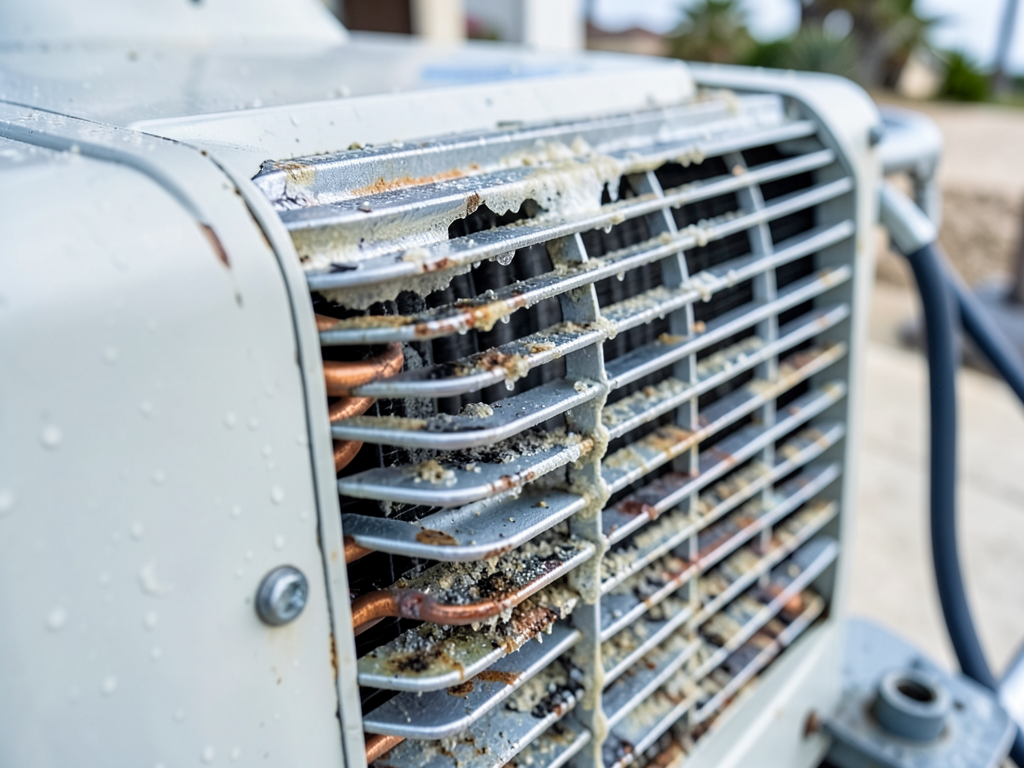
Coastal corrosion often causes condenser coil failure refrigerant leaks and electrical connection degradation. A professional can distinguish between normal wear and premature failure due to improper installation or unsuitable equipment for coastal conditions. This documentation proves invaluable if you need to escalate to small claims court or housing commission intervention.
San Diego Renters’ Rights Organizations and Resources
Several local organizations provide free assistance to tenants dealing with AC and habitability issues. The San Diego County Department of Housing and Community Development offers counseling and can connect you with legal aid services. The Legal Aid Society of San Diego provides representation for low-income tenants in housing court. These organizations understand local ordinances and can help you navigate the repair process effectively.
The San Diego Tenants Union advocates for stronger cooling requirements and maintains a database of landlord complaint histories. They can advise on whether your situation warrants collective action or if individual negotiation is more appropriate. Their experience with similar cases helps you understand realistic outcomes and timelines.
Understanding Repair and Deduct Procedures in San Diego
The repair and deduct remedy allows you to hire contractors and deduct costs from rent but California law requires strict compliance. You must provide written notice to your landlord wait a reasonable time (usually 30 days shorter for emergencies) and ensure repair costs do not exceed one month’s rent or accumulate to more than two repairs in 12 months totaling more than one month’s rent. Keep all receipts and documentation.
San Diego courts have specific requirements for repair and deduct cases. You must prove you followed proper procedures the repair was necessary and costs were reasonable. Using licensed San Diego contractors strengthens your case as their work meets local building codes and standards. The court may require you to pay rent into escrow rather than withholding it entirely.
Impact of San Diego’s Climate on AC System Longevity
San Diego’s unique climate creates specific challenges for AC systems. Coastal areas experience high humidity levels that strain cooling equipment while inland valleys face extreme temperature swings that stress components. The marine layer brings salt-laden air that corrodes aluminum fins and copper tubing. These factors mean AC systems in San Diego often need replacement sooner than in other climates.
Landlords installing new systems must consider these factors. High-efficiency units with corrosion-resistant coatings cost more upfront but last longer in coastal environments. The SDG&E medical baseline program provides additional electricity allowances for tenants with medical conditions requiring cooling which can influence landlord decisions about system adequacy.
Frequently Asked Questions
Does my landlord have to fix my AC if it breaks during a heat wave
Yes if the AC was working when you moved in or is required by your lease. Heat waves often qualify as emergencies requiring faster response times than normal repairs.
Can I withhold rent if my landlord won’t fix the AC
Withholding rent is risky and can lead to eviction. Instead use the repair and deduct remedy or escrow payment options that provide legal protection while addressing the repair issue.
What if I have a medical condition that requires air conditioning
Document your condition with medical records and request reasonable accommodation under fair housing laws. This may require your landlord to provide or repair cooling systems even if not originally included in your lease.
How long can my landlord legally take to repair my AC
California law allows 30 days for non-emergency repairs but heat-related issues often qualify as emergencies requiring 24-48 hour response times during summer months.
Where can I get help if my landlord ignores my repair requests
Contact the San Diego Housing Commission Legal Aid Society of San Diego or the Fair Housing Council of San Diego for free assistance and guidance on your rights.
Call (619) 304-5777 Today for Your HVAC Inspection
Don’t let another hot day pass without working air conditioning. Our licensed San Diego HVAC technicians provide thorough inspections that document system failures and create the professional reports you need for landlord disputes. We understand coastal corrosion inland heat demands and local building codes. Call (619) 304-5777 now to schedule your inspection and get the documentation that protects your rights as a San Diego renter.
Take Action Before the Next Heat Wave Hits
Every day without working AC during San Diego’s heat season puts your health at risk and weakens your legal position. The documentation we provide meets all requirements for housing commission complaints small claims court and landlord negotiations. Our technicians arrive quickly assess your system thoroughly and provide written reports that hold up under legal scrutiny. Pick up the phone and call (619) 304-5777 before temperatures climb again. Your comfort and legal rights deserve immediate attention from local experts who understand San Diego’s unique HVAC challenges.
{
“@context”: “https://schema.org”,
“@type”: “BlogPosting”,
“headline”: “What San Diego Renters Need to Know About Their Rights to a Working AC System”,
“description”: “Learn your rights as a San Diego renter when your AC fails. Understand local laws, repair procedures, and how to get help from housing advocates.”,
“wordCount”: 1738,
“datePublished”: “2026-05-20T06:01:00.000Z”,
“dateModified”: “2026-05-20T06:01:00.000Z”,
“inLanguage”: “en-US”,
“mainEntityOfPage”: {
“@type”: “WebPage”,
“@id”: “https://elitehvacsandiego.com”
},
“publisher”: {
“@type”: “LocalBusiness”,
“name”: “Elite HVAC San Diego”,
“url”: “https://elitehvacsandiego.com”
},
“author”: {
“@type”: “Organization”,
“name”: “Elite HVAC San Diego”,
“url”: “https://elitehvacsandiego.com”
},
“image”: {
“@type”: “ImageObject”,
“url”: “https://elitehvacsandiego.com/wp-content/uploads/2026/03/what-san-diego-renters-need-to-know-about-their-ri-1.png”
}
}
{
“@context”: “https://schema.org”,
“@type”: “HVACBusiness”,
“name”: “Elite HVAC San Diego”,
“url”: “https://elitehvacsandiego.com”,
“address”: {
“@type”: “PostalAddress”,
“addressLocality”: “San Diego”
},
“areaServed”: {
“@type”: “City”,
“name”: “San Diego”
}
}
{
“@context”: “https://schema.org”,
“@type”: “BreadcrumbList”,
“itemListElement”: [
{
“@type”: “ListItem”,
“position”: 1,
“name”: “Home”,
“item”: “https://elitehvacsandiego.com”
},
{
“@type”: “ListItem”,
“position”: 2,
“name”: “Blog”,
“item”: “https://elitehvacsandiego.com/blog”
},
{
“@type”: “ListItem”,
“position”: 3,
“name”: “What San Diego Renters Need to Know About Their Rights to a Working AC System”
}
]
}
{
“@context”: “https://schema.org”,
“@type”: “Service”,
“serviceType”: “HVAC”,
“provider”: {
“@type”: “LocalBusiness”,
“name”: “Elite HVAC San Diego”,
“url”: “https://elitehvacsandiego.com”
},
“areaServed”: {
“@type”: “City”,
“name”: “San Diego”
},
“description”: “Learn your rights as a San Diego renter when your AC fails. Understand local laws, repair procedures, and how to get help from housing advocates.”
}