
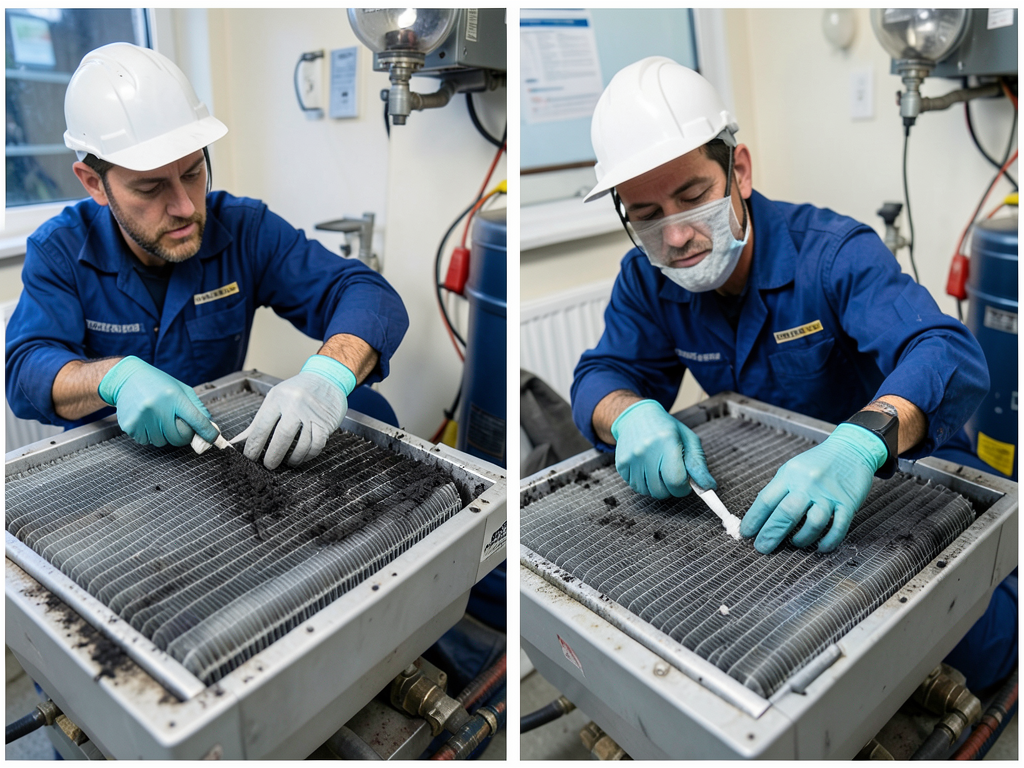
Bonita homeowners love their backyard fire pits. But that cozy evening glow could be costing you money and damaging your air conditioning system. Smoke from wood-burning or gas fire pits doesn’t just drift away. It settles on your AC unit’s condenser coils and can infiltrate your home through ductwork, coating filters and reducing efficiency.
When smoke particles enter your system, they create a sticky residue that traps more dust and debris. This forces your AC to work harder, increases energy bills, and can lead to premature system failure. The coastal humidity in Bonita makes the problem worse. Moisture in the air causes soot to adhere more stubbornly to surfaces, creating a stubborn buildup that standard cleaning can’t remove. Humidity Issues Indoors.
How Fire Pit Smoke Damages Your AC System
Many Bonita residents don’t realize their outdoor fire pit is affecting their HVAC system. The condenser unit outside your home draws air across its coils to release heat. When smoke drifts from your fire pit, it coats these coils with a fine layer of soot and ash. This coating acts like insulation, preventing the coils from releasing heat efficiently.
The result? Your system runs longer cycles, struggles to cool your home, and consumes more electricity. In Bonita’s warm climate, where AC units already work hard during summer months, this added strain can significantly shorten equipment lifespan.
Indoor air quality suffers too. Smoke particles that enter through open windows or leaky ducts get trapped in your air filter. Standard MERV 8 filters can’t capture the fine particulate matter from wood smoke. These particles circulate through your home, settling on furniture and potentially triggering respiratory issues.
Coastal homes in areas like Bonita face unique challenges. The combination of salt air and smoke creates a corrosive mixture that accelerates metal corrosion on outdoor units. The Santa Ana winds that occasionally sweep through San Diego County can carry smoke particles much farther than you’d expect, potentially affecting units even 20-30 feet from the fire source. San Diego County Fire Pit Safety Guidelines.
Recommended Fire Pit Placement and Safety Distances
The California Fire Code and San Diego County regulations require specific clearances for outdoor fire features. For residential properties in Bonita, maintain at least 10-15 feet between your fire pit and any HVAC equipment. This distance helps prevent direct smoke exposure to your condenser unit and reduces the chance of heat damage to nearby structures.
Consider prevailing wind patterns when positioning your fire pit. Bonita’s geography creates predictable wind flows, especially during afternoon hours. Place your fire pit downwind from your home’s main living areas and HVAC equipment when possible. This simple adjustment can dramatically reduce smoke infiltration.
Gas fire pits produce less particulate matter than wood-burning units, but they still generate heat and emissions that can affect nearby equipment. If you’re installing a new fire feature, consult with an HVAC professional about optimal placement relative to your existing system.
Local building codes in unincorporated San Diego County, including Bonita, require fire pits to be placed on non-combustible surfaces with proper clearances from structures. The San Diego County Fire Authority recommends maintaining 25 feet from any combustible structure, which includes your home’s exterior walls and any attached wooden decks or pergolas.
Maintenance Checklist After Heavy Smoke Exposure
After heavy fire pit use or during wildfire season, your AC system needs extra attention. Start with the air filter. Check it monthly during fire pit season. If it appears gray or has a visible coating, replace it immediately. Standard filters should be changed every 30-60 days, but smoke exposure may require more frequent replacement.
The outdoor condenser coils need professional cleaning if you notice reduced cooling performance or hear the system running longer than normal. A technician will use specialized coil cleaning solutions that break down soot without damaging the delicate aluminum fins. Attempting DIY cleaning with high-pressure water can bend these fins, reducing efficiency.
Inspect your ductwork for leaks. Smoke particles entering through gaps in duct connections can circulate throughout your home. A professional duct inspection uses smoke pencils or infrared cameras to identify leaks. Sealing these gaps improves efficiency and prevents smoke infiltration.
Consider upgrading to MERV 13 filters during fire pit season. These high-efficiency filters capture particles as small as 0.3 microns, including most smoke particulates. However, they restrict airflow more than standard filters, so consult with an HVAC technician to ensure your system can handle the increased resistance.
Check your system’s air handler for soot accumulation. The evaporator coils inside your air handler can develop a sticky coating that reduces heat exchange efficiency. This requires professional cleaning with specialized equipment. A technician will also check for any mold growth that can occur when smoke particles combine with the moisture from your system’s cooling process.
Indoor Air Quality Solutions for Smoke Protection
Standard AC filters aren’t designed to handle smoke particulates effectively. Activated carbon filters or HEPA filtration systems provide superior smoke removal. These systems use multiple stages of filtration, including activated carbon that absorbs odors and volatile organic compounds from smoke. EPA Guide to Air Cleaners and Filters.
UV light systems installed in your ductwork kill airborne bacteria and mold spores that can thrive in smoke-contaminated environments. When combined with high-efficiency filtration, these systems create a comprehensive defense against indoor air quality issues. Zone Control Systems.
Consider installing a whole-house air purification system. These units integrate with your existing HVAC system and provide continuous air cleaning. They’re particularly valuable in Bonita, where seasonal Santa Ana winds can carry smoke from distant fires into your neighborhood.
Smart IAQ monitors track particulate levels in real-time. When smoke levels rise, these devices can automatically adjust your HVAC system to maximize filtration. Some advanced systems can even signal your smart home to close windows and activate air purification when outdoor air quality deteriorates.
For severe smoke conditions, use your system’s recirculate mode instead of fresh air intake. This prevents outdoor smoke from entering through the ventilation system. However, this mode should only be used temporarily, as it can lead to indoor air quality issues if used for extended periods.
Professional Cleaning and Inspection Services
Professional HVAC cleaning after heavy smoke exposure involves several specialized steps. Technicians use commercial-grade coil cleaners that break down soot without damaging equipment. They’ll also check refrigerant levels, as smoke-related efficiency losses can mask developing refrigerant leaks.
Duct cleaning services use negative air pressure and HEPA filtration to remove accumulated soot from your ductwork. This process can recover 20-30% of your system’s lost efficiency by removing the insulation effect of soot buildup on internal surfaces.
IAQ testing identifies specific contaminants in your home’s air. Professional testing can detect levels of particulate matter, volatile organic compounds, and other pollutants that affect your family’s health. Based on these results, technicians recommend targeted solutions.
Regular professional maintenance becomes more critical in smoke-prone areas. Annual tune-ups should include coil cleaning, filter inspection, and system performance testing. During fire season, consider bi-annual service to maintain optimal efficiency.
Many Bonita homeowners don’t realize that smoke damage can void equipment warranties. Manufacturers often require proof of proper maintenance. Professional service records showing regular cleaning and filter replacement protect your warranty coverage.
Cost Considerations and Energy Savings
The cost of professional cleaning varies based on system size and contamination level. Basic coil cleaning typically ranges from $150-300, while comprehensive duct cleaning costs $400-800 for an average home. These services often pay for themselves through improved efficiency and lower energy bills.
Energy savings from clean coils can be substantial. A system with heavily soiled coils may use 20-30% more electricity than a clean system. In San Diego’s high electricity rate environment, this translates to significant monthly savings.
Upgrading to high-efficiency filtration systems requires an initial investment of $500-2,000, depending on the technology chosen. However, these systems can extend equipment life by 2-3 years, potentially saving thousands in replacement costs.
Consider the health costs of poor indoor air quality. Smoke exposure can trigger asthma attacks, worsen allergies, and cause respiratory infections. The cost of additional doctor visits and medications often exceeds the investment in proper filtration and maintenance.
Insurance may cover some smoke-related HVAC damage if caused by wildfires rather than normal use. Review your policy and document any damage with photos and professional assessments to support claims.
Frequently Asked Questions
How far should my fire pit be from my AC unit?
Maintain at least 10-15 feet between your fire pit and HVAC equipment. This distance helps prevent smoke damage to condenser coils and reduces the risk of heat-related issues. For wood-burning fire pits, consider increasing this distance to 20 feet.
Can I clean my AC coils myself after smoke exposure?
DIY coil cleaning risks damaging the delicate aluminum fins. Professional cleaning uses specialized solutions and techniques that remove soot without causing damage. Attempting to clean coils yourself can void equipment warranties and reduce system efficiency.
What type of filter works best for smoke filtration?
MERV 13 filters or higher provide the best smoke filtration. These filters capture particles as small as 0.3 microns, including most smoke particulates. However, they restrict airflow more than standard filters, so ensure your system can handle the increased resistance.
How often should I replace filters during fire pit season?
Check filters monthly during heavy fire pit use. Replace them when they appear gray or have visible coating, which may be every 2-4 weeks instead of the standard 1-3 months. Smoke exposure significantly reduces filter lifespan.
Will my AC warranty cover smoke damage?
Most manufacturers require proof of proper maintenance for warranty coverage. Document all professional cleanings and filter replacements. Some warranties specifically exclude damage from environmental factors like smoke, so review your coverage details carefully.
How can I tell if smoke is affecting my AC efficiency?
Signs include longer cooling cycles, reduced airflow, higher energy bills, and the system running constantly without reaching set temperatures. If you notice these symptoms during or after heavy fire pit use, schedule a professional inspection.
Should I turn off my AC when using the fire pit?
If you’re using your fire pit for an extended period, temporarily turning off your AC can prevent smoke infiltration. However, this isn’t necessary for brief use. Instead, close windows near the fire pit and use your system’s recirculate mode.
What’s the difference between condenser coil cleaning and duct cleaning?
Condenser coil cleaning addresses the outdoor unit that releases heat from your home. Duct cleaning removes accumulated dust, debris, and smoke particles from the air distribution system inside your home. Both services improve efficiency but address different components.
Can smoke damage my AC’s electrical components?
Yes. Smoke particles can settle on electrical connections and circuit boards, potentially causing corrosion or short circuits. The heat from fire pits can also affect nearby electrical components. Professional inspection includes checking all electrical connections for smoke-related damage.
How long does professional cleaning take?
Basic coil cleaning typically takes 1-2 hours. Comprehensive service including duct cleaning may require 4-6 hours. The duration depends on system size, contamination level, and the specific services performed.
Is it safe to use my AC during wildfire season?
Yes, but take precautions. Use high-efficiency filters, activate your system’s recirculate mode, and consider additional air purification. Monitor outdoor air quality and close windows when smoke levels are high. Professional duct cleaning after wildfire season helps remove accumulated particulates.
What maintenance schedule do you recommend for Bonita homes?
For Bonita’s climate and fire pit usage patterns, schedule professional maintenance twice yearly: spring before cooling season and fall after fire pit season. This schedule addresses both cooling efficiency and smoke-related contamination.
Protect Your Investment and Your Health
Your air conditioning system represents a significant investment in your home’s comfort and your family’s health. Fire pit smoke doesn’t have to damage this investment. With proper placement, regular maintenance, and professional cleaning when needed, you can enjoy both your backyard fire feature and efficient cooling.
Bonita’s unique coastal climate creates specific challenges for HVAC systems. The combination of salt air, occasional Santa Ana winds, and fire pit smoke requires a proactive maintenance approach. Don’t wait until you notice reduced cooling performance or higher energy bills.
Professional HVAC technicians understand the local conditions that affect system performance. They can recommend specific solutions for your home’s unique situation, whether you live near the golf course, in a canyon area, or in one of Bonita’s established neighborhoods.
The peace of mind that comes from knowing your system is protected is worth the investment in proper maintenance. Your family deserves clean, healthy indoor air, and your AC system needs protection from the environmental factors common in our area.
Don’t let backyard enjoyment compromise your home’s comfort. Call (619) 304-5777 today to schedule your professional AC inspection and cleaning. Our experienced technicians will evaluate your system’s condition, recommend appropriate maintenance, and help you develop a protection plan that works for your specific situation.
Pick up the phone and call (619) 304-5777 before the next Santa Ana wind event or heavy fire pit season. Your AC system will thank you with years of reliable, efficient operation, and your family will breathe easier knowing their indoor air quality is protected.
Elite HVAC San Diego serves Bonita and all of San Diego County with rapid response service and expert technical knowledge. We understand the local conditions that affect your comfort and we’re here to help you maintain optimal indoor air quality year-round.
You may also find this helpful. Comparing MERV Ratings to Find the Right Air Filter for Your Del Mar Home.
{
“@context”: “https://schema.org”,
“@type”: “BlogPosting”,
“headline”: “Is Your Backyard Fire Pit Clogging Your AC Filters in Bonita?”,
“description”: “Is smoke from your backyard fire pit damaging your AC in Bonita? Learn how soot clogs filters, reduces efficiency, and what to do. Call (619) 304-5777 for expert help.”,
“wordCount”: 2226,
“datePublished”: “2026-06-05T07:45:00.000Z”,
“dateModified”: “2026-06-05T07:45:00.000Z”,
“inLanguage”: “en-US”,
“mainEntityOfPage”: {
“@type”: “WebPage”,
“@id”: “https://elitehvacsandiego.com”
},
“publisher”: {
“@type”: “LocalBusiness”,
“name”: “Elite HVAC San Diego”,
“url”: “https://elitehvacsandiego.com”
},
“author”: {
“@type”: “Organization”,
“name”: “Elite HVAC San Diego”,
“url”: “https://elitehvacsandiego.com”
},
“image”: {
“@type”: “ImageObject”,
“url”: “https://elitehvacsandiego.com/wp-content/uploads/2026/03/is-your-backyard-fire-pit-clogging-your-ac-filters-1.png”
}
}
{
“@context”: “https://schema.org”,
“@type”: “HVACBusiness”,
“name”: “Elite HVAC San Diego”,
“url”: “https://elitehvacsandiego.com”,
“address”: {
“@type”: “PostalAddress”,
“addressLocality”: “San Diego”
},
“areaServed”: {
“@type”: “City”,
“name”: “San Diego”
}
}
{
“@context”: “https://schema.org”,
“@type”: “FAQPage”,
“mainEntity”: [
{
“@type”: “Question”,
“name”: “How far should my fire pit be from my AC unit?”,
“acceptedAnswer”: {
“@type”: “Answer”,
“text”: “Maintain at least 10-15 feet between your fire pit and HVAC equipment. This distance helps prevent smoke damage to condenser coils and reduces the risk of heat-related issues. For wood-burning fire pits, consider increasing this distance to 20 feet.”
}
},
{
“@type”: “Question”,
“name”: “Can I clean my AC coils myself after smoke exposure?”,
“acceptedAnswer”: {
“@type”: “Answer”,
“text”: “DIY coil cleaning risks damaging the delicate aluminum fins. Professional cleaning uses specialized solutions and techniques that remove soot without causing damage. Attempting to clean coils yourself can void equipment warranties and reduce system efficiency.”
}
},
{
“@type”: “Question”,
“name”: “What type of filter works best for smoke filtration?”,
“acceptedAnswer”: {
“@type”: “Answer”,
“text”: “MERV 13 filters or higher provide the best smoke filtration. These filters capture particles as small as 0.3 microns, including most smoke particulates. However, they restrict airflow more than standard filters, so ensure your system can handle the increased resistance.”
}
},
{
“@type”: “Question”,
“name”: “How often should I replace filters during fire pit season?”,
“acceptedAnswer”: {
“@type”: “Answer”,
“text”: “Check filters monthly during heavy fire pit use. Replace them when they appear gray or have visible coating, which may be every 2-4 weeks instead of the standard 1-3 months. Smoke exposure significantly reduces filter lifespan.”
}
},
{
“@type”: “Question”,
“name”: “Will my AC warranty cover smoke damage?”,
“acceptedAnswer”: {
“@type”: “Answer”,
“text”: “Most manufacturers require proof of proper maintenance for warranty coverage. Document all professional cleanings and filter replacements. Some warranties specifically exclude damage from environmental factors like smoke, so review your coverage details carefully.”
}
},
{
“@type”: “Question”,
“name”: “How can I tell if smoke is affecting my AC efficiency?”,
“acceptedAnswer”: {
“@type”: “Answer”,
“text”: “Signs include longer cooling cycles, reduced airflow, higher energy bills, and the system running constantly without reaching set temperatures. If you notice these symptoms during or after heavy fire pit use, schedule a professional inspection.”
}
},
{
“@type”: “Question”,
“name”: “Should I turn off my AC when using the fire pit?”,
“acceptedAnswer”: {
“@type”: “Answer”,
“text”: “If you’re using your fire pit for an extended period, temporarily turning off your AC can prevent smoke infiltration. However, this isn’t necessary for brief use. Instead, close windows near the fire pit and use your system’s recirculate mode.”
}
},
{
“@type”: “Question”,
“name”: “What’s the difference between condenser coil cleaning and duct cleaning?”,
“acceptedAnswer”: {
“@type”: “Answer”,
“text”: “Condenser coil cleaning addresses the outdoor unit that releases heat from your home. Duct cleaning removes accumulated dust, debris, and smoke particles from the air distribution system inside your home. Both services improve efficiency but address different components.”
}
},
{
“@type”: “Question”,
“name”: “Can smoke damage my AC’s electrical components?”,
“acceptedAnswer”: {
“@type”: “Answer”,
“text”: “Yes. Smoke particles can settle on electrical connections and circuit boards, potentially causing corrosion or short circuits. The heat from fire pits can also affect nearby electrical components. Professional inspection includes checking all electrical connections for smoke-related damage.”
}
},
{
“@type”: “Question”,
“name”: “How long does professional cleaning take?”,
“acceptedAnswer”: {
“@type”: “Answer”,
“text”: “Basic coil cleaning typically takes 1-2 hours. Comprehensive service including duct cleaning may require 4-6 hours. The duration depends on system size, contamination level, and the specific services performed.”
}
},
{
“@type”: “Question”,
“name”: “Is it safe to use my AC during wildfire season?”,
“acceptedAnswer”: {
“@type”: “Answer”,
“text”: “Yes, but take precautions. Use high-efficiency filters, activate your system’s recirculate mode, and consider additional air purification. Monitor outdoor air quality and close windows when smoke levels are high. Professional duct cleaning after wildfire season helps remove accumulated particulates.”
}
},
{
“@type”: “Question”,
“name”: “What maintenance schedule do you recommend for Bonita homes?”,
“acceptedAnswer”: {
“@type”: “Answer”,
“text”: “For Bonita’s climate and fire pit usage patterns, schedule professional maintenance twice yearly: spring before cooling season and fall after fire pit season. This schedule addresses both cooling efficiency and smoke-related contamination.”
}
}
]
}
{
“@context”: “https://schema.org”,
“@type”: “BreadcrumbList”,
“itemListElement”: [
{
“@type”: “ListItem”,
“position”: 1,
“name”: “Home”,
“item”: “https://elitehvacsandiego.com”
},
{
“@type”: “ListItem”,
“position”: 2,
“name”: “Blog”,
“item”: “https://elitehvacsandiego.com/blog”
},
{
“@type”: “ListItem”,
“position”: 3,
“name”: “Is Your Backyard Fire Pit Clogging Your AC Filters in Bonita?”
}
]
}
{
“@context”: “https://schema.org”,
“@type”: “Service”,
“serviceType”: “HVAC”,
“provider”: {
“@type”: “LocalBusiness”,
“name”: “Elite HVAC San Diego”,
“url”: “https://elitehvacsandiego.com”
},
“areaServed”: {
“@type”: “City”,
“name”: “San Diego”
},
“description”: “Is smoke from your backyard fire pit damaging your AC in Bonita? Learn how soot clogs filters, reduces efficiency, and what to do. Call (619) 304-5777 for expert help.”
}