
The Best Ways to Cool a Multi Generational Home in Valley Center
Living in a multi generational home in Valley Center means dealing with different comfort needs across multiple rooms and floors. The high desert heat of East County combined with older construction can make cooling uneven and expensive. This guide breaks down the most effective zonal cooling solutions that work specifically for large Valley Center properties while keeping your SDG&E bills under control. Zone Control Systems.
Why Traditional HVAC Struggles in Valley Center’s Multi Generational Homes
Valley Center’s inland location means summer temperatures regularly exceed 95°F, putting tremendous strain on single-zone systems. Large homes with multiple bedrooms, living areas, and home offices create competing cooling demands that a standard furnace and AC cannot handle efficiently. You end up with hot upstairs bedrooms while the downstairs living room becomes uncomfortably cold.
The problem gets worse in Valley Center’s older ranch-style homes where ductwork runs through unconditioned attics. These ducts lose 20-30% of cooling capacity before air reaches the second floor. Add in the fact that different generations prefer different temperatures and you have a recipe for constant thermostat battles and sky-high energy bills. ENERGY STAR certified ductless mini-splits.
Top 3 Zonal Cooling Solutions for Valley Center Multi Generational Homes
Modern zonal cooling systems solve these problems by allowing independent temperature control in different areas of your home. Here are the three most effective approaches for Valley Center properties.
Ductless Mini-Split Multi Zone Systems
Ductless mini-splits use individual air handlers in each zone connected to a single outdoor compressor. This approach works exceptionally well in Valley Center’s older homes where adding ductwork would be expensive or impossible. Ductless Mini-Split Installation for Coastal La Jolla Homes.
Each indoor unit mounts on the wall or ceiling and operates independently. You can keep the master bedroom at 72°F while the home office stays at 76°F and the living room at 74°F. The inverter technology in modern mini-splits adjusts compressor speed based on demand, using 30-40% less electricity than traditional systems.. Read more about Understanding How Inverter Technology Keeps Scripps Ranch Homes at a Constant Temperature.
For a typical 2,500+ square foot Valley Center home, a 3-4 zone mini-split system costs between $8,000-$15,000 installed. The higher upfront cost pays off through energy savings and the ability to cool only occupied zones.
Variable Refrigerant Flow (VRF) Systems
VRF systems represent the gold standard for large multi generational homes. These commercial-grade systems use advanced refrigerant flow control to deliver precise cooling to multiple zones simultaneously.
A single VRF outdoor unit can support up to 64 indoor units, making it perfect for Valley Center estates with separate guest houses or home offices. The system uses sophisticated sensors to detect which zones need cooling and directs refrigerant accordingly, achieving efficiency ratings of up to 22 SEER2.
The main advantage is simultaneous heating and cooling. If grandma prefers her bedroom warm while the grandkids want their game room cool, a VRF system handles both without compromise. Installation costs range from $15,000-$30,000 but the energy savings and comfort control justify the investment for larger properties.
Smart Dampers with Variable Speed HVAC
If your Valley Center home already has ductwork, adding smart dampers and a variable speed furnace creates an affordable zoning solution. Smart dampers open and close automatically to direct airflow where needed while the variable speed blower adjusts output based on demand.. Read more about Do Smart Vents Actually Help Fix Cold Spots in Large Rancho Bernardo Houses?.
This system integrates with smart thermostats like the Ecobee Smart Thermostat Premium or Honeywell Home T9. You can create schedules for different zones and the system learns your family’s patterns over time. The variable speed technology runs at lower speeds most of the time, reducing energy consumption by 25-30% compared to single-stage systems.. Read more about Why Thermostat Placement Matters More Than You Think in Your Carmel Valley Two Story Home.
Retrofitting an existing system with smart zoning typically costs $4,000-$7,000. The payback period is shorter since you’re building on existing infrastructure rather than installing entirely new equipment. How to Retrofit Central Air into Older North Park Homes.
Cost vs. Savings: Is Zonal Cooling Worth the Investment in Valley Center?
Valley Center homeowners face some of the highest electricity rates in San Diego County due to SDG&E’s tiered pricing structure. During summer months, rates can exceed $0.45 per kWh during peak hours. This makes energy efficiency crucial for controlling cooling costs.
Here’s how zonal cooling impacts your bottom line in Valley Center:
| System Type | Average Installation Cost | Annual Energy Savings | Estimated ROI Period |
|---|---|---|---|
| Ductless Mini-Split (3-4 zones) | $10,000-$15,000 | $600-$900 | 11-17 years |
| VRF System (5+ zones) | $20,000-$30,000 | $800-$1,200 | 16-25 years |
| Smart Dampers Retrofit | $5,000-$7,000 | $400-$600 | 8-12 years |
These calculations assume SDG&E’s current Tier 4 rates and typical Valley Center cooling loads. The actual ROI improves significantly when you factor in federal tax credits under Section 25C of the Inflation Reduction Act, which covers 30% of installation costs for qualifying high-efficiency systems. Inflation Reduction Act tax credits.
Beyond direct energy savings, zonal cooling increases your home’s value in Valley Center’s competitive real estate market. Buyers specifically look for homes with modern HVAC systems that offer individual room control and smart home integration.
Choosing the Right Zone Setup for Valley Center’s East County Climate
Valley Center’s inland location creates unique cooling challenges that differ from coastal San Diego. The area experiences wider temperature swings, with summer highs often 15-20°F hotter than downtown San Diego. This affects which zonal cooling solution works best.
For Valley Center’s climate, prioritize systems with high SEER2 ratings and inverter technology. The seasonal temperature variation means your system needs to handle both intense summer cooling and occasional winter heating efficiently. Heat pumps work well here since winter temperatures rarely drop below freezing.
Consider these zoning configurations based on your home’s layout:
- Two-story homes: Separate zones for upstairs and downstairs, plus individual zones for high-usage rooms like master bedrooms or home offices
- Ranch-style homes: Zone by wing or by function (living areas vs. sleeping areas)
- Homes with guest houses: Independent system for the guest house to avoid cooling unoccupied space
Valley Center’s occasional Santa Ana wind events also influence system selection. Choose equipment rated for high wind exposure and consider surge protection since power fluctuations during these events can damage sensitive electronics in smart HVAC systems.
Case Study: 4-Zone Installation in a Valley Center Ranch Home
The Johnson family’s 3,200 square foot Valley Center ranch home built in 1995 had a single-zone system that couldn’t keep up with their multi generational living arrangement. Three generations lived under one roof, with grandparents preferring warmer temperatures and teenagers wanting maximum cooling in their rooms.
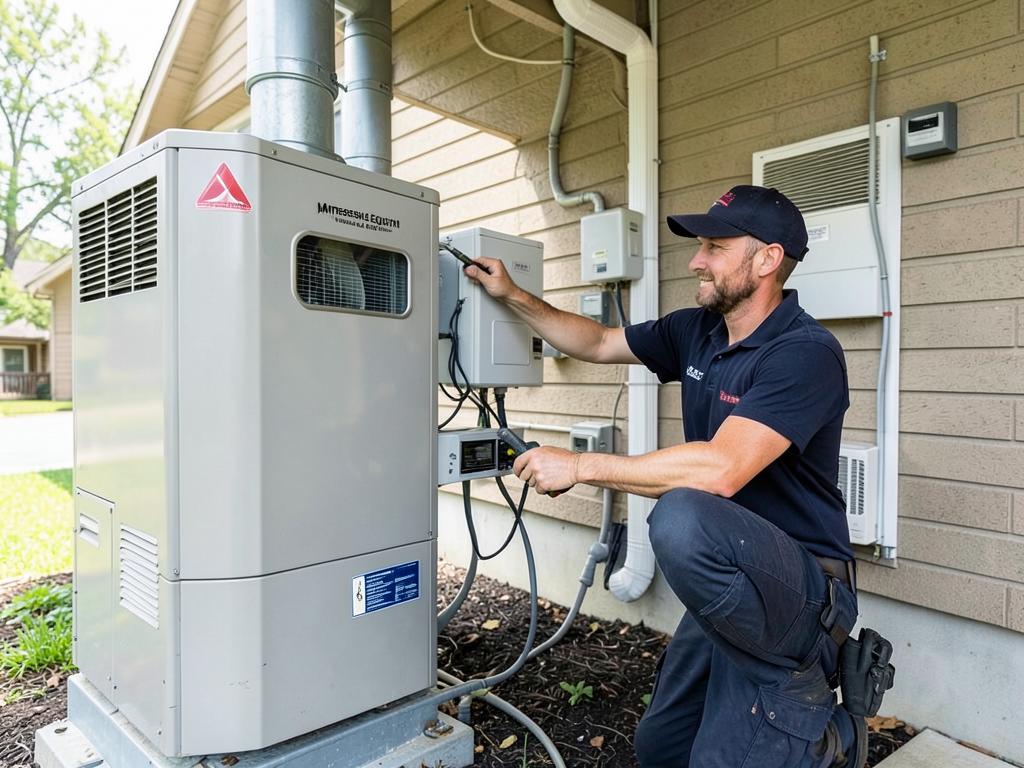
We installed a Mitsubishi Electric multi-zone mini-split system with four indoor units: one for the main living area, one for the master bedroom, one for the guest room, and one for the home office. The outdoor unit connects to all four via refrigerant lines running through the attic.
After installation, the Johnsons saw immediate benefits. Their summer electricity bills dropped by 28% despite cooling more space. The grandparents could keep their bedroom at 75°F while the teenagers set their rooms to 70°F. The system’s quiet operation was especially appreciated since the home office needed a distraction-free environment. The Best Quiet Air Conditioners for Hillcrest Apartments and Condos.
The total project cost $14,500, but with the 30% federal tax credit and estimated energy savings, the system will pay for itself in approximately 12 years. More importantly, the family gained the ability to accommodate different comfort preferences without conflict.
Installation Considerations for Valley Center Properties
Valley Center’s specific conditions affect how zonal cooling systems are installed. The area’s clay soil can shift during seasonal changes, so outdoor units need proper concrete pads with seismic anchors per California building code. The high desert environment also means more dust and debris, requiring systems with enhanced filtration.
Most Valley Center homes have attic space suitable for running refrigerant lines, but older properties may need creative routing solutions. We often use the space above garage ceilings or run lines along exterior walls with protective conduit.
Local building permits are required for any HVAC installation in Valley Center. The San Diego County Department of Planning and Development enforces Title 24 energy efficiency standards, which mandate minimum SEER2 ratings and proper insulation levels for new installations.
Professional installation is crucial for zonal systems. Incorrect refrigerant charging or line sizing can reduce efficiency by 15-20% and void manufacturer warranties. Always verify your contractor has North American Technician Excellence (NATE) certification and experience with multi-zone installations specifically.
Smart Home Integration for Maximum Control
Modern zonal cooling systems integrate seamlessly with smart home platforms. You can control individual zones from your smartphone, set occupancy-based schedules, and even integrate with voice assistants like Amazon Alexa or Google Assistant.
The most useful integrations for Valley Center homes include:
- Zone Scheduling
Program different temperature settings for various times of day. Lower cooling in unoccupied zones during work hours, then pre-cool bedrooms before bedtime.
- Weather-Based Automation
Connect your system to local weather data. When Valley Center’s forecast shows a heat spike, the system can pre-cool your home during off-peak hours to reduce peak demand charges.
- Occupancy Sensors
Integrate motion sensors to automatically adjust temperatures in rarely used rooms. If the guest room hasn’t been occupied for 24 hours, the system reduces cooling to save energy.
- Voice Control
Use voice commands to adjust specific zones. Say “Alexa, set the home office to 72 degrees” without touching a thermostat.
These smart features can reduce energy consumption by an additional 10-15% beyond the inherent efficiency of zonal systems. They also provide valuable data about your home’s energy usage patterns, helping you identify opportunities for further savings.
Maintenance Requirements for Long-Term Performance
Zonal cooling systems require specific maintenance to maintain their efficiency advantages. The individual air handlers have more components than traditional systems, making professional service even more important.
Key maintenance tasks include:
- Quarterly filter cleaning – Mini-split filters trap more dust than central system filters and need cleaning every 3 months
- Annual refrigerant level check – Small leaks in multi-zone systems can significantly impact performance
- Drain line inspection – Valley Center’s occasional humidity can cause algae growth in condensate drains
- Coil cleaning – Dust accumulation on indoor and outdoor coils reduces heat transfer efficiency
Professional maintenance should be performed annually by a NATE-certified technician. This service typically costs $150-$250 and includes checking all electrical connections, verifying proper refrigerant charge, and testing system performance across all zones.
DIY maintenance between professional visits includes keeping outdoor units clear of debris, checking for unusual noises or odors, and ensuring indoor units have adequate clearance for airflow. These simple steps can extend your system’s life by 3-5 years.
Valley Center Rebates and Incentives
SDG&E offers several rebates for high-efficiency HVAC equipment that make zonal cooling more affordable for Valley Center residents. Current programs include:
| Rebate Type | Eligibility | Maximum Rebate |
|---|---|---|
| High-Efficiency Heat Pump | SEER2 ≥ 18, HSPF2 ≥ 9.5 | $1,000 |
| Ductless Mini-Split | ENERGY STAR certified | $350 per ton |
| Smart Thermostat | Wi-Fi enabled, auto-scheduling | $50 |
The federal government also offers a 30% tax credit through 2032 for qualifying high-efficiency HVAC equipment under the Inflation Reduction Act. This credit applies to both equipment and installation costs, with no upper limit.
To qualify for these incentives, your system must be installed by a certified contractor who registers the equipment with the manufacturer and provides all necessary documentation. The application process typically takes 4-6 weeks for processing.
Making the Right Choice for Your Valley Center Home
Choosing the best zonal cooling solution depends on your home’s specific characteristics, your budget, and your family’s comfort needs. Consider these factors when making your decision:. Read more about Choosing the Right HVAC Setup for a New Detached ADU in Chula Vista.
- Home age and construction: Older homes without ductwork are better candidates for ductless systems
- Square footage: Homes over 3,000 square feet benefit most from VRF systems
- Budget constraints: Smart damper retrofits offer the best value if you have existing ductwork
- Climate considerations: Valley Center’s inland heat makes high SEER2 ratings essential
The best approach is to have a professional HVAC contractor perform a load calculation and assess your home’s specific needs. This analysis considers factors like insulation levels, window orientation, and occupancy patterns to recommend the optimal system size and configuration.. Read more about Why a Manual J Load Calculation Is the Only Way to Size a New La Jolla AC System Correctly.
Remember that the cheapest option isn’t always the most cost-effective long-term. A properly sized, high-efficiency system will provide better comfort, lower operating costs, and longer service life than an undersized or inefficient system.
Frequently Asked Questions
How long does it take to install a multi-zone cooling system?
Most installations take 2-4 days depending on system complexity. Ductless systems are faster since they don’t require ductwork. VRF systems take longer due to the sophisticated controls and refrigerant piping requirements.
Can I add zones to my existing HVAC system?
Yes, if you have ductwork and adequate furnace capacity. Smart damper systems can add zoning to most existing setups for $4,000-$7,000. However, extremely old systems may need replacement rather than modification.
Are mini-splits noisy?
Modern mini-splits operate at 19-30 decibels indoors, which is quieter than a whisper. The outdoor units are comparable to central AC units in noise level. Many Valley Center homeowners are surprised by how quiet these systems are.
What maintenance do zonal systems require?
Quarterly filter cleaning, annual professional maintenance, and keeping outdoor units clear of debris. Mini-splits need more frequent filter cleaning than central systems, but the overall maintenance burden is similar.
Will a zonal system increase my home’s value?
Yes. Modern HVAC systems with zoning and smart controls are increasingly important to buyers in Valley Center. The energy efficiency and comfort benefits make your home more attractive in the competitive East County market.
Ready to transform your Valley Center home’s comfort and efficiency? Call (619) 304-5777 today to schedule your free consultation. Our NATE-certified technicians will assess your home’s specific needs and recommend the perfect zonal cooling solution for your multi generational household.
Don’t wait until the next heat wave hits. Pick up the phone and call (619) 304-5777 now to take the first step toward year-round comfort and lower energy bills. We serve all of Valley Center and the surrounding East County areas with rapid response times and expert installation.
{
“@context”: “https://schema.org”,
“@type”: “BlogPosting”,
“headline”: “The Best Ways to Cool a Multi Generational Home in Valley Center”,
“description”: “Discover the best zonal cooling systems for large Valley Center homes. Learn how to beat the heat and save on SDG&E bills with expert HVAC solutions tailored for San Diego’s East County climate.”,
“wordCount”: 2316,
“datePublished”: “2026-06-04T11:26:00.000Z”,
“dateModified”: “2026-06-04T11:26:00.000Z”,
“inLanguage”: “en-US”,
“mainEntityOfPage”: {
“@type”: “WebPage”,
“@id”: “https://elitehvacsandiego.com”
},
“publisher”: {
“@type”: “LocalBusiness”,
“name”: “Elite HVAC San Diego”,
“url”: “https://elitehvacsandiego.com”
},
“author”: {
“@type”: “Organization”,
“name”: “Elite HVAC San Diego”,
“url”: “https://elitehvacsandiego.com”
},
“image”: {
“@type”: “ImageObject”,
“url”: “https://elitehvacsandiego.com/wp-content/uploads/2026/03/the-best-ways-to-cool-a-multi-generational-home-in-1.png”
}
}
{
“@context”: “https://schema.org”,
“@type”: “HVACBusiness”,
“name”: “Elite HVAC San Diego”,
“url”: “https://elitehvacsandiego.com”,
“address”: {
“@type”: “PostalAddress”,
“addressLocality”: “San Diego”
},
“areaServed”: {
“@type”: “City”,
“name”: “San Diego”
}
}
{
“@context”: “https://schema.org”,
“@type”: “FAQPage”,
“mainEntity”: [
{
“@type”: “Question”,
“name”: “Cost vs. Savings: Is Zonal Cooling Worth the Investment in Valley Center?”,
“acceptedAnswer”: {
“@type”: “Answer”,
“text”: “Valley Center homeowners face some of the highest electricity rates in San Diego County due to SDG&E’s tiered pricing structure. During summer months, rates can exceed $0.45 per kWh during peak hours. This makes energy efficiency crucial for controlling cooling costs.”
}
},
{
“@type”: “Question”,
“name”: “How long does it take to install a multi-zone cooling system?”,
“acceptedAnswer”: {
“@type”: “Answer”,
“text”: “Most installations take 2-4 days depending on system complexity. Ductless systems are faster since they don’t require ductwork. VRF systems take longer due to the sophisticated controls and refrigerant piping requirements.”
}
},
{
“@type”: “Question”,
“name”: “Can I add zones to my existing HVAC system?”,
“acceptedAnswer”: {
“@type”: “Answer”,
“text”: “Yes, if you have ductwork and adequate furnace capacity. Smart damper systems can add zoning to most existing setups for $4,000-$7,000. However, extremely old systems may need replacement rather than modification.”
}
},
{
“@type”: “Question”,
“name”: “Are mini-splits noisy?”,
“acceptedAnswer”: {
“@type”: “Answer”,
“text”: “Modern mini-splits operate at 19-30 decibels indoors, which is quieter than a whisper. The outdoor units are comparable to central AC units in noise level. Many Valley Center homeowners are surprised by how quiet these systems are.”
}
},
{
“@type”: “Question”,
“name”: “What maintenance do zonal systems require?”,
“acceptedAnswer”: {
“@type”: “Answer”,
“text”: “Quarterly filter cleaning, annual professional maintenance, and keeping outdoor units clear of debris. Mini-splits need more frequent filter cleaning than central systems, but the overall maintenance burden is similar.”
}
},
{
“@type”: “Question”,
“name”: “Will a zonal system increase my home’s value?”,
“acceptedAnswer”: {
“@type”: “Answer”,
“text”: “Yes. Modern HVAC systems with zoning and smart controls are increasingly important to buyers in Valley Center. The energy efficiency and comfort benefits make your home more attractive in the competitive East County market.”
}
}
]
}
{
“@context”: “https://schema.org”,
“@type”: “HowTo”,
“name”: “Smart Home Integration Setup”,
“step”: [
{
“@type”: “HowToStep”,
“position”: 1,
“name”: “Zone Scheduling”,
“text”: “Program different temperature settings for various times of day. Lower cooling in unoccupied zones during work hours, then pre-cool bedrooms before bedtime.”
},
{
“@type”: “HowToStep”,
“position”: 2,
“name”: “Weather-Based Automation”,
“text”: “Connect your system to local weather data. When Valley Center’s forecast shows a heat spike, the system can pre-cool your home during off-peak hours to reduce peak demand charges.”
},
{
“@type”: “HowToStep”,
“position”: 3,
“name”: “Occupancy Sensors”,
“text”: “Integrate motion sensors to automatically adjust temperatures in rarely used rooms. If the guest room hasn’t been occupied for 24 hours, the system reduces cooling to save energy.”
},
{
“@type”: “HowToStep”,
“position”: 4,
“name”: “Voice Control”,
“text”: “Use voice commands to adjust specific zones. Say \”Alexa, set the home office to 72 degrees\” without touching a thermostat.”
}
],
“image”: “https://elitehvacsandiego.com/wp-content/uploads/2026/03/the-best-ways-to-cool-a-multi-generational-home-in-1.png”
}
{
“@context”: “https://schema.org”,
“@type”: “BreadcrumbList”,
“itemListElement”: [
{
“@type”: “ListItem”,
“position”: 1,
“name”: “Home”,
“item”: “https://elitehvacsandiego.com”
},
{
“@type”: “ListItem”,
“position”: 2,
“name”: “Blog”,
“item”: “https://elitehvacsandiego.com/blog”
},
{
“@type”: “ListItem”,
“position”: 3,
“name”: “The Best Ways to Cool a Multi Generational Home in Valley Center”
}
]
}
{
“@context”: “https://schema.org”,
“@type”: “Service”,
“serviceType”: “HVAC”,
“provider”: {
“@type”: “LocalBusiness”,
“name”: “Elite HVAC San Diego”,
“url”: “https://elitehvacsandiego.com”
},
“areaServed”: {
“@type”: “City”,
“name”: “San Diego”
},
“description”: “Discover the best zonal cooling systems for large Valley Center homes. Learn how to beat the heat and save on SDG&E bills with expert HVAC solutions tailored for San Diego’s East County climate.”
}