
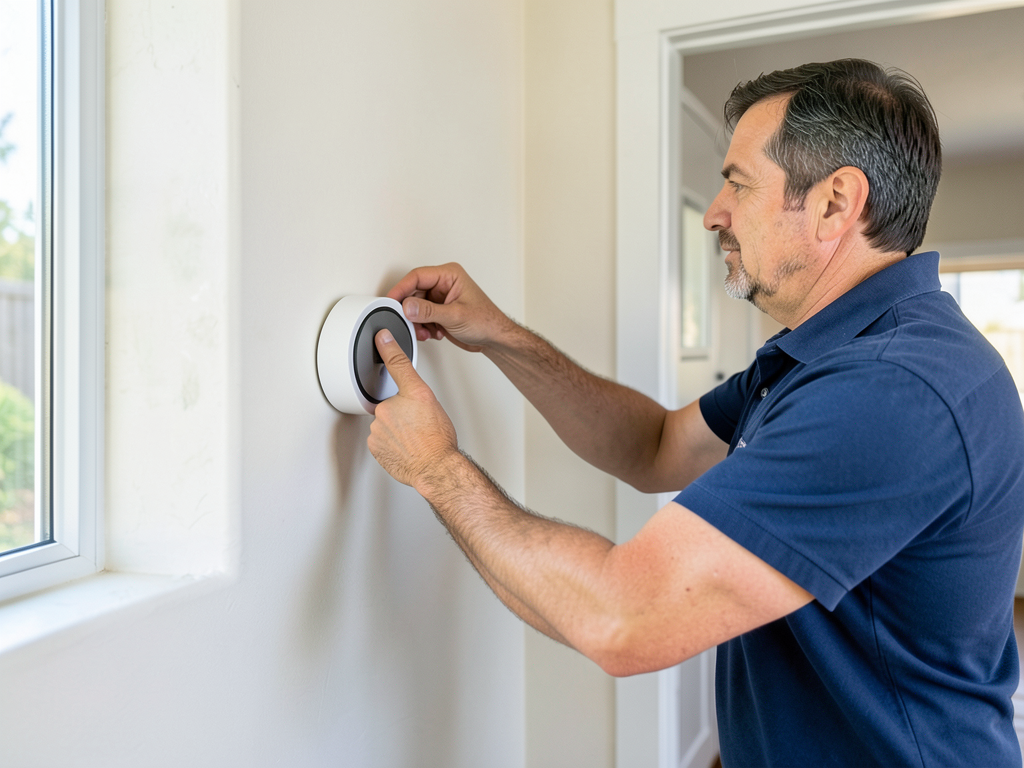
Why Putting Your Thermostat in the Hallway Is Making Your Miramar Ranch Home Uncomfortable
Your thermostat controls the entire HVAC system but where you place it matters more than most homeowners realize. In Miramar Ranch homes with open floor plans and vaulted ceilings the wrong location can create hot and cold spots that waste energy and leave you uncomfortable year-round. Zone Control Systems.
The problem starts with heat rising. Warm air naturally moves upward which means your upstairs bedrooms can be 8 to 12 degrees warmer than your downstairs living room even with the same thermostat setting. When that thermostat sits in a central hallway it only reads the temperature for one small area not the entire home.. Read more about Why Thermostat Placement Matters More Than You Think in Your Carmel Valley Two Story Home.
Miramar Ranch homes built in the 1970s and 1980s often have single-zone systems with the thermostat mounted at five feet on an interior wall near the staircase. This spot seems logical but it creates several problems. The hallway gets less direct sunlight than south-facing rooms. It sits away from heat-generating appliances like ovens and dryers. And it rarely experiences the same temperature swings as bedrooms or living areas.. Read more about Connecting Your HVAC System to Your Apple or Google Smart Home in Torrey Highlands.
During San Diego’s mild winters your system might run too long because the upstairs stays colder while the thermostat thinks the house is warm enough. In summer the opposite happens. Your AC runs constantly trying to cool a hallway that never gets truly hot while upstairs bedrooms bake in the afternoon sun.
The Science Behind Poor Thermostat Placement
Heat moves through your home in predictable patterns. During the day sunlight heats south and west-facing walls. Appliances generate heat. People moving through rooms create air currents. At night everything cools down but heat still rises from lower floors.
Your thermostat needs to sample the average home temperature not the temperature of one specific spot. When it sits in a hallway it misses the real comfort conditions in occupied spaces. This leads to short cycling where the system turns on and off too frequently or long run times that drive up your SDG&E bill. SDG&E Rebate Programs.
The stack effect makes this worse in two-story homes. Warm air rises and escapes through upper-level cracks while cool air gets pulled in at lower levels. This creates a natural chimney effect that your thermostat cannot detect when placed in a central location.
Common Hallway Placement Problems in Miramar Ranch
Most Miramar Ranch homes share similar layouts that create thermostat placement challenges. The open foyer design means your thermostat often sits at the top of stairs where it gets influenced by air movement from both floors.
Many homes have the thermostat mounted on an interior wall between the living room and kitchen. This spot seems central but it sits away from the main living areas where you actually spend time. The wall cavity behind the thermostat can also affect readings if it borders an unconditioned space like a garage. What Does a New AC Unit Actually Cost in San Diego?.
Windows near the thermostat create another issue. Even small amounts of direct sunlight hitting the wall can trick the sensor into thinking the room is warmer than it really is. This causes your AC to run longer than necessary wasting energy and money.
Better Alternatives for Miramar Ranch Homes
The ideal thermostat location depends on your home layout and how you use different spaces. For single-zone systems the best spot is usually on an interior wall in a frequently used room away from heat sources and direct sunlight.
Living rooms make good thermostat locations because they typically have consistent temperatures throughout the day. Family rooms with vaulted ceilings can work well too since they often represent the average home temperature better than narrow hallways.
Bedrooms can be tricky because they heat up at night when you want cooling but they stay cold during the day when you want heating. This is why many Miramar Ranch homeowners choose living areas for their main thermostat location.
Smart Solutions for Two-Story Comfort
Modern technology offers several ways to solve the two-story temperature problem without moving your thermostat. Smart thermostats with remote sensors can measure temperatures in multiple rooms and adjust your HVAC system accordingly.. Read more about Understanding How Inverter Technology Keeps Scripps Ranch Homes at a Constant Temperature.
Ecobee and Nest both offer remote sensor options that let you place temperature monitors in upstairs bedrooms, downstairs living rooms, or anywhere you need better control. The main thermostat still controls the system but it uses data from all sensors to make smarter decisions.. Read more about Do Smart Vents Actually Help Fix Cold Spots in Large Rancho Bernardo Houses?.
Zone control systems represent another solution. These systems use motorized dampers in your ductwork to direct more conditioned air to upstairs rooms in summer and downstairs rooms in winter. Each zone gets its own thermostat or sensor so you can customize temperatures for different areas.
The Cost of Poor Placement
Bad thermostat location costs you money every month. Your system runs inefficiently burning extra electricity or gas. You experience comfort problems that lead to thermostat battles with family members. Some people use space heaters or portable AC units which waste even more energy.
According to California Title 24 energy standards proper HVAC design including thermostat placement can improve system efficiency by up to 15 percent. That translates to real savings on your SDG&E bill especially during peak summer months when electricity rates are highest. California Title 24 Energy Standards.
Beyond energy costs poor placement creates wear and tear on your equipment. Short cycling and long run times both reduce the lifespan of compressors, motors, and other components. A system that runs efficiently lasts years longer than one that struggles with basic control issues. Humidity Issues Indoors.
Professional Assessment Options
A qualified HVAC technician can evaluate your current setup and recommend specific improvements. This assessment includes checking your thermostat location, measuring temperature variations throughout your home, and reviewing your system’s overall performance.
During an assessment we use thermal imaging cameras to see heat patterns in your walls and floors. We measure air velocities at supply and return vents. We check for duct leaks that might be causing pressure imbalances between floors.
The assessment also looks at your home’s insulation levels, window orientation, and how different rooms are used throughout the day. All these factors influence the best thermostat strategy for your specific situation.
Installation Best Practices
If you decide to move your thermostat proper installation matters as much as location. The new location needs to be on an interior wall away from heat sources, direct sunlight, and air vents. It should be mounted at the correct height usually about five feet from the floor.
Electrical wiring needs to be properly routed and protected. The wall cavity behind the thermostat should be insulated to prevent temperature influence from adjacent spaces. The mounting bracket must be level and secure to ensure accurate sensor readings.
For smart thermostats additional considerations include Wi-Fi signal strength and placement of remote sensors. You want reliable connectivity to your home network and strategic sensor locations that truly represent your comfort needs.
Maintenance to Improve Performance
Even with perfect thermostat placement your system needs regular maintenance to perform efficiently. Dirty air filters restrict airflow and create temperature imbalances. Clogged condensate drains can cause humidity problems that make your home feel warmer than it really is.
Annual professional maintenance includes cleaning coils, checking refrigerant levels, testing electrical connections, and calibrating your thermostat. These services ensure your system responds properly to thermostat signals and maintains consistent temperatures throughout your home.
DIY maintenance between professional visits includes changing air filters every one to three months, keeping outdoor units clear of debris, and checking that supply and return vents remain unobstructed by furniture or curtains.
Miramar Ranch Specific Considerations
Miramar Ranch homes face unique challenges due to their age and construction style. Many were built before modern energy efficiency standards existed. They often have single-pane windows, minimal insulation, and ductwork that has settled or developed leaks over decades.
The neighborhood’s proximity to Marine Corps Air Station Miramar means some homes experience additional air pressure variations from aircraft activity. This can affect how air moves through your home and influence thermostat performance.
Local soil conditions in Miramar Ranch include clay that expands and contracts with moisture changes. This movement can cause foundation shifts that affect door and window seals creating air leaks that influence indoor temperatures and thermostat readings.
Energy Efficiency Standards
California Title 24 building standards require specific HVAC efficiency levels for new installations and major renovations. These standards include requirements for programmable thermostats, proper duct sealing, and minimum equipment efficiency ratings.
For existing homes upgrading to a smart thermostat with remote sensors can help meet Title 24 requirements for energy efficiency improvements. Many utility rebate programs also require specific thermostat features to qualify for incentives.
SDG&E offers rebates for smart thermostats that can reduce the upfront cost by $50 to $100. These programs encourage homeowners to adopt technology that improves energy efficiency and reduces peak demand on the power grid.
Smart Thermostat Features Worth Considering
Modern smart thermostats offer features that solve many placement problems automatically. Learning algorithms can detect patterns in your temperature preferences and adjust schedules accordingly. Geofencing can automatically adjust temperatures when you leave or return home.
Humidity sensing helps manage the sticky feeling that makes San Diego summers uncomfortable. Some models can control whole-house fans or other ventilation systems to improve comfort without running the AC.
Voice control integration with Amazon Alexa or Google Assistant lets you make adjustments without getting up. This is especially useful in homes where the thermostat is in an inconvenient location.
When to Consider a System Upgrade
If your current HVAC system is over 15 years old poor thermostat placement might be just one of several efficiency problems. Older systems often have single-stage compressors that run at full capacity or not at all creating temperature swings and comfort issues.
Modern variable-speed systems can adjust their output to match your home’s exact needs. Combined with smart thermostats and zoning these systems provide precise temperature control and significant energy savings.
The cost of a new system varies based on home size, equipment efficiency, and installation complexity. However the energy savings and improved comfort often pay for the investment within five to seven years through lower utility bills and reduced repair costs.
Making the Right Choice for Your Home
Every home is different and the best solution depends on your specific situation. Consider your budget, how long you plan to stay in your home, and which comfort problems bother you most.
For some homeowners simply moving the thermostat to a better location provides enough improvement. Others need smart sensors or zoning to solve their comfort issues. A professional assessment can help you understand which approach makes the most sense for your Miramar Ranch home.
The goal is creating a system that maintains consistent comfortable temperatures throughout your home while minimizing energy waste. Whether that means a simple thermostat move or a complete system upgrade depends on your unique needs and circumstances.
Frequently Asked Questions
Should I move my thermostat to the master bedroom?
Moving your thermostat to the master bedroom might seem logical since you spend many hours there sleeping. However bedrooms have unique temperature patterns that change dramatically between day and night. During the day when you need heating the bedroom stays cold while at night when you need cooling it stays hot. This can cause your system to run inefficiently for the other 16 hours of the day. A better solution is using a smart thermostat with a remote sensor in the bedroom while keeping the main thermostat in a more central living area.
How much does it cost to move a thermostat?
The cost to move a thermostat typically ranges from $150 to $400 depending on the complexity of the job. Simple moves that use existing wiring might cost as little as $150 while moves requiring new wiring runs through walls or to different floors can cost $400 or more. Smart thermostat installations with remote sensors usually cost $300 to $600 installed. These prices include labor and basic materials but not the cost of the thermostat itself which ranges from $100 to $300 for basic models and $250 to $500 for smart models with sensors.
Can I install a thermostat myself?
While DIY thermostat installation is possible it requires electrical knowledge and understanding of HVAC systems. Most modern thermostats use low-voltage wiring that is relatively safe but mistakes can damage your HVAC equipment or create safety hazards. Additionally, improper installation can void equipment warranties and cause system malfunctions. Professional installation ensures proper wiring, calibration, and integration with your existing system. For smart thermostats professional installation also includes setup of Wi-Fi connectivity, sensor placement, and programming for optimal performance.
How do I know if my thermostat is in the wrong place?
Signs that your thermostat is poorly placed include hot and cold spots throughout your home, your system running constantly or cycling on and off frequently, comfort complaints from family members in different rooms, and high energy bills despite normal usage. You might also notice that the room with the thermostat feels comfortable while other areas are too hot or cold. Using a simple thermometer to check temperatures in different rooms can help identify placement problems. If you consistently find 5 to 8 degree differences between your thermostat location and other areas of your home, relocation or additional sensors may be needed.
What is the best height for thermostat installation?
The optimal height for thermostat installation is typically 52 to 60 inches from the floor, with 52 inches being the most common standard. This height represents the average breathing zone and provides the most accurate temperature readings for occupied spaces. Mounting too high can cause the thermostat to read warmer air that has risen in the room, while mounting too low can expose it to cooler air near the floor. The exact height may vary slightly based on your home’s ceiling height and whether you have vaulted ceilings or other architectural features that affect air circulation.
- Check Current Readings
Use a separate thermometer to measure the temperature in the room with your thermostat. Compare this reading to temperatures in other frequently used rooms throughout your home. Note any significant differences that might indicate poor placement.
- Monitor System Cycles
Observe how often your HVAC system turns on and off. If it cycles too frequently or runs for very short periods, your thermostat might be getting false readings from its current location. This short cycling wastes energy and reduces equipment life.
- Test Different Times of Day
Check temperatures in various rooms during morning, afternoon, and evening. Some rooms heat up more during certain times due to sunlight exposure or appliance use. Your thermostat should be in a location that represents the average home temperature throughout the day.
- Evaluate Heat Sources
Look for potential heat sources near your current thermostat location including electronics, appliances, direct sunlight, or air vents. Even small heat sources can affect thermostat accuracy and cause your system to run inefficiently.
Take Control of Your Home Comfort Today
Don’t let poor thermostat placement make your Miramar Ranch home uncomfortable and drive up your energy bills. Whether you need a simple thermostat relocation, smart sensor installation, or a complete system evaluation our experienced technicians can help you find the right solution.
Call (619) 304-5777 today to schedule your professional thermostat assessment. We’ll evaluate your current setup, identify problem areas, and recommend specific improvements that will make your home more comfortable while reducing your energy costs.
Pick up the phone and call (619) 304-5777 before the next heat wave hits. Your family deserves consistent comfort in every room of your home, and we can make that happen with the right thermostat strategy for your Miramar Ranch property.
{
“@context”: “https://schema.org”,
“@type”: “BlogPosting”,
“headline”: “Why Putting Your Thermostat in the Hallway Is Making Your Miramar Ranch Home Uncomfortable”,
“description”: “Learn why hallway thermostat placement causes temperature imbalances in Miramar Ranch homes and discover the optimal HVAC setup for San Diego’s unique climate.”,
“wordCount”: 2612,
“datePublished”: “2026-05-30T08:23:00.000Z”,
“dateModified”: “2026-05-30T08:23:00.000Z”,
“inLanguage”: “en-US”,
“mainEntityOfPage”: {
“@type”: “WebPage”,
“@id”: “https://elitehvacsandiego.com”
},
“publisher”: {
“@type”: “LocalBusiness”,
“name”: “Elite HVAC San Diego”,
“url”: “https://elitehvacsandiego.com”
},
“author”: {
“@type”: “Organization”,
“name”: “Elite HVAC San Diego”,
“url”: “https://elitehvacsandiego.com”
},
“image”: {
“@type”: “ImageObject”,
“url”: “https://elitehvacsandiego.com/wp-content/uploads/2026/03/why-putting-your-thermostat-in-the-hallway-is-maki-1.png”
}
}
{
“@context”: “https://schema.org”,
“@type”: “HVACBusiness”,
“name”: “Elite HVAC San Diego”,
“url”: “https://elitehvacsandiego.com”,
“address”: {
“@type”: “PostalAddress”,
“addressLocality”: “San Diego”
},
“areaServed”: {
“@type”: “City”,
“name”: “San Diego”
}
}
{
“@context”: “https://schema.org”,
“@type”: “FAQPage”,
“mainEntity”: [
{
“@type”: “Question”,
“name”: “Should I move my thermostat to the master bedroom?”,
“acceptedAnswer”: {
“@type”: “Answer”,
“text”: “Moving your thermostat to the master bedroom might seem logical since you spend many hours there sleeping. However bedrooms have unique temperature patterns that change dramatically between day and night. During the day when you need heating the bedroom stays cold while at night when you need cooling it stays hot. This can cause your system to run inefficiently for the other 16 hours of the day. A better solution is using a smart thermostat with a remote sensor in the bedroom while keeping the main thermostat in a more central living area.”
}
},
{
“@type”: “Question”,
“name”: “How much does it cost to move a thermostat?”,
“acceptedAnswer”: {
“@type”: “Answer”,
“text”: “The cost to move a thermostat typically ranges from $150 to $400 depending on the complexity of the job. Simple moves that use existing wiring might cost as little as $150 while moves requiring new wiring runs through walls or to different floors can cost $400 or more. Smart thermostat installations with remote sensors usually cost $300 to $600 installed. These prices include labor and basic materials but not the cost of the thermostat itself which ranges from $100 to $300 for basic models and $250 to $500 for smart models with sensors.”
}
},
{
“@type”: “Question”,
“name”: “Can I install a thermostat myself?”,
“acceptedAnswer”: {
“@type”: “Answer”,
“text”: “While DIY thermostat installation is possible it requires electrical knowledge and understanding of HVAC systems. Most modern thermostats use low-voltage wiring that is relatively safe but mistakes can damage your HVAC equipment or create safety hazards. Additionally, improper installation can void equipment warranties and cause system malfunctions. Professional installation ensures proper wiring, calibration, and integration with your existing system. For smart thermostats professional installation also includes setup of Wi-Fi connectivity, sensor placement, and programming for optimal performance.”
}
},
{
“@type”: “Question”,
“name”: “How do I know if my thermostat is in the wrong place?”,
“acceptedAnswer”: {
“@type”: “Answer”,
“text”: “Signs that your thermostat is poorly placed include hot and cold spots throughout your home, your system running constantly or cycling on and off frequently, comfort complaints from family members in different rooms, and high energy bills despite normal usage. You might also notice that the room with the thermostat feels comfortable while other areas are too hot or cold. Using a simple thermometer to check temperatures in different rooms can help identify placement problems. If you consistently find 5 to 8 degree differences between your thermostat location and other areas of your home, relocation or additional sensors may be needed.”
}
},
{
“@type”: “Question”,
“name”: “What is the best height for thermostat installation?”,
“acceptedAnswer”: {
“@type”: “Answer”,
“text”: “The optimal height for thermostat installation is typically 52 to 60 inches from the floor, with 52 inches being the most common standard. This height represents the average breathing zone and provides the most accurate temperature readings for occupied spaces. Mounting too high can cause the thermostat to read warmer air that has risen in the room, while mounting too low can expose it to cooler air near the floor. The exact height may vary slightly based on your home’s ceiling height and whether you have vaulted ceilings or other architectural features that affect air circulation.”
}
}
]
}
{
“@context”: “https://schema.org”,
“@type”: “HowTo”,
“name”: “How to Test Your Thermostat Location”,
“step”: [
{
“@type”: “HowToStep”,
“position”: 1,
“name”: “Check Current Readings”,
“text”: “Use a separate thermometer to measure the temperature in the room with your thermostat. Compare this reading to temperatures in other frequently used rooms throughout your home. Note any significant differences that might indicate poor placement.”
},
{
“@type”: “HowToStep”,
“position”: 2,
“name”: “Monitor System Cycles”,
“text”: “Observe how often your HVAC system turns on and off. If it cycles too frequently or runs for very short periods, your thermostat might be getting false readings from its current location. This short cycling wastes energy and reduces equipment life.”
},
{
“@type”: “HowToStep”,
“position”: 3,
“name”: “Test Different Times of Day”,
“text”: “Check temperatures in various rooms during morning, afternoon, and evening. Some rooms heat up more during certain times due to sunlight exposure or appliance use. Your thermostat should be in a location that represents the average home temperature throughout the day.”
},
{
“@type”: “HowToStep”,
“position”: 4,
“name”: “Evaluate Heat Sources”,
“text”: “Look for potential heat sources near your current thermostat location including electronics, appliances, direct sunlight, or air vents. Even small heat sources can affect thermostat accuracy and cause your system to run inefficiently.”
}
],
“image”: “https://elitehvacsandiego.com/wp-content/uploads/2026/03/why-putting-your-thermostat-in-the-hallway-is-maki-1.png”
}
{
“@context”: “https://schema.org”,
“@type”: “BreadcrumbList”,
“itemListElement”: [
{
“@type”: “ListItem”,
“position”: 1,
“name”: “Home”,
“item”: “https://elitehvacsandiego.com”
},
{
“@type”: “ListItem”,
“position”: 2,
“name”: “Blog”,
“item”: “https://elitehvacsandiego.com/blog”
},
{
“@type”: “ListItem”,
“position”: 3,
“name”: “Why Putting Your Thermostat in the Hallway Is Making Your Miramar Ranch Home Uncomfortable”
}
]
}
{
“@context”: “https://schema.org”,
“@type”: “Service”,
“serviceType”: “HVAC”,
“provider”: {
“@type”: “LocalBusiness”,
“name”: “Elite HVAC San Diego”,
“url”: “https://elitehvacsandiego.com”
},
“areaServed”: {
“@type”: “City”,
“name”: “San Diego”
},
“description”: “Learn why hallway thermostat placement causes temperature imbalances in Miramar Ranch homes and discover the optimal HVAC setup for San Diego’s unique climate.”
}