Protecting Your Jamul AC Unit from Ash and Smoke Damage After a Wildfire
Wildfire smoke carries microscopic particles that can infiltrate your HVAC system and degrade indoor air quality. In Jamul, where Santa Ana winds often push smoke from backcountry fires into residential areas, your air conditioner faces a unique threat. Fine particulate matter smaller than 2.5 microns can pass through standard filters, coat evaporator coils, and circulate through your home. Taking proactive steps now can prevent expensive repairs and protect your family’s health. EPA Wildfire Smoke Guide.
Understanding Wildfire Smoke Composition and Local Risks
Wildfire smoke in San Diego County contains a mixture of PM2.5 particles, volatile organic compounds, and ash. These particles are so small they behave like gases, slipping through gaps in your home’s envelope and standard MERV 8 filters. The Santa Ana wind pattern, which peaks between September and November, can carry smoke from fires in East County directly into Jamul neighborhoods. Homes in areas like Lyons Valley Road and near the Cleveland National Forest experience the highest exposure levels. San Diego County Air Pollution Control District.
Why Standard HVAC Filters Fail During Fire Events
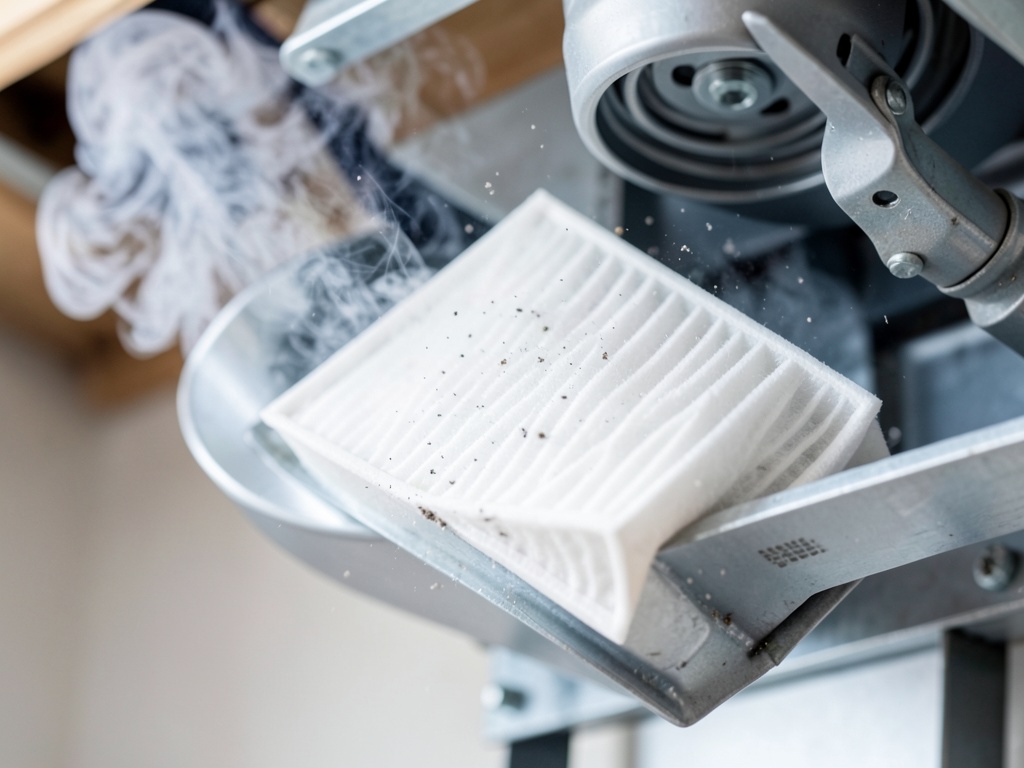
Standard residential filters are designed to catch dust and pollen, not wildfire smoke. A MERV 8 filter captures only about 20% of particles in the 1-3 micron range, while PM2.5 particles from smoke measure 0.1-2.5 microns. This size range allows smoke to pass through, accumulate on coils, and reduce system efficiency by up to 30%. The static pressure increase from clogged coils can also strain your blower motor, leading to premature failure.
MERV 13 Filters: The Wildfire Protection Standard
MERV 13 filters capture 85% of particles in the 1-3 micron range and 90% of larger particles. This efficiency level strikes the right balance between smoke protection and maintaining adequate airflow. However, MERV 13 filters create more resistance than standard filters, so your system must be evaluated for compatibility. Some older units may require fan speed adjustments or duct modifications to handle the increased static pressure.
| Filter Type | PM2.5 Capture Rate | Static Pressure Impact | Recommended Use |
|---|---|---|---|
| MERV 8 | 20% | Low | Normal conditions |
| MERV 11 | 60% | Medium | Allergy season |
| MERV 13 | 85% | High | Wildfire events |
| HEPA | 99.97% | Very High | Stand-alone units only |
Whole-Home Air Purification Systems
Beyond filter upgrades, whole-home air purifiers provide additional protection. Activated carbon filters absorb VOCs and odors, while UV germicidal lights neutralize biological contaminants that thrive in smoke-damaged environments. Ionizing air purifiers like the iWave or Reme Halo create charged particles that attract and neutralize smoke particles. These systems integrate with your existing ductwork and operate continuously, providing protection even when you’re not home. Zone Control Systems.
Operational Strategies During Active Fires
When smoke is visible in Jamul, adjust your HVAC settings immediately. Switch your thermostat to “Fan On” mode rather than “Auto” to maintain constant air circulation through your upgraded filter. Close all fresh air intake dampers to prevent smoke infiltration. If your system has an economizer cycle, disable it manually. Keep windows and doors closed, and consider creating positive pressure by slightly cracking a window on the opposite side of your home from the smoke source.
- Filter Upgrade
Install MERV 13 filters if not already present.
- System Mode
Set thermostat to “Fan On” instead of “Auto.”
- Fresh Air Dampers
Close all outdoor air intake vents.
- Economizer Disable
Turn off economizer function if equipped.
- Windows and Doors
Keep all openings sealed.
Post-Fire System Inspection and Cleaning
After wildfire smoke clears, your HVAC system needs professional inspection. Ash particles settle on evaporator coils, reducing heat transfer efficiency. The California Building Code (Title 24) requires proper maintenance to ensure system efficiency, and smoke damage can void manufacturer warranties if not addressed. A technician should check for ash buildup, clean coils with appropriate chemical solutions, and inspect ductwork for smoke residue that could harbor carcinogens.
Duct Cleaning Considerations
Ductwork can trap smoke particles and VOCs, creating long-term indoor air quality issues. The National Air Duct Cleaners Association recommends inspection after any significant smoke event. Flexible ducts may need replacement if smoke has permeated the material, while metal ducts can typically be cleaned and sealed. The cost of duct cleaning ranges from $300-$800 for a typical Jamul home, depending on system complexity and contamination level. Humidity Issues Indoors.
Smart IAQ Monitoring Integration
Modern indoor air quality monitors can detect PM2.5 levels and integrate with smart thermostats to automate responses. When smoke levels rise, the system can automatically switch to recirculation mode and increase fan speed. Some monitors also track humidity and VOC levels, providing a complete picture of your indoor environment. This technology is particularly valuable in Jamul’s fire-prone areas where conditions can change rapidly.
Emergency Shutdown Procedures
If evacuation becomes necessary, proper HVAC shutdown protects your system from power surges and contamination. Turn off the system at the thermostat, then switch off power at the circuit breaker. Close the outdoor disconnect switch if accessible. This prevents damage from potential power fluctuations when electricity is restored. Document your shutdown procedure and keep it accessible near your thermostat.
Insurance Documentation and Claims
Wildfire smoke damage may be covered under your homeowner’s insurance, but documentation is essential. Take photos of your HVAC system before and after fire events. Keep receipts for filter upgrades and professional cleaning services. The Insurance Information Institute recommends creating a home inventory that includes HVAC equipment age and condition. This documentation can expedite claims processing if smoke damage requires major repairs.
Long-Term Protection Strategies
Consider installing a smoke detection system that integrates with your HVAC controls. These systems can automatically close dampers and switch to recirculation mode when smoke is detected. Additionally, evaluate your home’s envelope for air leaks around windows, doors, and utility penetrations. Sealing these gaps reduces the volume of smoke that enters your home and must be filtered by your HVAC system.
Local Resources and Air Quality Monitoring
The San Diego County Air Pollution Control District provides real-time air quality data and smoke advisories. Their website offers AQI forecasts specific to backcountry areas like Jamul. The EPA’s AirNow app provides mobile access to current conditions. During fire season, check these resources daily and adjust your HVAC operations accordingly. Local fire stations also post updates on air quality impacts from active fires.
Cost-Benefit Analysis of Protection Measures
Investing in wildfire protection for your HVAC system typically costs $500-$2,000 depending on the measures implemented. This investment compares favorably to potential repair costs of $3,000-$8,000 for smoke-damaged components. More importantly, it protects your family’s health by maintaining indoor air quality during fire events. The return on investment becomes clear when considering avoided repairs and health impacts.
| Protection Measure | Initial Cost | Annual Savings | Health Benefit |
|---|---|---|---|
| MERV 13 Filters | $50-$100 | $0 | Moderate |
| Whole-Home Purifier | $800-$2,000 | $50-$100 | High |
| Duct Cleaning | $300-$800 | $0 | High |
| Smart IAQ Monitor | $150-$300 | $0 | High |
Seasonal Maintenance Schedule
Establish a seasonal maintenance routine that includes wildfire preparation. In early September, before Santa Ana season begins, replace filters with MERV 13 units and test your IAQ monitor. Schedule professional duct inspection and cleaning if needed. Keep emergency supplies including spare filters and N95 masks readily available. This preparation ensures your system is ready when fire conditions develop.
Professional Assessment Benefits
A professional HVAC assessment identifies vulnerabilities specific to your home’s construction and location. Technicians can evaluate your system’s static pressure capacity, recommend appropriate filter upgrades, and identify air leaks in your ductwork. They also understand local building codes and can ensure modifications comply with California Title 24 requirements. This expertise prevents costly mistakes and ensures optimal system performance.
Community Preparedness
Wildfire protection works best when entire neighborhoods take coordinated action. Share information with neighbors about effective protection strategies and local resources. Consider organizing a community bulk purchase of MERV 13 filters or whole-home purifiers to reduce costs. Community preparedness also includes having evacuation plans that account for HVAC shutdown procedures and protecting your home’s systems during your absence.
Future Technology Developments
The HVAC industry continues developing technologies specifically for wildfire-prone areas. New filter materials promise higher efficiency with lower pressure drop. Smart systems are becoming more sophisticated at predicting smoke events based on weather patterns and fire locations. Some manufacturers are developing self-cleaning coil systems that resist ash buildup. Staying informed about these developments can help you make cost-effective upgrade decisions.
Environmental Impact Considerations
While protecting your home, consider the environmental impact of your choices. High-efficiency filters last longer and reduce waste. Some air purifiers use less energy than others, lowering your carbon footprint. When cleaning ducts, choose companies that recycle removed materials. These considerations align with California’s environmental goals while still providing effective wildfire protection.
Conclusion: Taking Action Today
Protecting your Jamul HVAC system from wildfire smoke requires a comprehensive approach combining equipment upgrades, operational changes, and ongoing maintenance. The threat is real and growing as fire seasons become longer and more intense. By implementing the strategies outlined here, you can maintain indoor air quality, prevent expensive repairs, and protect your family’s health during fire events.
Don’t wait for the next Santa Ana wind event to expose vulnerabilities in your system. Call (619) 304-5777 today to schedule a professional assessment of your HVAC system’s wildfire readiness. Our technicians understand Jamul’s unique challenges and can recommend specific solutions for your home. Pick up the phone and call (619) 304-5777 before the next storm hits. Your family’s comfort and safety depend on it.
Frequently Asked Questions
How often should I replace MERV 13 filters during fire season?
During active fire events, inspect MERV 13 filters monthly and replace them when visibly dirty or every 30-60 days. Smoke particles clog filters faster than normal dust, reducing airflow and system efficiency. Keep spare filters on hand during fire season for quick replacement when needed.
Can I install a higher MERV rating than 13 for better protection?
While MERV 14-16 filters capture more particles, they create excessive static pressure for most residential systems. This can damage blower motors and reduce cooling capacity. MERV 13 provides optimal smoke protection while maintaining system compatibility. Only install higher ratings if your system is specifically designed for them.
What’s the difference between a whole-home air purifier and a portable unit?
Whole-home purifiers integrate with your existing ductwork and treat all air circulating through your home. Portable units only clean air in one room and require frequent filter changes. Whole-home systems provide continuous protection, are more energy-efficient, and maintain consistent air quality throughout your entire home.
How do I know if my HVAC system has been damaged by smoke?
Signs of smoke damage include reduced cooling efficiency, unusual odors when the system runs, visible ash on coils, and increased energy bills. If you notice any of these symptoms after a fire event, schedule professional inspection immediately. Delayed maintenance can lead to more expensive repairs.
Should I turn off my AC completely during a nearby fire?
During extreme fire conditions with heavy smoke, turning off your system and closing all windows may be safest. However, in most situations, running your system with MERV 13 filters and recirculation mode provides better protection than shutting it down completely. Monitor local air quality reports to make informed decisions.
{
“@context”: “https://schema.org”,
“@type”: “BlogPosting”,
“headline”: “Protecting Your Jamul AC Unit from Ash and Smoke Damage After a Wildfire”,
“description”: “Learn how to shield your Jamul HVAC system from wildfire smoke. Discover MERV 13 filters, air scrubbers, and post-fire cleanup steps from San Diego experts.”,
“wordCount”: 1850,
“datePublished”: “2026-05-03T06:46:00.000Z”,
“dateModified”: “2026-05-03T06:46:00.000Z”,
“inLanguage”: “en-US”,
“mainEntityOfPage”: {
“@type”: “WebPage”,
“@id”: “https://elitehvacsandiego.com”
},
“publisher”: {
“@type”: “LocalBusiness”,
“name”: “Elite HVAC San Diego”,
“url”: “https://elitehvacsandiego.com”
},
“author”: {
“@type”: “Organization”,
“name”: “Elite HVAC San Diego”,
“url”: “https://elitehvacsandiego.com”
},
“image”: {
“@type”: “ImageObject”,
“url”: “https://elitehvacsandiego.com/wp-content/uploads/2026/03/protecting-your-jamul-ac-unit-from-ash-and-smoke-d-1.png”
}
}
{
“@context”: “https://schema.org”,
“@type”: “HVACBusiness”,
“name”: “Elite HVAC San Diego”,
“url”: “https://elitehvacsandiego.com”,
“address”: {
“@type”: “PostalAddress”,
“addressLocality”: “San Diego”
},
“areaServed”: {
“@type”: “City”,
“name”: “San Diego”
}
}
{
“@context”: “https://schema.org”,
“@type”: “FAQPage”,
“mainEntity”: [
{
“@type”: “Question”,
“name”: “How often should I replace MERV 13 filters during fire season?”,
“acceptedAnswer”: {
“@type”: “Answer”,
“text”: “During active fire events, inspect MERV 13 filters monthly and replace them when visibly dirty or every 30-60 days. Smoke particles clog filters faster than normal dust, reducing airflow and system efficiency. Keep spare filters on hand during fire season for quick replacement when needed.”
}
},
{
“@type”: “Question”,
“name”: “Can I install a higher MERV rating than 13 for better protection?”,
“acceptedAnswer”: {
“@type”: “Answer”,
“text”: “While MERV 14-16 filters capture more particles, they create excessive static pressure for most residential systems. This can damage blower motors and reduce cooling capacity. MERV 13 provides optimal smoke protection while maintaining system compatibility. Only install higher ratings if your system is specifically designed for them.”
}
},
{
“@type”: “Question”,
“name”: “What’s the difference between a whole-home air purifier and a portable unit?”,
“acceptedAnswer”: {
“@type”: “Answer”,
“text”: “Whole-home purifiers integrate with your existing ductwork and treat all air circulating through your home. Portable units only clean air in one room and require frequent filter changes. Whole-home systems provide continuous protection, are more energy-efficient, and maintain consistent air quality throughout your entire home.”
}
},
{
“@type”: “Question”,
“name”: “How do I know if my HVAC system has been damaged by smoke?”,
“acceptedAnswer”: {
“@type”: “Answer”,
“text”: “Signs of smoke damage include reduced cooling efficiency, unusual odors when the system runs, visible ash on coils, and increased energy bills. If you notice any of these symptoms after a fire event, schedule professional inspection immediately. Delayed maintenance can lead to more expensive repairs.”
}
},
{
“@type”: “Question”,
“name”: “Should I turn off my AC completely during a nearby fire?”,
“acceptedAnswer”: {
“@type”: “Answer”,
“text”: “During extreme fire conditions with heavy smoke, turning off your system and closing all windows may be safest. However, in most situations, running your system with MERV 13 filters and recirculation mode provides better protection than shutting it down completely. Monitor local air quality reports to make informed decisions.”
}
}
]
}
{
“@context”: “https://schema.org”,
“@type”: “HowTo”,
“name”: “HVAC Settings During Wildfire Smoke”,
“step”: [
{
“@type”: “HowToStep”,
“position”: 1,
“name”: “Filter Upgrade”,
“text”: “Install MERV 13 filters if not already present.”
},
{
“@type”: “HowToStep”,
“position”: 2,
“name”: “System Mode”,
“text”: “Set thermostat to \”Fan On\” instead of \”Auto.\””
},
{
“@type”: “HowToStep”,
“position”: 3,
“name”: “Fresh Air Dampers”,
“text”: “Close all outdoor air intake vents.”
},
{
“@type”: “HowToStep”,
“position”: 4,
“name”: “Economizer Disable”,
“text”: “Turn off economizer function if equipped.”
},
{
“@type”: “HowToStep”,
“position”: 5,
“name”: “Windows and Doors”,
“text”: “Keep all openings sealed.”
}
],
“image”: “https://elitehvacsandiego.com/wp-content/uploads/2026/03/protecting-your-jamul-ac-unit-from-ash-and-smoke-d-1.png”
}
{
“@context”: “https://schema.org”,
“@type”: “BreadcrumbList”,
“itemListElement”: [
{
“@type”: “ListItem”,
“position”: 1,
“name”: “Home”,
“item”: “https://elitehvacsandiego.com”
},
{
“@type”: “ListItem”,
“position”: 2,
“name”: “Blog”,
“item”: “https://elitehvacsandiego.com/blog”
},
{
“@type”: “ListItem”,
“position”: 3,
“name”: “Protecting Your Jamul AC Unit from Ash and Smoke Damage After a Wildfire”
}
]
}
{
“@context”: “https://schema.org”,
“@type”: “Service”,
“serviceType”: “HVAC”,
“provider”: {
“@type”: “LocalBusiness”,
“name”: “Elite HVAC San Diego”,
“url”: “https://elitehvacsandiego.com”
},
“areaServed”: {
“@type”: “City”,
“name”: “San Diego”
},
“description”: “Learn how to shield your Jamul HVAC system from wildfire smoke. Discover MERV 13 filters, air scrubbers, and post-fire cleanup steps from San Diego experts.”
}