
Why Logan Heights Homes Stay Hot Long After Sunset and How to Fix It
Logan Heights residents know the frustration of stepping inside after sunset only to find their homes still sweltering. The urban heat island effect traps heat in dense neighborhoods, making your home feel like an oven even when the sun goes down. But this isn’t just uncomfortable—it’s costing you money and stressing your HVAC system.
The combination of older construction, limited green space, and surrounding pavement creates a heat retention problem unique to Logan Heights. Your AC might be working perfectly, but if your home can’t release heat efficiently, you’ll stay uncomfortable all night. Understanding why this happens is the first step to finding real solutions that work for your specific situation.
The Science Behind Logan Heights’ Nighttime Heat
Urban heat islands form when buildings, roads, and other infrastructure absorb and re-emit heat more than natural landscapes. In Logan Heights, the problem is amplified by several factors that keep your home hot long after sunset.
Concrete and asphalt surfaces store heat during the day and release it slowly at night. Unlike grass or trees that cool through evapotranspiration, hard surfaces act like thermal batteries. Your roof, driveway, and even the street outside your window continue radiating heat well into the evening hours.
Older homes in Logan Heights often lack proper insulation and modern building techniques that promote heat dissipation. Many were built before energy efficiency was a priority, with single-pane windows, minimal attic insulation, and construction methods that trap heat rather than release it.
How Your Home’s Construction Contributes to Heat Retention
The building materials used in Logan Heights homes play a major role in nighttime heat retention. Stucco walls, common in older San Diego construction, absorb heat during the day and release it slowly. This thermal mass effect means your walls continue warming your interior spaces even after outdoor temperatures drop. San Diego County Energy Programs.
Roofing materials matter significantly. Dark-colored asphalt shingles can reach temperatures of 150°F on hot days. These surfaces continue radiating heat downward toward your attic and living spaces for hours after sunset. Flat roofs common in some Logan Heights buildings create additional heat traps.
Window placement and size affect heat gain and loss. Large west-facing windows allow afternoon sun to heat your interior, while older single-pane glass provides minimal insulation. Without proper shading or reflective coatings, these windows become heat sources rather than barriers.
The Role of Local Geography and Climate
Logan Heights sits in a unique microclimate where several factors converge to create heat retention challenges. The neighborhood’s location inland from the coast means it misses the cooling afternoon sea breezes that benefit coastal areas. Instead, heat builds up throughout the day with minimal natural ventilation.
Surrounding industrial areas and major roadways contribute additional heat sources. Vehicle exhaust, machinery operation, and even the heat generated by electrical transformers create a localized warming effect that makes Logan Heights warmer than surrounding residential areas.
The Santa Ana wind conditions, while less frequent than in East County, can still impact Logan Heights. These dry, hot winds from the desert can push temperatures higher and create conditions where nighttime cooling is minimal or nonexistent.
Impact on Your HVAC System and Energy Bills
When your home stays hot after sunset, your air conditioner runs longer and works harder. This extended runtime leads to several problems that affect both comfort and costs. Your system experiences increased wear and tear, potentially shortening its lifespan by years.
Energy bills spike during heat waves when your AC struggles to overcome the heat retention effects. The California Energy Commission reports that air conditioning can account for up to 70% of summer electricity use in older homes. In Logan Heights, this percentage may be even higher due to the urban heat island effect. California Energy Commission.
Short cycling becomes a common problem when your system can’t maintain consistent temperatures. Your AC turns on and off frequently, never completing a full cooling cycle. This inefficient operation wastes energy and creates temperature swings that make your home uncomfortable.
Proven Solutions for Logan Heights Homes
Addressing nighttime heat retention requires a comprehensive approach that tackles both the symptoms and the underlying causes. Here are solutions that have proven effective for Logan Heights residents.
1. Upgrade Your Insulation and Building Envelope
Adding proper insulation to your attic and walls can reduce heat transfer by up to 25%. Modern insulation materials like spray foam or blown-in cellulose create a thermal barrier that keeps heat out during the day and prevents cool air from escaping at night.
Seal air leaks around windows, doors, and electrical outlets. These small gaps can account for 15-20% of your home’s heat gain. Weatherstripping and caulking are inexpensive fixes that provide immediate results.
2. Install Reflective Roofing Materials
Cool roof technology can reduce roof surface temperatures by 50-60°F. Reflective shingles, tiles, or coatings bounce solar radiation back into the atmosphere rather than absorbing it. The California Energy Commission estimates cool roofs can reduce cooling energy use by 10-30%.
For flat roofs common in Logan Heights, consider white elastomeric coatings. These provide both cooling benefits and extend roof life by protecting against UV damage and thermal expansion.
3. Upgrade to High-Efficiency HVAC Equipment
Modern air conditioners with SEER2 ratings of 16 or higher operate 20-40% more efficiently than older units. Variable-speed compressors adjust output to match cooling demand, eliminating the short cycling that wastes energy and reduces comfort. The Best Quiet Air Conditioners for Hillcrest Apartments and Condos.
Heat pumps offer year-round efficiency by providing both cooling and heating. In San Diego’s mild climate, heat pumps can reduce energy costs by 30-50% compared to traditional HVAC systems. Zone Control Systems.
4. Add Smart Home Technology
Smart thermostats learn your schedule and adjust temperatures automatically. They can pre-cool your home during off-peak hours when electricity rates are lower, then maintain comfort during expensive peak periods.
Zoned cooling systems allow you to cool only occupied areas of your home. This targeted approach can reduce energy use by 15-30% while improving comfort in frequently used spaces.
Financial Incentives and Rebates
Several programs can help offset the cost of heat mitigation improvements. San Diego Gas & Electric offers rebates for energy-efficient HVAC equipment, smart thermostats, and home energy improvements. The California Energy Commission provides additional incentives for qualifying upgrades.
The federal government offers tax credits for energy-efficient home improvements through the Energy Efficient Home Improvement Credit. These credits can cover 10-30% of qualifying expenses, including insulation, windows, and HVAC equipment.
Local utility programs may provide free energy audits to identify specific heat retention issues in your home. These assessments can reveal problems you might not notice and recommend targeted solutions. Humidity Issues Indoors.
Maintenance Strategies for Maximum Efficiency
Regular maintenance keeps your HVAC system running at peak efficiency, especially important when dealing with heat retention challenges. Clean coils, proper refrigerant levels, and calibrated thermostats ensure your system can handle the extra workload.
Change air filters monthly during summer months. Dirty filters restrict airflow, forcing your system to work harder and reducing cooling effectiveness. This simple step can improve efficiency by 5-15%.
Schedule professional maintenance twice yearly. Spring tune-ups prepare your system for summer heat, while fall checks ensure heating efficiency for cooler months. Professional technicians can identify developing problems before they cause system failures.
Long-Term Solutions for Urban Heat Island Effects
Individual home improvements help, but addressing the broader urban heat island effect requires community-level action. Some Logan Heights residents are working with local organizations to increase tree canopy coverage, which can reduce local temperatures by 2-9°F.
Green infrastructure projects like rain gardens and bioswales provide cooling through evapotranspiration while managing stormwater. These features can reduce local heat island effects while improving neighborhood aesthetics and property values.
Community solar projects and microgrids can reduce the heat generated by individual air conditioning units. By sharing cooling resources and optimizing energy use across multiple buildings, neighborhoods can reduce overall heat generation.
Emergency Cooling Strategies
During extreme heat events, even well-prepared homes can struggle. Have backup cooling strategies ready. Portable air conditioners can provide emergency cooling for critical areas like bedrooms. Battery-powered fans with built-in misters offer cooling without electricity during power outages.
Create cool zones in your home by closing off unused rooms and focusing cooling efforts on living areas. Use blackout curtains during the day to block solar heat gain. Open windows at night when outdoor temperatures drop below indoor levels.
Stay hydrated and monitor vulnerable family members during heat waves. The elderly, young children, and those with health conditions are most susceptible to heat-related illnesses.
Professional Assessment Benefits
Every home has unique heat retention characteristics based on construction, orientation, and surrounding environment. Professional energy assessments can identify specific problems and recommend targeted solutions that provide the best return on investment.
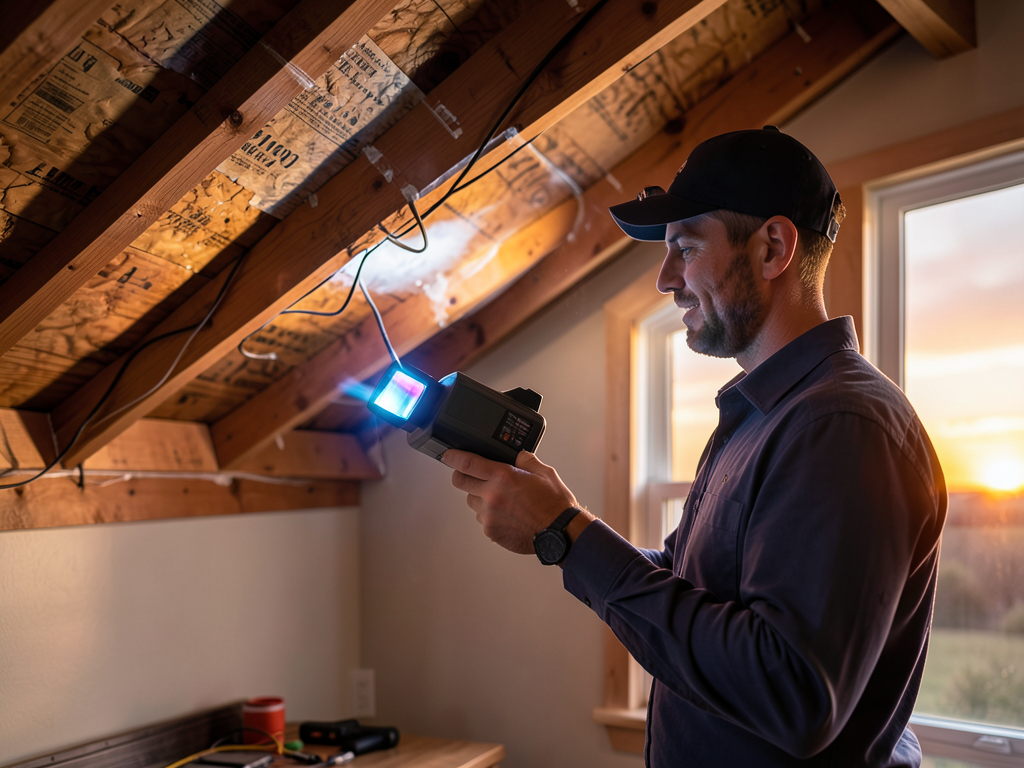
Thermal imaging cameras reveal hidden heat leaks that aren’t visible to the naked eye. Blower door tests measure air infiltration and identify specific areas where heat enters or escapes. These diagnostic tools help prioritize improvements for maximum impact.
Professional HVAC technicians can perform load calculations to ensure your cooling system is properly sized. Oversized units short cycle and waste energy, while undersized equipment can’t keep up with demand during heat waves.
Call (619) 304-5777 Today for Your Heat Assessment
Don’t wait until the next heat wave to address your home’s heat retention problems. Call (619) 304-5777 today to schedule a comprehensive heat assessment. Our experienced technicians understand Logan Heights’ unique challenges and can recommend solutions that work for your specific situation.
We offer emergency service for critical cooling failures and can often provide same-day assessments during heat waves. Our team is familiar with local building codes, utility rebate programs, and the most effective solutions for San Diego’s climate.
Take control of your home’s comfort and energy costs. Call (619) 304-5777 now to speak with a heat retention specialist who can help you stay cool even after the sun goes down.
Frequently Asked Questions
Why does my house stay hot even when the AC is running?
Your home may have poor insulation, air leaks, or heat-retaining building materials that prevent effective cooling. The urban heat island effect in Logan Heights also contributes to nighttime heat retention, making it harder for your AC to maintain comfortable temperatures.
How much can I save by improving my home’s heat retention?
Most homeowners see 15-30% reductions in cooling costs after addressing heat retention issues. The exact savings depend on your home’s current condition, the improvements made, and local energy rates. Many improvements pay for themselves within 2-5 years through energy savings.
Are there any free or low-cost ways to reduce heat retention?
Yes. Simple steps like adding weatherstripping, using blackout curtains, planting shade trees, and maintaining your HVAC system can provide immediate benefits at low cost. Many utility companies also offer free energy audits to identify specific improvement opportunities.
How do I know if my AC system is properly sized for my home?
A professional load calculation considers your home’s size, insulation levels, window orientation, and local climate to determine proper AC sizing. Signs of improper sizing include short cycling, inability to maintain set temperatures, and high energy bills. Call (619) 304-5777 for a professional assessment.
{
“@context”: “https://schema.org”,
“@type”: “BlogPosting”,
“headline”: “Why Logan Heights Homes Stay Hot Long After Sunset and How to Fix It”,
“description”: “Discover why Logan Heights homes retain heat after sunset and get expert HVAC solutions. Learn about urban heat island effects, cooling strategies, and local rebates.”,
“wordCount”: 1869,
“datePublished”: “2026-05-15T09:06:00.000Z”,
“dateModified”: “2026-05-15T09:06:00.000Z”,
“inLanguage”: “en-US”,
“mainEntityOfPage”: {
“@type”: “WebPage”,
“@id”: “https://elitehvacsandiego.com”
},
“publisher”: {
“@type”: “LocalBusiness”,
“name”: “Elite HVAC San Diego”,
“url”: “https://elitehvacsandiego.com”
},
“author”: {
“@type”: “Organization”,
“name”: “Elite HVAC San Diego”,
“url”: “https://elitehvacsandiego.com”
},
“image”: {
“@type”: “ImageObject”,
“url”: “https://elitehvacsandiego.com/wp-content/uploads/2026/03/why-logan-heights-homes-stay-hot-long-after-sunset-1.png”
}
}
{
“@context”: “https://schema.org”,
“@type”: “HVACBusiness”,
“name”: “Elite HVAC San Diego”,
“url”: “https://elitehvacsandiego.com”,
“address”: {
“@type”: “PostalAddress”,
“addressLocality”: “San Diego”
},
“areaServed”: {
“@type”: “City”,
“name”: “San Diego”
}
}
{
“@context”: “https://schema.org”,
“@type”: “FAQPage”,
“mainEntity”: [
{
“@type”: “Question”,
“name”: “Why does my house stay hot even when the AC is running?”,
“acceptedAnswer”: {
“@type”: “Answer”,
“text”: “Your home may have poor insulation, air leaks, or heat-retaining building materials that prevent effective cooling. The urban heat island effect in Logan Heights also contributes to nighttime heat retention, making it harder for your AC to maintain comfortable temperatures.”
}
},
{
“@type”: “Question”,
“name”: “How much can I save by improving my home’s heat retention?”,
“acceptedAnswer”: {
“@type”: “Answer”,
“text”: “Most homeowners see 15-30% reductions in cooling costs after addressing heat retention issues. The exact savings depend on your home’s current condition, the improvements made, and local energy rates. Many improvements pay for themselves within 2-5 years through energy savings.”
}
},
{
“@type”: “Question”,
“name”: “Are there any free or low-cost ways to reduce heat retention?”,
“acceptedAnswer”: {
“@type”: “Answer”,
“text”: “Yes. Simple steps like adding weatherstripping, using blackout curtains, planting shade trees, and maintaining your HVAC system can provide immediate benefits at low cost. Many utility companies also offer free energy audits to identify specific improvement opportunities.”
}
},
{
“@type”: “Question”,
“name”: “How do I know if my AC system is properly sized for my home?”,
“acceptedAnswer”: {
“@type”: “Answer”,
“text”: “A professional load calculation considers your home’s size, insulation levels, window orientation, and local climate to determine proper AC sizing. Signs of improper sizing include short cycling, inability to maintain set temperatures, and high energy bills. Call (619) 304-5777 for a professional assessment.”
}
}
]
}
{
“@context”: “https://schema.org”,
“@type”: “BreadcrumbList”,
“itemListElement”: [
{
“@type”: “ListItem”,
“position”: 1,
“name”: “Home”,
“item”: “https://elitehvacsandiego.com”
},
{
“@type”: “ListItem”,
“position”: 2,
“name”: “Blog”,
“item”: “https://elitehvacsandiego.com/blog”
},
{
“@type”: “ListItem”,
“position”: 3,
“name”: “Why Logan Heights Homes Stay Hot Long After Sunset and How to Fix It”
}
]
}
{
“@context”: “https://schema.org”,
“@type”: “Service”,
“serviceType”: “HVAC”,
“provider”: {
“@type”: “LocalBusiness”,
“name”: “Elite HVAC San Diego”,
“url”: “https://elitehvacsandiego.com”
},
“areaServed”: {
“@type”: “City”,
“name”: “San Diego”
},
“description”: “Discover why Logan Heights homes retain heat after sunset and get expert HVAC solutions. Learn about urban heat island effects, cooling strategies, and local rebates.”
}