
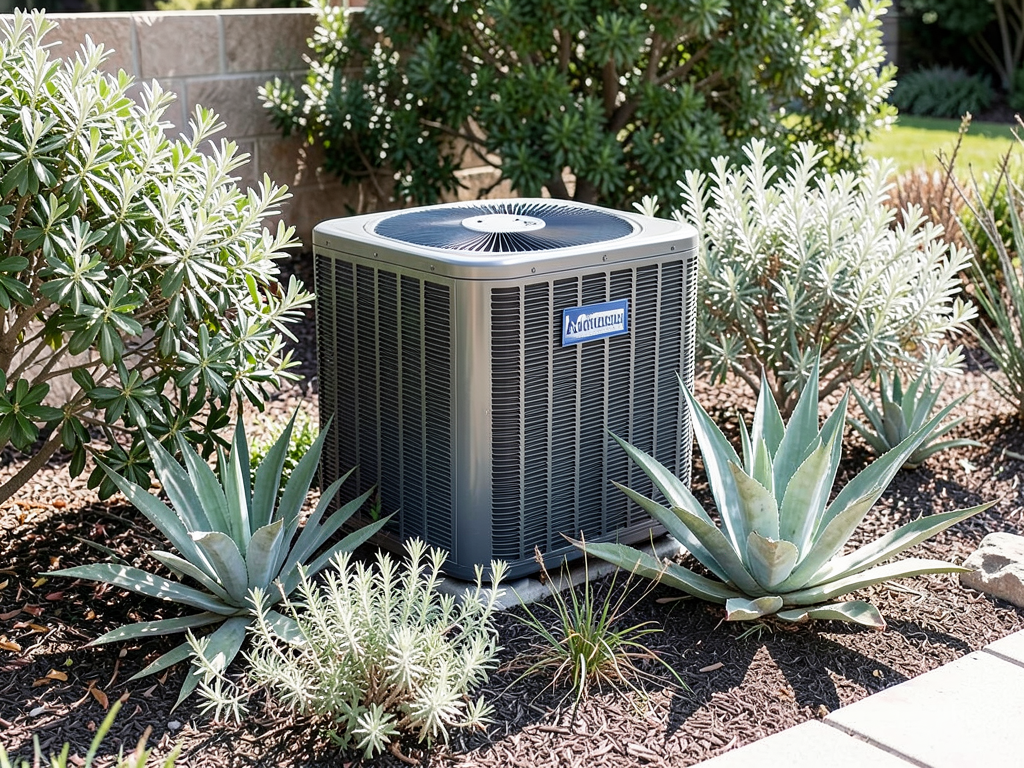
Why Your Bonita Backyard Landscaping Might Be Suffocating Your AC Unit
Your Bonita backyard looks great but could be choking your AC. Dense shrubs, decorative mulch, and climbing vines might block the airflow your condenser needs to cool your home. This guide shows you how to keep your landscaping beautiful while protecting your system from overheating and costly breakdowns.
Why Clearance Matters for Your AC Unit
Your outdoor condenser needs open space to release heat. When plants crowd the unit, airflow drops and the system works harder. This leads to higher energy bills and shorter equipment life. Bonita’s hot summers make this problem worse because your AC already fights high temperatures.
California building codes require at least 24 inches of clearance on all sides and 60 inches above the unit. This space allows technicians to service the equipment and ensures proper heat exchange. Without it, your system can lose 10-15% efficiency, meaning your SDG&E bill climbs even higher.
Top 5 Drought-Tolerant Plants for San Diego AC Areas
Choosing the right plants keeps your yard looking good without blocking airflow. These San Diego natives stay neat and require minimal water: San Diego County Water Authority.
- California Buckwheat – Grows low and stays tidy year-round
- Silver Sheen Pittosporum – Dense but airy screen that won’t drop leaves into coils
- Tall Fescue Grass – Soft border that stays under 18 inches
- Agave – Succulent that provides structure without debris
- Deer Grass – Native ornamental that moves in the breeze
These plants thrive in Bonita’s climate and won’t create the maintenance headaches that flowering shrubs or deciduous trees bring. They also resist pests that might nest near your unit.
Hardscaping vs. Greenery: What Works Best
Hardscaping often provides better protection than plants. A simple gravel border or decorative stone ring creates a clean zone around your condenser. Unlike mulch, stone won’t blow into the coils or hold moisture against the cabinet.
Lattice screens can hide your unit while maintaining airflow if installed correctly. The screen should sit at least 24 inches from the unit and allow wind to pass through. Solid walls trap heat and create hot zones that make your AC work harder.
Consider decomposed granite or river rock instead of wood mulch. These materials drain well and won’t harbor insects. They also reflect less heat than dark mulch, keeping the area around your unit cooler.
Creating the Right Service Path
Technicians need clear access to your unit. A three-foot-wide path lets them bring tools and remove panels without stepping on your plants. This access becomes critical during Bonita’s fire season when quick maintenance can prevent system failures.
Install pavers or stepping stones if you must cross planted areas. This protects both your landscaping and the technician’s footing. Make sure the path leads directly to the unit’s service panel and electrical disconnect.
Never block the unit’s control panel or electrical box. These need immediate access for emergency shutoffs. A locked fence section or removable panel can provide security without blocking service access. Zone Control Systems.
Safety and Fire Prevention
Bonita falls within San Diego County’s high fire risk areas. California Fire Code requires keeping combustible materials away from mechanical equipment. Dry brush, dead leaves, and wood mulch can become fire hazards during Santa Ana wind events.
Maintain a five-foot non-combustible zone around your AC unit. Use gravel, concrete, or pavers instead of bark mulch. Trim any plants that grow within this zone to prevent them from touching the unit.
Check your landscaping weekly during fire season. Remove dead plant material and ensure nothing blocks the unit’s vents. A clear zone not only prevents fires but also makes your system more efficient.
Managing Pets and Pests
Dogs often mark AC units, causing corrosion and unpleasant odors. Install a decorative fence or barrier that keeps pets away while maintaining required clearances. The barrier should be at least 24 inches from the unit.
Rodents and insects can nest in dense vegetation near your condenser. Keep plants trimmed and remove any debris that accumulates around the base. Check for signs of nesting during your monthly maintenance.
Consider pet-safe repellents if animals continue to be a problem. Motion-activated sprinklers can keep both pets and wildlife away from your equipment.
Shade Structures and Sun Orientation
Strategic shading can reduce your AC’s workload by 5-10%. However, the shade structure must not block airflow. A pergola placed three feet from the unit can provide afternoon shade without restricting ventilation.
Bonita’s west-facing homes get intense afternoon sun. If your unit sits on the west side, consider planting deciduous trees that block summer sun but allow winter light. Keep them at least six feet from the unit to prevent root damage and maintain clearance.
Reflective surfaces near your AC can increase heat load. Avoid placing white walls, metal screens, or light-colored pavers too close to the unit. These surfaces can reflect sunlight and raise the temperature around your condenser.
Seasonal Maintenance Schedule
San Diego’s mild climate means year-round AC use, but seasonal changes still affect your system. Create a maintenance calendar to keep your unit running efficiently.
- Early Spring
Trim plants, remove winter debris, check for pest damage
- Late Spring
Deep clean around unit, check airflow, adjust plant growth
- Summer Peak
Weekly visual checks, remove fallen leaves, ensure clearance
- Fall
Prepare for Santa Ana winds, secure loose items, trim back growth EPA WaterSense Program.
- Winter
Check for frost damage, ensure drainage, plan spring changes
This schedule helps prevent the most common landscaping-related AC problems before they start.
Cost-Benefit Analysis of Proper Landscaping
Investing in proper AC landscaping saves money over time. A well-designed area around your unit can reduce energy consumption by 10-15% annually. For a typical Bonita home, this means saving $150-250 per year on cooling costs.
Proper clearance also extends equipment life by 2-3 years. This delay in replacement saves $3,000-5,000 in capital costs. The initial investment in correct landscaping typically pays for itself within two years through energy savings and prevented repairs.
Consider these factors when planning your landscaping budget. The right approach protects both your investment and your comfort.
Common Mistakes to Avoid
Homeowners often make these errors when landscaping around AC units:
- Planting too close – Even small shrubs can block airflow as they grow
- Using high-maintenance plants – Flowering plants drop debris that clogs coils
- Creating solid barriers – Walls trap heat and prevent proper ventilation
- Ignoring access – Technicians need room to work and bring tools
- Overlooking fire safety – Combustible materials near equipment create hazards
Avoiding these mistakes prevents most landscaping-related AC problems.
Professional Assessment Benefits
A professional HVAC technician can evaluate your current setup and recommend specific improvements. They understand how Bonita’s climate affects your system and can spot potential problems before they cause failures.
Professional assessment includes checking airflow patterns, measuring temperature differences, and evaluating plant choices. They can also identify code compliance issues you might miss. Humidity Issues Indoors.
Schedule an assessment if your energy bills have increased, your AC runs constantly, or you notice reduced cooling performance. These symptoms often indicate airflow problems caused by landscaping.
DIY vs. Professional Landscaping
Simple tasks like trimming plants and cleaning debris around your unit are DIY-friendly. However, major changes require professional input to ensure code compliance and system efficiency.
DIY projects that work well include:
- Regular plant trimming and debris removal
- Installing gravel borders
- Adding stepping stones for access paths
Projects needing professionals:
- Major hardscaping changes
- Electrical work for lighting or barriers
- Structural shade installations
- Complete landscape redesigns
Know your limits to avoid creating bigger problems.
Future-Proofing Your AC Area
Plan for plant growth when designing your landscape. A shrub that’s 18 inches from your unit today might touch it in three years. Choose plants that stay small or plan for regular pruning.
Consider drought-tolerant landscaping trends in Bonita. As water conservation becomes more important, your plant choices might change. Select species that remain low-maintenance even as environmental regulations tighten.
Think about accessibility for future repairs. Even if you can access your unit now, will you be able to in five years? Design with long-term maintenance in mind.
Emergency Preparation
During Bonita’s fire season or heat waves, your AC becomes critical for comfort and safety. Prepare your landscaping for emergencies:
- Keep a clear 36-inch path to the unit at all times
- Store basic tools nearby for quick debris removal
- Know how to shut off power to your unit
- Have contact information for emergency HVAC service
Quick access can mean the difference between a minor repair and a complete system failure during extreme weather.
Local Resources and Regulations
San Diego County offers resources for drought-tolerant landscaping that works well around AC units. The County Water Authority provides guides for water-wise plant selection and design.
Check local regulations before making major changes. Bonita falls under unincorporated San Diego County rules, which may differ from city codes. Permits might be required for electrical work or structural changes.
Local nurseries specializing in native plants can recommend species that thrive in Bonita’s micro-climate. They understand the specific soil conditions and water requirements of our area.
Making the Right Choice for Your Home
Every home in Bonita has unique needs based on its orientation, surrounding vegetation, and local climate patterns. What works for your neighbor might not work for you.
Consider your specific situation:
- Which direction does your home face?
- What plants already surround your unit?
- How much maintenance are you willing to do?
- What’s your budget for landscaping changes?
The right solution balances beauty, efficiency, and practicality for your specific situation.
Take Action Today
Don’t wait for your AC to fail during Bonita’s next heat wave. Walk outside and check the clearance around your unit. If plants are touching the cabinet or debris has accumulated, take action now.
Simple steps like trimming back vegetation and cleaning the area can improve efficiency immediately. For bigger changes, consult with a professional who understands both HVAC systems and San Diego landscaping.
Your comfort and energy bills depend on getting this right. Make the investment in proper AC landscaping today.
Frequently Asked Questions
How close can plants be to my AC unit?
Plants should stay at least 24 inches from all sides of your AC unit. This clearance allows proper airflow and gives technicians room to service the equipment. Some plants can be closer if they stay very small, but plan for growth over time.
Will shading my AC unit improve efficiency?
Strategic shading can improve efficiency by 5-10%, but only if done correctly. The shade must not block airflow, and the structure should be at least three feet from the unit. Direct shading of the coils is less important than keeping the surrounding air cool.
What’s the best ground cover around an AC unit?
Decomposed granite, river rock, or concrete pavers work best around AC units. These materials won’t blow into the coils, don’t harbor pests, and won’t catch fire during dry conditions. Avoid wood mulch, which can become a fire hazard and clog the system.
How often should I check my AC landscaping?
Check your AC area monthly during the cooling season and quarterly during cooler months. Look for plant growth into the clearance zone, debris accumulation, and any signs of pest activity. More frequent checks during fire season are recommended.
Can I build a fence around my AC unit?
Yes, but the fence must maintain 24-inch clearance on all sides and allow airflow. Lattice or open-panel designs work best. The fence should also include a removable section or gate for technician access. Never block the electrical disconnect or service panel.
{
“@context”: “https://schema.org”,
“@type”: “BlogPosting”,
“headline”: “Why Your Bonita Backyard Landscaping Might Be Suffocating Your AC Unit”,
“description”: “Is your Bonita AC struggling? Poor landscaping can choke airflow and spike energy bills. Learn San Diego-specific fixes to keep your unit breathing and efficient.”,
“wordCount”: 1924,
“datePublished”: “2026-05-08T14:49:00.000Z”,
“dateModified”: “2026-05-08T14:49:00.000Z”,
“inLanguage”: “en-US”,
“mainEntityOfPage”: {
“@type”: “WebPage”,
“@id”: “https://elitehvacsandiego.com”
},
“publisher”: {
“@type”: “LocalBusiness”,
“name”: “Elite HVAC San Diego”,
“url”: “https://elitehvacsandiego.com”
},
“author”: {
“@type”: “Organization”,
“name”: “Elite HVAC San Diego”,
“url”: “https://elitehvacsandiego.com”
},
“image”: {
“@type”: “ImageObject”,
“url”: “https://elitehvacsandiego.com/wp-content/uploads/2026/03/why-your-bonita-backyard-landscaping-might-be-suff-1.png”
}
}
{
“@context”: “https://schema.org”,
“@type”: “HVACBusiness”,
“name”: “Elite HVAC San Diego”,
“url”: “https://elitehvacsandiego.com”,
“address”: {
“@type”: “PostalAddress”,
“addressLocality”: “San Diego”
},
“areaServed”: {
“@type”: “City”,
“name”: “San Diego”
}
}
{
“@context”: “https://schema.org”,
“@type”: “FAQPage”,
“mainEntity”: [
{
“@type”: “Question”,
“name”: “How close can plants be to my AC unit?”,
“acceptedAnswer”: {
“@type”: “Answer”,
“text”: “Plants should stay at least 24 inches from all sides of your AC unit. This clearance allows proper airflow and gives technicians room to service the equipment. Some plants can be closer if they stay very small, but plan for growth over time.”
}
},
{
“@type”: “Question”,
“name”: “Will shading my AC unit improve efficiency?”,
“acceptedAnswer”: {
“@type”: “Answer”,
“text”: “Strategic shading can improve efficiency by 5-10%, but only if done correctly. The shade must not block airflow, and the structure should be at least three feet from the unit. Direct shading of the coils is less important than keeping the surrounding air cool.”
}
},
{
“@type”: “Question”,
“name”: “What’s the best ground cover around an AC unit?”,
“acceptedAnswer”: {
“@type”: “Answer”,
“text”: “Decomposed granite, river rock, or concrete pavers work best around AC units. These materials won’t blow into the coils, don’t harbor pests, and won’t catch fire during dry conditions. Avoid wood mulch, which can become a fire hazard and clog the system.”
}
},
{
“@type”: “Question”,
“name”: “How often should I check my AC landscaping?”,
“acceptedAnswer”: {
“@type”: “Answer”,
“text”: “Check your AC area monthly during the cooling season and quarterly during cooler months. Look for plant growth into the clearance zone, debris accumulation, and any signs of pest activity. More frequent checks during fire season are recommended.”
}
},
{
“@type”: “Question”,
“name”: “Can I build a fence around my AC unit?”,
“acceptedAnswer”: {
“@type”: “Answer”,
“text”: “Yes, but the fence must maintain 24-inch clearance on all sides and allow airflow. Lattice or open-panel designs work best. The fence should also include a removable section or gate for technician access. Never block the electrical disconnect or service panel.”
}
}
]
}
{
“@context”: “https://schema.org”,
“@type”: “HowTo”,
“name”: “AC Landscaping Maintenance Schedule”,
“step”: [
{
“@type”: “HowToStep”,
“position”: 1,
“name”: “Early Spring”,
“text”: “Trim plants, remove winter debris, check for pest damage”
},
{
“@type”: “HowToStep”,
“position”: 2,
“name”: “Late Spring”,
“text”: “Deep clean around unit, check airflow, adjust plant growth”
},
{
“@type”: “HowToStep”,
“position”: 3,
“name”: “Summer Peak”,
“text”: “Weekly visual checks, remove fallen leaves, ensure clearance”
},
{
“@type”: “HowToStep”,
“position”: 4,
“name”: “Fall”,
“text”: “Prepare for Santa Ana winds, secure loose items, trim back growth EPA WaterSense Program.”
},
{
“@type”: “HowToStep”,
“position”: 5,
“name”: “Winter”,
“text”: “Check for frost damage, ensure drainage, plan spring changes”
}
],
“image”: “https://elitehvacsandiego.com/wp-content/uploads/2026/03/why-your-bonita-backyard-landscaping-might-be-suff-1.png”
}
{
“@context”: “https://schema.org”,
“@type”: “BreadcrumbList”,
“itemListElement”: [
{
“@type”: “ListItem”,
“position”: 1,
“name”: “Home”,
“item”: “https://elitehvacsandiego.com”
},
{
“@type”: “ListItem”,
“position”: 2,
“name”: “Blog”,
“item”: “https://elitehvacsandiego.com/blog”
},
{
“@type”: “ListItem”,
“position”: 3,
“name”: “Why Your Bonita Backyard Landscaping Might Be Suffocating Your AC Unit”
}
]
}
{
“@context”: “https://schema.org”,
“@type”: “Service”,
“serviceType”: “HVAC”,
“provider”: {
“@type”: “LocalBusiness”,
“name”: “Elite HVAC San Diego”,
“url”: “https://elitehvacsandiego.com”
},
“areaServed”: {
“@type”: “City”,
“name”: “San Diego”
},
“description”: “Is your Bonita AC struggling? Poor landscaping can choke airflow and spike energy bills. Learn San Diego-specific fixes to keep your unit breathing and efficient.”
}