
How Santa Ana Winds Can Secretly Damage Your Rancho Penasquitos AC System
Strong winds from the desert combined with extreme heat can quietly destroy your air conditioning system. In Rancho Penasquitos, the Santa Ana winds create conditions that most homeowners never consider until their AC fails during a heatwave. Fine dust clogs filters. Debris blocks condenser coils. Electrical components overheat from static buildup. These problems start small but grow fast under the intense inland heat. The Best Quiet Air Conditioners for Hillcrest Apartments and Condos.
Your AC works hardest when you need it most. That is exactly when Santa Ana winds strike Rancho Penasquitos. These seasonal winds carry dry air and fine particles from the desert through the Sorrento Valley and into your neighborhood. The result is a perfect storm of stress on your cooling system.
How High Winds and Dust Damage Your Cooling System
Outdoor condenser units sit exposed to the elements. When Santa Ana winds blow through Rancho Penasquitos, they push leaves, twigs, and fine dust into the condenser coils. This debris acts like insulation. It traps heat inside the unit instead of releasing it. Your system works harder. Energy use climbs. The compressor runs hotter than designed.
Indoor air filters also take a beating. Santa Ana winds increase airborne particles by up to 300 percent according to the San Diego Air Pollution Control District. Standard filters clog in days instead of months. When filters block airflow, your blower motor strains. Static pressure builds in the ductwork. Cooling drops while energy costs rise. Zone Control Systems.
Low humidity during Santa Ana events creates another hidden danger. Dry air increases static electricity around electronic control boards. A single spark can short out a thermostat or capacitor. These failures often happen without warning. The first sign is usually warm air blowing from your vents. Humidity Issues Indoors.
5 Essential Maintenance Steps During Wind Events
Taking action before and during Santa Ana winds can prevent costly repairs. These five steps protect your system when conditions are worst.
- Check and Replace Air Filters
Standard MERV 8 filters clog within 72 hours during heavy wind events. Upgrade to MERV 11 or 13 for better dust capture. Check filters every three days during Santa Ana conditions. Replace immediately if you see visible dirt buildup.
- Clean Condenser Coils
Turn off power at the breaker. Remove the top grille. Use a garden hose with gentle spray to rinse debris from coils. Do not use pressure washers. They can bend delicate fins. Clear a two-foot radius around the unit of plants and debris.
- Inspect Electrical Components
Look for signs of dust accumulation on the control board. Check capacitor tops for bulging or rust. Listen for humming or clicking sounds that indicate electrical stress. These symptoms often appear within 24 hours of heavy wind exposure.
- Clear Drainage Paths
Check the condensate drain line for blockages. Wind-blown debris can enter through the vent pipe. Pour a cup of white vinegar through the line to prevent algae growth. Proper drainage prevents water damage and mold growth inside your system.
- Monitor System Performance
Track indoor temperature versus thermostat setting. A difference greater than three degrees indicates airflow problems. Listen for new noises like rattling or grinding. These sounds often mean debris is interfering with fan blades or motor bearings.
When to Call a San Diego HVAC Professional
Some AC problems need professional diagnosis. Call for service if you notice these warning signs after Santa Ana winds pass through Rancho Penasquitos.
- Burning smell from vents or outdoor unit
- System runs continuously without reaching set temperature
- Breaker trips when AC starts
- Ice forms on refrigerant lines or evaporator coil
- Water pooling around indoor unit
These symptoms often indicate electrical failure or refrigerant issues. Both require EPA-certified technicians under Section 608 of the Clean Air Act. Attempting DIY repairs on sealed refrigerant systems can release harmful gases and result in fines up to $37,500 per day.
Electrical problems pose fire risks. Dust buildup combined with electrical arcing creates conditions for short circuits. If you smell burning plastic or see smoke, shut off power immediately and call for emergency service.
Preparing Your HVAC for the Next Wind Event
Prevention saves money and prevents breakdowns. Schedule a preseason tune-up before Santa Ana season hits Rancho Penasquitos. This service includes coil cleaning, electrical testing, and refrigerant level checks.
Install a smart thermostat with remote monitoring. These devices alert you to performance changes. Some models track energy use patterns and notify you of unusual consumption that might indicate system problems.
Consider adding a whole-house air purifier. High-efficiency models capture particles as small as 0.3 microns. They reduce dust buildup on coils and filters. This protection becomes critical during wildfire season when Santa Ana winds carry smoke and ash into San Diego County.
Trim trees and shrubs near your outdoor unit. Maintain at least three feet of clearance on all sides. This space allows proper airflow and reduces debris entry. It also makes maintenance easier for technicians.
Understanding Santa Ana Wind Impact by Location
Wind patterns vary across San Diego County. Rancho Penasquitos sits in a transition zone between coastal and inland climates. This location means you experience both marine layer moisture and desert wind effects.
The Santa Ana winds accelerate through gaps in the mountains. Sorrento Valley and Miramar create wind tunnels that direct airflow toward Rancho Penasquitos. Wind speeds here often exceed forecasts for coastal areas by 15 to 20 miles per hour.
Elevation also plays a role. Rancho Penasquitos sits at approximately 400 feet above sea level. This height reduces the cooling effect of marine layers. When Santa Ana winds arrive, temperatures climb faster than in coastal neighborhoods like Carmel Valley or Del Mar.
Local vegetation affects dust levels. The dry chaparral and sage scrub common in Rancho Penasquitos produce fine particles that become airborne during wind events. These particles are smaller than typical urban dust. They penetrate filters more easily and accumulate on indoor surfaces.
Wildfire Smoke and Air Quality Concerns
Santa Ana winds often coincide with elevated fire risk in San Diego County. The same conditions that create strong winds also dry out vegetation. When fires start, smoke travels quickly on these wind currents.
The South Coast Air Quality Management District reports that particulate matter levels can exceed 200 AQI during major Santa Ana events combined with wildfires. This level is considered very unhealthy for all residents.
Standard AC filters cannot capture smoke particles effectively. Upgrade to HEPA-grade filtration if you have respiratory concerns. These filters remove 99.97 percent of particles 0.3 microns or larger. They significantly reduce indoor smoke exposure during fire events.
Close fresh air intake vents during extreme smoke events. Most systems have a switch to close the outdoor air damper. This prevents smoke from entering through the ventilation system. Run your system in recirculation mode instead.
Energy Efficiency During High Wind Periods
Santa Ana winds affect more than just your AC. They impact your entire home’s energy performance. Understanding these effects helps you maintain comfort while controlling costs.
Strong winds increase air infiltration through gaps around windows and doors. Your home may exchange air with the outdoors up to three times per hour during severe wind events. This infiltration forces your HVAC system to condition more air than usual.
Check weatherstripping and caulking before wind season. Replace damaged seals around doors and windows. Install door sweeps if gaps exist at the bottom of exterior doors. These simple steps reduce energy waste and improve indoor air quality.
Adjust your thermostat strategy during wind events. Set temperatures slightly higher during the day when winds are strongest. Your system will run longer cycles but at lower intensity. This approach reduces the strain on components while maintaining reasonable comfort.
Comparing Filter Options for Wind-Prone Areas
| Filter Type | Dust Capture Efficiency | Recommended Replacement Cycle | Cost per Filter |
|---|---|---|---|
| MERV 8 Pleated | 80-90% of 3-10 micron particles | 30-60 days | $10-15 |
| MERV 11 Pleated | 85-95% of 1-10 micron particles | 20-45 days during wind events | $15-25 |
| MERV 13 Pleated | 90-95% of 0.3-10 micron particles | 15-30 days during wind events | $20-35 |
| HEPA Rated | 99.97% of 0.3+ micron particles | 7-14 days during extreme conditions | $40-60 |
Higher MERV ratings capture more particles but also restrict airflow more. Find the balance that works for your system. Most residential units handle MERV 11 without modification. MERV 13 may require variable-speed blower adjustments.
Emergency Response During Wind Events
Prepare for potential AC failures before they happen. Keep these emergency supplies on hand during Santa Ana season.
- Portable fans for air circulation
- LED lanterns in case of power outages
- Extra air filters sized for your system
- Contact information for 24/7 HVAC service
Know the location of your electrical panel. Label the AC breaker clearly. During emergencies, you may need to shut off power quickly if you smell burning or see smoke.
Have a backup cooling plan. Identify the coolest room in your home. Often this is a north-facing interior space away from direct sunlight. Keep blackout curtains closed during the day to reduce heat gain.
Stay hydrated during wind events. The combination of heat and dry air increases dehydration risk. Keep water readily available for all household members.
Long-term Protection Strategies
Consider system upgrades that provide better protection against wind-related damage. These investments often pay for themselves through improved efficiency and fewer repairs.
Install a high-efficiency condenser unit with corrosion-resistant coating. These units withstand harsh conditions better than standard models. Look for units with marine-grade finishes if you live near the coast.
Add a whole-house surge protector. Santa Ana winds can cause power fluctuations when lines contact trees or when transformers experience stress. Surge protectors prevent damage to control boards and motors.
Upgrade to a variable-speed blower motor. These motors adjust airflow based on conditions. They maintain comfort while using less energy than single-speed motors. They also handle restricted airflow from dirty filters better than standard motors.
Install a smart ventilation system with air quality sensors. These systems automatically adjust fresh air intake based on outdoor conditions. They reduce energy waste while maintaining healthy indoor air quality.
Local Resources and Support
San Diego County offers resources to help residents prepare for extreme weather events. The Office of Emergency Services provides updates on wind conditions and fire risk through their website and social media channels.
The San Diego Air Pollution Control District issues air quality advisories during Santa Ana events. Sign up for their notification system to receive alerts about unhealthy air conditions in your area.
SDG&E may implement Public Safety Power Shutoffs during extreme wind events. These outages affect thousands of customers. Have a plan for maintaining comfort if your AC loses power for extended periods.
Local HVAC contractors often provide wind-specific maintenance packages. These services focus on the unique challenges Santa Ana winds create. Ask about preseason inspections that address wind-related vulnerabilities.
Frequently Asked Questions
How often should I check my AC filter during Santa Ana winds?
Check your filter every three days during active Santa Ana conditions. Replace it immediately if you see visible dirt buildup or if the filter appears discolored. Standard filters may need replacement every one to two weeks during severe wind events.
Can Santa Ana winds cause my AC to freeze up?
Yes. Restricted airflow from dirty filters or blocked coils can cause the evaporator coil to freeze. When this happens, ice forms on the refrigerant lines. Turn off your system and call for service if you notice ice buildup or if your AC runs constantly without cooling.
Should I cover my outdoor AC unit during Santa Ana winds?
Do not cover your unit with solid materials. Covers trap moisture and can cause rust. Instead, use a mesh or breathable cover designed for outdoor units. Remove the cover when winds subside to prevent condensation buildup.
How do I know if my AC has been damaged by wind-blown debris?
Signs include unusual noises like rattling or grinding, reduced cooling capacity, longer run times, or burning smells. If your system seems to be working harder than usual or if you notice new sounds, have a professional inspect it for debris-related damage.
Are there specific AC models better suited for Santa Ana wind areas?
Look for units with corrosion-resistant coatings, reinforced coil guards, and variable-speed motors. High-efficiency models with smart controls often handle extreme conditions better. Ask your HVAC contractor about wind-rated equipment designed for desert and coastal transition zones.
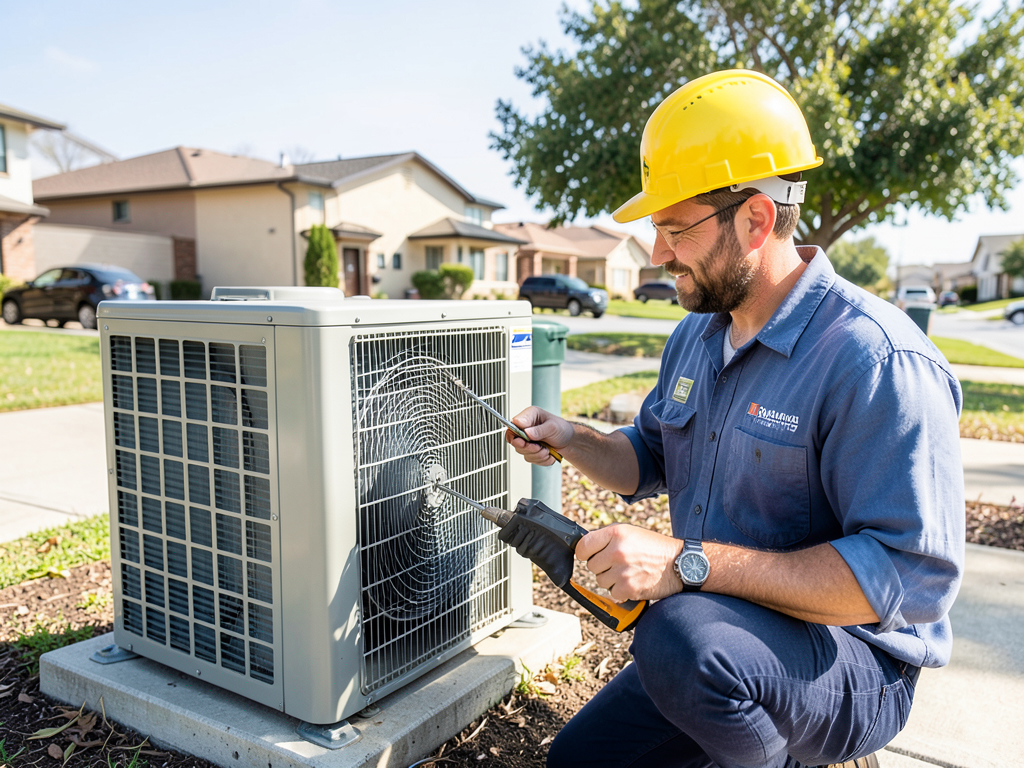
Diagram showing how Santa Ana winds accelerate through mountain passes and affect Rancho Penasquitos specifically. Illustrates wind speed increases and debris travel patterns.
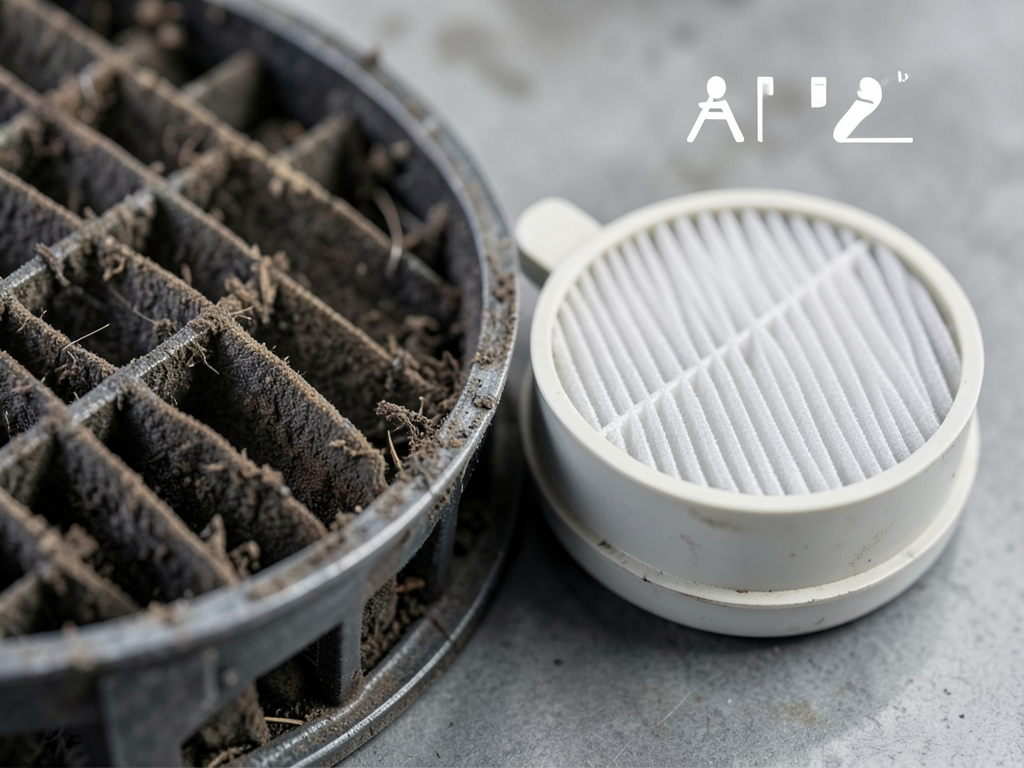
Close-up photo of a clogged AC filter after one week of Santa Ana winds, showing the fine dust accumulation that standard filters cannot handle.
Technician cleaning condenser coils with proper technique, demonstrating the correct water pressure and cleaning pattern to avoid damaging delicate fins.
Don’t wait for your AC to fail during the next Santa Ana wind event. Call (619) 304-5777 today to schedule your wind protection inspection. Our technicians understand the unique challenges Rancho Penasquitos homeowners face and can help you avoid costly emergency repairs. Pick up the phone and call (619) 304-5777 before the next wind event hits.
EPA Section 608 Certification Information
San Diego Air Pollution Control District
California Title 24 Energy Standards
{
“@context”: “https://schema.org”,
“@type”: “BlogPosting”,
“headline”: “How Santa Ana Winds Can Secretly Damage Your Rancho Penasquitos AC System”,
“description”: “Santa Ana winds bring dust and heat that silently damage Rancho Penasquitos AC units. Learn how to protect your system with local HVAC maintenance tips.”,
“wordCount”: 2199,
“datePublished”: “2026-04-30T06:37:00.000Z”,
“dateModified”: “2026-04-30T06:37:00.000Z”,
“inLanguage”: “en-US”,
“mainEntityOfPage”: {
“@type”: “WebPage”,
“@id”: “https://elitehvacsandiego.com”
},
“publisher”: {
“@type”: “LocalBusiness”,
“name”: “Elite HVAC San Diego”,
“url”: “https://elitehvacsandiego.com”
},
“author”: {
“@type”: “Organization”,
“name”: “Elite HVAC San Diego”,
“url”: “https://elitehvacsandiego.com”
},
“image”: {
“@type”: “ImageObject”,
“url”: “https://elitehvacsandiego.com/wp-content/uploads/2026/03/how-santa-ana-winds-can-secretly-damage-your-ranch-1.png”
}
}
{
“@context”: “https://schema.org”,
“@type”: “HVACBusiness”,
“name”: “Elite HVAC San Diego”,
“url”: “https://elitehvacsandiego.com”,
“address”: {
“@type”: “PostalAddress”,
“addressLocality”: “San Diego”
},
“areaServed”: {
“@type”: “City”,
“name”: “San Diego”
}
}
{
“@context”: “https://schema.org”,
“@type”: “FAQPage”,
“mainEntity”: [
{
“@type”: “Question”,
“name”: “How often should I check my AC filter during Santa Ana winds?”,
“acceptedAnswer”: {
“@type”: “Answer”,
“text”: “Check your filter every three days during active Santa Ana conditions. Replace it immediately if you see visible dirt buildup or if the filter appears discolored. Standard filters may need replacement every one to two weeks during severe wind events.”
}
},
{
“@type”: “Question”,
“name”: “Can Santa Ana winds cause my AC to freeze up?”,
“acceptedAnswer”: {
“@type”: “Answer”,
“text”: “Yes. Restricted airflow from dirty filters or blocked coils can cause the evaporator coil to freeze. When this happens, ice forms on the refrigerant lines. Turn off your system and call for service if you notice ice buildup or if your AC runs constantly without cooling.”
}
},
{
“@type”: “Question”,
“name”: “Should I cover my outdoor AC unit during Santa Ana winds?”,
“acceptedAnswer”: {
“@type”: “Answer”,
“text”: “Do not cover your unit with solid materials. Covers trap moisture and can cause rust. Instead, use a mesh or breathable cover designed for outdoor units. Remove the cover when winds subside to prevent condensation buildup.”
}
},
{
“@type”: “Question”,
“name”: “How do I know if my AC has been damaged by wind-blown debris?”,
“acceptedAnswer”: {
“@type”: “Answer”,
“text”: “Signs include unusual noises like rattling or grinding, reduced cooling capacity, longer run times, or burning smells. If your system seems to be working harder than usual or if you notice new sounds, have a professional inspect it for debris-related damage.”
}
},
{
“@type”: “Question”,
“name”: “Are there specific AC models better suited for Santa Ana wind areas?”,
“acceptedAnswer”: {
“@type”: “Answer”,
“text”: “Look for units with corrosion-resistant coatings, reinforced coil guards, and variable-speed motors. High-efficiency models with smart controls often handle extreme conditions better. Ask your HVAC contractor about wind-rated equipment designed for desert and coastal transition zones.”
}
}
]
}
{
“@context”: “https://schema.org”,
“@type”: “HowTo”,
“name”: “Essential AC Maintenance During Santa Ana Winds”,
“step”: [
{
“@type”: “HowToStep”,
“position”: 1,
“name”: “Check and Replace Air Filters”,
“text”: “Standard MERV 8 filters clog within 72 hours during heavy wind events. Upgrade to MERV 11 or 13 for better dust capture. Check filters every three days during Santa Ana conditions. Replace immediately if you see visible dirt buildup.”
},
{
“@type”: “HowToStep”,
“position”: 2,
“name”: “Clean Condenser Coils”,
“text”: “Turn off power at the breaker. Remove the top grille. Use a garden hose with gentle spray to rinse debris from coils. Do not use pressure washers. They can bend delicate fins. Clear a two-foot radius around the unit of plants and debris.”
},
{
“@type”: “HowToStep”,
“position”: 3,
“name”: “Inspect Electrical Components”,
“text”: “Look for signs of dust accumulation on the control board. Check capacitor tops for bulging or rust. Listen for humming or clicking sounds that indicate electrical stress. These symptoms often appear within 24 hours of heavy wind exposure.”
},
{
“@type”: “HowToStep”,
“position”: 4,
“name”: “Clear Drainage Paths”,
“text”: “Check the condensate drain line for blockages. Wind-blown debris can enter through the vent pipe. Pour a cup of white vinegar through the line to prevent algae growth. Proper drainage prevents water damage and mold growth inside your system.”
},
{
“@type”: “HowToStep”,
“position”: 5,
“name”: “Monitor System Performance”,
“text”: “Track indoor temperature versus thermostat setting. A difference greater than three degrees indicates airflow problems. Listen for new noises like rattling or grinding. These sounds often mean debris is interfering with fan blades or motor bearings.”
}
],
“image”: “https://elitehvacsandiego.com/wp-content/uploads/2026/03/how-santa-ana-winds-can-secretly-damage-your-ranch-1.png”
}
{
“@context”: “https://schema.org”,
“@type”: “BreadcrumbList”,
“itemListElement”: [
{
“@type”: “ListItem”,
“position”: 1,
“name”: “Home”,
“item”: “https://elitehvacsandiego.com”
},
{
“@type”: “ListItem”,
“position”: 2,
“name”: “Blog”,
“item”: “https://elitehvacsandiego.com/blog”
},
{
“@type”: “ListItem”,
“position”: 3,
“name”: “How Santa Ana Winds Can Secretly Damage Your Rancho Penasquitos AC System”
}
]
}
{
“@context”: “https://schema.org”,
“@type”: “Service”,
“serviceType”: “HVAC”,
“provider”: {
“@type”: “LocalBusiness”,
“name”: “Elite HVAC San Diego”,
“url”: “https://elitehvacsandiego.com”
},
“areaServed”: {
“@type”: “City”,
“name”: “San Diego”
},
“description”: “Santa Ana winds bring dust and heat that silently damage Rancho Penasquitos AC units. Learn how to protect your system with local HVAC maintenance tips.”
}