
The Unique Cooling Challenges of South Park’s Historic Bungalows
South Park’s charming historic bungalows built in the early 1900s face a modern problem that their original designers never anticipated. These beautiful homes with their thick plaster walls and original wood windows struggle to stay cool during San Diego’s increasingly hot summers. The problem isn’t just about comfort—it’s about preserving architectural integrity while meeting modern cooling needs. San Diego Historical Resources Board.
Traditional window air conditioning units create multiple problems for these historic structures. The units themselves are bulky eyesores that destroy the clean lines of original window frames. More seriously, they require cutting into original wood sashes, creating permanent damage that cannot be reversed. The weight of these units also stresses old window frames that were never designed to support them.
Beyond aesthetics, window units are notoriously inefficient in South Park’s climate. The units leak air around the edges, allowing humid coastal air to infiltrate and forcing the system to work harder. This creates a vicious cycle where higher energy bills and poor cooling performance become the norm.
The good news is that modern cooling technology offers solutions that preserve your bungalow’s historic character while delivering superior comfort. Let’s explore why traditional window units are failing and what actually works in South Park’s unique environment.
Why Window Units Can’t Keep Up with South Park’s Cooling Demands
South Park’s historic bungalows were built before air conditioning existed, relying on passive cooling through high ceilings, cross-ventilation, and strategic window placement. These design features work well for mild weather but fail during heat waves when temperatures climb above 85 degrees.
Window units struggle for several technical reasons. First, they’re designed for single-room cooling, but South Park homes often need whole-house comfort. Second, the units’ efficiency drops dramatically when outdoor temperatures exceed their optimal range—exactly when you need them most.
The noise problem is another major issue. Window units create a constant hum that disrupts the peaceful atmosphere of these historic neighborhoods. Many South Park homeowners report having to turn up their TVs just to hear over the air conditioner.
Moisture management presents another challenge. Window units often create condensation that drips onto window sills and walls, potentially causing water damage to original wood trim and plaster. This moisture also attracts pests and can lead to mold growth in the humid coastal air.
Modern Cooling Solutions That Preserve Historic Charm
Today’s cooling technology offers several options that work beautifully with South Park’s historic architecture. These solutions provide superior comfort while maintaining the visual integrity of your bungalow.
Ductless Mini-Split Systems: The Preservation-Friendly Choice
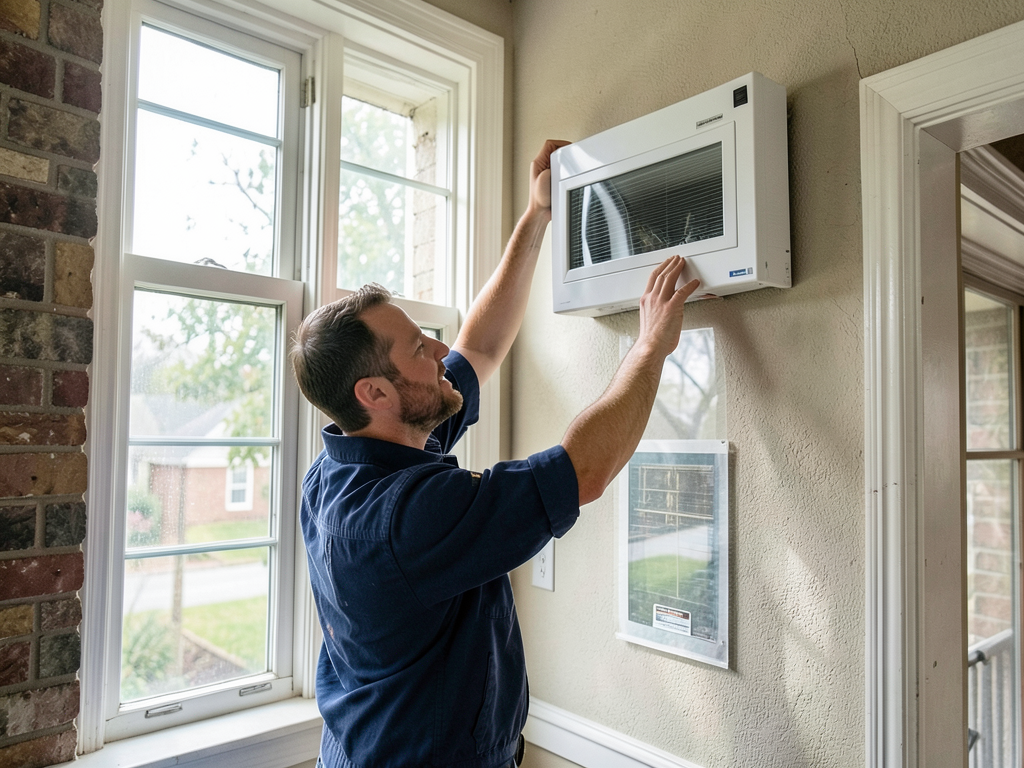
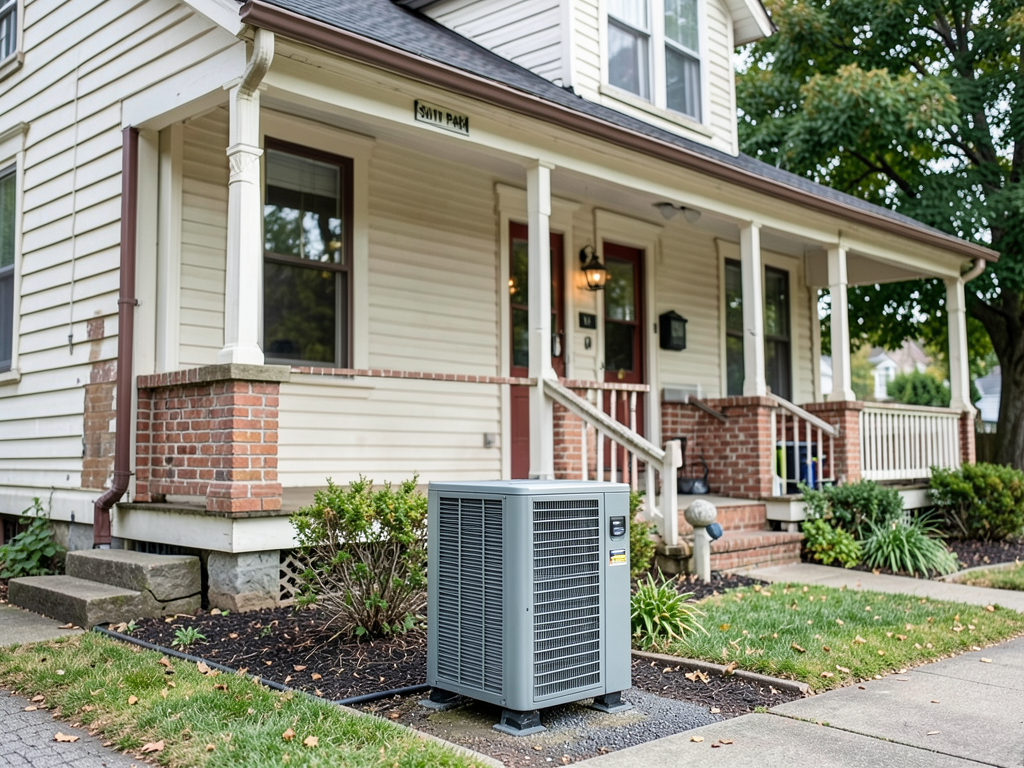
Ductless mini-split systems have become the go-to solution for historic home cooling in South Park. These systems consist of an outdoor compressor unit connected to one or more indoor air handlers through small refrigerant lines that require only a three-inch hole in an exterior wall. Ductless Mini-Split Installation for Coastal La Jolla Homes.
The indoor units are sleek and modern, mounting high on walls where they’re barely noticeable. Some models even offer ceiling-mounted options that completely disappear into the ceiling plane. The outdoor units can be placed on the ground or mounted on brackets, keeping them out of sight from the street.
Installation is minimally invasive. Unlike window units that damage window frames, mini-splits preserve all original architectural elements. The small wall penetration can be sealed and painted to match existing finishes, making it virtually invisible.
High-Velocity Systems: Cooling Through Existing Cavities
High-velocity HVAC systems offer another excellent option for South Park bungalows. These systems use small, flexible ducts that can be routed through existing wall cavities, floor joists, and attic spaces without major demolition. Zone Control Systems.
The key advantage is the small supply vents—typically just two inches in diameter—that can be installed in inconspicuous locations. These vents deliver high-velocity air that creates a gentle circulation pattern throughout the room, eliminating hot spots without disrupting the room’s aesthetics.
High-velocity systems also provide excellent humidity control, which is crucial in South Park’s coastal environment. The rapid air movement helps remove moisture from the air, creating a more comfortable environment at higher temperatures. Humidity Issues Indoors.
Geothermal Heat Pump Systems: The Premium Solution
For homeowners willing to invest in the ultimate cooling solution, geothermal heat pump systems offer unmatched efficiency and comfort. These systems use the stable temperature of the earth to provide cooling in summer and heating in winter.
The main challenge with geothermal in South Park is the space required for the ground loop system. However, vertical loop installations can work in smaller lots, and the long-term energy savings often justify the higher upfront cost.
Geothermal systems operate so quietly that you’ll never know they’re running. They also provide excellent humidity control and can be zoned to cool different areas of your home independently. The Best Quiet Air Conditioners for Hillcrest Apartments and Condos.
Preserving Architectural Integrity During Installation
Installing modern cooling systems in historic homes requires special care and expertise. The goal is to provide modern comfort while preserving every original architectural detail.
Working with plaster walls requires special techniques. Traditional cutting methods can cause extensive cracking in old plaster. Instead, professionals use specialized tools that create clean, controlled openings that can be easily repaired if needed.
Electrical upgrades present another consideration. Many South Park bungalows have original knob-and-tube wiring that cannot support modern cooling equipment. A careful electrical assessment is essential before installation begins.
Permitting through the San Diego Historical Resources Board adds another layer of complexity. Any exterior modifications require approval, and even interior changes may need review if they affect visible elements from the street.
Understanding San Diego’s Energy Efficiency Requirements
California’s Title 24 energy standards affect every cooling installation in South Park. These requirements ensure that new systems meet minimum efficiency levels and don’t waste energy. California Title 24 Energy Standards.
SEER2 ratings (Seasonal Energy Efficiency Ratio) have replaced the older SEER ratings, requiring higher efficiency levels for all new installations. In South Park’s climate, a SEER2 rating of 16 or higher is typically recommended for optimal performance and energy savings.
HERS testing (Home Energy Rating System) may be required for new installations, especially if you’re adding ductwork or making significant changes to your home’s envelope. This testing ensures your system meets California’s strict energy efficiency standards.
Cost vs. Value: Making the Right Investment
Understanding the true cost of cooling solutions helps you make an informed decision. While window units seem inexpensive upfront, their total cost of ownership often exceeds that of modern systems.
| System Type | Initial Cost | Annual Operating Cost | Lifespan | Historic Preservation Impact |
|---|---|---|---|---|
| Window Units | $300-800 per unit | $200-400 per unit | 5-7 years | High damage risk |
| Ductless Mini-Split | $3,500-7,000 | $150-300 annually | 15-20 years | Minimal impact |
| High-Velocity | $8,000-15,000 | 20-25 years | Very low impact | |
| Geothermal | $20,000-40,000 | $80-150 annually | 25+ years | No visible impact |
The long-term value proposition becomes clear when you consider energy savings, comfort levels, and the preservation of your home’s historic character. Modern systems typically pay for themselves through lower energy bills within 5-7 years.
South Park’s Specific Climate Considerations
South Park’s location creates unique cooling challenges that generic HVAC solutions don’t address. The neighborhood’s proximity to downtown and its elevation create a microclimate that differs from nearby coastal areas.
During Santa Ana wind events, temperatures can spike dramatically, putting stress on cooling systems. The dry, dusty conditions also mean air filters need more frequent replacement to maintain efficiency.
South Park’s tree canopy, while beautiful, can block airflow around outdoor units if not properly positioned. Strategic placement is essential for optimal system performance.
Navigating the Historical Resources Board Process
Any exterior modifications to South Park’s historic homes require approval from the San Diego Historical Resources Board. This process can seem daunting, but understanding the requirements helps ensure a smooth approval.
The key is demonstrating that your proposed cooling solution maintains the home’s historic character. This means providing detailed drawings showing how equipment will be positioned and how any penetrations will be minimized.
Professional HVAC contractors familiar with South Park’s historic district can guide you through this process, often having existing relationships with board members and understanding what types of proposals receive approval.
Maintenance Considerations for Historic Home Cooling
Modern cooling systems require regular maintenance to perform optimally, especially in South Park’s coastal environment where salt air can accelerate corrosion.
Annual professional maintenance should include coil cleaning, refrigerant level checks, and inspection of all electrical connections. The coastal environment means these systems often need more frequent service than inland installations.
Homeowners should also establish a regular filter replacement schedule. Dirty filters reduce efficiency and can strain the system, leading to premature failure.
The Future of Cooling in Historic Neighborhoods
As climate change continues to affect San Diego’s weather patterns, cooling needs in South Park will likely increase. This makes investing in efficient, preservation-friendly systems even more important.
Emerging technologies like smart thermostats and zoned cooling systems offer even greater efficiency and comfort. These systems can learn your patterns and adjust automatically, providing optimal comfort while minimizing energy use.
Making the Right Choice for Your Bungalow
Choosing the right cooling solution for your South Park bungalow depends on several factors: your budget, the extent of cooling needed, your home’s specific architectural features, and your long-term plans for the property.
Professional assessment is crucial. An experienced HVAC contractor can evaluate your home’s unique characteristics and recommend solutions that balance comfort, efficiency, and historic preservation.
Frequently Asked Questions
Will a mini-split system damage my historic windows?
No. Mini-split systems require only a small three-inch hole for the refrigerant lines, which can be sealed and painted to match your home’s exterior. The indoor units mount on walls without any structural modifications to windows or doors.
How long does installation typically take?
Most mini-split installations in South Park bungalows can be completed in one to two days. High-velocity systems may take three to five days depending on the complexity of routing the small ducts through existing wall cavities.
Are there any tax incentives for energy-efficient cooling systems?
Yes. California offers various rebates and tax credits for high-efficiency cooling systems. Additionally, the federal government provides tax credits for geothermal heat pump installations. Your HVAC contractor can help you identify current incentives.
Can I install the system myself to save money?
We strongly recommend against DIY installation for historic homes. Professional installation ensures proper sizing, optimal efficiency, and compliance with local building codes and Historical Resources Board requirements. Improper installation can lead to system failure and potential damage to your historic home.
How do I know what size system I need?
Proper sizing requires a professional load calculation that considers your home’s square footage, insulation levels, window orientation, and South Park’s specific climate factors. Oversized systems short-cycle and waste energy, while undersized systems can’t maintain comfortable temperatures.
Will the Historical Resources Board approve any cooling system?
The board evaluates each proposal individually, but they generally approve systems that maintain the home’s historic character. Mini-splits and high-velocity systems have high approval rates because they’re minimally invasive and preserve original architectural features.
What maintenance do these systems require?
Modern cooling systems typically need annual professional maintenance and regular filter changes. In South Park’s coastal environment, you might need more frequent service to address salt air corrosion and ensure optimal performance.
How much will my energy bills decrease?
Most homeowners see 30-50% reductions in cooling costs when upgrading from window units to modern high-efficiency systems. The exact savings depend on your home’s characteristics and usage patterns.
Can these systems provide heating as well?
Yes. Many modern cooling systems, particularly mini-splits and heat pumps, provide both cooling and heating. This can eliminate the need for separate heating systems, further preserving your home’s historic character.
What’s the typical return on investment timeframe?
Most homeowners recover their investment through energy savings within 5-7 years. However, the added comfort, preserved historic character, and increased home value often make the investment worthwhile even sooner.
Ready to Upgrade Your South Park Bungalow’s Cooling?
Don’t let another hot summer damage your historic home with inefficient window units. Modern cooling solutions can provide the comfort you need while preserving the architectural beauty that makes South Park special.
Call (619) 304-5777 today to schedule your free consultation. Our experts understand South Park’s unique historic preservation requirements and can recommend the perfect cooling solution for your bungalow.
Pick up the phone and call (619) 304-5777 before the next heat wave hits. Your home deserves better than struggling window units, and you deserve the comfort of a properly cooled historic home.
{
“@context”: “https://schema.org”,
“@type”: “BlogPosting”,
“headline”: “Why Traditional Window Units Are Failing South Park’s Historic Bungalows”,
“description”: “Window AC units are damaging South Park’s historic bungalows. Learn why modern cooling solutions protect your home’s charm while delivering comfort.”,
“wordCount”: 2084,
“datePublished”: “2026-04-25T12:53:00.000Z”,
“dateModified”: “2026-04-25T12:53:00.000Z”,
“inLanguage”: “en-US”,
“mainEntityOfPage”: {
“@type”: “WebPage”,
“@id”: “https://elitehvacsandiego.com”
},
“publisher”: {
“@type”: “LocalBusiness”,
“name”: “Elite HVAC San Diego”,
“url”: “https://elitehvacsandiego.com”
},
“author”: {
“@type”: “Organization”,
“name”: “Elite HVAC San Diego”,
“url”: “https://elitehvacsandiego.com”
},
“image”: {
“@type”: “ImageObject”,
“url”: “https://elitehvacsandiego.com/wp-content/uploads/2026/03/why-traditional-window-units-are-failing-south-par-1.png”
}
}
{
“@context”: “https://schema.org”,
“@type”: “HVACBusiness”,
“name”: “Elite HVAC San Diego”,
“url”: “https://elitehvacsandiego.com”,
“address”: {
“@type”: “PostalAddress”,
“addressLocality”: “San Diego”
},
“areaServed”: {
“@type”: “City”,
“name”: “San Diego”
}
}
{
“@context”: “https://schema.org”,
“@type”: “FAQPage”,
“mainEntity”: [
{
“@type”: “Question”,
“name”: “Will a mini-split system damage my historic windows?”,
“acceptedAnswer”: {
“@type”: “Answer”,
“text”: “No. Mini-split systems require only a small three-inch hole for the refrigerant lines, which can be sealed and painted to match your home’s exterior. The indoor units mount on walls without any structural modifications to windows or doors.”
}
},
{
“@type”: “Question”,
“name”: “How long does installation typically take?”,
“acceptedAnswer”: {
“@type”: “Answer”,
“text”: “Most mini-split installations in South Park bungalows can be completed in one to two days. High-velocity systems may take three to five days depending on the complexity of routing the small ducts through existing wall cavities.”
}
},
{
“@type”: “Question”,
“name”: “Are there any tax incentives for energy-efficient cooling systems?”,
“acceptedAnswer”: {
“@type”: “Answer”,
“text”: “Yes. California offers various rebates and tax credits for high-efficiency cooling systems. Additionally, the federal government provides tax credits for geothermal heat pump installations. Your HVAC contractor can help you identify current incentives.”
}
},
{
“@type”: “Question”,
“name”: “Can I install the system myself to save money?”,
“acceptedAnswer”: {
“@type”: “Answer”,
“text”: “We strongly recommend against DIY installation for historic homes. Professional installation ensures proper sizing, optimal efficiency, and compliance with local building codes and Historical Resources Board requirements. Improper installation can lead to system failure and potential damage to your historic home.”
}
},
{
“@type”: “Question”,
“name”: “How do I know what size system I need?”,
“acceptedAnswer”: {
“@type”: “Answer”,
“text”: “Proper sizing requires a professional load calculation that considers your home’s square footage, insulation levels, window orientation, and South Park’s specific climate factors. Oversized systems short-cycle and waste energy, while undersized systems can’t maintain comfortable temperatures.”
}
},
{
“@type”: “Question”,
“name”: “Will the Historical Resources Board approve any cooling system?”,
“acceptedAnswer”: {
“@type”: “Answer”,
“text”: “The board evaluates each proposal individually, but they generally approve systems that maintain the home’s historic character. Mini-splits and high-velocity systems have high approval rates because they’re minimally invasive and preserve original architectural features.”
}
},
{
“@type”: “Question”,
“name”: “What maintenance do these systems require?”,
“acceptedAnswer”: {
“@type”: “Answer”,
“text”: “Modern cooling systems typically need annual professional maintenance and regular filter changes. In South Park’s coastal environment, you might need more frequent service to address salt air corrosion and ensure optimal performance.”
}
},
{
“@type”: “Question”,
“name”: “How much will my energy bills decrease?”,
“acceptedAnswer”: {
“@type”: “Answer”,
“text”: “Most homeowners see 30-50% reductions in cooling costs when upgrading from window units to modern high-efficiency systems. The exact savings depend on your home’s characteristics and usage patterns.”
}
},
{
“@type”: “Question”,
“name”: “Can these systems provide heating as well?”,
“acceptedAnswer”: {
“@type”: “Answer”,
“text”: “Yes. Many modern cooling systems, particularly mini-splits and heat pumps, provide both cooling and heating. This can eliminate the need for separate heating systems, further preserving your home’s historic character.”
}
},
{
“@type”: “Question”,
“name”: “What’s the typical return on investment timeframe?”,
“acceptedAnswer”: {
“@type”: “Answer”,
“text”: “Most homeowners recover their investment through energy savings within 5-7 years. However, the added comfort, preserved historic character, and increased home value often make the investment worthwhile even sooner.”
}
},
{
“@type”: “Question”,
“name”: “Ready to Upgrade Your South Park Bungalow’s Cooling?”,
“acceptedAnswer”: {
“@type”: “Answer”,
“text”: “Don’t let another hot summer damage your historic home with inefficient window units. Modern cooling solutions can provide the comfort you need while preserving the architectural beauty that makes South Park special.”
}
}
]
}
{
“@context”: “https://schema.org”,
“@type”: “BreadcrumbList”,
“itemListElement”: [
{
“@type”: “ListItem”,
“position”: 1,
“name”: “Home”,
“item”: “https://elitehvacsandiego.com”
},
{
“@type”: “ListItem”,
“position”: 2,
“name”: “Blog”,
“item”: “https://elitehvacsandiego.com/blog”
},
{
“@type”: “ListItem”,
“position”: 3,
“name”: “Why Traditional Window Units Are Failing South Park’s Historic Bungalows”
}
]
}
{
“@context”: “https://schema.org”,
“@type”: “Service”,
“serviceType”: “HVAC”,
“provider”: {
“@type”: “LocalBusiness”,
“name”: “Elite HVAC San Diego”,
“url”: “https://elitehvacsandiego.com”
},
“areaServed”: {
“@type”: “City”,
“name”: “San Diego”
},
“description”: “Window AC units are damaging South Park’s historic bungalows. Learn why modern cooling solutions protect your home’s charm while delivering comfort.”
}