
How to Add AC to Point Loma Historic Homes Without Ruining the Walls
Adding air conditioning to Point Loma historic homes requires specialized expertise to preserve architectural integrity while delivering modern comfort. These 1920s-1940s Spanish Colonial Revival and Craftsman homes feature lath and plaster walls that cannot be damaged during installation. The unique coastal climate of Point Loma demands HVAC systems that resist salt-air corrosion while maintaining the home’s original character. Zone Control Systems.
Point Loma homeowners face specific challenges when retrofitting AC systems. Many properties lack crawl spaces or attics for traditional ductwork installation. The thick plaster walls common in Spanish Colonial Revival architecture make drilling and cutting extremely difficult without causing structural damage. Additionally, the Mills Act historic preservation guidelines in San Diego County require permits and approvals for any modifications to designated historic properties. San Diego Historical Resources Board.
Professional HVAC contractors serving Point Loma understand these constraints and offer specialized solutions. High-velocity HVAC systems use small 2-inch ducts that can be routed through existing wall cavities without removing plaster. Ductless mini-split systems eliminate the need for ductwork entirely, with only small refrigerant lines requiring wall penetration. Both options preserve the home’s historical value while providing efficient cooling for San Diego’s warm summers and humid coastal conditions. Ductless Mini-Split Installation for Coastal La Jolla Homes.
Understanding Point Loma’s Historic Architecture and AC Challenges
Point Loma’s historic homes were built during San Diego’s early development boom, featuring distinctive architectural styles that present unique HVAC installation challenges. Spanish Colonial Revival homes built between 1915-1940 feature thick stucco exteriors, clay tile roofs, and lath and plaster interior walls that are approximately 3/4-inch thick. These walls cannot be cut or drilled without specialized tools and techniques that prevent cracking or crumbling.
Craftsman-style homes in Point Loma neighborhoods like La Playa and Roseville-Fleetridge often feature balloon-frame construction with minimal wall cavities. The absence of modern building materials means there are no standard stud spacings or predictable wall compositions. Many homes also lack basements or crawl spaces, eliminating traditional routes for routing ductwork.
The coastal location of Point Loma adds another layer of complexity. Salt air accelerates corrosion of metal components, requiring HVAC systems with marine-grade coatings and corrosion-resistant materials. The marine layer brings high humidity levels that affect indoor comfort and require proper dehumidification capabilities in any AC system installation. Humidity Issues Indoors.
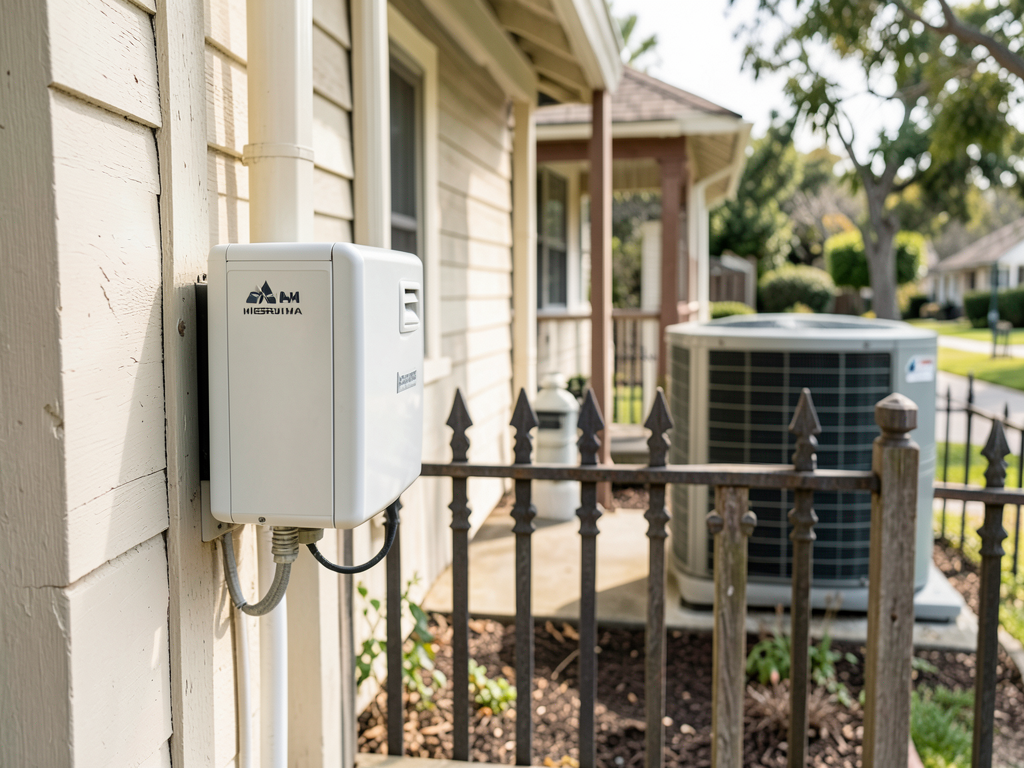
Historical preservation requirements in Point Loma mean that any exterior modifications require approval from the San Diego Historical Resources Board. This includes mounting locations for outdoor condensers, which must be positioned to maintain the home’s historical appearance. Some neighborhoods have specific guidelines about visible equipment placement and color matching requirements.
High-Velocity HVAC Systems for Zero-Ductwork Homes
High-velocity HVAC systems represent the ideal solution for Point Loma historic homes with no existing ductwork. These systems use small 2-inch flexible ducts that can be routed through existing wall cavities, floor joists, and ceiling spaces without removing plaster walls. The Unico System and SpacePak are leading manufacturers offering solutions specifically designed for historic home retrofits. Unico High-Velocity HVAC Systems.
The small ducts in high-velocity systems operate at higher air pressures than traditional HVAC systems. This allows them to deliver the same cooling capacity through much smaller passages. The supply outlets are typically round or rectangular grilles that can be painted to match existing wall or ceiling finishes. Some manufacturers offer custom wood grain finishes that blend seamlessly with historic woodwork.
Installation of high-velocity systems requires specialized training and experience. Technicians must map existing wall cavities using thermal imaging cameras to identify safe routing paths. The flexible ducts can navigate around existing wiring, plumbing, and structural elements without requiring demolition. Sound attenuators are installed to maintain the quiet operation that historic homeowners expect. The Best Quiet Air Conditioners for Hillcrest Apartments and Condos.
High-velocity systems offer superior dehumidification capabilities compared to traditional AC units. This is particularly important in Point Loma’s coastal environment where humidity levels often exceed 70%. The systems remove more moisture per ton of cooling capacity, improving indoor air quality and preventing mold growth in the tight construction of historic homes.

Ductless Mini-Split Systems: The No-Wall-Damage Option
Ductless mini-split systems provide the ultimate solution for adding AC to Point Loma historic homes without damaging walls. These systems consist of an outdoor condenser unit connected to one or more indoor air handlers via small refrigerant lines and control wiring. The only wall penetration required is a 3-inch hole for the refrigerant line set, which can be patched with minimal impact to plaster walls.
Mitsubishi Electric and Daikin are leading manufacturers offering mini-split systems with high efficiency ratings suitable for San Diego’s climate. The indoor units come in various styles including wall-mounted, ceiling cassette, and concealed duct options. For historic homes, ceiling cassette units can be installed in closets or utility spaces with only small grilles visible in living areas.
Modern mini-split systems offer zoning capabilities that address the temperature variations common in historic homes. Each indoor unit can be controlled independently, allowing homeowners to cool only occupied spaces. This zoning capability reduces energy consumption and extends the life of the equipment by preventing unnecessary cycling.
The installation process for mini-splits in historic homes requires careful planning. Technicians must locate the outdoor unit where it will not be visible from the street while maintaining proper clearance for airflow and service access. The indoor units should be positioned to provide even air distribution without interfering with historic architectural features like crown molding or built-in cabinetry.
Navigating Mills Act Requirements and Historic Preservation Permits
Homeowners in Point Loma’s historic districts must navigate the Mills Act and San Diego Historical Resources Board requirements when adding AC systems. The Mills Act provides substantial property tax reductions for owners of designated historic properties, but it also imposes strict guidelines on modifications. Any exterior changes, including HVAC equipment installation, require a Certificate of Appropriateness from the Historical Resources Board.
The permit process typically takes 30-60 days and requires detailed plans showing the proposed installation. These plans must demonstrate that the AC system will not alter the home’s historical character. For high-velocity systems, this means showing how ducts will be routed through existing cavities without creating new openings. For mini-splits, it requires documentation of condenser placement and visual impact assessments.
Professional HVAC contractors familiar with Point Loma’s historic districts understand the documentation requirements. They prepare permit applications that include thermal imaging scans showing existing wall compositions, structural drawings demonstrating safe routing paths, and exterior elevation drawings showing equipment placement. This preparation helps avoid costly redesigns during the approval process.
Some Point Loma neighborhoods have additional restrictions beyond the Mills Act. The La Playa and Roseville-Fleetridge areas have specific guidelines about visible equipment and color matching. Contractors must work with homeowners to select equipment colors that complement existing exterior finishes and position units where they will be least visible from public rights-of-way.
Preserving Lath and Plaster Walls During Retrofitting
Lath and plaster walls require specialized techniques to prevent damage during AC installation. These walls consist of wood lath strips covered with three layers of plaster, creating a monolithic surface that cannot be patched like modern drywall. Any damage to plaster walls in historic homes requires skilled craftsmen for repairs that match the original texture and finish.
Professional HVAC technicians use diagnostic tools to identify safe drilling locations. Stud finders designed for plaster walls use different frequencies than standard models to penetrate the dense plaster surface. Thermal imaging cameras help identify existing wiring and plumbing that must be avoided. Some contractors use endoscopic cameras to inspect wall cavities before making any penetrations.
When wall penetrations are necessary, technicians use specialized drill bits designed for plaster. These bits have carbide tips that cut through plaster without causing the cracking that standard bits create. The drilling process involves slow speeds and constant cooling to prevent heat buildup that could damage the plaster. Pilot holes are drilled at reduced diameters before final sizing.
For high-velocity systems, the small duct penetrations can often be made through existing openings like electrical boxes or plumbing access panels. This eliminates the need for new holes entirely. When new penetrations are unavoidable, technicians use plaster repair kits that include bonding agents to ensure the repair adheres properly to the existing surface. The repaired area is then textured to match the surrounding wall.
Coastal Corrosion Protection for Point Loma HVAC Equipment
Point Loma’s coastal location exposes HVAC equipment to salt air that accelerates corrosion and reduces equipment lifespan. Professional contractors must select equipment with enhanced corrosion protection and implement installation practices that minimize exposure. The marine environment requires specific considerations that inland installations do not face.
Equipment selection for coastal installations should prioritize units with Heresite or e-coat corrosion protection. These electrostatically applied coatings provide superior protection compared to standard paint finishes. The condenser coils should feature copper tubing with aluminum fins that have been treated with anti-corrosion coatings. Some manufacturers offer coastal-grade units with stainless steel components for maximum durability.
Installation practices significantly impact equipment longevity in coastal environments. Condenser units should be elevated at least 6 inches above grade to prevent water accumulation and salt spray exposure. The units should be positioned to receive afternoon shade, which reduces operating temperatures and extends component life. Protective screens can be installed to shield units from prevailing winds while maintaining proper airflow.
Maintenance requirements increase for coastal HVAC systems. Annual cleaning of condenser coils removes salt deposits that reduce efficiency and accelerate corrosion. Technicians should inspect electrical connections for corrosion and apply dielectric grease to prevent future oxidation. The condensate drain lines require special attention as salt buildup can cause blockages that lead to water damage.
Energy Efficiency Upgrades for Historic Point Loma Homes
Historic Point Loma homes often lack modern insulation and energy-efficient windows, making AC system selection crucial for controlling energy costs. Professional HVAC contractors evaluate the home’s thermal envelope before recommending system sizes and configurations. Oversized systems waste energy and create humidity control problems in the tight construction of historic homes.
Many Point Loma historic homes feature single-pane windows that allow significant heat transfer. While replacing these windows with modern units would improve efficiency, it may not be approved under historic preservation guidelines. Alternative solutions include applying low-emissivity window films that reduce solar heat gain while maintaining the appearance of original glass.
Attic insulation in historic homes is often minimal or absent entirely. Adding blown-in cellulose insulation can improve cooling efficiency without altering visible interior or exterior features. The insulation should be installed to achieve R-30 or higher in attics and R-19 in walls where accessible. Proper attic ventilation prevents heat buildup that would otherwise increase cooling loads.
Smart thermostats provide significant energy savings for historic home owners. These devices learn occupancy patterns and adjust temperatures automatically, reducing energy consumption when the home is unoccupied. Many smart thermostats offer remote control via smartphone apps, allowing homeowners to adjust settings when unexpected weather changes occur in San Diego’s variable coastal climate.
Case Studies: Successful AC Installations in Point Loma Historic Homes
A 1925 Spanish Colonial Revival home in La Playa required AC installation without damaging the original plaster walls or altering the exterior appearance. The solution involved a high-velocity Unico system with ducts routed through existing wall cavities between studs. The outdoor condenser was positioned behind a decorative fence that matched the home’s architecture. The system provides even cooling throughout the 2,400-square-foot home while maintaining the historical character.
A Craftsman-style home in Roseville-Fleetridge presented unique challenges due to the absence of accessible wall cavities. The installation used a Mitsubishi multi-zone mini-split system with ceiling cassette units concealed in closets. The outdoor units were mounted on vibration-isolating pads to prevent noise transmission to the wood-frame structure. The system provides independent temperature control for each floor while preserving the home’s original woodwork and built-in features.
A 1930 Tudor Revival home in the Wooded Area required a solution that would not damage the thick plaster walls or interfere with the elaborate crown molding. The installation used a SpacePak high-velocity system with custom wood grain grilles that matched the existing trim. The outdoor condenser was positioned in a side yard behind existing landscaping to maintain the home’s curb appeal. The system provides quiet, efficient cooling while preserving all historical architectural details.
These case studies demonstrate that professional HVAC contractors can successfully install modern cooling systems in historic homes without compromising architectural integrity. The key factors include proper system selection, careful routing of equipment, and attention to preservation requirements throughout the installation process.
Cost Factors and Investment Considerations
Adding AC to a Point Loma historic home typically costs 30-50% more than installing the same system in a modern home. The premium reflects the specialized labor, custom materials, and permit requirements associated with historic preservation. High-velocity systems range from $12,000 to $20,000 for average-sized homes, while multi-zone mini-split systems cost $8,000 to $15,000.
The higher costs are offset by several factors. High-velocity systems operate at 30% higher efficiency than traditional ductwork, reducing monthly energy costs. Mini-split systems allow zoning that prevents cooling unoccupied spaces. Both system types use advanced filtration that improves indoor air quality, a significant benefit in older homes that may have accumulated dust and allergens over decades.
Energy efficiency rebates from SDG&E can offset some installation costs. High-efficiency systems with SEER2 ratings above 18 may qualify for rebates of $300 to $500. Some homeowners also qualify for federal tax credits of up to 30% for geothermal heat pump installations, though these systems require sufficient land area for the ground loops.
The investment in professional installation protects the home’s value. Historic homes in Point Loma command premium prices, and maintaining the original character while adding modern amenities increases marketability. Buyers specifically seek homes that combine historical charm with contemporary comfort systems, making the AC installation a valuable improvement rather than just a utility upgrade.
Maintenance Requirements for Coastal Historic Home HVAC Systems
HVAC systems in Point Loma historic homes require specialized maintenance to ensure longevity and performance. The coastal environment accelerates wear on components, while the unique construction of historic homes creates specific maintenance challenges. Professional maintenance contracts should include services tailored to these conditions.
Annual maintenance should include thorough cleaning of all system components. Condenser coils require cleaning with specialized solutions that remove salt deposits without damaging protective coatings. The condensate drain lines should be flushed with vinegar solutions to prevent algae growth and mineral buildup. Air filters should be replaced quarterly due to the higher dust levels common in older homes.
Indoor units in mini-split systems require cleaning of the blower wheels and evaporator coils to maintain efficiency. The line sets should be inspected annually for signs of corrosion or refrigerant leaks. High-velocity systems require inspection of the small ducts for obstructions and cleaning of the sound attenuators to maintain quiet operation.
The unique construction of historic homes creates specific maintenance access challenges. Technicians must be prepared to work in tight attic spaces and navigate around original architectural features. Some maintenance tasks may require temporary removal of access panels that were installed during the original installation. Professional contractors maintain detailed documentation of these access points for future service calls.
Choosing the Right HVAC Contractor for Your Historic Home
Selecting a qualified HVAC contractor for Point Loma historic homes requires careful evaluation of experience and expertise. Not all contractors have the specialized knowledge required for these unique installations. The right contractor will have specific experience with historic preservation, coastal installations, and the various system options available.
Verify contractor credentials including California contractor license, EPA certification for refrigerant handling, and specific training from manufacturers of high-velocity and mini-split systems. Ask for references from other historic home owners in Point Loma and request to see examples of similar installations. The contractor should be familiar with the Mills Act process and have experience preparing permit applications for the Historical Resources Board.
Professional contractors should provide detailed proposals that include system sizing calculations, equipment specifications, and installation timelines. The proposal should address how the system will be integrated with the home’s existing electrical service, which may require upgrades in older homes. The contractor should also explain the warranty coverage and maintenance requirements for the specific equipment being installed.
Communication throughout the project is essential for historic home installations. The contractor should provide regular updates on progress and any issues discovered during installation. They should be responsive to homeowner concerns about preserving architectural details and willing to adjust installation methods to accommodate specific preservation requirements.
Frequently Asked Questions
Will installing AC damage my historic plaster walls?
Professional installation using high-velocity or mini-split systems can add AC without damaging plaster walls. High-velocity systems use small 2-inch ducts routed through existing cavities, while mini-splits require only a 3-inch hole for refrigerant lines. Both methods preserve the integrity of your historic walls.
How long does it take to get permits for AC installation in Point Loma historic homes?
Permit approval typically takes 30-60 days for historic properties in Point Loma. The process requires detailed plans showing how the installation will preserve the home’s historical character. Professional contractors familiar with local requirements can prepare complete applications to minimize delays.
Are high-velocity HVAC systems more expensive than traditional systems?
High-velocity systems cost 30-50% more than traditional HVAC installations due to specialized equipment and labor requirements. However, they offer 30% higher efficiency and preserve your home’s historical integrity. The energy savings and preserved home value often offset the higher initial investment.
Can I install the outdoor condenser unit anywhere on my property?
Outdoor unit placement must comply with both building codes and historic preservation guidelines. Units should be positioned to minimize visual impact from the street while maintaining proper clearance for airflow and service access. Some Point Loma neighborhoods have specific requirements about equipment visibility and color matching.
How do I maintain my new AC system in Point Loma’s coastal environment?
Coastal HVAC systems require annual professional maintenance including coil cleaning to remove salt deposits, inspection of electrical connections for corrosion, and cleaning of condensate drain lines. Quarterly air filter replacement is recommended due to higher dust levels in older homes.
- Assess Your Home’s Architecture
Have a professional evaluate your home’s construction, including wall composition, available spaces for equipment, and historical preservation requirements. This assessment determines the best system type for your specific property.
- Choose the Right System Type
Select between high-velocity HVAC systems for whole-house cooling or ductless mini-splits for zoned cooling. High-velocity systems work best when whole-house cooling is needed without visible ductwork. Mini-splits offer flexibility for cooling specific areas.
- Navigate Permit Requirements
Work with a contractor experienced in Mills Act properties to prepare permit applications for the Historical Resources Board. This process ensures your installation meets preservation guidelines while providing modern comfort.
- Plan Equipment Placement
Determine optimal locations for indoor and outdoor units that preserve your home’s appearance while ensuring efficient operation. Consider factors like noise, visibility, and accessibility for future maintenance.
- Schedule Professional Installation
Hire a contractor with specific experience in historic home HVAC installations. Professional installation ensures proper system sizing, careful routing of equipment, and preservation of your home’s architectural integrity.
Adding air conditioning to your Point Loma historic home is possible without compromising its architectural integrity. With the right system selection, professional installation, and proper permits, you can enjoy modern comfort while preserving the character that makes your home special. Call (619) 304-5777 today to schedule your consultation and learn which AC solution is perfect for your historic Point Loma home.
{
“@context”: “https://schema.org”,
“@type”: “BlogPosting”,
“headline”: “How to Add AC to Point Loma Historic Homes Without Ruining the Walls”,
“description”: “Expert HVAC solutions for Point Loma historic homes. Learn how to add AC without damaging plaster walls using ductless mini-splits and high-velocity systems.”,
“wordCount”: 3240,
“datePublished”: “2026-02-18T07:42:00.000Z”,
“dateModified”: “2026-02-18T07:42:00.000Z”,
“inLanguage”: “en-US”,
“mainEntityOfPage”: {
“@type”: “WebPage”,
“@id”: “https://elitehvacsandiego.com”
},
“publisher”: {
“@type”: “LocalBusiness”,
“name”: “Elite HVAC San Diego”,
“url”: “https://elitehvacsandiego.com”
},
“author”: {
“@type”: “Organization”,
“name”: “Elite HVAC San Diego”,
“url”: “https://elitehvacsandiego.com”
},
“image”: {
“@type”: “ImageObject”,
“url”: “https://elitehvacsandiego.com/wp-content/uploads/2026/03/how-to-add-ac-to-point-loma-historic-homes-without-1.png”
}
}
{
“@context”: “https://schema.org”,
“@type”: “HVACBusiness”,
“name”: “Elite HVAC San Diego”,
“url”: “https://elitehvacsandiego.com”,
“address”: {
“@type”: “PostalAddress”,
“addressLocality”: “San Diego”
},
“areaServed”: {
“@type”: “City”,
“name”: “San Diego”
}
}
{
“@context”: “https://schema.org”,
“@type”: “FAQPage”,
“mainEntity”: [
{
“@type”: “Question”,
“name”: “Will installing AC damage my historic plaster walls?”,
“acceptedAnswer”: {
“@type”: “Answer”,
“text”: “Professional installation using high-velocity or mini-split systems can add AC without damaging plaster walls. High-velocity systems use small 2-inch ducts routed through existing cavities, while mini-splits require only a 3-inch hole for refrigerant lines. Both methods preserve the integrity of your historic walls.”
}
},
{
“@type”: “Question”,
“name”: “How long does it take to get permits for AC installation in Point Loma historic homes?”,
“acceptedAnswer”: {
“@type”: “Answer”,
“text”: “Permit approval typically takes 30-60 days for historic properties in Point Loma. The process requires detailed plans showing how the installation will preserve the home’s historical character. Professional contractors familiar with local requirements can prepare complete applications to minimize delays.”
}
},
{
“@type”: “Question”,
“name”: “Are high-velocity HVAC systems more expensive than traditional systems?”,
“acceptedAnswer”: {
“@type”: “Answer”,
“text”: “High-velocity systems cost 30-50% more than traditional HVAC installations due to specialized equipment and labor requirements. However, they offer 30% higher efficiency and preserve your home’s historical integrity. The energy savings and preserved home value often offset the higher initial investment.”
}
},
{
“@type”: “Question”,
“name”: “Can I install the outdoor condenser unit anywhere on my property?”,
“acceptedAnswer”: {
“@type”: “Answer”,
“text”: “Outdoor unit placement must comply with both building codes and historic preservation guidelines. Units should be positioned to minimize visual impact from the street while maintaining proper clearance for airflow and service access. Some Point Loma neighborhoods have specific requirements about equipment visibility and color matching.”
}
},
{
“@type”: “Question”,
“name”: “How do I maintain my new AC system in Point Loma’s coastal environment?”,
“acceptedAnswer”: {
“@type”: “Answer”,
“text”: “Coastal HVAC systems require annual professional maintenance including coil cleaning to remove salt deposits, inspection of electrical connections for corrosion, and cleaning of condensate drain lines. Quarterly air filter replacement is recommended due to higher dust levels in older homes.”
}
}
]
}
{
“@context”: “https://schema.org”,
“@type”: “HowTo”,
“name”: “How to Add AC to Point Loma Historic Homes Without Ruining the Walls”,
“step”: [
{
“@type”: “HowToStep”,
“position”: 1,
“name”: “Assess Your Home’s Architecture”,
“text”: “Have a professional evaluate your home’s construction, including wall composition, available spaces for equipment, and historical preservation requirements. This assessment determines the best system type for your specific property.”
},
{
“@type”: “HowToStep”,
“position”: 2,
“name”: “Choose the Right System Type”,
“text”: “Select between high-velocity HVAC systems for whole-house cooling or ductless mini-splits for zoned cooling. High-velocity systems work best when whole-house cooling is needed without visible ductwork. Mini-splits offer flexibility for cooling specific areas.”
},
{
“@type”: “HowToStep”,
“position”: 3,
“name”: “Navigate Permit Requirements”,
“text”: “Work with a contractor experienced in Mills Act properties to prepare permit applications for the Historical Resources Board. This process ensures your installation meets preservation guidelines while providing modern comfort.”
},
{
“@type”: “HowToStep”,
“position”: 4,
“name”: “Plan Equipment Placement”,
“text”: “Determine optimal locations for indoor and outdoor units that preserve your home’s appearance while ensuring efficient operation. Consider factors like noise, visibility, and accessibility for future maintenance.”
},
{
“@type”: “HowToStep”,
“position”: 5,
“name”: “Schedule Professional Installation”,
“text”: “Hire a contractor with specific experience in historic home HVAC installations. Professional installation ensures proper system sizing, careful routing of equipment, and preservation of your home’s architectural integrity.”
}
],
“image”: “https://elitehvacsandiego.com/wp-content/uploads/2026/03/how-to-add-ac-to-point-loma-historic-homes-without-1.png”
}
{
“@context”: “https://schema.org”,
“@type”: “BreadcrumbList”,
“itemListElement”: [
{
“@type”: “ListItem”,
“position”: 1,
“name”: “Home”,
“item”: “https://elitehvacsandiego.com”
},
{
“@type”: “ListItem”,
“position”: 2,
“name”: “Blog”,
“item”: “https://elitehvacsandiego.com/blog”
},
{
“@type”: “ListItem”,
“position”: 3,
“name”: “How to Add AC to Point Loma Historic Homes Without Ruining the Walls”
}
]
}
{
“@context”: “https://schema.org”,
“@type”: “Service”,
“serviceType”: “HVAC”,
“provider”: {
“@type”: “LocalBusiness”,
“name”: “Elite HVAC San Diego”,
“url”: “https://elitehvacsandiego.com”
},
“areaServed”: {
“@type”: “City”,
“name”: “San Diego”
},
“description”: “Expert HVAC solutions for Point Loma historic homes. Learn how to add AC without damaging plaster walls using ductless mini-splits and high-velocity systems.”
}