
Expert HVAC Maintenance for Business Owners in Downtown San Diego
Downtown San Diego business owners face unique HVAC challenges that demand specialized expertise and rapid response capabilities. From Gaslamp Quarter restaurants to high-rise office buildings along Broadway, commercial heating and cooling systems operate under intense daily demands that residential units simply don’t encounter. The coastal proximity, urban heat island effect, and strict California energy codes create a perfect storm of maintenance requirements that can’t be handled by generic HVAC contractors. California Title 24 Energy Standards.
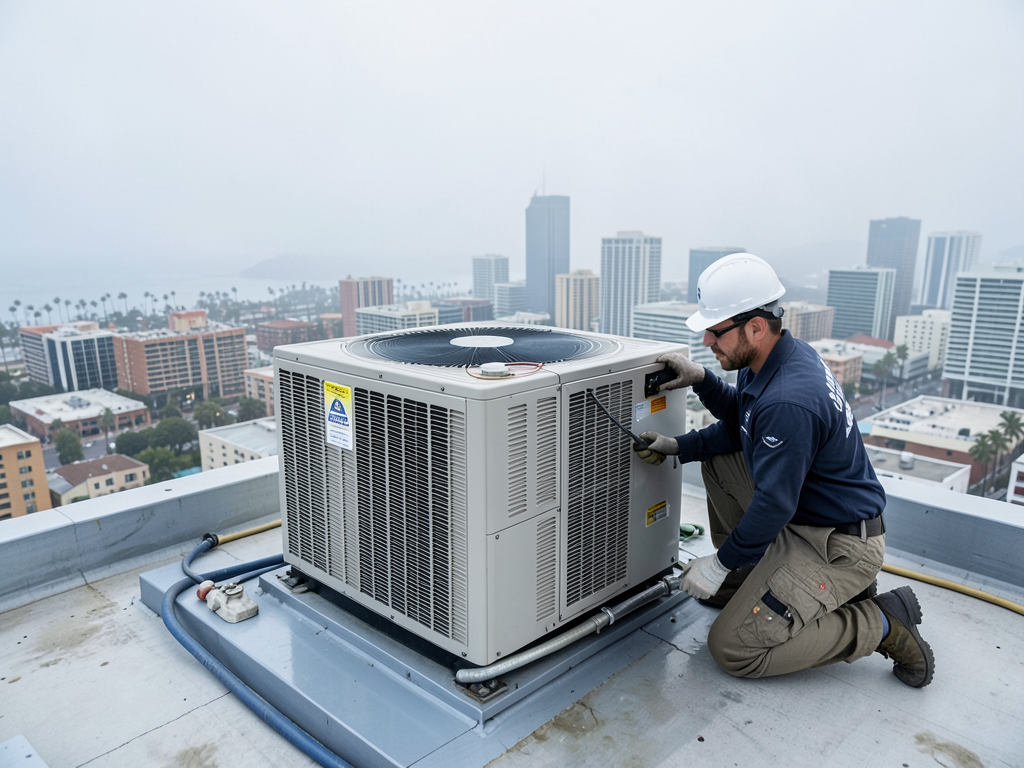
Commercial HVAC systems in downtown San Diego typically include rooftop units (RTUs), variable refrigerant flow (VRF) systems, and sometimes complex chiller plants that serve multiple floors. These systems run longer hours than residential equipment, handle larger cooling loads, and require specialized diagnostic tools and EPA-certified technicians who understand commercial refrigerant handling and Title 24 compliance. When a rooftop unit fails during a summer heat wave, the downtime costs can reach thousands of dollars per hour in lost productivity and customer discomfort. EPA Section 608 Certification.
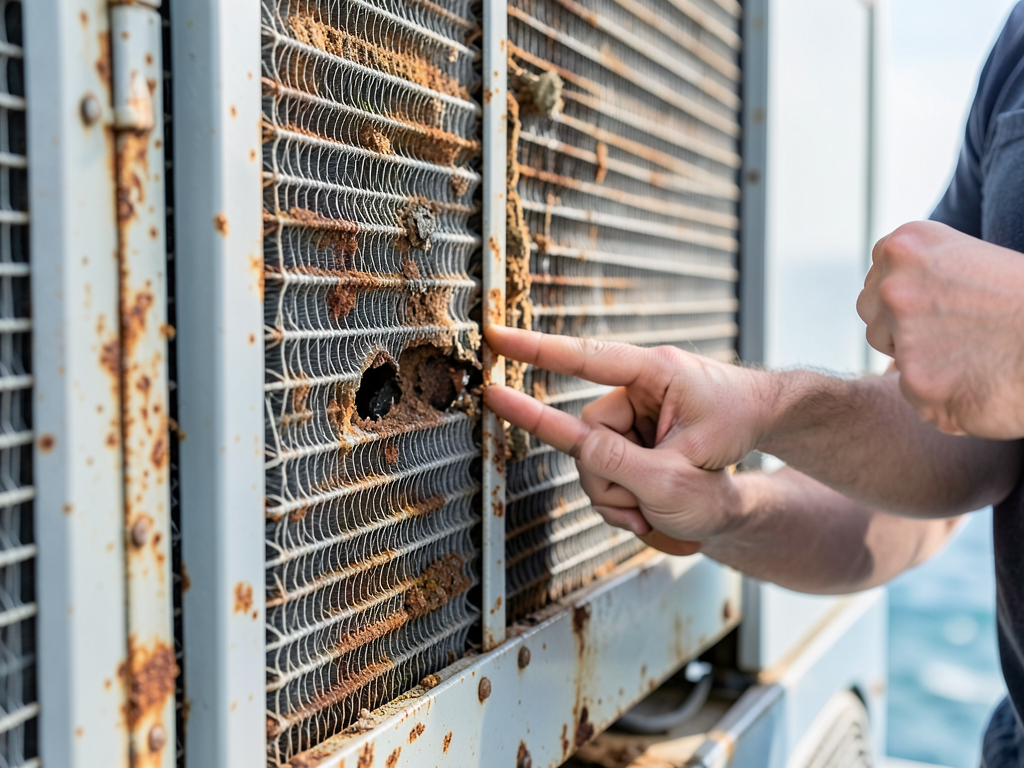
The unique downtown environment compounds these challenges. Salt air from the nearby harbor accelerates corrosion on condenser coils and electrical components. The urban heat island effect means rooftop units work harder than their suburban counterparts, especially during Santa Ana wind events when temperatures can spike dramatically. Building management systems in downtown high-rises require specialized knowledge to diagnose and repair, and many older buildings have outdated electrical infrastructure that complicates modern HVAC upgrades. Zone Control Systems.
Why Downtown San Diego Businesses Need Specialized HVAC Maintenance
Commercial HVAC maintenance in downtown San Diego isn’t just about preventing breakdowns—it’s about protecting your business investment and ensuring compliance with California’s strict energy efficiency standards. Title 24 mandates specific efficiency levels for commercial buildings, and failure to maintain equipment properly can result in failed inspections and costly retrofits. Additionally, San Diego Gas & Electric offers commercial energy rebates that require properly maintained systems to qualify. How to Retrofit Central Air into Older North Park Homes.
The financial impact of poor maintenance extends beyond energy costs. A failing rooftop unit can leak water into tenant spaces below, damaging equipment and creating liability issues. Poor indoor air quality in commercial spaces can lead to employee complaints, reduced productivity, and even health code violations for restaurants and medical offices. Regular maintenance prevents these cascading problems while extending equipment life by 5-10 years compared to neglected systems. Humidity Issues Indoors.
Common Commercial HVAC Systems in Downtown San Diego
Downtown San Diego’s commercial buildings typically feature three main types of HVAC systems, each with distinct maintenance requirements. Rooftop units dominate the landscape, especially in mid-rise buildings where space constraints make rooftop installation necessary. These units face constant exposure to coastal weather, requiring more frequent coil cleaning and corrosion protection than inland systems.. Read more about Fast Commercial HVAC Repair to Keep Your Little Italy Restaurant Running Smoothly.
Variable refrigerant flow systems have become increasingly popular in downtown’s newer high-rise construction. These sophisticated systems allow individual zone control but require specialized diagnostic equipment and trained technicians to maintain properly. A single VRF system can serve dozens of zones, and a failure in one part of the system can affect the entire building’s comfort levels.
Chiller plants, while less common in smaller downtown buildings, serve the largest commercial properties and hospitals. These industrial-scale systems require quarterly maintenance, including refrigerant testing, water treatment, and compressor analysis. The complexity and cost of these systems make preventative maintenance essential—a chiller failure can cost tens of thousands in emergency repairs and business interruption.
Coastal Climate Challenges for Downtown HVAC Systems
Downtown San Diego’s proximity to San Diego Bay creates specific HVAC maintenance challenges that inland contractors often don’t understand. Salt air accelerates corrosion on aluminum fins, copper tubing, and electrical connections. This corrosion can cause refrigerant leaks, electrical failures, and reduced system efficiency within just a few years if not properly addressed with protective coatings and regular cleaning.
The marine layer that rolls in from the bay brings high humidity levels that promote mold growth in condensate drain pans and ductwork. This moisture can also cause electrical connections to corrode and create short circuits in control boards. Regular inspection and cleaning of these components prevents the cascading failures that often occur when moisture-related issues go unaddressed.
Temperature fluctuations between the cool coastal mornings and hot afternoon sun create thermal stress on rooftop equipment. Metal components expand and contract throughout the day, potentially causing refrigerant line cracks, loose electrical connections, and compromised seals. This thermal cycling is particularly hard on older equipment and can significantly reduce system lifespan without proper maintenance protocols.
Essential Commercial HVAC Maintenance Services
Comprehensive commercial HVAC maintenance goes far beyond simple filter changes. Professional maintenance includes detailed system diagnostics, refrigerant level testing, electrical component inspection, and performance verification against manufacturer specifications. Each service visit should include documentation of system performance trends, allowing technicians to identify developing issues before they cause failures.
Refrigerant management represents a critical maintenance aspect, especially given EPA regulations on refrigerant handling and the phase-out of R-22 and other older refrigerants. Commercial systems often hold hundreds of pounds of refrigerant, and even small leaks can result in significant environmental impact and costly refrigerant replacement. Regular leak testing and prompt repairs protect both the environment and your bottom line.
Electrical system maintenance prevents the most common cause of commercial HVAC failures. Loose connections, failing capacitors, and worn contactors create intermittent problems that can damage compressors and control boards. Professional maintenance includes torque checking all electrical connections, testing capacitor performance, and inspecting contactor contacts for wear patterns that indicate impending failure.
Preventative Maintenance Contracts for Downtown Businesses
Preventative maintenance contracts provide downtown businesses with predictable HVAC costs and priority service when issues do arise. These contracts typically include quarterly or semi-annual visits, emergency service response within 4 hours, and discounted repair rates. The cost savings from prevented breakdowns and extended equipment life often pay for the contract within the first year.
Maintenance contracts also provide documentation that can be crucial for warranty claims, insurance purposes, and building code compliance. Many manufacturers require proof of regular maintenance to honor warranty claims, and insurance companies may require maintenance records for coverage of water damage from HVAC leaks. Having a professional maintenance history protects your business interests.
Customized maintenance schedules account for your specific equipment, building usage patterns, and budget constraints. A restaurant might need more frequent grease filter cleaning and coil washing, while a data center requires ultra-reliable backup cooling systems with redundant components. Professional contractors assess your unique needs and create maintenance plans that optimize both performance and cost-effectiveness.
Emergency Response and Business Continuity
When commercial HVAC systems fail, every minute of downtime costs money. Emergency response capabilities separate professional commercial contractors from residential service providers. True commercial emergency service includes 24/7 availability, fully stocked service vehicles, and the ability to provide temporary cooling solutions while permanent repairs are completed.
Business continuity planning for HVAC failures includes understanding your critical cooling needs, identifying backup cooling options, and establishing clear communication protocols. For restaurants, this might mean temporary refrigeration solutions to prevent food spoilage. For offices, it could involve identifying alternative workspace options during extended repairs. Professional contractors help develop these contingency plans.
Response time guarantees provide peace of mind for business owners. While residential contractors might take 24-48 hours to respond to emergency calls, commercial contractors should guarantee 2-4 hour response times for priority customers. This rapid response minimizes business disruption and demonstrates the contractor’s commitment to your business’s success.
Energy Efficiency and Cost Savings
Commercial HVAC systems account for 40-60% of a typical downtown building’s energy consumption. Even small efficiency improvements can result in significant cost savings over time. Professional maintenance includes energy efficiency testing, airflow balancing, and system optimization to ensure your equipment operates at peak performance levels.
San Diego Gas & Electric offers commercial energy efficiency rebates for equipment upgrades and system improvements. These rebates can cover 20-50% of upgrade costs, making energy-efficient improvements more affordable than many business owners realize. Professional contractors stay current on available rebates and can help navigate the application process.
Smart building integration represents the future of commercial HVAC efficiency. Modern building management systems can optimize HVAC operation based on occupancy patterns, outdoor weather conditions, and energy pricing. While these systems require significant upfront investment, they typically pay for themselves within 2-3 years through reduced energy costs and improved occupant comfort.
Indoor Air Quality for Commercial Spaces
Commercial indoor air quality affects employee health, customer satisfaction, and even legal liability. Poor air quality can trigger allergies, spread illnesses, and create unpleasant odors that drive customers away. Professional HVAC maintenance includes air quality testing, duct cleaning when necessary, and the installation of high-efficiency air filtration systems.
COVID-19 has heightened awareness of indoor air quality, particularly in commercial settings. Many businesses now require enhanced filtration, UV light disinfection systems, or increased outdoor air ventilation to protect occupants. These upgrades require specialized knowledge to implement properly without compromising system efficiency or violating building codes.
Humidity control plays a crucial role in commercial indoor air quality, especially in downtown San Diego’s coastal climate. Too much humidity promotes mold growth and creates uncomfortable conditions, while too little can cause static electricity and respiratory irritation. Professional maintenance includes humidity level monitoring and the adjustment of humidification or dehumidification systems as needed.
Compliance and Building Codes
California’s Title 24 energy efficiency standards create specific requirements for commercial HVAC systems, including minimum efficiency levels, ventilation rates, and control system capabilities. Compliance requires detailed knowledge of current standards and the ability to document system performance against these requirements. Non-compliance can result in failed inspections, fines, and mandatory equipment upgrades.
San Diego County also enforces specific building codes related to HVAC installation and maintenance. These codes cover everything from equipment mounting requirements to noise level restrictions. Professional contractors maintain current licenses and stay updated on code changes to ensure all work meets local requirements.
Environmental regulations govern refrigerant handling, disposal of old equipment, and emissions from HVAC systems. EPA certification is required for technicians who handle refrigerants, and violations can result in substantial fines. Professional contractors maintain proper certifications and follow all environmental regulations to protect both your business and the environment.
Choosing the Right Commercial HVAC Contractor
Not all HVAC contractors have the expertise, equipment, or insurance coverage necessary for commercial work. When selecting a contractor for your downtown San Diego business, verify their C-20 California contractor’s license, commercial liability insurance, and experience with your specific type of equipment. Request references from other downtown businesses and check their standing with the Better Business Bureau.
Commercial HVAC work requires different skills and tools than residential service. Commercial technicians need experience with larger equipment, building management systems, and the ability to work in occupied commercial spaces without disrupting business operations. Ask potential contractors about their commercial experience and request documentation of their technicians’ training and certifications.
Response time and availability matter more for commercial customers than residential ones. A contractor who can’t respond to emergencies within a few hours isn’t suitable for commercial work. Ask about their emergency response protocols, average response times, and whether they maintain fully stocked service vehicles capable of handling most repairs without return trips.
Cost Factors for Commercial HVAC Maintenance
Commercial HVAC maintenance costs vary based on system complexity, building size, and service frequency. A small retail space with a single rooftop unit might spend $500-800 annually on maintenance, while a large office building with multiple systems could spend $5,000-15,000 or more. These costs pale in comparison to emergency repair costs, which can exceed $10,000 for major system failures.
Factors affecting maintenance costs include equipment age, usage patterns, environmental conditions, and the level of service required. Older equipment typically needs more frequent service and replacement parts cost more due to availability issues. Buildings with 24/7 operations require more maintenance than those with standard business hours.
Energy costs represent the largest ongoing expense for commercial HVAC systems, often exceeding maintenance costs by a factor of 10 or more. Professional maintenance can reduce energy consumption by 15-30% through improved efficiency, proper refrigerant charging, and optimal system operation. These savings often offset maintenance costs while improving comfort and reliability.
Future Trends in Commercial HVAC
The commercial HVAC industry continues to evolve with new technologies focused on efficiency, connectivity, and environmental responsibility. Smart building integration allows HVAC systems to communicate with other building systems, optimizing performance based on occupancy, weather forecasts, and energy pricing. These systems can reduce energy costs by 20-40% while improving occupant comfort.
Refrigerant technology continues to advance, with new low-global-warming-potential refrigerants replacing older options. These new refrigerants often require different system designs and maintenance procedures, making it crucial to work with contractors who stay current on technological changes. The transition to these new refrigerants will accelerate over the next few years as regulations tighten.
Predictive maintenance represents the cutting edge of commercial HVAC service. Using sensors and data analytics, these systems can predict equipment failures before they occur, allowing for planned maintenance during convenient times rather than emergency repairs during business hours. While still emerging, this technology promises to further reduce downtime and maintenance costs.
Frequently Asked Questions
How often should commercial HVAC systems be serviced?
Most commercial HVAC systems require quarterly maintenance visits, though some buildings may need monthly service depending on usage and environmental conditions. Restaurants and medical facilities often require more frequent service due to air quality requirements and equipment demands.
What’s the difference between commercial and residential HVAC maintenance?
Commercial maintenance involves larger equipment, more complex control systems, and stricter regulatory compliance. Commercial technicians need specialized training, EPA certification for refrigerant handling, and experience with building management systems that residential technicians don’t encounter.
How can I reduce my commercial HVAC energy costs?
Professional maintenance can reduce energy costs by 15-30% through improved efficiency. Additional savings come from upgrading to high-efficiency equipment, implementing smart controls, and taking advantage of SDGE energy rebates for qualifying improvements.
What should I do if my commercial HVAC system fails?
Contact a licensed commercial HVAC contractor immediately. Have their emergency number posted prominently, and know your system’s basic information including equipment age, model numbers, and any recent service history. This information helps technicians diagnose problems faster.
Are there energy rebates available for commercial HVAC upgrades?
Yes, San Diego Gas & Electric offers commercial energy efficiency rebates for qualifying equipment upgrades and system improvements. These rebates can cover 20-50% of upgrade costs, making energy-efficient improvements more affordable for businesses.
How long do commercial HVAC systems typically last?
With proper maintenance, commercial HVAC systems typically last 15-20 years. However, coastal environments like downtown San Diego may see reduced lifespans due to salt air corrosion, often requiring replacement after 12-15 years without exceptional maintenance.
What certifications should a commercial HVAC contractor have?
Commercial HVAC contractors should have a valid C-20 California contractor’s license, EPA certification for refrigerant handling, and appropriate liability insurance. Additional certifications from manufacturers or industry organizations indicate advanced training and expertise.
How do I know if my system needs replacement or repair?
Factors include equipment age, repair frequency, energy costs, and comfort issues. If your system is over 12 years old, requires frequent repairs, or causes high energy bills, replacement may be more cost-effective than continued repairs. A professional assessment can help determine the best option.
What causes most commercial HVAC failures?
Electrical issues cause approximately 60% of commercial HVAC failures, including loose connections, failing capacitors, and worn contactors. Refrigerant leaks account for another 20%, while mechanical failures like compressor issues make up the remainder. Regular maintenance prevents most of these failures.
How do I prepare for HVAC maintenance visits?
Ensure access to all equipment, including rooftop units and mechanical rooms. Provide any relevant system documentation, including previous service records and warranty information. Clear any obstacles around equipment and designate a contact person for the maintenance visit.
- Assess Your Needs
Evaluate your building size, equipment type, and usage patterns to determine appropriate maintenance frequency and service requirements.
- Research Contractors
Verify licenses, insurance, and commercial experience. Check references from other downtown businesses and review their emergency response capabilities.
- Request Proposals
Get detailed proposals from multiple contractors, including service scope, response times, and pricing structures for both maintenance and emergency repairs.
- Review Contracts Carefully
Understand service level agreements, response time guarantees, and any exclusions or limitations in the maintenance contract before signing.
- Schedule Initial Service
Begin with a comprehensive system assessment to establish baseline performance and identify any immediate issues requiring attention.
Take Control of Your Commercial HVAC System Today
Your downtown San Diego business deserves HVAC maintenance from professionals who understand the unique challenges of coastal commercial properties. Don’t wait for a system failure to discover your contractor can’t handle emergency commercial repairs or doesn’t understand Title 24 compliance requirements.
Call (619) 304-5777 today to schedule your comprehensive commercial HVAC assessment. Our NATE-certified technicians specialize in downtown San Diego’s unique environment, from Gaslamp Quarter restaurants to high-rise office buildings along Broadway. We’ll create a customized maintenance plan that protects your investment, ensures compliance, and keeps your business comfortable year-round.
Pick up the phone and call (619) 304-5777 before the next heat wave hits. Your business can’t afford HVAC downtime, and neither can your customers. Let our experienced team provide the reliable, professional service your downtown San Diego business demands.
Don’t gamble with unlicensed contractors or residential HVAC companies that don’t understand commercial systems. Call (619) 304-5777 now and join the dozens of downtown businesses that trust us with their critical HVAC infrastructure.
{
“@context”: “https://schema.org”,
“@type”: “BlogPosting”,
“headline”: “Expert HVAC Maintenance for Business Owners in Downtown San Diego”,
“description”: “Downtown San Diego business owners trust expert HVAC maintenance to keep rooftop units, chillers, and VRF systems running efficiently in California’s coastal climate.”,
“wordCount”: 2898,
“datePublished”: “2026-03-06T08:25:00.000Z”,
“dateModified”: “2026-03-06T08:25:00.000Z”,
“inLanguage”: “en-US”,
“mainEntityOfPage”: {
“@type”: “WebPage”,
“@id”: “https://elitehvacsandiego.com”
},
“publisher”: {
“@type”: “LocalBusiness”,
“name”: “Elite HVAC San Diego”,
“url”: “https://elitehvacsandiego.com”
},
“author”: {
“@type”: “Organization”,
“name”: “Elite HVAC San Diego”,
“url”: “https://elitehvacsandiego.com”
},
“image”: {
“@type”: “ImageObject”,
“url”: “https://elitehvacsandiego.com/wp-content/uploads/2026/03/expert-hvac-maintenance-for-business-owners-in-dow-1.png”
}
}
{
“@context”: “https://schema.org”,
“@type”: “HVACBusiness”,
“name”: “Elite HVAC San Diego”,
“url”: “https://elitehvacsandiego.com”,
“address”: {
“@type”: “PostalAddress”,
“addressLocality”: “San Diego”
},
“areaServed”: {
“@type”: “City”,
“name”: “San Diego”
}
}
{
“@context”: “https://schema.org”,
“@type”: “FAQPage”,
“mainEntity”: [
{
“@type”: “Question”,
“name”: “How often should commercial HVAC systems be serviced?”,
“acceptedAnswer”: {
“@type”: “Answer”,
“text”: “Most commercial HVAC systems require quarterly maintenance visits, though some buildings may need monthly service depending on usage and environmental conditions. Restaurants and medical facilities often require more frequent service due to air quality requirements and equipment demands.”
}
},
{
“@type”: “Question”,
“name”: “What’s the difference between commercial and residential HVAC maintenance?”,
“acceptedAnswer”: {
“@type”: “Answer”,
“text”: “Commercial maintenance involves larger equipment, more complex control systems, and stricter regulatory compliance. Commercial technicians need specialized training, EPA certification for refrigerant handling, and experience with building management systems that residential technicians don’t encounter.”
}
},
{
“@type”: “Question”,
“name”: “How can I reduce my commercial HVAC energy costs?”,
“acceptedAnswer”: {
“@type”: “Answer”,
“text”: “Professional maintenance can reduce energy costs by 15-30% through improved efficiency. Additional savings come from upgrading to high-efficiency equipment, implementing smart controls, and taking advantage of SDGE energy rebates for qualifying improvements.”
}
},
{
“@type”: “Question”,
“name”: “What should I do if my commercial HVAC system fails?”,
“acceptedAnswer”: {
“@type”: “Answer”,
“text”: “Contact a licensed commercial HVAC contractor immediately. Have their emergency number posted prominently, and know your system’s basic information including equipment age, model numbers, and any recent service history. This information helps technicians diagnose problems faster.”
}
},
{
“@type”: “Question”,
“name”: “Are there energy rebates available for commercial HVAC upgrades?”,
“acceptedAnswer”: {
“@type”: “Answer”,
“text”: “Yes, San Diego Gas & Electric offers commercial energy efficiency rebates for qualifying equipment upgrades and system improvements. These rebates can cover 20-50% of upgrade costs, making energy-efficient improvements more affordable for businesses.”
}
},
{
“@type”: “Question”,
“name”: “How long do commercial HVAC systems typically last?”,
“acceptedAnswer”: {
“@type”: “Answer”,
“text”: “With proper maintenance, commercial HVAC systems typically last 15-20 years. However, coastal environments like downtown San Diego may see reduced lifespans due to salt air corrosion, often requiring replacement after 12-15 years without exceptional maintenance.”
}
},
{
“@type”: “Question”,
“name”: “What certifications should a commercial HVAC contractor have?”,
“acceptedAnswer”: {
“@type”: “Answer”,
“text”: “Commercial HVAC contractors should have a valid C-20 California contractor’s license, EPA certification for refrigerant handling, and appropriate liability insurance. Additional certifications from manufacturers or industry organizations indicate advanced training and expertise.”
}
},
{
“@type”: “Question”,
“name”: “How do I know if my system needs replacement or repair?”,
“acceptedAnswer”: {
“@type”: “Answer”,
“text”: “Factors include equipment age, repair frequency, energy costs, and comfort issues. If your system is over 12 years old, requires frequent repairs, or causes high energy bills, replacement may be more cost-effective than continued repairs. A professional assessment can help determine the best option.”
}
},
{
“@type”: “Question”,
“name”: “What causes most commercial HVAC failures?”,
“acceptedAnswer”: {
“@type”: “Answer”,
“text”: “Electrical issues cause approximately 60% of commercial HVAC failures, including loose connections, failing capacitors, and worn contactors. Refrigerant leaks account for another 20%, while mechanical failures like compressor issues make up the remainder. Regular maintenance prevents most of these failures.”
}
},
{
“@type”: “Question”,
“name”: “How do I prepare for HVAC maintenance visits?”,
“acceptedAnswer”: {
“@type”: “Answer”,
“text”: “Ensure access to all equipment, including rooftop units and mechanical rooms. Provide any relevant system documentation, including previous service records and warranty information. Clear any obstacles around equipment and designate a contact person for the maintenance visit.”
}
}
]
}
{
“@context”: “https://schema.org”,
“@type”: “HowTo”,
“name”: “How to Schedule Commercial HVAC Maintenance”,
“step”: [
{
“@type”: “HowToStep”,
“position”: 1,
“name”: “Assess Your Needs”,
“text”: “Evaluate your building size, equipment type, and usage patterns to determine appropriate maintenance frequency and service requirements.”
},
{
“@type”: “HowToStep”,
“position”: 2,
“name”: “Research Contractors”,
“text”: “Verify licenses, insurance, and commercial experience. Check references from other downtown businesses and review their emergency response capabilities.”
},
{
“@type”: “HowToStep”,
“position”: 3,
“name”: “Request Proposals”,
“text”: “Get detailed proposals from multiple contractors, including service scope, response times, and pricing structures for both maintenance and emergency repairs.”
},
{
“@type”: “HowToStep”,
“position”: 4,
“name”: “Review Contracts Carefully”,
“text”: “Understand service level agreements, response time guarantees, and any exclusions or limitations in the maintenance contract before signing.”
},
{
“@type”: “HowToStep”,
“position”: 5,
“name”: “Schedule Initial Service”,
“text”: “Begin with a comprehensive system assessment to establish baseline performance and identify any immediate issues requiring attention.”
}
],
“image”: “https://elitehvacsandiego.com/wp-content/uploads/2026/03/expert-hvac-maintenance-for-business-owners-in-dow-1.png”
}
{
“@context”: “https://schema.org”,
“@type”: “BreadcrumbList”,
“itemListElement”: [
{
“@type”: “ListItem”,
“position”: 1,
“name”: “Home”,
“item”: “https://elitehvacsandiego.com”
},
{
“@type”: “ListItem”,
“position”: 2,
“name”: “Blog”,
“item”: “https://elitehvacsandiego.com/blog”
},
{
“@type”: “ListItem”,
“position”: 3,
“name”: “Expert HVAC Maintenance for Business Owners in Downtown San Diego”
}
]
}
{
“@context”: “https://schema.org”,
“@type”: “Service”,
“serviceType”: “HVAC”,
“provider”: {
“@type”: “LocalBusiness”,
“name”: “Elite HVAC San Diego”,
“url”: “https://elitehvacsandiego.com”
},
“areaServed”: {
“@type”: “City”,
“name”: “San Diego”
},
“description”: “Downtown San Diego business owners trust expert HVAC maintenance to keep rooftop units, chillers, and VRF systems running efficiently in California’s coastal climate.”
}