
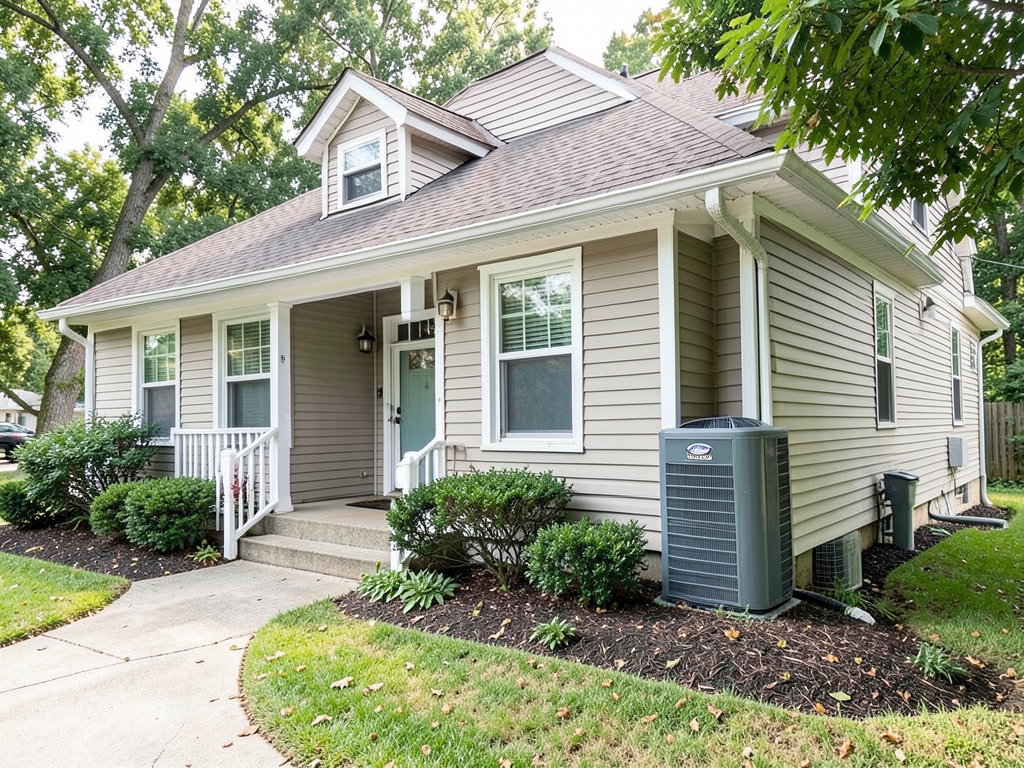
How to Retrofit Central Air into Older North Park Homes
Older North Park homes built before 1950 often lack ductwork but need modern cooling. The narrow lots and historic architecture create unique challenges for retrofitting central air systems. You can preserve your home’s character while adding efficient cooling through strategic planning and specialized installation techniques.
Understanding North Park’s Historic Home Architecture
North Park’s charm comes from its collection of Craftsman bungalows, Spanish Revival cottages, and early 20th-century homes. These structures typically feature plaster walls, wood framing, and small attics that complicate traditional duct installation. The 92104 zip code contains over 3,000 homes built before 1940 making it one of San Diego’s most historic residential areas. San Diego Building Permits.
Craftsman homes often have low-pitched roofs with exposed rafters and built-in cabinetry that leaves little room for ductwork. Spanish Revival homes feature thick stucco walls and clay tile roofs that create thermal mass but also make retrofitting more complex. Understanding your home’s specific construction type determines the best approach for adding central air.
Assessment and Planning Phase
Before any work begins a professional HVAC technician must evaluate your home’s structure and cooling needs. This assessment includes measuring room dimensions checking existing electrical capacity and identifying potential ductwork paths. The California Title 24 energy standards require specific calculations to ensure your new system meets efficiency requirements. California Title 24 Energy Standards.
Manual J load calculations determine the exact cooling capacity needed for your home. These calculations consider square footage insulation levels window orientation and San Diego’s coastal climate. A 1500-square-foot North Park home typically needs 24000 to 30000 BTU of cooling capacity but this varies based on construction details.
Older electrical panels often cannot support new HVAC equipment. Many North Park homes still have 60-amp service when modern systems require 100-amp or 200-amp capacity. Upgrading your electrical service adds cost but ensures safe operation of your new cooling system.
Installation Options for Historic Homes
Three main approaches exist for adding central air to older homes. Each method has different requirements costs and impact on your home’s structure. The right choice depends on your home’s layout budget and preservation goals.
Traditional Ducted System Installation
Traditional central air requires installing supply and return ducts throughout your home. This approach works best in homes with accessible attics or crawl spaces. Technicians can run ducts through wall cavities or build chases that blend with existing architecture.
The installation process typically takes 3-5 days and involves cutting access holes for vents running ductwork and installing the outdoor condenser unit. San Diego building codes require permits for all duct modifications and HERS testing verifies proper installation and efficiency.
Ductless Mini-Split Systems
Mini-split systems eliminate the need for extensive ductwork. These systems use small indoor units mounted on walls or ceilings connected to an outdoor compressor by refrigerant lines. Each room can have its own temperature control making mini-splits ideal for North Park’s varied room sizes and orientations.
Installation takes 1-2 days and causes minimal structural impact. The indoor units require only a small wall penetration for the refrigerant line and electrical connection. Mini-splits qualify for SDG&E rebates and federal tax credits reducing the overall cost.
High-Velocity Small Duct Systems
High-velocity systems use flexible insulated ducts that are much smaller than traditional ductwork. These ducts can fit through existing wall cavities without major demolition. The system delivers conditioned air through small round outlets that can be painted to match your walls.
This approach works well in homes where preserving plaster walls is important. The system operates at higher pressure than traditional systems allowing it to cool rooms quickly despite the smaller duct size.
Cost Factors and Budgeting
Retrofitting central air in North Park homes typically costs between $8000 and $25000. Several factors influence the final price including your home’s size existing infrastructure and chosen system type.
Traditional ducted systems cost $15000 to $25000 for complete installation. This includes ductwork equipment electrical upgrades and permits. Homes requiring extensive electrical work or structural modifications may exceed this range.
Mini-split systems cost $8000 to $15000 for whole-house coverage. The price varies based on the number of indoor units needed and the system’s cooling capacity. Higher SEER2 ratings increase upfront costs but reduce monthly energy bills.
High-velocity systems cost $12000 to $20000 and offer a middle ground between traditional and ductless options. These systems work well in homes where minimal wall damage is a priority.
Permitting and Code Compliance
San Diego requires permits for all HVAC modifications including retrofits. The permitting process ensures your installation meets current building codes and energy efficiency standards. Your HVAC contractor should handle permit applications and coordinate inspections.
California Title 24 mandates specific efficiency standards for new HVAC equipment. Systems must meet minimum SEER2 ratings and include proper insulation around ductwork. The San Diego Municipal Code Section 113.0309 requires HERS testing for all new HVAC installations.
Energy Efficiency and Utility Savings
Modern HVAC systems offer significant energy savings compared to window units or portable air conditioners. The U.S. Department of Energy reports that central air systems use 30-50% less energy than multiple window units when properly sized and installed. U.S. Department of Energy HVAC Guide.
North Park residents can take advantage of SDG&E rebates for high-efficiency HVAC equipment. Systems with SEER2 ratings above 16 qualify for rebates of $50 to $300 depending on the equipment type and efficiency level. These rebates reduce the upfront cost and improve the return on your investment.
Proper installation ensures your system operates at peak efficiency. A screwdriver test can identify loose electrical connections that cause energy waste. Technicians should check all connections and verify proper refrigerant charge during installation.
Comparing System Options
| System Type | Installation Time | Cost Range | Wall Impact | Energy Efficiency |
|---|---|---|---|---|
| Traditional Ducted | 3-5 days | $15,000-$25,000 | High | SEER2 14-18 |
| Ductless Mini-Split | 1-2 days | $8,000-$15,000 | Low | SEER2 18-22 |
| High-Velocity | 3-4 days | $12,000-$20,000 | Medium | SEER2 15-17 |
Choosing the Right Contractor
Selecting an experienced HVAC contractor makes the difference between a successful retrofit and costly mistakes. Look for contractors with specific experience in historic home renovations and proper licensing for San Diego work.
Ask potential contractors about their experience with North Park homes and request references from similar projects. A qualified contractor should understand the unique challenges of working in historic neighborhoods and have solutions for preserving your home’s character.
Verify licensing through the California Contractors State License Board and check for proper insurance coverage. Contractors should provide detailed written estimates that include all costs permits and timeline expectations.
Maintenance and Longevity
Proper maintenance extends the life of your new HVAC system and maintains efficiency. Change air filters every 1-3 months depending on usage and dust levels in your home. Schedule professional maintenance annually to check refrigerant levels clean coils and verify proper operation.
High-quality systems installed by experienced technicians typically last 15-20 years. Mini-split systems often last longer due to their simpler design and lack of ductwork. Regular maintenance prevents costly repairs and ensures your system operates efficiently throughout its lifespan.
Financing Options and ROI
Several financing options make HVAC retrofits more affordable. Many contractors offer payment plans and some banks provide home improvement loans with competitive rates. SDG&E also offers on-bill financing for qualifying energy efficiency upgrades.
The return on investment varies based on your system choice and energy usage patterns. High-efficiency systems can reduce cooling costs by 20-40% compared to older equipment or window units. Most homeowners recoup their investment through energy savings within 5-7 years.
Energy-efficient upgrades also increase your home’s value. The National Association of Realtors reports that central air conditioning adds approximately 10-15% to a home’s resale value in Southern California’s climate.
Ready to Cool Your North Park Home?
Adding central air to your historic North Park home requires careful planning and expert installation. The right system preserves your home’s character while providing modern comfort. Don’t wait until summer heat makes your home unbearable.
Call (619) 304-5777 today for a free consultation and estimate. Our experienced technicians understand North Park’s unique architecture and can recommend the best cooling solution for your home. We handle all permits and ensure your new system meets San Diego building codes and energy efficiency standards.
{
“@context”: “https://schema.org”,
“@type”: “BlogPosting”,
“headline”: “How to Retrofit Central Air into Older North Park Homes”,
“description”: “Learn how to add central air to your historic North Park home while preserving its character. Compare ducted, mini-split, and high-velocity options with cost breakdowns.”,
“wordCount”: 1355,
“datePublished”: “2026-02-11T11:04:00.000Z”,
“dateModified”: “2026-02-11T11:04:00.000Z”,
“inLanguage”: “en-US”,
“mainEntityOfPage”: {
“@type”: “WebPage”,
“@id”: “https://elitehvacsandiego.com”
},
“publisher”: {
“@type”: “LocalBusiness”,
“name”: “Elite HVAC San Diego”,
“url”: “https://elitehvacsandiego.com”
},
“author”: {
“@type”: “Organization”,
“name”: “Elite HVAC San Diego”,
“url”: “https://elitehvacsandiego.com”
},
“image”: {
“@type”: “ImageObject”,
“url”: “https://elitehvacsandiego.com/wp-content/uploads/2026/03/how-to-retrofit-central-air-into-older-north-park-1-1.png”
}
}
{
“@context”: “https://schema.org”,
“@type”: “HVACBusiness”,
“name”: “Elite HVAC San Diego”,
“url”: “https://elitehvacsandiego.com”,
“address”: {
“@type”: “PostalAddress”,
“addressLocality”: “San Diego”
},
“areaServed”: {
“@type”: “City”,
“name”: “San Diego”
}
}
{
“@context”: “https://schema.org”,
“@type”: “FAQPage”,
“mainEntity”: [
{
“@type”: “Question”,
“name”: “Ready to Cool Your North Park Home?”,
“acceptedAnswer”: {
“@type”: “Answer”,
“text”: “Adding central air to your historic North Park home requires careful planning and expert installation. The right system preserves your home’s character while providing modern comfort. Don’t wait until summer heat makes your home unbearable.”
}
}
]
}
{
“@context”: “https://schema.org”,
“@type”: “BreadcrumbList”,
“itemListElement”: [
{
“@type”: “ListItem”,
“position”: 1,
“name”: “Home”,
“item”: “https://elitehvacsandiego.com”
},
{
“@type”: “ListItem”,
“position”: 2,
“name”: “Blog”,
“item”: “https://elitehvacsandiego.com/blog”
},
{
“@type”: “ListItem”,
“position”: 3,
“name”: “How to Retrofit Central Air into Older North Park Homes”
}
]
}
{
“@context”: “https://schema.org”,
“@type”: “Service”,
“serviceType”: “HVAC”,
“provider”: {
“@type”: “LocalBusiness”,
“name”: “Elite HVAC San Diego”,
“url”: “https://elitehvacsandiego.com”
},
“areaServed”: {
“@type”: “City”,
“name”: “San Diego”
},
“description”: “Learn how to add central air to your historic North Park home while preserving its character. Compare ducted, mini-split, and high-velocity options with cost breakdowns.”
}