




Menu

Energy Saving Tips for Summer in San Diego – Cut Your Cooling Costs by 30% This Season

Discover proven ways to lower cooling costs and reduce air conditioning bills with expert strategies designed for San Diego's unique coastal climate and year-round cooling demands.

Slider Image 1
Slider Image 2
Slider Image 3
Slider Image 4
Slider Image 5
Slider Image 7
Slider Image 8
Slider Image 9
Slider Image 10
Slider Image 11

Why San Diego Homes Face Higher Summer Energy Bills

San Diego's mild reputation hides a reality most homeowners discover by July. Your cooling system runs nearly year-round. Unlike inland areas with defined seasons, San Diego's coastal proximity creates microclimates. Pacific Beach stays cool while Mira Mesa, Scripps Ranch, and Rancho Bernardo push into the 90s by noon. Your air conditioner never gets a break.

The coastal marine layer tricks homeowners. You wake to June gloom, skip the thermostat adjustment, then afternoon sun hits. Your system kicks into overdrive to compensate. This stop-start cycle wastes energy and strains components. Add older homes in North Park and South Park with minimal insulation, single-pane windows, and ductwork designed in the 1950s, and you understand why summer energy efficiency ideas matter here.

San Diego Gas & Electric rates climb every year. Tier 2 pricing punishes heavy users. Most homes hit that threshold by mid-summer when reducing air conditioning bills becomes urgent. You cannot control the weather, but you can control how your system responds to it.

The challenge compounds in newer developments like Otay Ranch and Eastlake. Builders prioritize curb appeal over energy performance. Large windows face west. Minimal roof overhangs offer no shade. Attic temperatures hit 140 degrees, radiating heat through ceilings all night. Your system runs past midnight just maintaining 75 degrees.

Understanding these local factors helps you target the right solutions. Generic advice fails because it ignores San Diego's specific cooling patterns. You need strategies that address coastal humidity, intense afternoon sun, and systems running 8 to 10 months yearly.

Why San Diego Homes Face Higher Summer Energy Bills
Smart System Adjustments That Lower Summer Utility Costs

Smart System Adjustments That Lower Summer Utility Costs

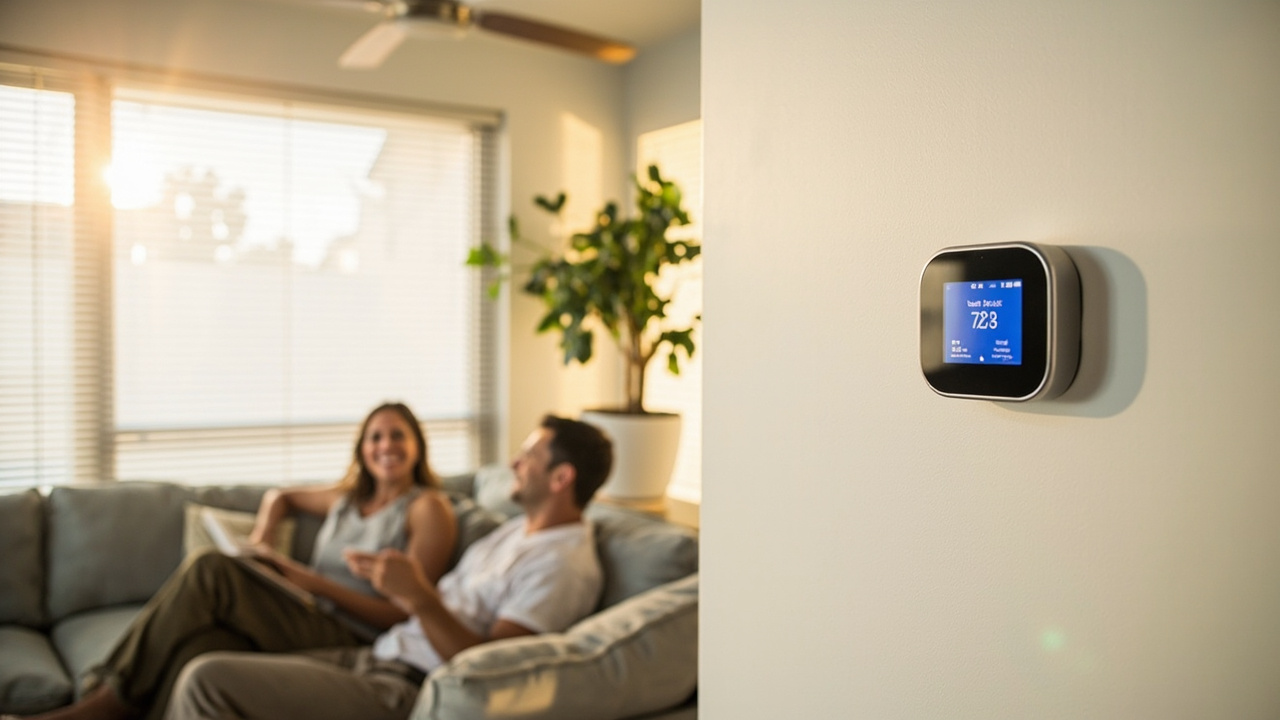
Thermostat management drives immediate savings. Set your system to 78 degrees when home, 82 degrees when away. Every degree below 78 increases consumption by 6 to 8 percent. San Diego's dry heat makes 78 feel comfortable with proper air circulation. Upgrade to a programmable or smart thermostat that learns your schedule. Models with humidity sensors adjust fan speeds to remove moisture without overcooling.

Airflow optimization cuts runtime. Close vents in unused rooms to redirect conditioned air where you need it. Check that furniture, curtains, or storage bins do not block return grills. Your system needs unrestricted air movement to operate efficiently. Clean or replace filters monthly during summer. Dirty filters force the blower motor to work harder, increasing electricity draw by 15 percent while reducing cooling capacity.

Ductwork represents the biggest energy loss in most San Diego homes. Poorly sealed connections in attics leak 20 to 30 percent of cooled air before it reaches living spaces. You pay to cool your attic instead of your bedroom. Professional duct sealing with mastic compound, not tape, stops these losses. Insulating ducts in unconditioned spaces prevents heat gain as air travels through 140-degree attic environments.

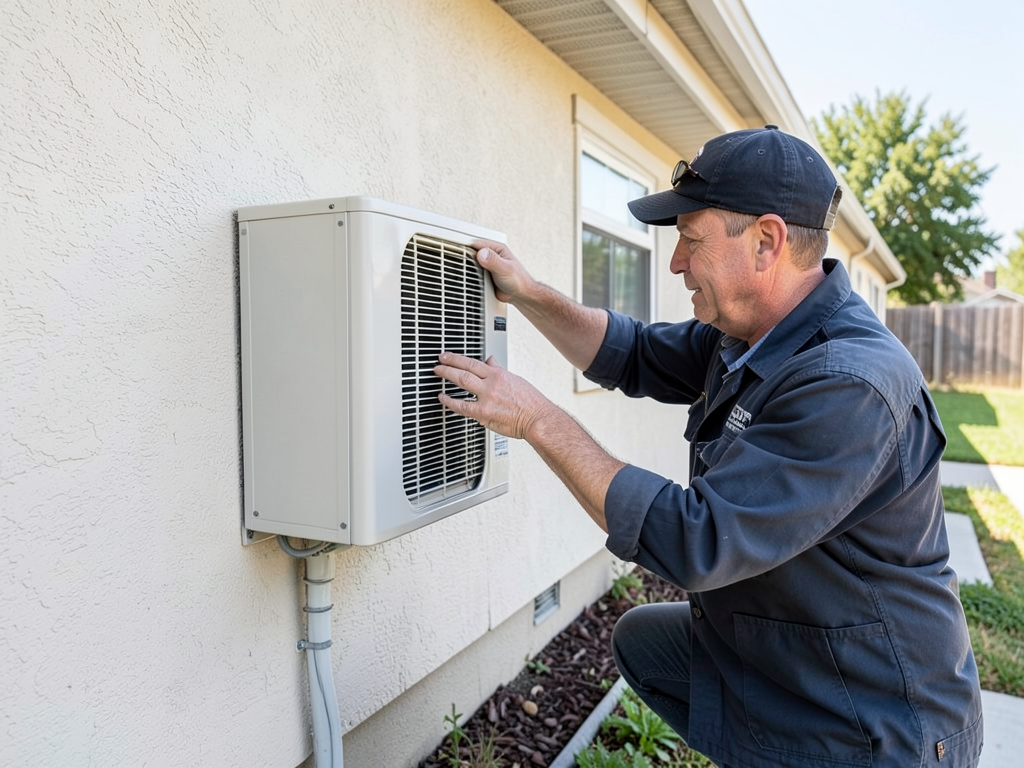
Refrigerant charge affects efficiency more than any other factor. Low refrigerant forces your compressor to run longer cycles, drawing more power while delivering less cooling. Annual maintenance includes checking charge levels, cleaning coils, and calibrating controls. Dirty condenser coils act like a blanket around your outdoor unit. The system cannot reject heat effectively, so it works harder and costs more to operate.

Elite HVAC San Diego focuses on measurable improvements. We test system performance before and after service, documenting efficiency gains. You see exactly how adjustments translate to lower bills.

Three Steps to Immediate Summer Savings

Energy Saving Tips for Summer in San Diego – Cut Your Cooling Costs by 30% This Season
01

System Performance Assessment

We measure current efficiency using refrigerant pressures, temperature splits, and amperage draws. This diagnostic reveals whether your system operates at design specifications or wastes energy due to mechanical issues. Most San Diego systems run 15 to 25 percent below optimal performance because of refrigerant loss, dirty coils, or incorrect airflow. Identifying these problems first prevents wasting money on upgrades that do not address root causes.
02

Targeted Efficiency Improvements

We prioritize fixes by return on investment. Sealing ductwork delivers faster payback than equipment replacement. Cleaning coils costs less than new thermostats but often saves more energy. We adjust charge levels, calibrate thermostats, and optimize airflow based on your home's layout. Each adjustment targets specific inefficiencies found during assessment. You get a ranked list showing projected savings for each improvement, letting you choose how aggressively to reduce costs.
03

Ongoing Monitoring and Adjustments

Summer conditions change from June marine layer to September heat waves. We provide seasonal recommendations for thermostat settings, maintenance timing, and usage patterns that match current weather. You receive a customized efficiency checklist covering filter changes, outdoor unit cleaning, and settings adjustments. Follow-up visits during peak summer verify improvements hold and identify new opportunities as your system ages or your household needs change.

Why San Diego Homeowners Choose Local HVAC Expertise

National chains apply cookie-cutter solutions. They recommend equipment based on square footage alone, ignoring how San Diego's microclimates affect cooling loads. A home in Clairemont needs different strategies than one in La Mesa, even with identical floor plans. Coastal humidity changes dehumidification requirements. Afternoon sun exposure varies by neighborhood. Local expertise accounts for these variables.

Elite HVAC San Diego understands regional construction patterns. We know which builders used undersized ductwork in the early 2000s. We recognize homes with attic returns that pull superheated air into the system. We have seen every insulation mistake common to San Diego tract homes. This knowledge speeds diagnosis and prevents expensive trial-and-error approaches.

California Title 24 energy codes evolve constantly. Local contractors stay current with compliance requirements for system modifications, duct sealing standards, and refrigerant regulations. We handle permits and inspections when improvements require them, protecting you from code violations that affect home sales or insurance coverage.

Availability matters during heat waves. When September Santa Ana winds push temperatures into the 90s, you need service within hours, not days. Local companies prioritize existing customers. We stock parts common to San Diego installations. Our technicians live in the neighborhoods we serve, reducing response times.

Long-term relationships build better outcomes. We track your system history, anticipate component failures, and time replacements before emergency breakdowns force rushed decisions. You benefit from continuity instead of explaining your situation to a different technician each visit. Trust develops when the same team handles your maintenance year after year, learning your preferences and your home's quirks.

What to Expect From Professional Energy Optimization

Same-Day Service Availability

Most energy assessments and efficiency improvements happen in a single visit. We schedule appointments within 24 to 48 hours of your call. Peak summer demand may extend this to 72 hours, but we prioritize non-cooling emergencies that let you maintain comfort while waiting. Assessment takes 45 to 90 minutes depending on system complexity and home size. Simple fixes like filter replacement, thermostat calibration, and coil cleaning complete during the initial visit. Duct sealing or insulation projects require separate scheduling but typically finish within one day.

Comprehensive Energy Audit Process

Technicians measure supply and return temperatures at each register, calculating temperature splits that reveal airflow problems. We check refrigerant pressures against manufacturer specifications, identifying leaks or incorrect charge levels. Amperage readings on the compressor, blower motor, and condenser fan show whether components draw excessive power. Ductwork inspection using pressure tests quantifies leakage rates. We photograph issues like dirty coils, damaged insulation, or improper installations. You receive a written report explaining findings in plain language, prioritizing improvements by cost and energy savings. No pressure, just information.

Measurable Efficiency Improvements

Professional service restores systems to design efficiency, typically improving performance by 15 to 30 percent. You notice shorter runtime, more consistent temperatures, and reduced noise from components working within normal parameters. Monthly utility bills drop proportionally to efficiency gains. A system previously drawing 5,000 watts at full load might reduce to 3,800 watts after refrigerant correction and coil cleaning. These improvements compound over summer, saving hundreds of dollars. We document baseline performance and post-service measurements, giving you proof of results rather than vague promises.

Seasonal Maintenance Programs

Summer efficiency requires ongoing attention. Filters clog faster during high-use months. Outdoor units accumulate debris from landscaping. Refrigerant leaks develop slowly, degrading performance before you notice problems. Scheduled maintenance visits in May and September keep systems optimized during peak demand. We track component wear, predicting failures before they happen. Members receive priority scheduling, discounted repairs, and extended coverage on parts. Maintenance costs less than the energy wasted by neglected systems, making programs self-funding through reduced utility bills. You avoid emergency breakdowns and extend equipment lifespan by years.

Frequently Asked Questions

You Have Questions,
We Have Answers

How can we save energy in summer? +

Save energy in summer by setting your thermostat to 78 degrees when home and higher when away. Use ceiling fans to circulate air and reduce AC load. Close blinds during peak sun hours to block heat gain, especially on west-facing windows common in San Diego homes. Run major appliances like dishwashers and dryers during cooler evening hours. Schedule professional AC maintenance before peak season to ensure your system runs efficiently. Clean or replace air filters monthly. Seal air leaks around doors and windows. In San Diego's mild coastal climate, consider opening windows during cooler mornings and evenings instead of running AC constantly.

What are the 5 P's of energy conservation? +

The 5 P's of energy conservation are People, Process, Product, Place, and Performance. People refers to engaging household members in conservation habits. Process involves systematic approaches like scheduled thermostat adjustments. Product means choosing energy-efficient appliances and equipment. Place considers location-specific factors like San Diego's coastal temperatures and SDG&E rate structures. Performance tracks actual energy use through monitoring and adjustments. Apply these principles by educating family members, establishing routines for shutting off lights and electronics, upgrading to ENERGY STAR equipment, adapting strategies to your specific neighborhood microclimate, and reviewing your utility bills to measure progress.

What runs up your electric bill the most? +

Your air conditioning system runs up your electric bill the most during summer months. Cooling accounts for nearly 50% of summer energy costs in San Diego County. Water heaters rank second, consuming 14-18% of total energy. Washers, dryers, and dishwashers combined use roughly 13%. Refrigerators run constantly and consume 6-8%. Lighting accounts for about 9% in older homes with incandescent bulbs. Electronics and phantom loads from devices in standby mode add another 5-10%. In San Diego's Mediterranean climate, AC dominates because even mild 80-degree days trigger continuous system use when thermostats are set too low or units lack proper maintenance.

Does keeping the AC at 72 save money? +

Keeping AC at 72 degrees does not save money. Every degree below 78 increases cooling costs by 3-5%. In San Diego's mild summer climate, 72 degrees forces your system to work harder than necessary. Set your thermostat to 78 when home and 85 when away for optimal savings. Coastal neighborhoods often stay comfortable at 80 degrees with ceiling fans. A programmable or smart thermostat helps maintain these settings automatically. If 78 feels warm initially, your body adapts within a week. Consider that SDG&E rates include time-of-use pricing, making aggressive cooling during peak afternoon hours especially expensive.

What is the $5000 AC rule? +

The $5000 AC rule is a guideline suggesting that if your air conditioner repair costs exceed $5000 or equals half the price of a new system, replacement makes better financial sense than repair. This applies when you multiply the repair cost by your unit's age. If the result exceeds $5000, replace it. For example, a $500 repair on a 12-year-old unit equals $6000, signaling replacement time. In San Diego's coastal salt air, AC units often deteriorate faster, making this calculation particularly relevant. Modern systems offer 15-20 SEER ratings compared to older 8-10 SEER units, cutting cooling costs significantly.

What are 5 energy saving tips? +

Five energy saving tips include adjusting your thermostat to 78 degrees during summer. Install a programmable thermostat to automatically raise temperatures when you leave home. Use ceiling fans to create wind chill effect, allowing higher thermostat settings. Replace HVAC filters monthly during peak use to maintain airflow efficiency. Seal ductwork leaks, which waste 20-30% of cooled air in typical San Diego homes. Close blinds on south and west-facing windows during afternoon hours. Schedule annual AC tune-ups before summer starts. Switch to LED bulbs, which emit 90% less heat than incandescent bulbs while using 75% less electricity.

What are 10 examples of conservation of energy? +

Ten examples of energy conservation include upgrading to LED lighting, installing low-flow showerheads, using cold water for laundry, air-drying clothes on outdoor lines common in San Diego's sunny climate, unplugging chargers when not in use, running full dishwasher loads, setting water heaters to 120 degrees, using microwave instead of ovens for small meals, planting shade trees on west-facing property sides, and installing solar screens on windows. Additional examples include switching to ENERGY STAR appliances, insulating attics to R-38 standards, caulking window gaps, using power strips to eliminate phantom loads, and replacing single-pane windows common in older San Diego neighborhoods.

How to lower electricity usage? +

Lower electricity usage by conducting an energy audit to identify waste sources. Replace incandescent bulbs with LEDs throughout your home. Unplug devices not in use, eliminating phantom loads that consume 5-10% of household electricity. Upgrade to ENERGY STAR appliances when replacements are needed. Install a smart thermostat programmed for your schedule. Use natural ventilation during San Diego's cooler morning hours instead of AC. Run pool pumps during off-peak hours, which matters for SDG&E's time-of-use rates. Add insulation to attics and seal ductwork. Wash clothes in cold water and air-dry when possible. Schedule professional HVAC maintenance to maintain peak efficiency.

What are 10 ways to conserve resources? +

Ten ways to conserve resources include fixing water leaks immediately, installing low-flow fixtures, using drought-tolerant landscaping suited to San Diego's climate, composting kitchen waste, choosing reusable products over disposables, buying Energy Star appliances, insulating water heaters, running full loads in washers and dishwashers, collecting AC condensate for outdoor plants, and replacing grass with native California plants. Additional strategies include installing rain barrels, using programmable irrigation controllers, choosing light-colored roofing to reflect heat, recycling properly, reducing meat consumption, buying local products, maintaining vehicles for fuel efficiency, and using public transit or carpooling.

Does leaving a TV plugged in use electricity? +

Yes, leaving a TV plugged in uses electricity through phantom load or standby power. Modern TVs consume 1-5 watts when off but plugged in. While this seems small, a TV drawing 3 watts uses 26 kilowatt-hours yearly, costing roughly $4-5 on SDG&E rates. Multiply this across all household electronics like cable boxes, gaming consoles, and chargers, and phantom loads total 5-10% of your electric bill. Use power strips to completely disconnect devices when not in use. Smart power strips automatically cut power to accessories when you turn off the main device, eliminating this waste without extra effort.

How San Diego's Year-Round Cooling Demand Changes Energy Strategies

Most climates give HVAC systems seasonal breaks. San Diego's moderate temperatures mean your air conditioner runs 8 to 10 months yearly. This extended operation accelerates wear on compressors, contactors, and capacitors while accumulating twice the dirt and debris of systems in seasonal climates. Ways to lower cooling costs must account for continuous operation rather than short summer bursts. Strategies focusing on system longevity and incremental efficiency gains matter more than peak performance tweaks. Your equipment reaches end-of-life years sooner than manufacturer estimates based on national averages, making preventive maintenance and strategic upgrades critical to avoiding premature replacement costs.

San Diego's building stock mixes Spanish Colonial homes from the 1920s with modern construction, each presenting unique efficiency challenges. Historic neighborhoods like Mission Hills feature thick stucco walls providing natural insulation but minimal attic ventilation, trapping heat. Newer developments in Carmel Valley use lightweight construction and expansive glass that looks stunning but creates cooling loads 40 percent higher than traditional designs. Local contractors understand these architectural patterns and how they affect HVAC performance. We adapt recommendations to your home's specific construction, recognizing that reducing air conditioning bills requires different approaches for a 1950s ranch in Allied Gardens versus a 2015 townhome in Little Italy.


HVAC Services in The San Diego Area

Located in the heart of Phoenix, Horizon proudly serves the entire metro area with responsive HVAC services you can trust. Our team is strategically based for fast dispatch across neighborhoods, business districts, and surrounding communities. Whether you’re in need of a quick repair or planning a full system upgrade, we’re just a call away. Use the map below to see our coverage zone or visit our office for a consultation. We’re local, experienced, and ready to help, wherever you are.

Address:
Elite HVAC San Diego, 10620 Treena St Suite 230, San Diego, CA, 92131

Additional Services We Offer

Our news updates

Latest Articles & News from The Blogs

Do Smart Vents Actually Help Fix Cold Spots in Large Rancho Bernardo Houses? \n Smart vents can reduce hot and…

Do Smart Vents Actually Help Fix Cold Spots in Large Rancho Bernardo Houses?

Do Smart Vents Actually Help Fix Cold Spots in Large Rancho Bernardo Houses? \n Smart vents can reduce hot and…

Why Thermostat Placement Matters More Than You Think in Your Carmel Valley Two Story Home

Your thermostat controls your entire HVAC system but where you mount it can make the difference between consistent comfort and…

Choosing the Right HVAC Setup for a New Detached ADU in Chula Vista

Choosing the Right HVAC Setup for a New Detached ADU in Chula Vista Building a detached accessory dwelling unit in…

Contact Us

Stop overpaying for summer comfort. Call Elite HVAC San Diego at (619) 304-5777 for a comprehensive energy assessment. We identify exactly where your system wastes money and provide solutions ranked by savings potential. Schedule your appointment now.