




Menu

AC Unit Leaking Water in San Diego – Expert Diagnosis and Same-Day Repairs

When your air conditioner drips water, it signals drain line clogs, refrigerant issues, or pump failures. Elite HVAC San Diego technicians diagnose the root cause and restore your system before water damage spreads through your home.

Slider Image 1
Slider Image 2
Slider Image 3
Slider Image 4
Slider Image 5
Slider Image 7
Slider Image 8
Slider Image 9
Slider Image 10
Slider Image 11

Why Your Air Conditioner Is Dripping Water All Over Your San Diego Home

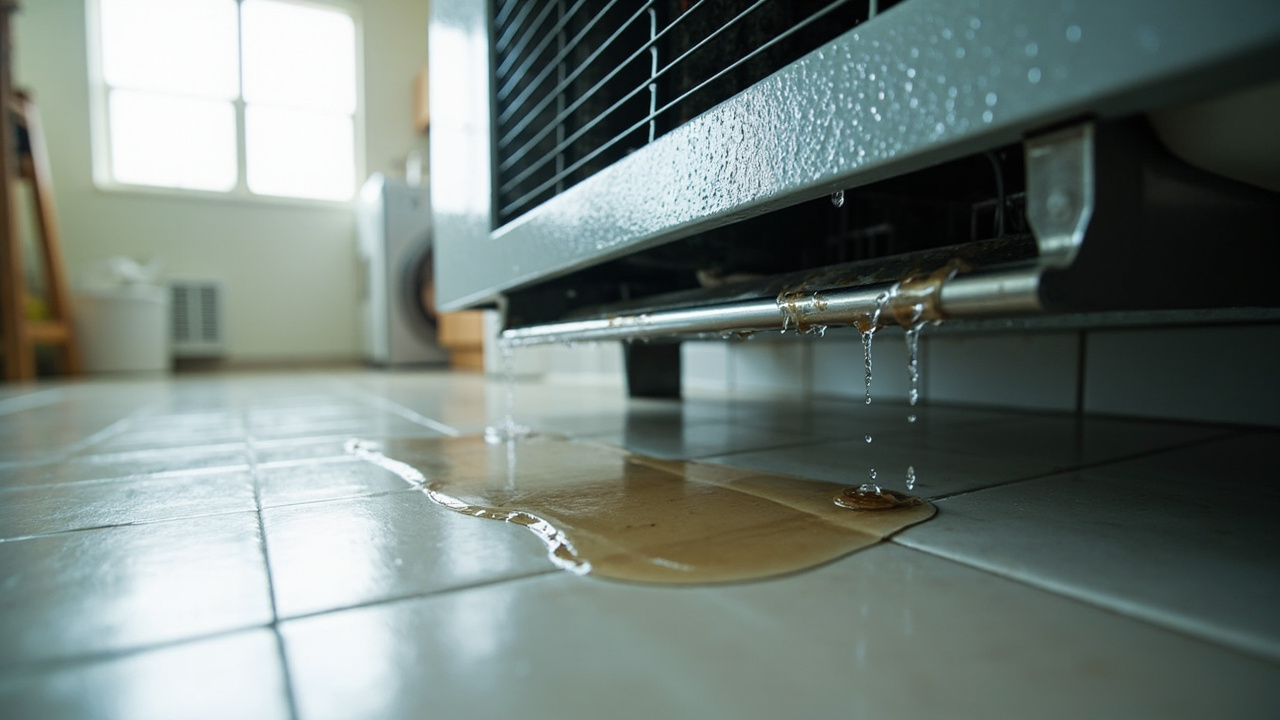
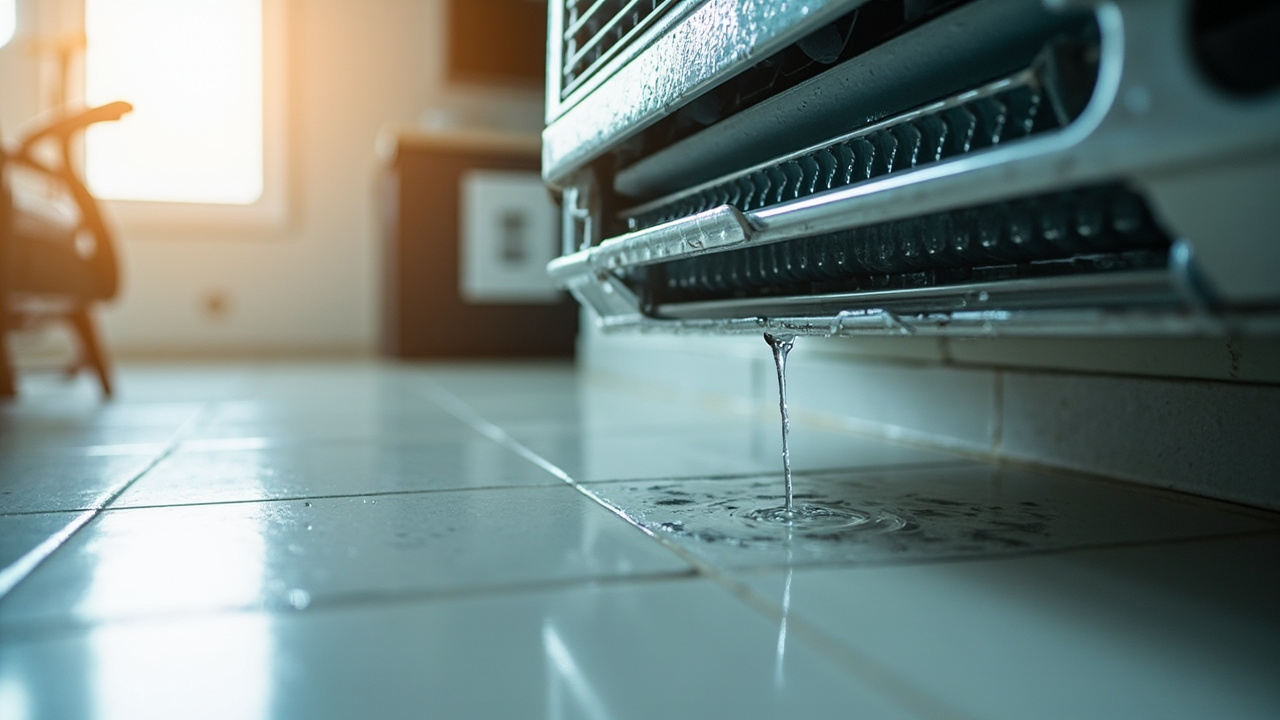
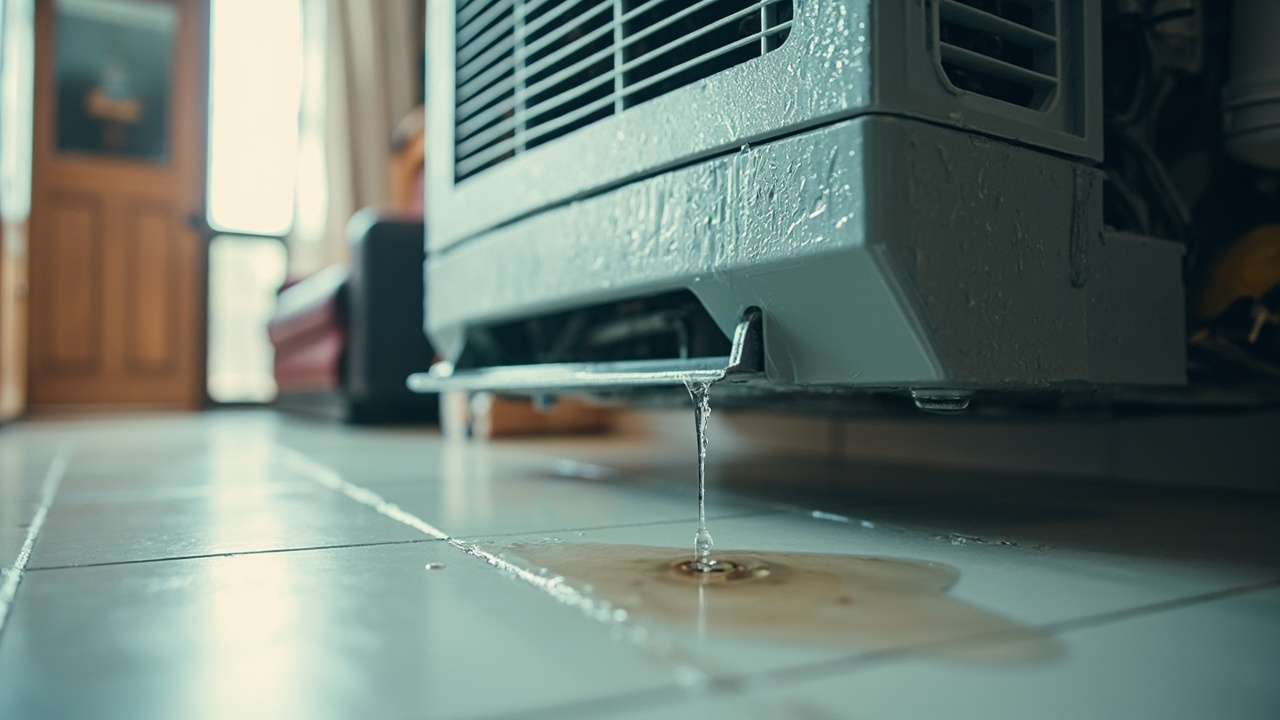
You walk past your indoor air handler and see a puddle spreading across your floor. Your AC system leaking water is not a minor inconvenience. It is a warning that something inside your cooling system has failed or clogged.

San Diego's coastal humidity and year-round cooling demands put constant stress on your air conditioning condensate system. Your AC removes moisture from indoor air and channels it through a drain line. When that line clogs with algae, dust, or biological slime, water backs up into the drip pan and overflows onto your floors. If your drain pan has corroded through, water drips straight down. If your condensate pump fails, water pools inside the air handler cabinet.

In older San Diego homes, particularly those in neighborhoods like North Park and City Heights, galvanized drain pans rust through after 15 to 20 years of constant moisture exposure. In newer homes, improper installation or lack of routine maintenance causes drain line blockages. Some AC water leaks stem from low refrigerant charge, which causes the evaporator coil to freeze and then thaw, overwhelming the drain system with sudden water volume.

A water dripping from AC unit issue also damages drywall, promotes mold growth, and ruins flooring. The longer water sits, the more expensive the secondary damage becomes. You need to know what failed, why it failed, and how to fix it correctly so it does not happen again next month.

Why Your Air Conditioner Is Dripping Water All Over Your San Diego Home
How We Diagnose and Repair AC Water Leaks in San Diego Homes

How We Diagnose and Repair AC Water Leaks in San Diego Homes

We do not guess. We trace the water back to its source using a systematic diagnostic process.

First, we shut off your system to prevent additional water damage. We inspect the drip pan for cracks, rust-through, or misalignment. We check the primary drain line and secondary drain line for blockages. We use a wet-dry vacuum or nitrogen pressure to clear clogs, then verify water flows freely to the exterior discharge point or into the plumbing system.

Next, we inspect the evaporator coil for ice buildup or abnormal frost patterns. If the coil is frozen, we check refrigerant charge using manifold gauges and superheat calculations. Low refrigerant causes low suction pressure, which drops the coil temperature below freezing. When the system cycles off, the ice melts and floods the drain pan faster than the drain line can handle.

We also test the condensate pump if your air handler sits in an attic or interior closet where gravity drainage is not possible. A failed pump float switch or burned-out motor will cause water to back up and overflow. We replace pumps on the spot if needed.

If your air filter is clogged or your return air is restricted, we address that too. Poor airflow across the evaporator coil lowers the coil temperature and causes freeze-thaw cycles that mimic refrigerant issues.

Our goal is to eliminate the root cause, not just sop up the water. We do not leave until your AC runs dry and your drain system functions as designed.

What Happens When You Call Us About AC Water Leaks

AC Unit Leaking Water in San Diego – Expert Diagnosis and Same-Day Repairs
01

Emergency Assessment and Shutoff

We arrive and immediately shut down your system to stop further water damage. We inspect the air handler, drip pan, and surrounding areas to assess water spread. We contain the leak and document the affected areas. This step prevents mold growth and gives us a clear view of the failure point before we begin diagnostics.
02

Drain Line and Component Testing

We disconnect the drain line and flush it with high-pressure nitrogen or use a vacuum to clear blockages. We test the condensate pump and inspect the evaporator coil for ice or refrigerant loss. We measure airflow and check the filter. Every component that affects condensate flow gets tested, not just the obvious ones.
03

Repair and Verification

We replace the failed component, whether it is a cracked drain pan, clogged drain line, bad condensate pump, or low refrigerant charge. We restart your system and monitor it through a full cooling cycle to verify water drains properly. We leave only when your AC runs without dripping and your home is protected from future water damage.

Why San Diego Homeowners Trust Elite HVAC San Diego for AC Water Leak Repairs

San Diego has over 200 HVAC contractors. Most of them will show up, clear a drain line, and leave without addressing the underlying issue. You call them back three weeks later when the water returns.

We do not operate that way.

We have spent years diagnosing air conditioning leaking water issues in homes from La Jolla to Chula Vista. We understand how San Diego's marine layer humidity affects condensate production. We know how older homes with cast iron drain systems can corrode and create chronic blockages. We have seen how poorly installed mini-split systems lack proper condensate routing and drip onto walls.

Our technicians carry replacement drain pans, condensate pumps, and PVC fittings on every truck. We fix it the first time because we arrive prepared. We also carry refrigerant recovery equipment and manifold gauges so we can address refrigerant-related freeze-thaw issues on the same visit.

We are familiar with San Diego building codes related to condensate drainage and secondary overflow protection. If your system was installed incorrectly and lacks a secondary drain or float switch, we bring it up to code. This protects you from future water damage and insurance claim headaches.

You also get clear communication. We explain what failed, why it failed, and what you can do to prevent it. We do not upsell unnecessary replacements. If your drain line needs a flush and your drip pan is fine, that is what we tell you.

San Diego homeowners return to us because we respect their time and their property. We show up when we say we will, we solve the problem correctly, and we clean up after ourselves.

What You Can Expect When We Repair Your AC Water Leak

Fast Response and Same-Day Service

We prioritize air conditioner dripping water calls because water damage escalates quickly. Most appointments are scheduled within 24 hours. If you have active water spreading across your floor, we offer same-day emergency service. We dispatch from multiple locations across San Diego County, so response times are measured in hours, not days. Once we arrive, most repairs are completed within two hours. You will not be left waiting for parts or follow-up visits unless a major component needs special ordering.

Thorough Diagnostic and Transparent Pricing

We perform a complete system diagnostic before quoting any repair. This includes drain line inspection, drip pan evaluation, refrigerant pressure testing, airflow measurement, and condensate pump testing. You receive a written estimate before we start work. We explain what caused the AC water leak and what needs to be replaced or repaired. There are no surprise charges. If we find additional issues, we discuss them with you before proceeding. You make the final decision on what gets fixed.

Complete Repair with No Shortcuts

We do not patch problems. If your drain pan is corroded, we replace it with a corrosion-resistant polymer pan. If your drain line is clogged, we clear it and install a cleanout access point for future maintenance. If your refrigerant is low, we find the leak, repair it, evacuate the system, and recharge it to manufacturer specifications. We test the system through multiple cooling cycles before we leave. Your AC will run dry, your drain line will flow, and your home will stay protected from water damage.

Preventive Maintenance and Aftercare

After we repair your AC system leaking water issue, we offer maintenance plans that include annual drain line cleaning, drip pan inspection, and condensate pump testing. These plans prevent future clogs and catch problems before they turn into water damage. We also provide guidance on filter replacement schedules and airflow management. If you experience any issues within 30 days of repair, we return at no additional charge. Our goal is to keep your system running dry for years, not just for the next billing cycle.

Frequently Asked Questions

You Have Questions,
We Have Answers

How do I stop my air conditioner from leaking water? +

First, turn off your system to prevent water damage. Check your drain pan under the indoor unit for cracks or overflow. If the pan is full, you likely have a clogged condensate drain line. Locate the PVC pipe exiting your unit and clear any visible blockages. Replace your air filter if it looks dirty, as restricted airflow causes the evaporator coil to freeze and then leak when thawing. In San Diego's coastal climate, drain lines clog faster due to algae growth from humidity. If these steps don't resolve the issue, call a licensed technician to inspect refrigerant levels and drain line integrity.

Can I still use my AC if it's leaking water? +

You should not run your AC while it leaks water. Continued operation risks water damage to your walls, ceilings, and flooring. The leak signals an underlying problem like a frozen coil, clogged drain, or damaged pan. Running the system worsens the issue and can lead to mold growth in San Diego's mild, humid conditions. Water near electrical components also creates shock and fire hazards. Turn off your unit immediately and address the root cause. You can temporarily manage without AC in San Diego's moderate climate while waiting for repairs, or use fans to maintain comfort.

Is a leaking AC unit an emergency? +

A leaking AC is not always an emergency, but you should address it quickly. If water pools near electrical panels, soaks into drywall, or drips onto hardwood floors, shut down your system immediately to prevent serious damage. Small drips from the condensate line outside are normal during operation. However, indoor leaks indicate a malfunction that worsens with time. In San Diego homes, especially those with wood framing or stucco exteriors, water intrusion causes expensive structural damage. Call a technician within 24 hours for indoor leaks. The faster you act, the less damage you face.

Does AC leaking mean I need a new unit? +

Most leaks do not require a new unit. Common causes like clogged drain lines, dirty filters, or cracked drain pans are affordable fixes. Even a frozen evaporator coil usually results from low refrigerant or airflow issues that a technician can repair. You need replacement only if your system is over 15 years old, has a cracked heat exchanger, or suffers major compressor failure. In San Diego's temperate climate, units last longer than in extreme environments, so premature replacement is rare. A qualified technician will assess your system and recommend repair versus replacement based on cost-effectiveness.

Is AC leaking water expensive to fix? +

Repair costs depend on the cause. Clearing a clogged drain line typically runs between affordable service call fees and moderate charges. Replacing a cracked drain pan or installing a new float switch costs more but remains reasonable. Frozen coil repairs involving refrigerant recharge or airflow corrections fall in the mid-range. Major issues like evaporator coil replacement or ductwork repairs cost significantly more. San Diego's competitive HVAC market keeps prices reasonable compared to other California metros. Get a diagnostic from a licensed contractor before authorizing work. Most leaks stem from simple, inexpensive problems you can fix quickly.

How do I unclog my AC condensate drain line? +

Turn off your AC first. Locate the condensate drain line, a PVC pipe near your indoor unit or exiting outside. Remove the cap and use a wet-dry vacuum to suction out the clog from the outside end. You can also pour a cup of distilled vinegar into the drain pan to dissolve algae buildup, then flush with water after 30 minutes. For stubborn clogs, use a plumber's snake or compressed air. In San Diego, algae grows fast in drain lines due to consistent humidity. Flush your line with vinegar every three months to prevent future clogs.

How long can I run my AC if it is leaking water? +

Do not run your AC at all if it leaks water indoors. Every minute of operation increases water damage risk and worsens the underlying problem. A frozen coil will refreeze, a clogged drain will overflow further, and a cracked pan will leak more. You risk damaging your drywall, insulation, and flooring. San Diego's mild weather allows you to go without AC temporarily while arranging repairs. Turn off your system, mop up standing water, and contact a technician. Running a leaking unit is false economy. You save nothing on comfort but pay exponentially more in water damage repairs.

What is the 3 minute rule for AC? +

The three-minute rule prevents compressor damage after your AC cycles off. Wait at least three minutes before restarting your system. This pause allows refrigerant pressure to equalize between the high and low sides of the system. Starting too soon forces the compressor to work against unequal pressure, which shortens its lifespan and can cause failure. This rule applies whether you manually shut off your unit or it cycles normally. In San Diego's moderate climate, your AC cycles less frequently than in extreme heat, but you should still follow this rule after any shutdown to protect your equipment.

Can I fix a leaking AC myself? +

You can handle basic fixes like changing the air filter, clearing visible debris from the drain line, or emptying a full drain pan. However, most leak causes require professional diagnosis. Refrigerant leaks, frozen coils, and internal component failures need specialized tools and EPA-certified handling. San Diego building codes require licensed contractors for refrigerant work and electrical repairs. DIY attempts often worsen the problem or create safety hazards. If simple filter replacement and drain clearing don't stop the leak within an hour, call a technician. You risk voiding warranties or causing expensive damage by attempting complex repairs yourself.

What is the $5000 rule for AC? +

The $5,000 rule is a replacement guideline. Multiply the repair cost by your system's age in years. If the result exceeds $5,000, replacement makes better financial sense than repair. For example, a $400 repair on a 10-year-old unit equals $4,000, so repair it. A $600 repair on a 12-year-old unit equals $7,200, so replace it. This formula balances immediate repair costs against the likelihood of future breakdowns in aging equipment. In San Diego, where units face less thermal stress than desert or humid climates, systems often outlive this formula, but it remains a solid decision-making tool.

Why San Diego's Coastal Humidity Makes AC Drain Line Maintenance Critical

San Diego's coastal climate creates ideal conditions for condensate system failures. Your air conditioner pulls moisture out of humid ocean air every day, and that water flows through a narrow PVC drain line. Algae, biofilm, and dust accumulate inside the line over time. When the line clogs, water backs up into the drip pan and overflows onto your floor. The problem worsens during June Gloom and marine layer fog events, when humidity spikes and your AC runs longer cycles. Homes in Point Loma, Ocean Beach, and Pacific Beach see higher condensate volumes than inland areas, which accelerates buildup and increases the risk of water dripping from AC unit failures.

Elite HVAC San Diego understands how local climate patterns affect your cooling system. We have repaired hundreds of air conditioning leaking water cases across San Diego County, from Mission Valley condos to Rancho Bernardo single-family homes. We know which systems are prone to drain line failures and which require secondary overflow protection upgrades. When you hire a local contractor who has diagnosed these issues in your specific neighborhood, you get accurate repairs and realistic prevention plans. We do not treat every AC water leak the same because San Diego homes face unique challenges that require local expertise.


HVAC Services in The San Diego Area

Located in the heart of Phoenix, Horizon proudly serves the entire metro area with responsive HVAC services you can trust. Our team is strategically based for fast dispatch across neighborhoods, business districts, and surrounding communities. Whether you’re in need of a quick repair or planning a full system upgrade, we’re just a call away. Use the map below to see our coverage zone or visit our office for a consultation. We’re local, experienced, and ready to help, wherever you are.

Address:
Elite HVAC San Diego, 10620 Treena St Suite 230, San Diego, CA, 92131

Additional Services We Offer

Our news updates

Latest Articles & News from The Blogs

Do Smart Vents Actually Help Fix Cold Spots in Large Rancho Bernardo Houses? \n Smart vents can reduce hot and…

Do Smart Vents Actually Help Fix Cold Spots in Large Rancho Bernardo Houses?

Do Smart Vents Actually Help Fix Cold Spots in Large Rancho Bernardo Houses? \n Smart vents can reduce hot and…

Why Thermostat Placement Matters More Than You Think in Your Carmel Valley Two Story Home

Your thermostat controls your entire HVAC system but where you mount it can make the difference between consistent comfort and…

Choosing the Right HVAC Setup for a New Detached ADU in Chula Vista

Choosing the Right HVAC Setup for a New Detached ADU in Chula Vista Building a detached accessory dwelling unit in…

Contact Us

Your AC should not leak water onto your floor. Call Elite HVAC San Diego at (619) 304-5777 right now. We will diagnose the failure, fix the problem, and get your system running dry again. Same-day service is available.